
When lingering cooking smells, excess steam, and grease-laden air take over your kitchen, you know it is time to invest in solid overhead ventilation. This comprehensive guide walks you through every stage of installing a new range hood directly above your cooktop, so you can enjoy a cleaner, fresher kitchen environment.
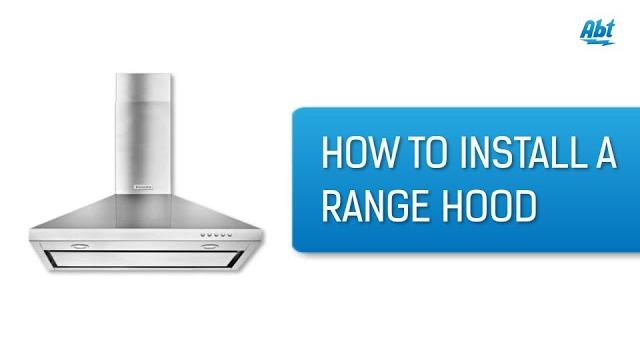
The Basics — Getting Started
Whether you use a gas burner or an electric cooktop, everyday cooking generates a surprising amount of grease residue, steam, and smoke. Thankfully, a range hood installed right above the stove is designed to pull all of that contaminated air out of the kitchen and either vent it outdoors or recirculate it through filters.

For the job to go smoothly, selecting the right range hood is essential. There is a wide variety of styles and configurations available, from sleek wall-mount models to powerful island hoods. The single most critical specification to pay attention to is the CFM (cubic feet per minute) rating of the fan motor. A good rule of thumb is that your hood's CFM should be at least double the square footage of your kitchen.
Once you have chosen the ideal unit for your space, the actual installation is a manageable DIY project. Follow the steps below to mount your new range hood securely and safely above your cooktop.
Prepare for Your Range Hood Installation
Before you begin, safety should be your top priority. Equip yourself with protective goggles and a dust mask, since you will be cutting through drywall and possibly insulation. Additionally, make absolutely sure you have turned off all electrical power running to the range hood circuit and confirm it is dead by testing the wires with a voltage tester.
It is also wise to check with your local building department to find out whether a permit is required. Different counties and municipalities have varying regulations about building codes and electrical work. When in doubt, consult a licensed electrician before proceeding.

Remove the Existing Range Hood
Your first hands-on task is taking down the old unit. It is very helpful to have a second person with you during this step, since range hoods can be heavy and awkward to handle alone. Disconnect the power cord and detach any wiring connections. With your helper supporting the weight of the hood from below, unscrew the mounting fasteners and carefully lift it away.
While the space is open, verify that your new hood will cover the entire cooking surface and that it fits within the existing cutout area. Refer to the manufacturer's manual for the recommended mounting height — this distance between the cooking surface and the hood bottom ensures optimal airflow and varies between gas and electric setups.
Take note of your existing vent direction. Does the ductwork exit upward through the cabinet or straight back through the wall? Most modern hoods can accommodate either orientation, but the knockout placement on the hood determines which path you will use.
Locate and Mark the Vent Holes
Unbox your new range hood and remove the grease filter, the exhaust fan assembly, and the electrical housing cover. If this is a brand-new installation in a home without pre-existing ductwork, you will need to remove the appropriate knockout using a hammer and a flathead screwdriver to access the cable and duct openings.
Hold the hood body up against the mounting area — again, a helper makes this much easier — and use a pencil to clearly mark the locations for all fastener screws, the vent opening, and the cable entry point.
Cut the Hole for the Range Hood Exhaust
With all locations clearly marked, it is time to create the exhaust opening. If you are making a brand-new cutout, you have the advantage of choosing the vent direction. Professional electricians follow the principle of finding the shortest path to the outside — so decide whether your vent should travel straight up through the roof or straight out through an exterior wall.
Grab a reciprocating saw or hole saw and carefully cut through the interior drywall. Remember to keep your goggles and dust mask on during this step. Drill pilot holes at each corner with a long drill bit that penetrates all the way through the exterior wall. Be mindful of any hidden studs, plumbing, or electrical wires while cutting.
Cut the Exterior Wall
Head outside and find the pilot holes you just drilled through the wall. Using a pencil or marker, connect them to create a clear outline of the vent opening — think of it as connecting the dots.
Now use your reciprocating saw, a long-bladed saber saw, or a keyhole saw to cut along the marked outline. Remove the siding material and any insulation from the duct area as you go.
Attach the Hood's Air Duct
While still outside, insert the duct's wall cap into the freshly cut opening. Confirm that the duct will be long enough to reach the range hood on the interior side. If it falls short, a trip to the hardware store for a duct extension will be necessary. Secure the extension with sheet metal screws and seal all joints with quality duct tape.
Once you are certain the duct run reaches, apply exterior-grade caulk to the siding where the wall cap flange will rest. Push the cap firmly into place, then fasten it with screws and apply a final bead of caulk around the entire perimeter to create a watertight seal.
The exterior portion of the installation is now complete.
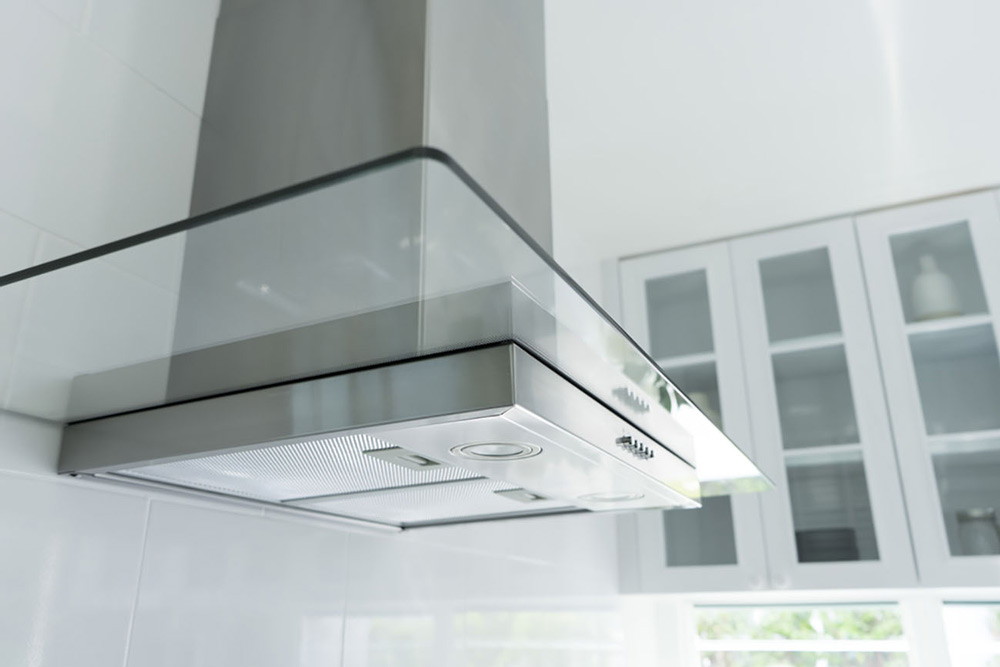
Run Power to the Range Hood and Connect the Wires
Back inside, make sure the breaker is still off and verify that the power switches near the installation area are in the off position. Route a cable from a counter receptacle or junction box up through the hole cutout. Strip the outer cable sheathing and clamp the cable securely to the range hood's knockout entry.
To permanently mount the hood, drive the mounting bracket screws and lag bolts into the surrounding wall studs and adjacent cabinet framing. Make sure the unit is level and firmly anchored.
Now connect the wiring: splice the white (neutral), black (hot), and green (ground) wires from the cable to their matching fixture leads using wire nuts. Tuck all connections neatly inside the electrical housing, reattach the cover, and reinstall the fan assembly and grease filter.
Finally, flip the breaker back on and give your brand-new range hood a test run. You are now all set to cook in a well-ventilated kitchen!