
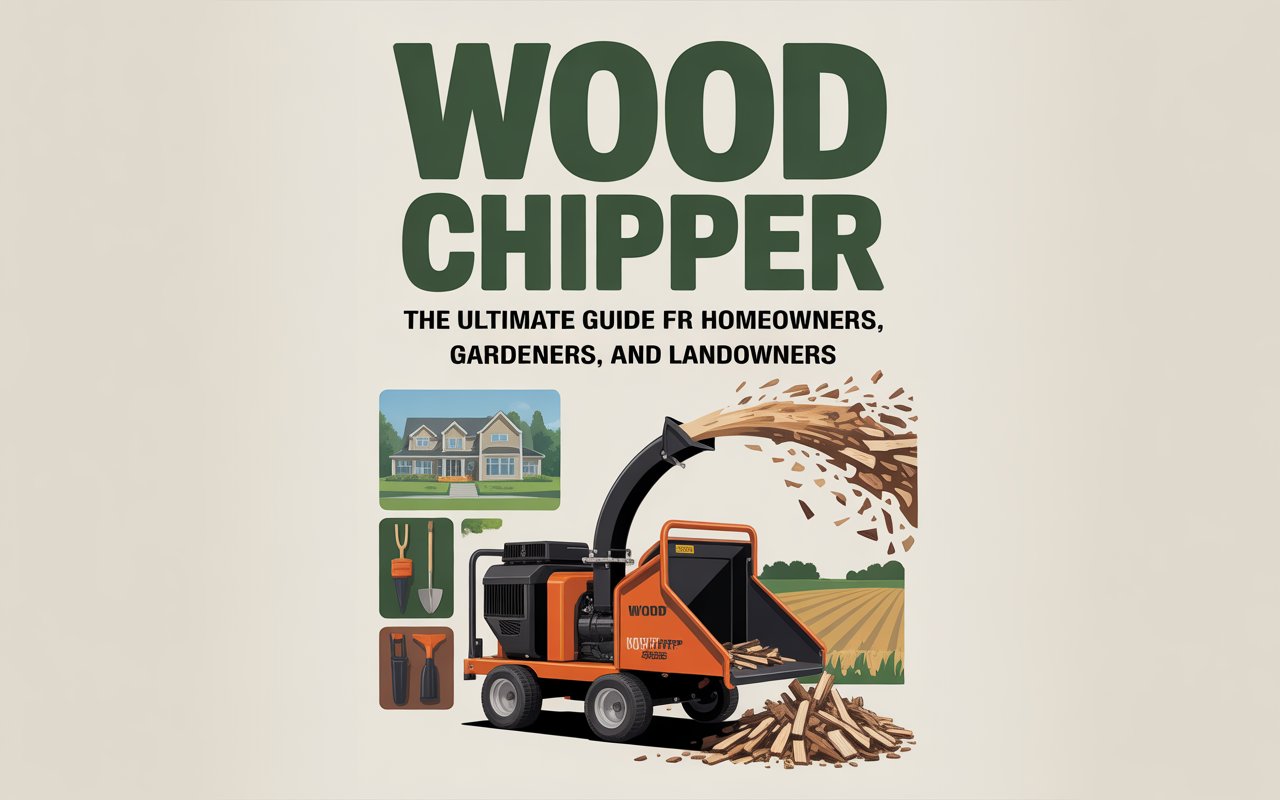
If you own a property with trees, hedges, or an abundance of vegetation, chances are you've dealt with piles of branches, clippings, and yard debris more times than you can count. A wood chipper can turn that headache into a productive solution — converting unwanted branches and organic waste into reusable mulch or compost. Whether you're a homeowner looking to tidy your backyard, a dedicated gardener seeking nutrient-rich material for your beds, or a landowner managing acres of terrain, this guide covers everything you need to choose, operate, and maintain the right wood chipper.
What Is a Wood Chipper and How Does It Work?
At its core, a wood chipper is a machine designed to break down branches, limbs, and other organic material into smaller wood chips or mulch. You feed branches into a hopper, and internal blades or hammers rapidly chop the material into uniform pieces that are then expelled through a discharge chute.
Main Components
- Hopper / Feed Chute: The opening where branches and material are inserted into the machine.
- Cutting Mechanism: A rotating drum or disc equipped with sharp blades that breaks down the material.
- Engine or Motor: Powers the cutting mechanism — available in gas, electric, or PTO-driven configurations.
- Discharge Chute: Directs the processed chips outward into a pile, bag, or trailer.
- Frame and Chassis: Provides the structural support and often includes wheels for portability.
Types of Wood Chippers Available
Choosing the right type depends on the scope of your project, property size, and how frequently you plan to use the machine.
Electric Models
Best for small to mid-sized yards. Electric chippers are lightweight, quieter, and ideal for handling branches up to about 1.5–2 inches in diameter. They plug into a standard outlet and require minimal maintenance. Perfect for homeowners who want a simple and clean solution.
Gas-Powered Units
A significant step up in performance. Gas chippers can handle branches from 2 to 4+ inches in diameter and offer more mobility since they don't require an outlet. They're well-suited for larger properties and heavier workloads, though they demand regular fuel and engine upkeep.
PTO-Powered Units
Designed for agricultural and large-scale land management. PTO (Power Take-Off) chippers connect to a tractor's drivetrain, delivering enormous cutting power for thick branches and high-volume debris. Ideal for landowners and professional operations.
Commercial & Industrial
Heavy-duty machines built for continuous, high-volume use. These chippers are found on professional jobsites, municipal operations, and forestry projects. They can process large trees and hardwood with ease, but they require significant investment and training.
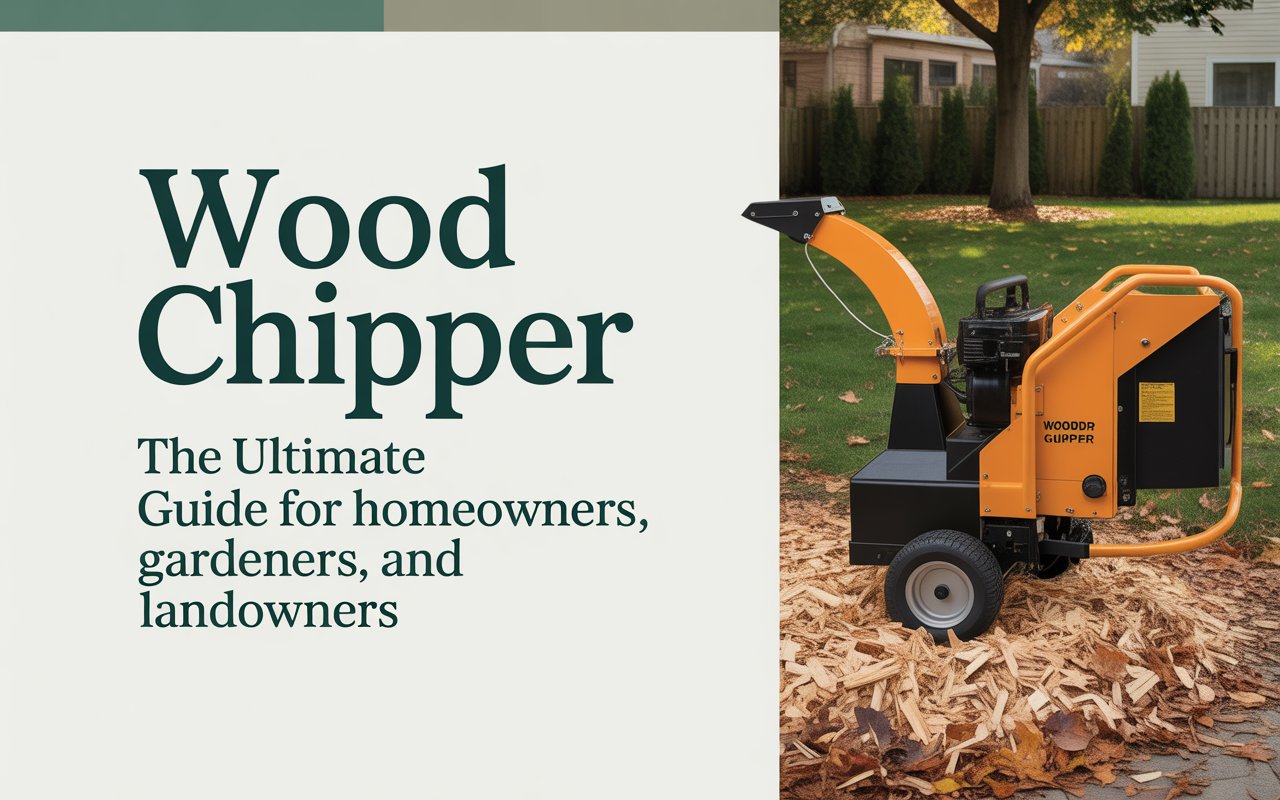
Why Use a Wood Chipper?
🌿 Waste Reduction
Transform bulky piles of branches and trimmings into compact, manageable wood chips instead of hauling loads to the dump.
🌱 Mulch Creation
Fresh wood chips make excellent mulch for garden beds, pathways, and landscaping — retaining moisture and suppressing weeds naturally.
♻️ Compost Enhancement
Chipped material breaks down faster in compost piles, enriching your soil with vital nutrients and organic matter over time.
💰 Cost Savings
Eliminate repeated hauling fees and the expense of buying commercial mulch or compost. A chipper pays for itself over time.
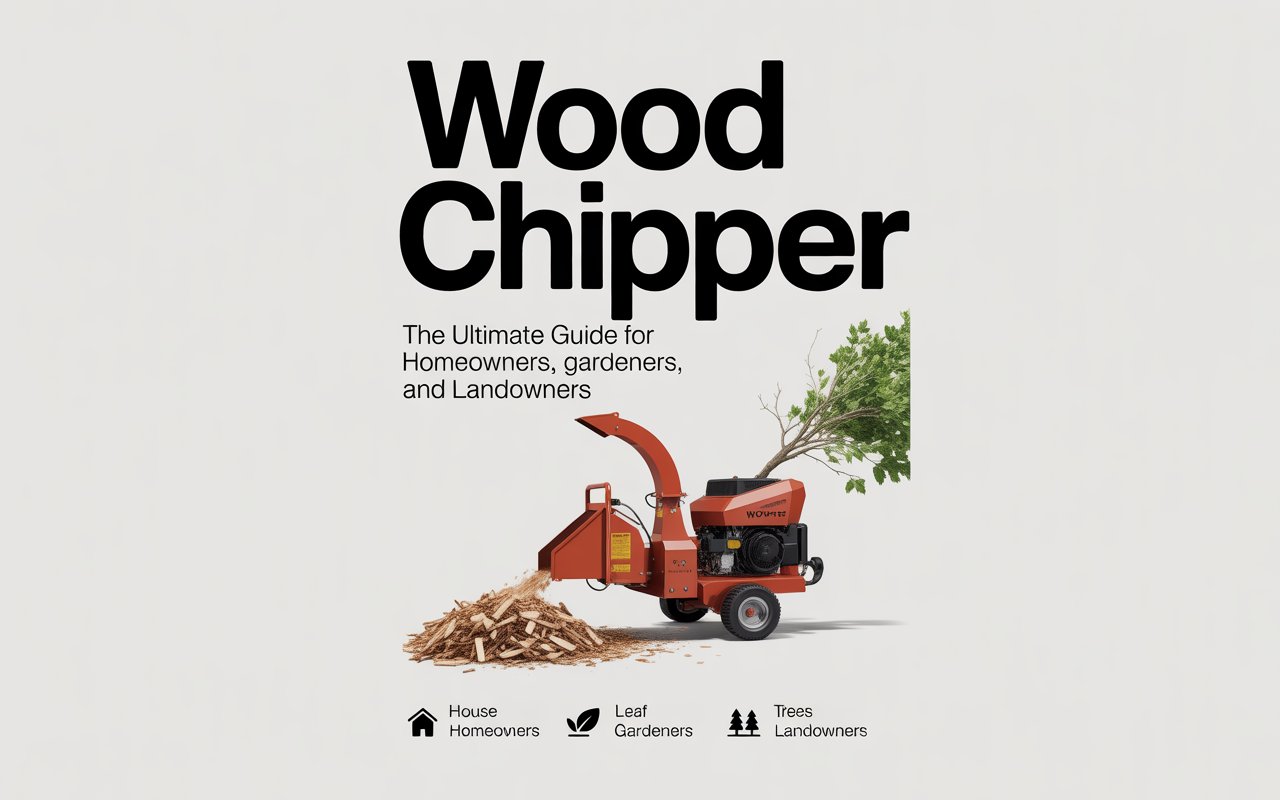
Key Features to Consider Before Buying
Engine Power
Engine size dictates what the chipper can handle. For residential tasks, an engine between 5–10 HP is usually sufficient. Larger properties or commercial needs require 15 HP and above for consistent performance with thicker material.
Maximum Branch Diameter
Always check the manufacturer's stated capacity. If you regularly deal with branches 3 inches or thicker, ensure the chipper is rated for that size — attempting to force oversized material can damage the machine and create safety hazards.
Portability
Consider the weight and design. Wheeled, towable models are ideal if you need to move the chipper around a large property. Compact electric units work well for fixed locations or small yards.
Safety Features
Look for models with emergency shut-off switches, feed control bars, locking mechanisms, and no-stress feed systems. Quality safety features significantly reduce the risk of accidents during operation.
Noise Level
Gas chippers tend to be significantly louder than electric variants. If you're in a suburban neighborhood with noise restrictions, an electric model or one with sound-dampening features may be the smarter choice.
Safety First: How to Operate It Properly
Wood chippers are powerful machines that deserve respect. Following proper safety protocols protects you and everyone nearby.
- Wear Protective Gear: Always use safety glasses, heavy-duty gloves, hearing protection, steel-toed boots, and fitted clothing. Loose sleeves and jewelry are a serious hazard around spinning blades.
- Read the Manual: Every model operates differently. Familiarize yourself with your specific machine's controls, limitations, and recommended procedures before the first use.
- Never Use Hands to Push Material: Always use a push stick or the feed mechanism to guide branches into the hopper. Never reach into the feed chute while the engine is running.
- Stay Clear of the Discharge Chute: Chips and debris exit at high velocity. Make sure no one is standing in the discharge path, and angle the chute away from buildings, vehicles, and walkways.
- Keep Children and Pets Away: Establish a strict safety perimeter around the chipper during operation. This is not a machine that should be operated with bystanders nearby.
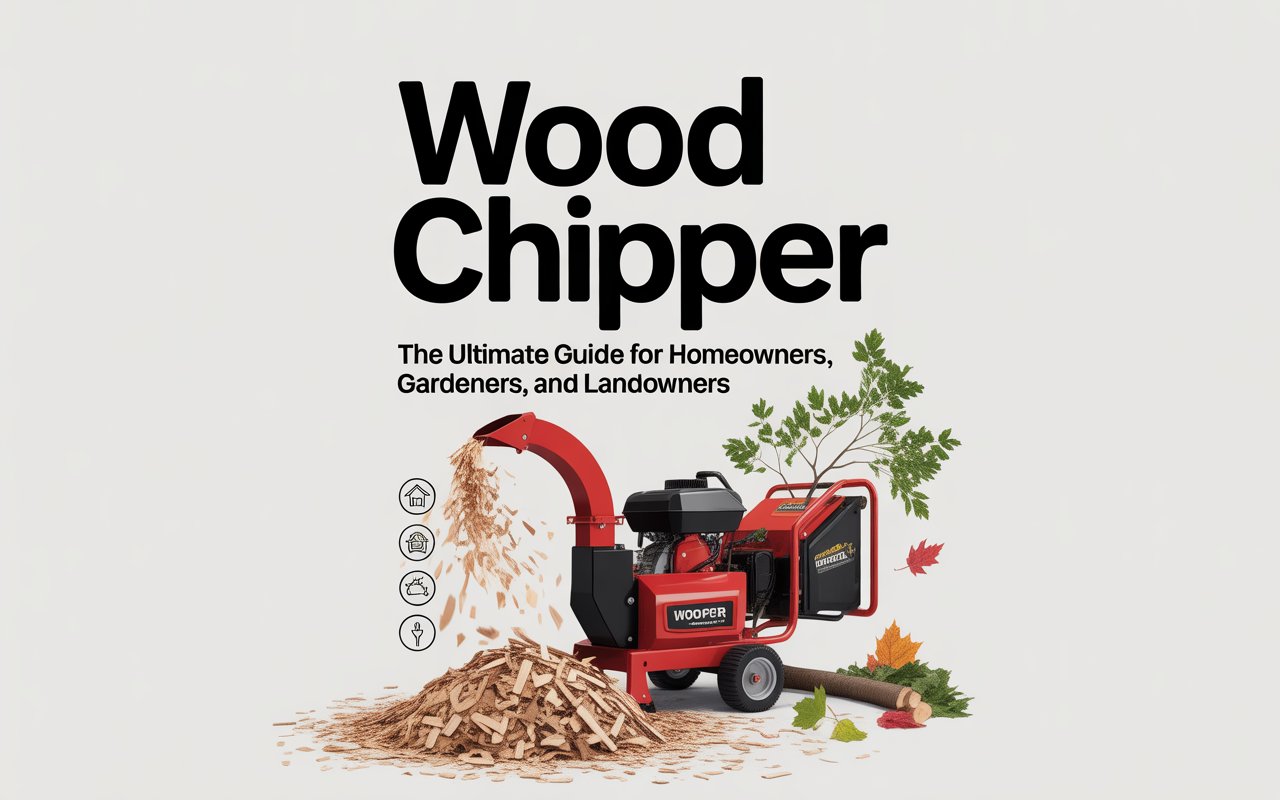
Maintenance Tips for Long-Term Performance
A well-maintained chipper lasts longer, runs safer, and performs better with every use. Adopt these habits to get the most from your investment.
Sharpen the Blades
Dull blades force the engine to work harder and produce uneven chips. Sharpen or replace blades after every 10–15 hours of use, or whenever you notice a decline in cutting quality.
Clean After Use
Remove jammed debris, wipe down surfaces, and clear the discharge chute thoroughly after each session. Residual sap and material buildup accelerates wear and corrosion.
Check Oil Levels (Gas Models)
Before each use, verify that oil levels are adequate. Change the oil according to the manufacturer's schedule — typically every 25–50 operating hours.
Inspect Belts and Fasteners
Worn belts, loose bolts, and degraded safety guards are common causes of breakdowns. Conduct a visual inspection before starting the machine each time.
Common Mistakes to Avoid
- Feeding Oversized Branches: Exceeding the machine's rated capacity strains the motor and can cause dangerous kickback or blade failure.
- Ignoring Maintenance Schedules: Skipping oil changes, blade sharpening, and belt inspections leads to premature breakdowns and unsafe operating conditions.
- Operating on Uneven Ground: Always place the chipper on a flat, stable surface to prevent tipping or unexpected movement during operation.
- Chipping Wet or Green Wood Exclusively: Freshly cut or soaked wood is harder to process and can clog the machine. Mix in dry material when possible.
- Neglecting Safety Gear: Every use, every time — no exceptions. Even experienced operators can be injured without proper protective equipment.
Environmental Benefits of Using a Wood Chipper
Beyond yard maintenance, chipping your own organic waste reduces landfill contributions, improves your soil health through natural mulch and compost, and supports a more sustainable approach to gardening and land management.
Wood Chipper vs. Shredder: What's the Difference?
These two machines serve different purposes despite often being mentioned together. Understanding the distinction helps you pick the right tool for the job.
Chippers
Designed primarily for branches and thick woody material. They use sharp blades on a rotating disc or drum to slice material into uniform chips. Best for processing tree limbs, pruning waste, and heavy brush.
Shredders
Optimized for leaves, small twigs, and soft organic material. Shredders use flail-style blades or hammers to break down lighter material. They're ideal for composting and processing garden trimmings and hedge clippings.
Many modern machines combine both functions, offering chipper-shredder hybrid designs that handle a wide range of yard waste.
Cost Breakdown: What Should You Expect to Spend?
Pricing varies widely based on power source, capacity, and brand reputation. Here's a general breakdown to help you plan your budget.
$150–$500
Electric / Entry-Level
Small residential chippers suitable for light yard work and thin branches.
$500–$2,000
Mid-Range Gas
Reliable gas-powered units for medium properties and regular use with branches up to 3–4 inches.
$2,000–$5,000+
Commercial / PTO
Professional-grade machines for heavy-duty applications, large acreage, and continuous operation.
When Should You Rent Instead of Buy?
Purchasing a wood chipper is an investment that makes sense for frequent, ongoing use. However, renting is a smart alternative in several situations:
- You only need to clear debris once or twice a year after storms or seasonal cleanups.
- You have a one-time project such as clearing a lot, removing a fallen tree, or preparing new garden beds.
- You want to test different models and capacities before committing to a purchase.
- Storage space is limited, and you lack a suitable place to keep a large piece of equipment year-round.
Rental rates typically range from $100 to $400 per day depending on the size and model. If you find yourself renting more than three or four times a year, buying generally becomes the more economical choice.
Practical Tips for Getting the Best Results
- Sort Your Material First: Separate leaves and soft debris from hard branches. Feed similar material together for more consistent output.
- Feed at a Steady Pace: Don't overload the hopper. Let the machine pull material in at its own rate — forcing branches causes jams and excessive engine strain.
- Alternate Between Wet and Dry: Mixing damp and dry material prevents clogging and helps the machine operate more smoothly.
- Position the Discharge Strategically: Direct chips straight into a wheelbarrow, tarp, or trailer to save time and reduce cleanup afterward.
- Chip in Dry Weather: Rain and heavy moisture make material harder to process and increase the risk of slipping around the machine.
Conclusion
A wood chipper is one of the most practical tools any property owner can invest in. From reducing yard waste and creating free mulch to improving your compost and supporting healthier soil, the benefits extend far beyond simple cleanup. Choose the right model for your needs, prioritize safety every time you operate it, and maintain it consistently — your chipper will reward you with years of reliable performance.
Frequently Asked Questions (FAQs)
1. How thick of a branch can a typical wood chipper handle?
Most residential chippers handle branches between 2 and 3 inches in diameter. Higher-powered gas and commercial models can process material 4 inches and above. Always stay within the manufacturer's rated capacity for safe operation.
2. Can I use wood chips directly in my garden?
Absolutely. Fresh wood chips are excellent for mulching garden beds, lining pathways, and suppressing weeds. For use directly around plant roots, allow the chips to age or compost for a few weeks first to avoid temporarily depleting nitrogen in the soil.
3. Is it better to buy or rent a wood chipper?
If you handle yard debris regularly — monthly or more — buying is usually more cost-effective over time. For occasional, one-off projects or if storage is limited, renting provides the same capability without the long-term commitment.
4. How often should blades be sharpened?
Most manufacturers recommend sharpening after every 10–15 hours of active use. If you notice the chipper struggling with material it previously handled easily, or producing ragged instead of clean chips, it's time to sharpen or replace the blades.
5. Are electric chippers powerful enough for home use?
For small to mid-sized yards with branches under 2 inches, electric chippers deliver plenty of power. They're quieter, easier to maintain, and produce no emissions — making them a great fit for suburban homeowners.