

Hydraulic power units sit at the core of countless machines and industrial systems. They are the driving force behind equipment that demands precise, forceful movements — from construction rigs to agricultural implements. At their most fundamental level, these systems harness pressurized fluid to convert mechanical energy into usable power, delivering it exactly where it's needed.
In this guide, we'll break down how hydraulic power units function, walk through their essential components, explore their benefits, and look at the industries that rely on them every day.
What Exactly Is a Hydraulic Power Unit?
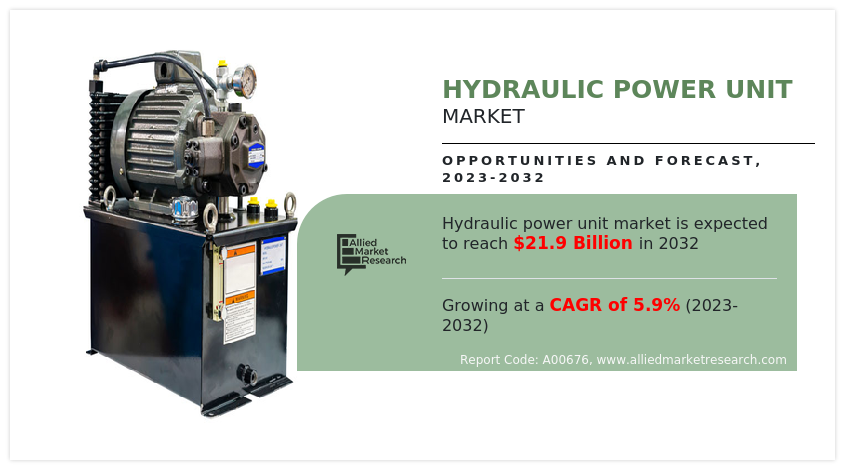
A hydraulic power unit (HPU) is a self-contained system designed to supply and regulate hydraulic fluid. It powers a variety of actuators — including cylinders and motors — used across industrial, agricultural, marine, and heavy vehicle applications. The unit takes mechanical energy (typically from an engine or electric motor), converts it into high-pressure fluid energy, and channels it to the connected equipment.
Think of it as the heart of any hydraulic system. Without it, the cylinders, valves, and motors downstream simply can't operate.

Core Components of a Hydraulic Power Unit
Every hydraulic power unit is made up of several critical parts working together. Understanding these components helps you maintain your equipment and troubleshoot problems before they become costly.
Hydraulic Pump
The pump is the powerhouse of the unit. It draws oil from the reservoir and pressurizes it before sending it to the actuators. Pumps come in several varieties — gear, piston, and vane — each suited to different flow and pressure demands.
Reservoir Tank
This is where hydraulic oil is stored. Beyond simple storage, the tank also serves to cool and purify the fluid, keeping it at the right temperature and free of contaminants that could damage internal parts.
Valves
Valves govern the oil's flow, direction, and pressure throughout the system. Flow valves regulate volume, directional valves control routing, and pressure valves prevent dangerous overpressure situations.
Actuators
Actuators are where the action happens. Hydraulic cylinders produce straight-line movement, while hydraulic motors deliver rotational force — both powered entirely by oil pressure.
Filters
Filters trap impurities and debris, shielding sensitive components like pumps and valves from premature wear and damage caused by contaminated fluid.
Gauges & Sensors
These monitoring instruments track pressure, oil level, and temperature in real time, giving operators immediate feedback on system health and performance.
How a Hydraulic Power Unit Operates
The operation of a hydraulic power unit follows a continuous cycle of suction, pressurization, and fluid transport. Here's a step-by-step look at how it all comes together:
- Suction & Pressurization — The pump pulls oil from the reservoir and pressurizes it, creating the force that drives the entire system forward.
- Oil Distribution — Pressurized fluid travels through piping and valve systems that direct it to the correct actuators. Directional valves determine exactly where the oil flows and in which direction.
- Actuator Movement — Once the high-pressure oil reaches a cylinder or motor, it triggers motion. Cylinders produce linear push-pull movement, while motors generate continuous rotation — ideal for lifting, cutting, or driving loads.
- Oil Return — After completing its work, the oil cycles back to the reservoir where it cools, gets filtered, and is prepped for the next cycle. This return loop is essential for maintaining uninterrupted fluid circulation.
Pro Tip: Consistent fluid maintenance — including regular filter changes and oil quality checks — is one of the easiest ways to extend the life of your hydraulic power unit significantly.
Key Advantages of Hydraulic Power Units
There's a reason hydraulic systems remain the go-to choice for heavy-duty work across so many industries. Here's what sets them apart:
Exceptional Power Density
Hydraulic power units pack enormous force into a surprisingly compact footprint, making them perfect for industrial machinery and heavy equipment that demand both strength and precision.
Precise Speed & Force Control
By adjusting oil pressure and flow, operators gain fine-tuned command over the speed and force of connected actuators — a level of control that's hard to match with other power systems.
Built for Durability
Hydraulic systems are renowned for their ruggedness. They perform reliably in harsh environments, and their straightforward components make maintenance and repairs manageable.
Unmatched Versatility
From farm equipment to marine vessels, from manufacturing floors to construction sites — hydraulic power units adapt to virtually any setting and excel under heavy-duty conditions.
Where Hydraulic Power Units Are Used
Hydraulic power units serve a wide range of sectors. Their ability to deliver controlled, high-force output makes them indispensable across industries including:
- Heavy Industry — Presses, machine tools, lifting systems, and material handling equipment all depend on hydraulic power for consistent, forceful operation.
- Agriculture — Tractors and implements for planting, harvesting, and soil treatment use hydraulic systems to manage demanding field work.
- Construction & Building — Excavators, demolition rigs, and material movers rely on hydraulic units for the raw power needed on job sites.
- Marine — Ships use hydraulic systems for cranes, propellers, and onboard handling systems.
-
Automotive — Construction-grade vehicles such as excavators, cranes, and heavy lifts all run on hydraulic technology.
Power Your Next Project
Ready to add serious hydraulic capability to your operation? The BravePro® Hydra Buddy™ is a skid-mount power pack built for versatility and heavy-duty performance.
BravePro® Hydra Buddy™ Power PackFinal Thoughts
Hydraulic power units are fundamental to the operation of a vast range of machinery and industrial equipment. They deliver power, precision, and versatility through a proven system of pressurized fluid mechanics. Whether you're running a construction site, managing agricultural operations, or outfitting a workshop, understanding how these units work — and how to maintain them — is key to maximizing equipment performance and longevity.
Investing in quality hydraulic components and staying on top of routine maintenance will keep your systems running efficiently for years to come.