
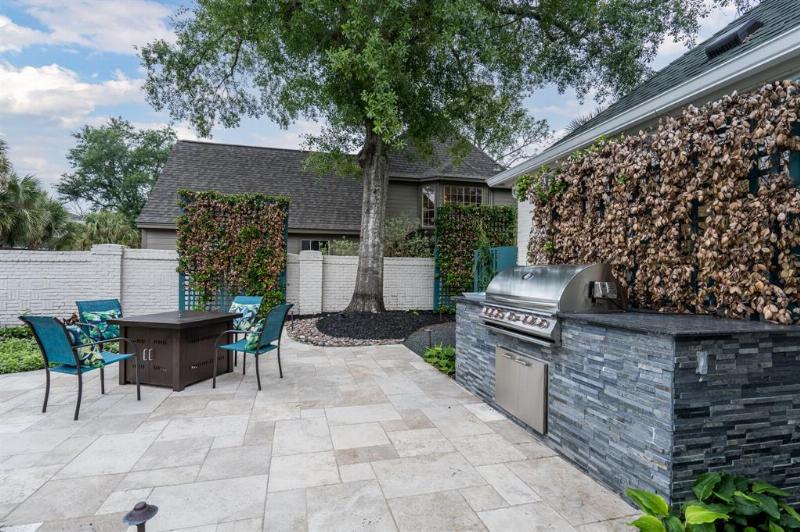
More Than Just a Door — It's the Foundation of Your Outdoor Kitchen
When you step into any well-designed outdoor kitchen, access doors might not be the first thing you notice — but they're absolutely essential. These doors give you reach to your cooking tools, storage compartments, and built-in appliances. Without the right ones, even the most stunning outdoor setup becomes frustrating to use.
There are a wide variety of handles, hinges, and door styles built specifically for outdoor kitchen cabinetry. The choice you make affects durability, appearance, and the overall function of your space for years to come.
"The right access door doesn't just open and close — it quietly defines the quality and longevity of your entire outdoor kitchen."
Designers, homeowners upgrading outdoor kitchens, and appliance manufacturers most often choose stainless steel for access doors. It has a clean, upscale appearance that integrates beautifully with custom cabinetry and modern appliances. It's also easier to clean than most alternatives and helps add lasting value to any outdoor cooking space.
Stainless Steel
The most widely used material for outdoor kitchen access doors. Stainless steel delivers a clean, professional look that pairs perfectly with built-in grills and appliances. It's easy to clean, resistant to rust, and holds up across every season.
Most PopularWood
Wood gives outdoor kitchens a natural warmth and visual character. The final appearance depends heavily on the wood species selected. It must be maintained regularly — treated, sealed, and refinished as needed — to prevent rot, warping, and weather damage over time.
Requires MaintenanceHigh-Density Polymer (HDPE)
HDPE outdoor doors are fully weatherproof and built for longevity in tough outdoor environments. They resist UV exposure, moisture, and everyday wear. Low maintenance and ideal for weekend adventurers or vacation properties, these doors are growing in popularity for good reason.
Weather-ProofAluminum Composite
Lightweight yet tough, aluminum composite doors are a versatile outdoor option. They're a solid solution that can be used in many ways across different outdoor kitchen designs and cabinet configurations.
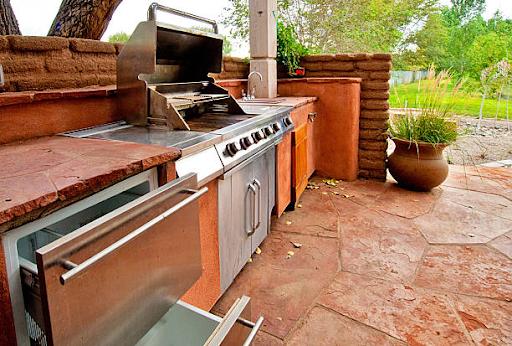
VersatileStainless steel is the most common material for outdoor kitchen doors — and for good reason. It fits effortlessly with custom-built appliances and cabinetry, has a refined finish that can be brushed, mirrored, or textured, and can handle years of outdoor exposure with minimal upkeep.
Even among stainless steel options, there's variety. Finishes may include brushed textures, powder-coated surfaces, and varying thicknesses. The material that best suits your environment will depend on your location, your exposure to salt air, and how much maintenance you're willing to invest.
Pros
- Integrates seamlessly with built-in grills and appliances
- Wide range of styles, finishes, and hinge configurations
- Easy to wipe clean after cooking sessions
- Resists corrosion in most outdoor climates
- Adds real value and polish to any outdoor kitchen build
Cons
- Higher price point than polymer or painted alternatives
- Can show fingerprints on polished finishes
- May require buffing in extreme salt-air environments
Wood brings undeniable charm to outdoor kitchens. It creates a warm, organic visual tone that no metal or polymer can fully replicate. That said, wood in outdoor environments demands consistent attention. You'll want to treat the wood before installation, seal it properly, and revisit it seasonally to ensure it doesn't warp, crack, or rot with exposure to the elements.
When selecting wood species, consider your climate. Hardwoods like teak and ipe naturally resist moisture and insects better than softer varieties. The right species paired with a high-quality sealant can give you years of beautiful, low-worry performance outdoors.
Pros
- Warm, natural aesthetic unlike any other material
- Many species to choose from based on climate and preference
- Can be stained or painted to match your design vision
- Timeless appearance that adds character to outdoor spaces
Cons
- Requires regular sealing and treatment to maintain integrity
- Vulnerable to warping, rot, and insect damage if neglected
- Not ideal for extremely wet or humid outdoor climates
If you're looking for a door material that genuinely requires almost no maintenance, HDPE is worth serious consideration. These polymer doors are engineered to withstand sun, rain, humidity, and temperature swings without fading, warping, or cracking. They come in a range of colors — typically with a 5-color catalogue — and offer a clean, contemporary look that suits modern outdoor kitchens well.
HDPE is particularly popular for second homes, rentals, and high-traffic outdoor kitchens where the expectation is beauty without ongoing upkeep. The material is fully recycled-content eligible, making it an environmentally responsible choice as well.
Pros
- Fully weatherproof — won't rot, rust, or warp
- UV-resistant surface that won't fade under sun exposure
- Extremely low maintenance — just wipe clean
- Available in multiple color options
- Ideal for high-use or unmaintained outdoor spaces
Cons
- May look less premium than stainless steel in high-end builds
- Heavier than aluminum options in some configurations
- Fewer custom size or finish options than metal alternatives
Smart Buyer Tips
Match Your Material to the Climate
Coastal climates demand higher-grade stainless or HDPE to resist salt corrosion. Inland, drier climates give you more flexibility with wood and standard steel.
Consider Door Direction & Hinge Placement
Think about which way your door will swing before you buy. Left-hand or right-hand hinges, and whether the door drops down or swings open, affects how usable your cabinet space becomes.
Handles Matter More Than You Think
A handle takes more abuse than any other part of an access door. Look for solid stainless bar pulls that are bolted through the door — not just surface mounted. Butterfly hinges offer reliable durability for outdoor applications.
Don't Forget a Protective Seal or Cover
Even the most weather-resistant doors benefit from a quality outdoor cover when the kitchen isn't in use. This extends the life of your doors, hardware, and everything stored inside.
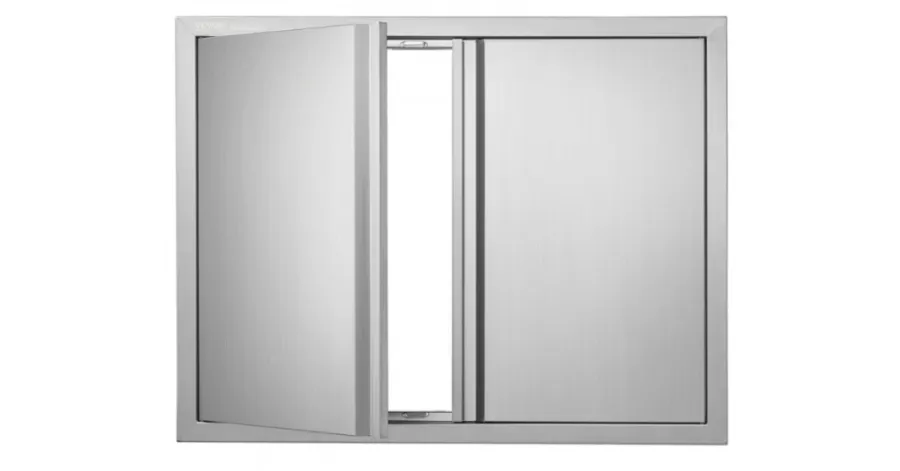
A premium, vented dual-door solution from Bull Grills — purpose-built for outdoor kitchens. Stainless steel construction, generous access opening, and a refined finish that integrates seamlessly into any built-in outdoor setup.
Bull Grills 30" Double Access DoorsAccess doors are a detail that quietly defines the overall quality of an outdoor kitchen. Choose well and they'll function smoothly, look sharp, and weather whatever the seasons bring. Choose poorly and they'll frustrate you every time you reach for a spatula or search for your grill brush.
When in doubt, prioritize durability over aesthetics — a well-built stainless or HDPE door will outlast a beautiful but fragile alternative every time. That said, the best outdoor kitchens don't compromise on either. With the right product, you get both.
Explore the access door options available at Backyard Provider, and find the fit that completes your outdoor cooking space. Whether you're building from scratch or upgrading an existing setup, the right door is out there — and it makes more difference than you'd expect.