
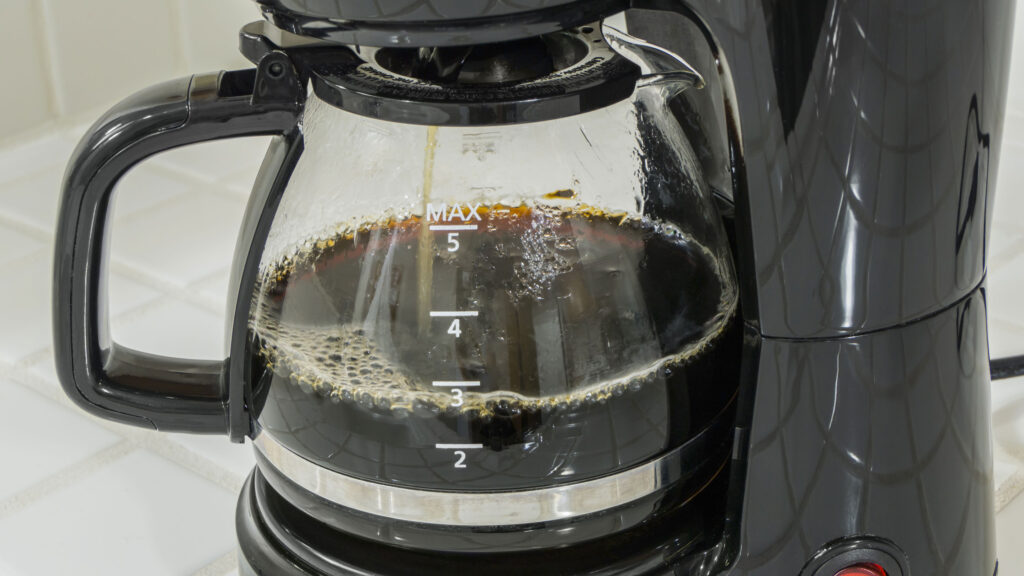
Chances are, when someone mentions their morning cup of coffee, they're talking about drip coffee. It stands as the most beloved brewing method across households worldwide, and for good reason—it delivers consistent, flavorful results with minimal effort.
The process couldn't be simpler: hot water passes through ground coffee beans held in a filter, dripping slowly into a carafe below. This straightforward approach extracts rich flavors while leaving behind the bitter compounds that can overwhelm other brewing methods.
Modern drip coffee machines have refined this technique, offering precise temperature control and programmable features that make your morning routine effortless. Whether you prefer a bold wake-up call or a smooth afternoon pick-me-up, mastering drip coffee opens the door to exceptional home brewing.
☕ Sippable Fact
Drip coffee traces its origins to early 20th century America, when Melitta Bentz invented the paper coffee filter in 1908. Her simple innovation transformed coffee brewing forever, eliminating the grounds and sediment that plagued earlier methods. Today, Americans consume over 400 million cups of drip coffee daily—making it the undisputed champion of brewing techniques.
Essential Equipment
Creating exceptional drip coffee requires the right tools. Understanding your equipment options helps you select the perfect setup for your brewing preferences and lifestyle.
Automatic Drip Coffee Makers
Automatic drip brewers handle the entire process—heating water, distributing it evenly over grounds, and collecting the finished brew. These machines come in various configurations to match different needs.
Carafe Brewers
Traditional pot-style machines brew directly into a glass or thermal carafe. Glass carafes sit on a warming plate to maintain temperature, while thermal versions retain heat without additional energy. Consider how quickly you consume your coffee—thermal carafes preserve flavor better over time, while warming plates can gradually make coffee taste bitter.
High-Volume Brewers
For offices, gatherings, or serious coffee enthusiasts, commercial-grade brewers deliver larger quantities without sacrificing quality. These machines feature rapid brewing cycles, superior temperature stability, and durable construction designed for frequent use.
Key Features to Consider
Capacity: How many cups do you need? Sizes range from compact 4-cup models to large 14-cup machines. Programmability: Wake up to fresh coffee with timer functions. Brew Strength: Adjustable settings let you customize intensity. Build Quality: Stainless steel components outlast plastic alternatives.
Coffee Filters
Your filter choice significantly impacts the final cup. Each type offers distinct advantages depending on your flavor preferences and environmental priorities.
Paper Filters
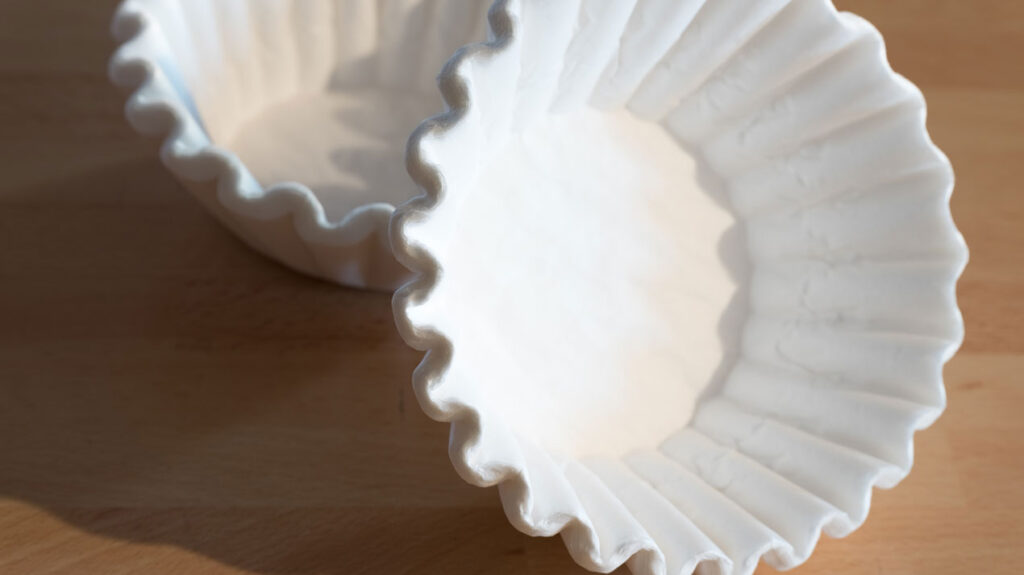
Disposable paper filters trap oils and fine sediment, producing an exceptionally clean, bright cup. They come in bleached (white) and unbleached (brown) varieties. Unbleached filters may impart a subtle papery taste if not rinsed before use. The convenience of single-use filters appeals to many brewers, though environmental considerations have shifted some toward reusable options.
Metal Filters
Permanent metal mesh filters allow more oils to pass through, resulting in a fuller-bodied brew with richer mouthfeel. Fine sediment may reach your cup, which some coffee lovers appreciate for added complexity. Metal filters eliminate ongoing filter costs and reduce waste—simply rinse after each use. Gold-plated versions resist corrosion and flavor transfer.
Coffee Grinders
Freshly ground beans transform your drip coffee experience. Coffee begins losing flavor within minutes of grinding, so investing in a quality grinder pays dividends in every cup.
Blade Grinders
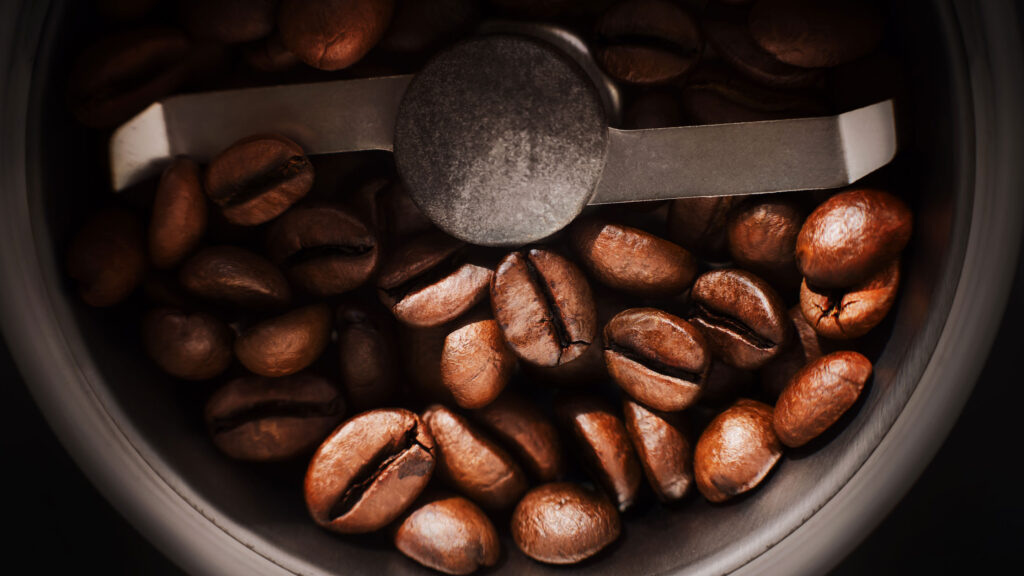
Affordable and compact, blade grinders use spinning blades to chop beans. The tradeoff comes in consistency—particles vary in size, leading to uneven extraction. Pulse grinding and shaking the unit helps achieve more uniform results. These work well for casual coffee drinkers on a budget.
Burr Grinders
The serious coffee enthusiast's choice, burr grinders crush beans between two abrasive surfaces at a set distance. This produces remarkably consistent particle sizes for even extraction. Conical and flat burr designs each have devoted followings. While pricier than blade options, the improvement in cup quality justifies the investment for dedicated brewers.
How to Grind Coffee Beans
Grind size directly correlates with extraction time and flavor profile. Different brewing methods require specific particle sizes to achieve optimal results. Using the wrong grind leads to over-extraction (bitter, harsh flavors) or under-extraction (weak, sour notes).
Selecting Your Grind Size
| Brewing Method | Recommended Grind |
|---|---|
| French Press | Coarse (like sea salt) |
| Cold Brew | Coarse |
| Drip Coffee Maker | Medium (like kosher salt) |
| Pour Over | Medium-Fine |
| Espresso | Fine (like table salt) |
| Turkish Coffee | Extra Fine (like powder) |
Grind Size and Flavor
Think of grind size as controlling water flow. Coarser grounds create larger channels for water to pass through quickly, requiring longer steep times. Finer grounds slow water flow, extracting flavors rapidly. For drip coffee, medium grind hits the sweet spot—allowing proper contact time as water drips through the filter bed.
How to Make Drip Coffee
Brewing exceptional drip coffee involves more than pressing a button. While automatic machines simplify the process, understanding each step helps you fine-tune results to match your preferences perfectly.
☕ Sippable Fact
The ideal brewing temperature sits between 195°F and 205°F (90°C–96°C). Water below this range fails to extract coffee's full flavor potential, while hotter water pulls bitter compounds from the grounds. Quality drip machines maintain this precise temperature throughout the brewing cycle.
Step-by-Step Brewing Guide
Start with Fresh, Quality Water
Coffee is 98% water, so quality matters enormously. Use filtered water free from chlorine and mineral buildup. Fill your reservoir with cold, fresh water—never use previously boiled or hot tap water.
Measure Your Coffee Grounds
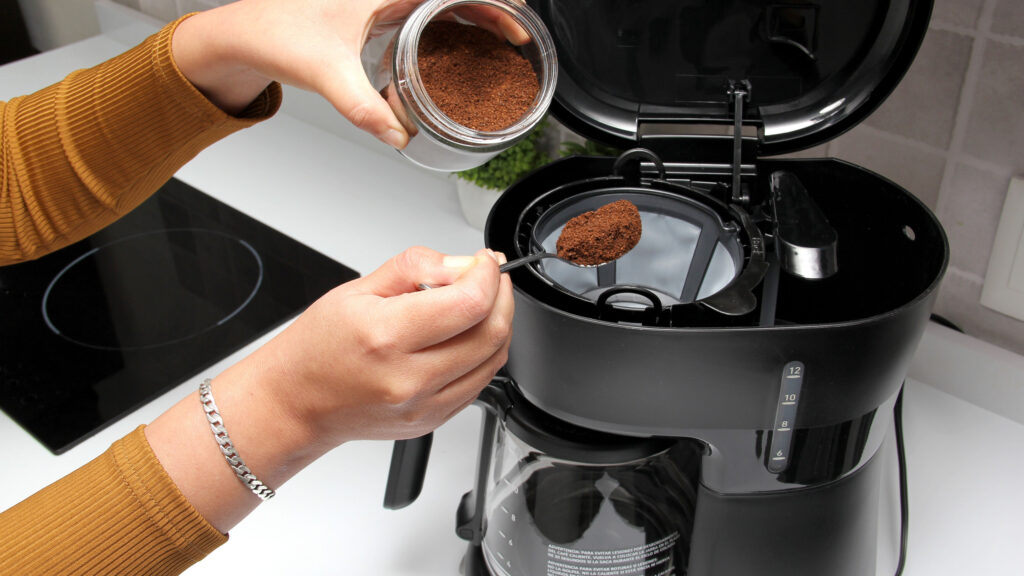
The standard ratio runs approximately 2 tablespoons (10-12 grams) per 6 ounces of water. Adjust to taste—more grounds yield stronger coffee, fewer create a lighter brew. Consistency matters more than exact measurements, so find your preferred ratio and stick with it.
Prepare Your Filter
If using paper filters, consider rinsing with hot water first. This removes any papery taste and preheats the brewing chamber. Place grounds evenly in the filter—a level bed promotes uniform extraction.
Brew and Enjoy
Start your machine and let the magic happen. Most brews complete within 4-6 minutes. Once finished, pour immediately for best flavor—coffee left on a warming plate deteriorates quickly. For thermal carafes, your coffee stays fresh longer without additional heat.
How to Clean a Drip Coffee Maker
Regular cleaning extends your machine's lifespan and ensures every cup tastes its best. Mineral deposits, coffee oils, and residue accumulate over time, affecting both flavor and performance.
Daily Maintenance
After each brew, discard used grounds and rinse the filter basket thoroughly. Wash the carafe with warm, soapy water—glass carafes especially benefit from immediate cleaning to prevent staining. Wipe down exterior surfaces and leave the lid open to air dry, preventing moisture buildup that encourages mold growth.
Monthly Deep Cleaning
Descale your machine monthly, or more frequently in hard water areas. Mix equal parts white vinegar and water, fill the reservoir, and run a brewing cycle. Follow with two to three cycles of plain water to flush any vinegar residue. Some machines feature dedicated cleaning modes—consult your manual for specific instructions. Commercial descaling solutions offer an alternative for those who dislike the vinegar method.
Pro Tip
Notice your coffee brewing slower than usual? Mineral buildup is likely restricting water flow. A thorough descaling should restore normal operation. If brewing speed doesn't improve, check your filter basket for clogs or consider whether your machine needs professional servicing.
Brew Excellence Every Morning
Discover our premium selection of drip coffee makers, designed to bring café-quality brewing into your home or office.
Bunn AXIOM-15-3 Coffee Brewer