
Gravel Bike Geometry Explained
Find the Right Fit for Your Ride
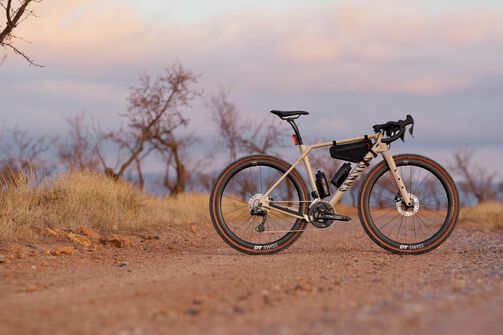
Gravel bikes have revolutionized the cycling world by bridging the gap between road racing machines and rugged mountain bikes. These versatile two-wheelers are designed to handle everything from smooth tarmac to loose gravel paths, forest trails, and everything in between. But what truly separates a great gravel bike from an average one often comes down to geometry.
Understanding bike geometry might seem overwhelming at first, but grasping these fundamental concepts will help you select a bike that matches your riding style perfectly. Whether you're tackling century rides on mixed terrain or exploring backcountry routes, the right geometry makes all the difference in comfort, control, and performance.
This comprehensive guide breaks down every essential geometry measurement, explaining what each number means and how it affects your riding experience. By the end, you'll have the knowledge to confidently choose a gravel bike that fits your body and ambitions.
Key Points to Remember:
Geometry determines how a bike handles, fits, and performs. The measurements work together as a system, so changing one aspect affects everything else. Focus on finding a balanced setup that suits your primary riding conditions rather than chasing extreme specifications.
A Brief History of Gravel Riding
The gravel cycling movement traces its roots back to the American Midwest, where cyclists discovered that unpaved county roads offered incredible riding opportunities away from traffic. Events like the Dirty Kanza (now Unbound Gravel) emerged in the early 2000s, attracting riders who craved adventure beyond conventional road cycling.
Initially, riders modified cyclocross bikes or used touring frames to tackle these mixed-surface adventures. Manufacturers noticed the growing demand and began developing purpose-built gravel machines with geometry specifically optimized for long days on varied terrain.
Today, gravel cycling has evolved into one of the fastest-growing segments of the cycling industry. Modern gravel bikes feature refined geometry that balances stability, comfort, and speed in ways that neither road nor mountain bikes can match.
Gravel Bike Geometry Explained
Bike geometry refers to the collection of measurements that define a frame's dimensions and angles. These numbers determine everything from how comfortable you'll feel during an all-day adventure to how confidently the bike handles technical descents. Understanding these measurements helps you compare bikes and find the perfect match for your riding style.
How Do I Know the Right Seat Tube Length for My Gravel Bike?
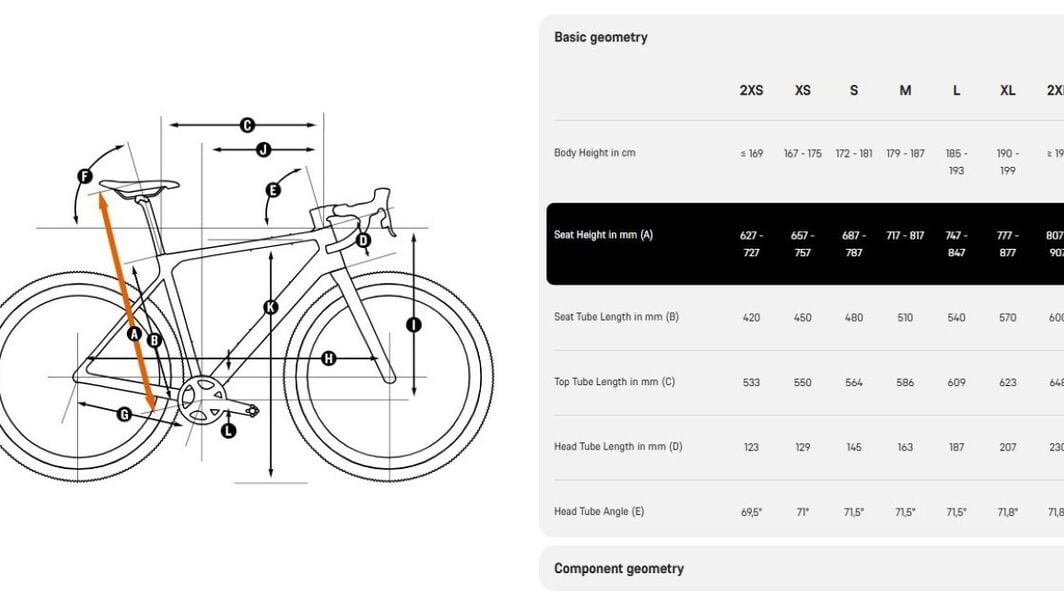
The seat tube length measures from the center of the bottom bracket to the top of the seat tube, where your seatpost enters the frame. This measurement plays a crucial role in determining your overall fit and influences how much seatpost you'll need to expose to achieve proper leg extension.
Getting the right seat tube length ensures you can position your saddle at the optimal height without running out of seatpost adjustment range. Too short, and you might need an excessively long seatpost that flexes uncomfortably. Too long, and you won't be able to lower the saddle enough for proper fit.
Your inseam measurement provides the starting point for determining appropriate seat tube length. Most manufacturers provide sizing charts that correlate inseam measurements with recommended frame sizes, though individual proportions and flexibility also influence the ideal choice.
What Seat Tube Length Do I Need for a Steeper Seatpost?
Gravel bikes typically feature seat tube angles between 72 and 74 degrees. A steeper angle positions you more forward over the pedals, which can improve power transfer and climbing efficiency. However, steeper angles also affect how the seat tube length translates to actual saddle position.
When considering a frame with a steeper seat tube angle, you may find that a slightly smaller size provides better overall fit. The forward saddle position compensates for the reduced reach that might otherwise feel cramped. Testing different configurations helps identify the sweet spot.
Do I Need to Think About My Gravel Bike's Standover Height?
Standover height measures the distance from the ground to the top tube when the bike stands upright. This measurement matters for practical reasons—you need adequate clearance to comfortably straddle your bike when stopped, especially important in off-road situations where you might need to dismount suddenly.
Gravel bikes often feature sloping top tubes that increase standover clearance compared to traditional road frames. This design choice proves particularly valuable when navigating technical terrain where dismounting happens frequently. Aim for at least two inches of clearance between your body and the top tube when standing flat-footed.
Why Is Reach Important for Gravel Bikers?
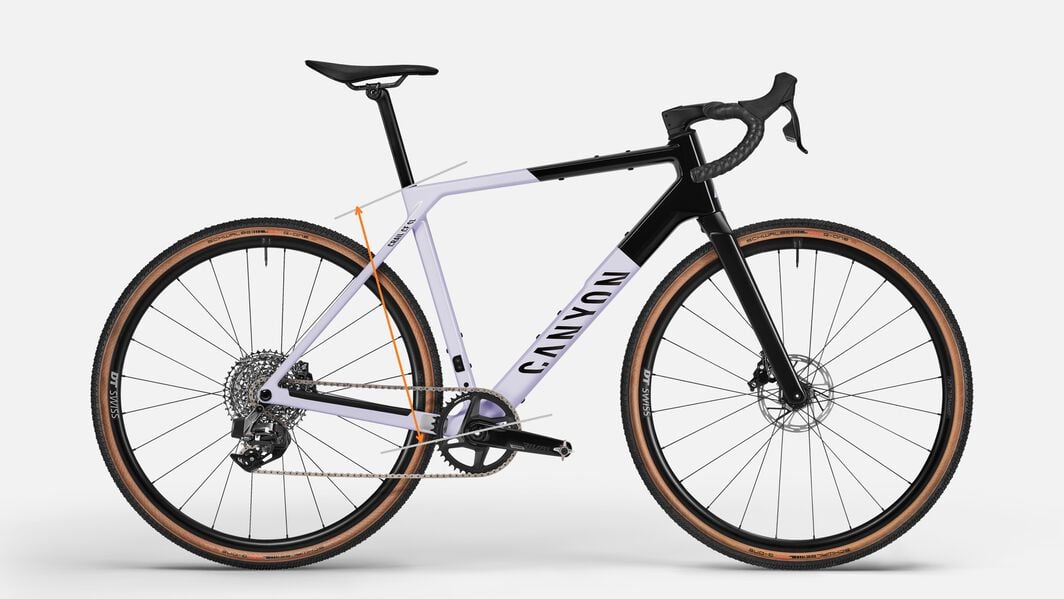
Reach has become the primary measurement for comparing frame sizes across different manufacturers. It measures the horizontal distance from the bottom bracket center to the top of the head tube, providing a consistent reference point regardless of seat tube angle or head tube length variations.
For gravel riders, reach significantly influences your riding position and handling characteristics. A longer reach creates a more stretched-out position that improves aerodynamics and weight distribution for fast riding. A shorter reach keeps you more upright, enhancing control and reducing strain during long adventures.
What Is Reach?
Reach represents the horizontal component of the line from the bottom bracket to the head tube top. Unlike top tube length, which varies depending on seat tube and head tube angles, reach provides an angle-independent measurement that makes comparing different frame designs straightforward. This standardized approach helps you identify frames with similar riding positions even when other geometry numbers differ significantly.
Why Is Stack Important for Gravel Bikes?
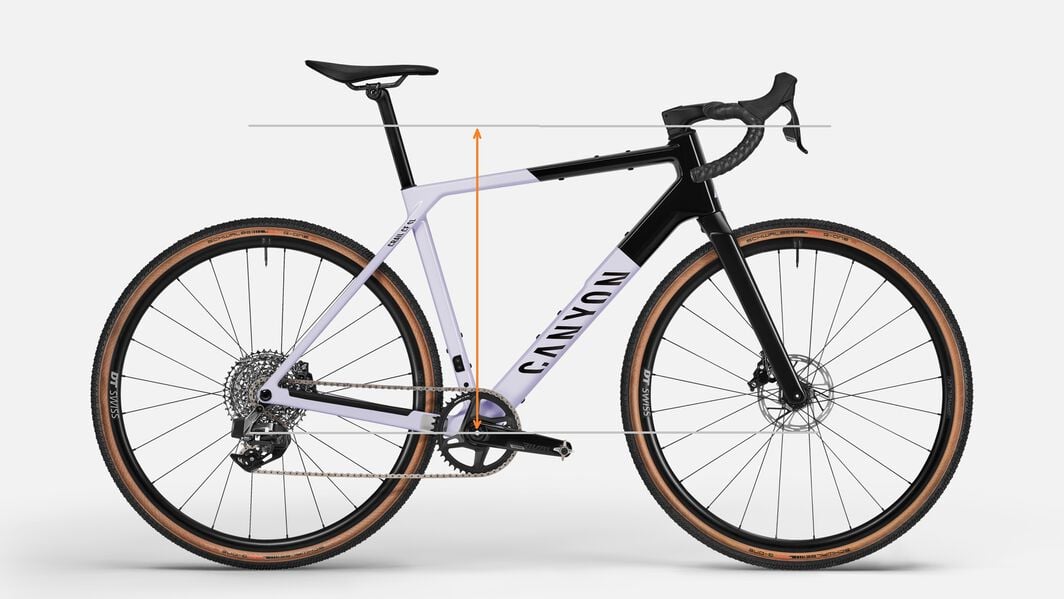
Stack measures the vertical distance from the bottom bracket center to the top of the head tube. This measurement determines your handlebar height relative to your saddle, directly affecting your upper body position and comfort during extended rides.
Higher stack values position your handlebars higher, creating a more upright riding posture that reduces strain on your lower back, neck, and shoulders. Most gravel bikes feature taller stack measurements compared to road bikes, acknowledging that comfort takes priority during multi-hour adventures on challenging terrain.
Does Stack Change Between Different Ride Styles of Cycling?
Absolutely. Racing-focused gravel bikes typically feature lower stack heights that put riders in more aggressive aerodynamic positions. Adventure-oriented models prioritize higher stacks for all-day comfort, while bikepacking-specific designs often maximize stack to accommodate loaded handling requirements.
Your flexibility, riding goals, and typical ride duration should guide your stack preferences. Riders planning shorter, faster events might prioritize lower stacks, while those embarking on multi-day adventures will appreciate the reduced fatigue that higher bars provide.
How Does Head Angle Affect How Your Gravel Bike Steers?
The head tube angle describes the steering axis inclination relative to the ground. This measurement profoundly influences handling characteristics, determining how quickly and responsively your bike reacts to steering inputs.
Gravel bikes typically feature head angles between 70 and 72 degrees—slacker than road bikes but steeper than mountain bikes. This middle-ground approach balances responsive handling for pavement sections with stability for loose surfaces and technical descents.
What Do Slack and Steep Mean?
These terms describe the head tube angle orientation. A slack angle tilts the fork more toward horizontal (lower degree number), increasing trail and making the steering feel more stable but slower to respond. This configuration excels on rough, loose terrain where predictability matters most.
A steep angle tilts the fork more toward vertical (higher degree number), reducing trail and creating quicker, more responsive steering. This setup suits smooth surfaces and riders who prioritize nimble handling over outright stability.
Why Is Wheelbase Important for Gravel Bikes?
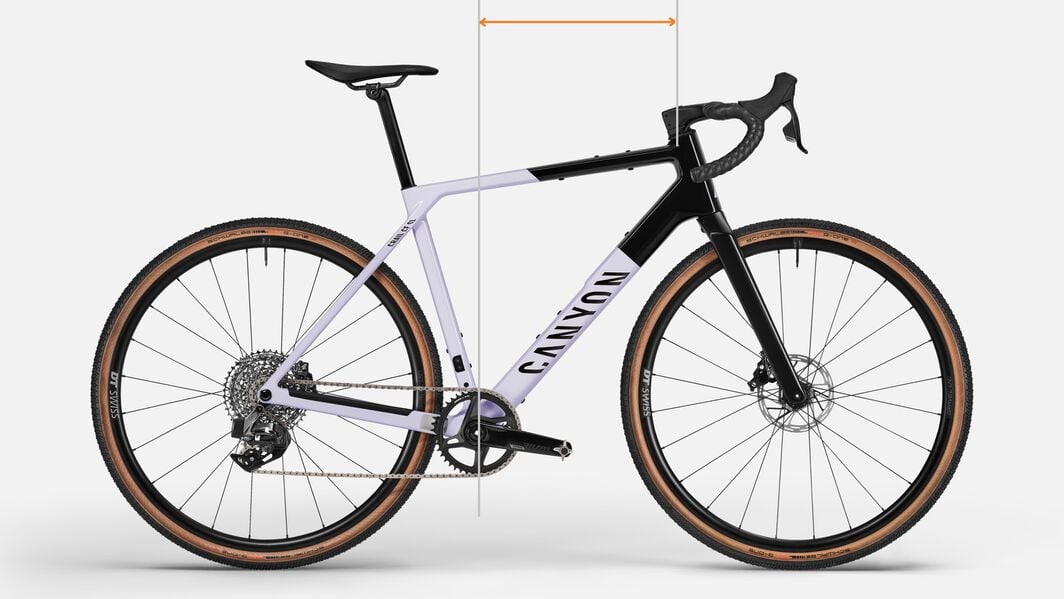
Wheelbase measures the distance between your front and rear wheel axles. This fundamental dimension affects stability, handling characteristics, and your bike's ability to absorb bumps and rough terrain.
Longer wheelbases provide greater stability, particularly at higher speeds and on rough surfaces. The extended platform also accommodates frame bags and bikepacking gear more easily. However, longer bikes require more effort to maneuver through tight spaces and technical switchbacks.
Shorter wheelbases create more agile handling and quicker direction changes. These bikes feel sportier and more responsive but may feel nervous on high-speed descents or loose gravel. Your intended terrain and riding style should guide your wheelbase preferences.
Do I Need to Worry About My Bottom Bracket Height?
Bottom bracket height (or drop) influences both your center of gravity and pedal clearance. Lower positions improve stability and cornering confidence by keeping your weight closer to the ground. Higher positions provide more clearance for obstacles but can feel less planted in corners.
Gravel bikes generally feature bottom bracket heights that balance these competing priorities. Most designs sit between road bikes (lower) and mountain bikes (higher), offering adequate clearance for mixed terrain while maintaining confident handling characteristics. Unless you're planning extremely technical riding, this measurement rarely requires specific attention.
Which Gravel Bike Is Right for Me?
Selecting the ideal gravel bike starts with understanding your primary riding intentions. Consider whether you'll spend more time on pavement or dirt, how long your typical rides will be, and whether you plan to race, tour, or simply explore. Your answers will guide you toward geometry that matches your needs.
Race-focused geometry features lower stack, longer reach, and steeper angles for aggressive positioning and responsive handling. Adventure geometry prioritizes comfort with taller stacks, shorter reaches, and slacker angles that remain stable over long distances. Many bikes fall between these extremes, offering versatile performance across diverse conditions.
The best approach combines research with real-world testing. Use geometry charts to narrow your options, then ride as many candidates as possible. Trust how a bike feels beneath you—the numbers guide your search, but your body makes the final decision.
Ready to Find Your Perfect Gravel Bike?
Discover exceptional gravel performance with geometry designed for versatile adventure riding.
Cervelo Aspero GRX RX610Understanding geometry empowers you to make informed decisions about your next gravel bike. Take your time, compare options, and choose the frame that matches your unique riding aspirations.