

Gravel bikes have surged in popularity over recent years, becoming one of the most versatile and sought-after bicycle categories on the market. But what exactly makes a gravel bike different from a traditional road bike or a rugged mountain bike? Understanding these distinctions can help you choose the perfect ride for your adventures.
Whether you dream of conquering unpaved trails, exploring scenic backroads, or simply want a bike that handles multiple terrains with ease, gravel bikes offer an incredible blend of speed, comfort, and capability that bridges the gap between road cycling and off-road exploration.

What Exactly Is a Gravel Bike?
A gravel bike is essentially a drop-bar bicycle engineered to perform admirably on varied surfaces, from smooth asphalt to loose gravel paths, dirt roads, and light singletrack trails. Think of it as the Swiss Army knife of the cycling world — adaptable, reliable, and ready for whatever terrain lies ahead.
These bikes combine the efficient riding position and speed of a road bike with enhanced stability, wider tire clearance, and more relaxed geometry suited for extended adventures on unpredictable surfaces. The result is a machine that excels at mixed-terrain riding without compromising too heavily in any single area.
Gravel Bike Frame Geometry
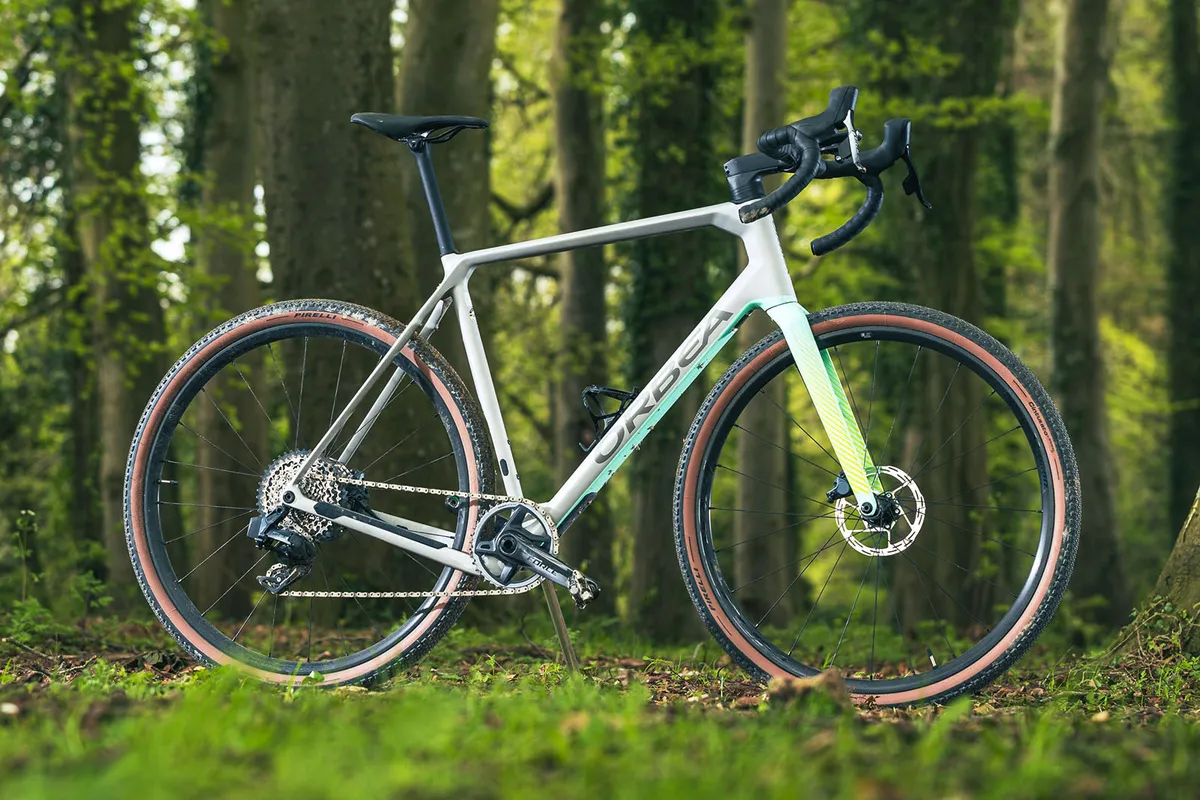
The geometry of a gravel bike strikes a careful balance between aggressive road positioning and comfortable endurance riding. Compared to road bikes, gravel frames typically feature a slacker head tube angle, longer wheelbase, and lower bottom bracket, all contributing to greater stability when navigating rough or loose terrain.
The stack height is generally taller and reach shorter than pure road machines, placing riders in a more upright position that reduces strain during long days in the saddle. This geometry allows confident descending on technical sections while still maintaining efficiency on paved stretches.
Tire Clearance and Options
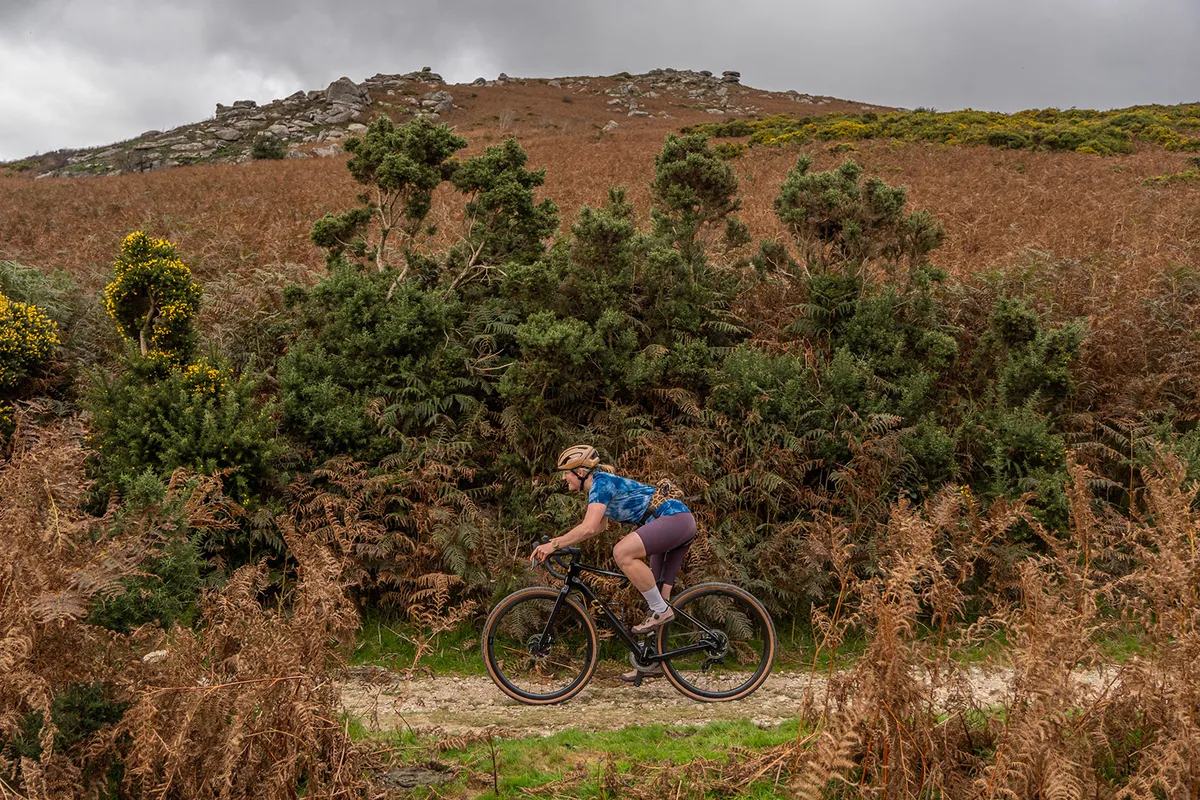
One of the defining characteristics of gravel bikes is their generous tire clearance. While road bikes typically accommodate tires between 23mm and 32mm wide, gravel bikes can often fit tires ranging from 35mm up to 50mm or even wider, depending on the frame design.
This expanded clearance opens up tremendous versatility. Riders can mount narrower, faster-rolling tires for road-focused rides or swap to wider, more heavily treaded rubber for tackling challenging off-road conditions. The ability to customize your tire setup based on planned terrain makes gravel bikes incredibly adaptable to different riding scenarios.

Gearing Systems
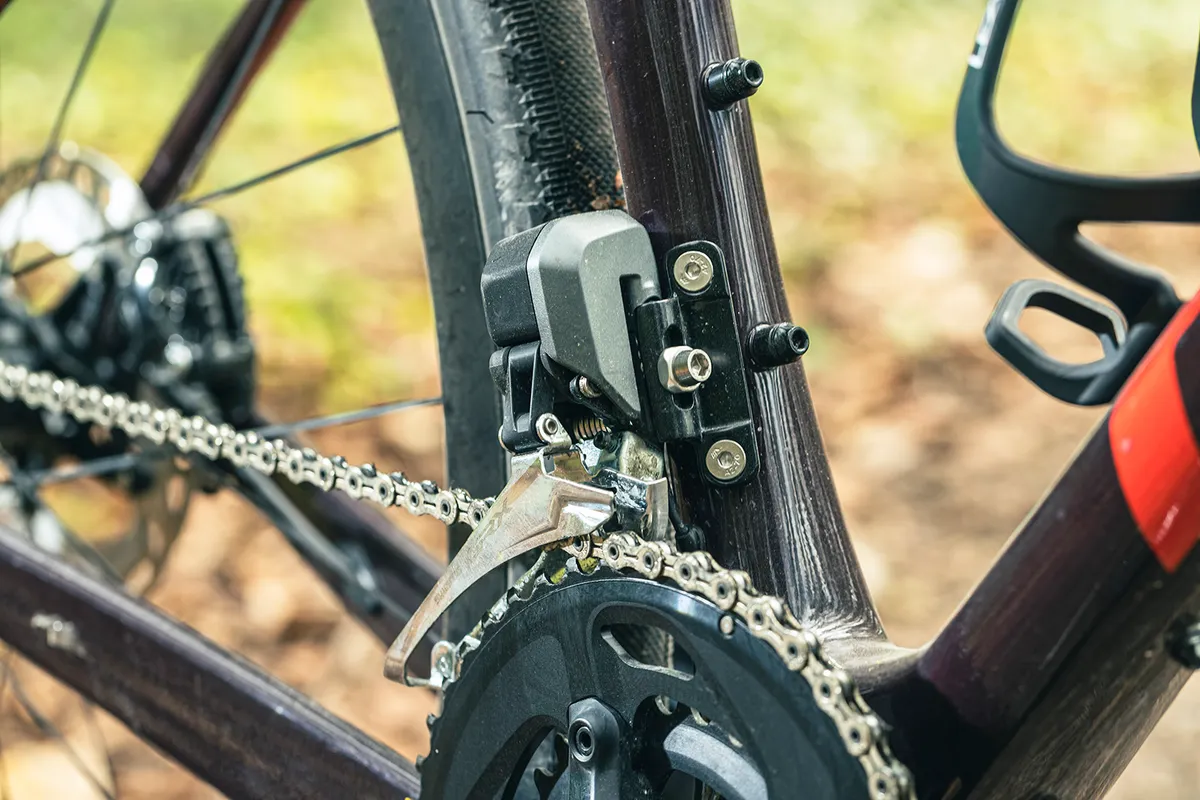
Gravel bikes typically feature lower gearing ratios compared to road bikes, providing easier pedaling when climbing steep grades or pushing through loose surfaces where momentum is harder to maintain. Many modern gravel bikes utilize 1x drivetrains with a single front chainring paired with a wide-range rear cassette.
This simplified setup reduces mechanical complexity, eliminates front derailleur issues, and provides a cleaner aesthetic. However, some riders prefer 2x systems for the broader gear range they offer, particularly useful for those who split their riding between roads and trails or tackle extreme elevation changes.
Braking Performance
Disc brakes have become the universal standard for gravel bikes, offering superior stopping power and consistent performance regardless of weather conditions or rim contamination from mud and grit. Unlike traditional rim brakes, disc systems maintain their effectiveness when surfaces are wet or debris-covered.
Hydraulic disc brakes provide the best modulation and power with minimal lever effort, while mechanical disc brakes offer easier maintenance and lower cost. Either option delivers confident braking that inspires trust when descending technical terrain at speed.
Gravel Bike vs Road Bike
Road bikes are purpose-built for speed and efficiency on paved surfaces. They feature aggressive geometry that positions riders aerodynamically, narrow tires with minimal rolling resistance, and tight component tolerances optimized for smooth tarmac. On pavement, a road bike will generally outperform a gravel bike in terms of pure speed.
However, road bikes struggle significantly when surfaces deteriorate. Their narrow tires and stiff frames transmit every bump directly to the rider, and the aggressive positioning becomes uncomfortable over long distances. Gravel bikes sacrifice some pavement speed for dramatically improved capability on imperfect surfaces, making them the superior choice for riders who encounter varied terrain.
Gravel Bike vs Mountain Bike
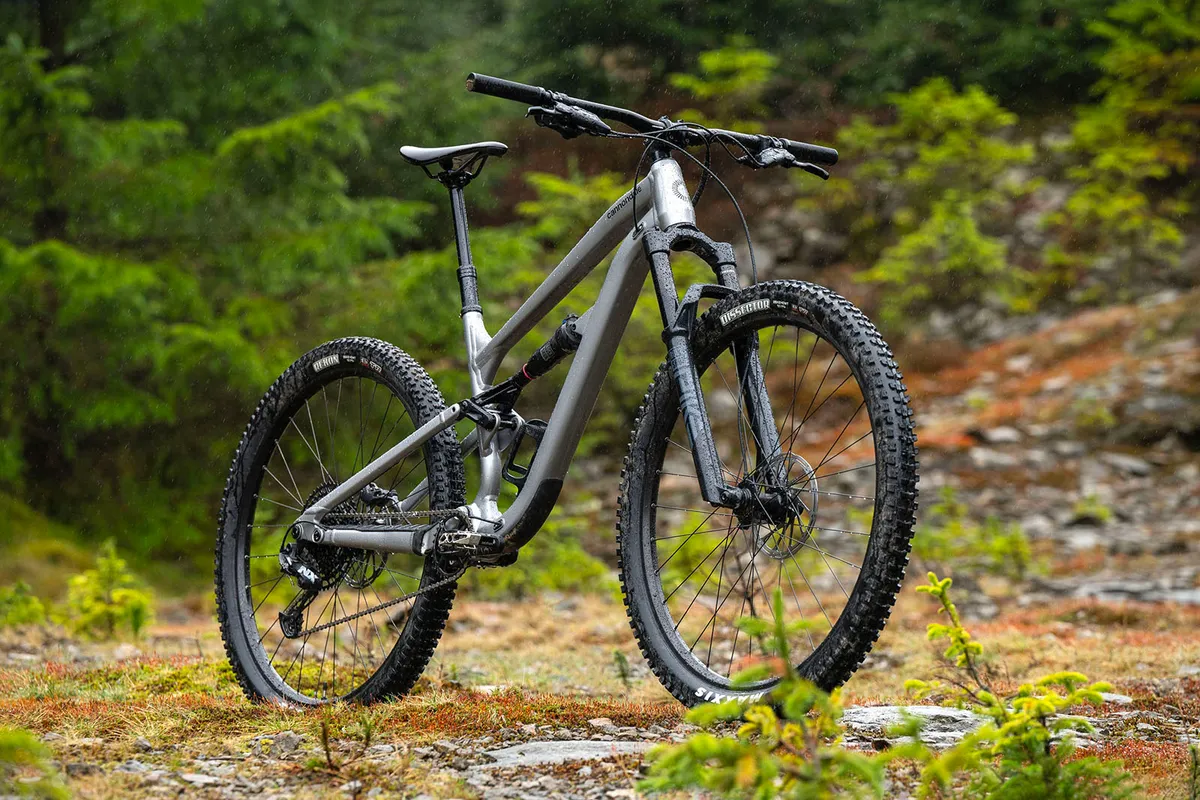
Mountain bikes represent the opposite end of the spectrum from road bikes. Built for technical off-road terrain, they feature flat handlebars, suspension systems, extremely wide tires with aggressive tread patterns, and geometry designed for steep descents and technical climbing. On gnarly singletrack, a mountain bike reigns supreme.
The tradeoff is efficiency on smoother surfaces. Mountain bikes are noticeably slower on pavement and hardpacked trails due to their heavier weight, wider tires, and upright riding position. Gravel bikes occupy the middle ground, capable of handling light to moderate off-road terrain while remaining efficient and enjoyable on roads, making them ideal for riders who want one bike to do it all.
Who Should Consider a Gravel Bike?
Gravel bikes appeal to an incredibly wide range of cyclists. Adventure seekers who love exploring backroads and discovering new routes will appreciate the freedom to venture beyond paved paths. Commuters dealing with varied urban surfaces benefit from the stability and comfort gravel bikes provide.
Bikepacking enthusiasts find gravel bikes ideal for multi-day adventures thanks to their numerous mounting points for bags and gear. Even racers have embraced the gravel scene, with dedicated gravel events growing rapidly worldwide. If versatility matters more than specialization, a gravel bike might be your perfect companion.
The Verdict
Gravel bikes represent a thoughtful evolution in bicycle design, borrowing the best attributes from road and mountain bikes while carving out their own distinct identity. They offer a compelling proposition for riders who refuse to be limited by terrain type or surface conditions.
While dedicated road bikes will always be faster on smooth pavement and mountain bikes will always dominate technical trails, gravel bikes deliver remarkable performance across the entire spectrum of riding conditions. For the cyclist seeking one versatile machine capable of handling whatever adventures await, a gravel bike delivers exceptional value and endless possibilities.
Ready to Start Your Gravel Adventure?
Discover premium gravel bikes engineered for performance, comfort, and versatility across every terrain.
Cervelo Aspero GRX RX610