
Have you ever wondered why gravel bikes feel so different from road bikes or mountain bikes? The answer lies in a fascinating aspect of bicycle design that many riders overlook: frame geometry. The specific measurements and angles that define a bike's frame have a profound impact on how comfortable, stable, and capable it feels beneath you.
The hidden magic of gravel bikes comes down to their geometry—the carefully calculated measurements and angles that shape the frame. These specifications dictate everything from how the bike responds to your steering inputs to how fatigued you feel after hours in the saddle. Whether you're conquering steep gravel climbs or cruising along bumpy backroads, frame geometry determines your riding experience in ways both subtle and significant.
In this comprehensive guide, we'll explore the fundamentals of bike geometry, examine how gravel bikes differ from their road and mountain counterparts, and highlight the key measurements every rider should understand. By the end, you'll have the knowledge to select a gravel bike that perfectly matches your riding style and the terrain you love to explore.
What Exactly Is Bike Geometry?
Bike geometry refers to the collection of measurements and angles that define the shape and proportions of a bicycle frame. These numbers determine far more than aesthetics—they establish how a bike handles, how comfortable it feels, and how efficiently it transfers your pedaling power to forward motion.
The key measurements include the lengths and angles of critical components: the top tube, down tube, head tube, and chainstays, along with specifications like reach, stack, and wheelbase. Each element plays a specific role in the bike's overall character and performance.
Different geometry configurations produce distinctly different riding experiences. A longer, slacker geometry creates stability and confidence at high speeds, while shorter, steeper angles deliver quick, responsive handling. Understanding these relationships helps you choose a bike that matches your riding intentions.
Gravel Bike vs Road Bike vs Mountain Bike: Geometry Compared
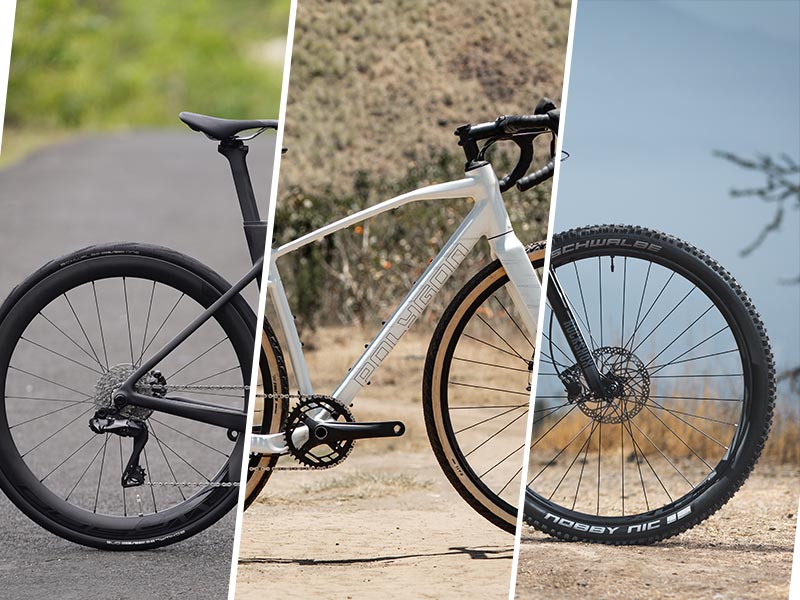
To truly appreciate gravel bike geometry, it helps to see how it compares to road bikes and mountain bikes. Each type occupies a distinct position on the spectrum of cycling design, optimized for its intended terrain and riding style.
| Geometry Aspect | Gravel Bike | Road Bike | Mountain Bike |
|---|---|---|---|
| Top Tube Length | Medium to long for balanced comfort | Shorter for aggressive positioning | Shorter for maneuverability |
| Head Tube Angle | Slacker (70-72°) for stability | Steeper (73-75°) for quick handling | Slackest (63-68°) for descents |
| Reach | Moderate for all-day comfort | Longer for aerodynamic position | Shorter for upright stance |
| Chainstay Length | Longer for tire clearance | Short and responsive | Variable by discipline |
| Wheelbase | Longer for stability on loose terrain | Shorter for nimble handling | Longest for rough terrain |
| Tire Clearance | Wide (up to 50mm) | Narrow (23-32mm) | Widest (2.2"+) |
Why Every Geometry Aspect Matters for Gravel Riding
Each geometry measurement serves a specific purpose in creating a gravel bike that excels on varied terrain. Understanding these elements helps you make an informed choice when selecting your next adventure machine.
Top Tube & Reach
A medium-to-long top tube paired with balanced reach creates a cockpit that supports extended riding without cramping your position. This allows riders to maintain a relaxed posture that reduces fatigue during long-distance adventures while still providing efficient power transfer.
Head Tube Angle
The slacker head tube angle found on gravel bikes slows steering response slightly, providing enhanced stability on loose surfaces. This prevents the nervous, twitchy handling that would make rough terrain exhausting and potentially dangerous at speed.
Chainstay Length
Longer chainstays improve rear wheel traction and create space for wider tires. They also shift the rider's weight distribution for better climbing stability on steep, loose surfaces where maintaining grip is essential for forward progress.
Wheelbase
A longer wheelbase contributes to straight-line stability and absorbs terrain irregularities more smoothly. This helps maintain control when rolling over rocks, ruts, and washboard surfaces at speed, keeping the rider confident and in command.
Tire Clearance
Generous tire clearance is essential for gravel riding versatility. Running wider tires at lower pressures dramatically improves comfort and grip, transforming how the bike handles everything from smooth fire roads to technical singletrack.
Stack Height
Gravel bikes typically feature taller stack heights than road bikes, positioning the handlebars higher relative to the bottom bracket. This creates a more upright, comfortable riding position that reduces strain during multi-hour rides.

Common Mistakes When Choosing Gravel Bike Geometry
Selecting the right gravel bike can feel overwhelming, especially for those new to the category. Here are some frequent missteps that riders make and how you can avoid them.
Choosing Overly Aggressive or Relaxed Geometry
Some riders select race-oriented bikes with aggressive positioning when they actually need all-day comfort, while others choose bikes so upright they sacrifice efficiency. Consider honestly how and where you'll actually ride before committing.
Ignoring Tire Clearance Requirements
Gravel riding often involves rough, unpredictable surfaces where wider tires make an enormous difference. Choosing a frame with limited tire clearance restricts your ability to use wider tires that provide better grip and comfort when conditions demand them.
Overlooking Reach and Stack Measurements
These measurements directly determine your riding position, comfort, and control. A bike that looks right based on traditional sizing may still fit poorly if the reach and stack don't match your body proportions and flexibility.
Prioritizing Aesthetics Over Function
It's tempting to select a bike because it looks fantastic, but geometry ultimately determines how it performs. The most beautiful bike in the shop becomes a disappointment if its geometry doesn't suit your riding style and intended use.
Quick Reference: Key Measurements to Know
Head Tube Angle
70-72° for gravel stability
Tire Clearance
40-50mm recommended
Wheelbase
1000-1050mm typical range
Chainstay
420-445mm for versatility
Final Thoughts
Understanding gravel bike geometry is fundamental to finding a bike that feels like an extension of your body on every type of terrain. The unique combination of angles, lengths, and clearances makes gravel bikes remarkably versatile machines capable of handling everything from smooth pavement to rugged backroads.
By paying attention to geometry specifications like reach, head tube angle, and wheelbase, you can select a gravel bike that matches your riding style and the terrain you want to explore. This knowledge helps you avoid common pitfalls and ensures your investment delivers years of comfortable, confident riding.
Ready to experience the difference that thoughtful geometry makes? Explore our selection of premium gravel bikes designed for riders who demand performance, comfort, and versatility on every adventure.
Featured Gravel Bike
Experience precision engineering and exceptional ride quality with our featured gravel machine.
Cervelo Aspero GRX RX610