
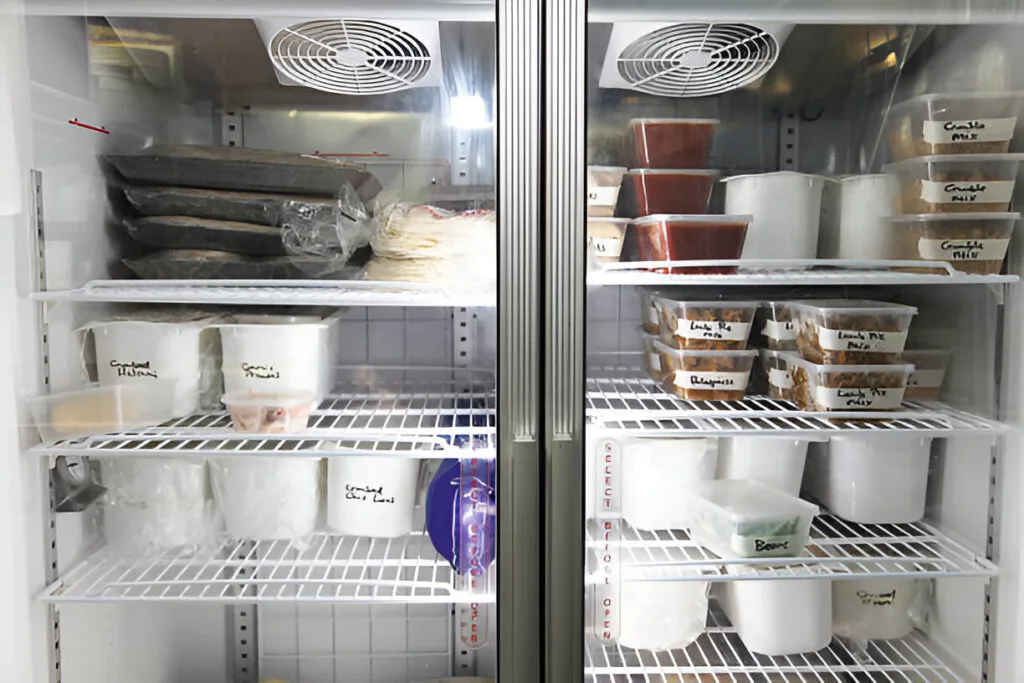
Commercial reach-in refrigerators represent an essential investment for any food service operation. Whether you're outfitting a restaurant kitchen, stocking a convenience store, or managing a catering business, selecting the right refrigeration unit can significantly impact your operational efficiency and food safety standards.
This comprehensive guide walks you through every consideration—from understanding how these units function to choosing the perfect model for your specific requirements. Get ready to make an informed decision that serves your business for years to come.
What Exactly is a Reach-In Refrigerator?
A reach-in refrigerator is a commercial-grade cooling appliance specifically engineered for quick and convenient access to stored food items and beverages. Unlike residential refrigerators, these professional units are constructed to withstand the demanding conditions of busy commercial environments.
These versatile units are commonly found in restaurants, cafeterias, hotels, convenience stores, and various institutional settings. Their upright design maximizes vertical storage space while maintaining a relatively compact footprint—making them ideal for locations where floor space comes at a premium.
Built with durability in mind, reach-in refrigerators feature heavy-duty components including stainless steel exteriors, reinforced shelving systems, and commercial-grade compressors designed for continuous operation.
How Does a Reach-In Refrigerator Function?
Reach-in refrigerators operate using a vapor compression refrigeration cycle—the same fundamental principle found in most cooling systems. A refrigerant circulates through the system, absorbing heat from inside the cabinet and releasing it externally, thereby maintaining consistently cold interior temperatures.
The refrigeration cycle involves four main components working in harmony: the compressor pressurizes the refrigerant, the condenser releases absorbed heat, the expansion valve reduces pressure, and the evaporator absorbs heat from the storage compartment.
Modern units incorporate digital thermostats for precise temperature control, automatic defrost systems to prevent ice accumulation, and advanced humidity management to keep produce fresh longer. Many contemporary models also feature self-diagnostic capabilities that alert operators to potential maintenance issues before they become serious problems.
What Are the Different Reach-In Refrigerator Types?
Reach-in refrigerators come in several configurations to accommodate different storage requirements and space constraints. Understanding these variations helps you select the most appropriate option for your operation.
Single Door Refrigerator
Compact units offering 20-30 cubic feet of storage capacity. Perfect for smaller establishments, prep stations, or as supplementary storage.
Best for: Small kitchens, bakeries, supplementary storage needs
Double Door Refrigerator
Mid-range capacity units providing 40-55 cubic feet of interior space. These models balance storage volume with accessible footprints.
Best for: Medium-sized restaurants, convenience stores, catering operations
Triple Door Refrigerator
High-capacity models exceeding 70 cubic feet of storage. Designed for high-volume operations requiring substantial inventory management.
Best for: Large restaurants, institutional kitchens, supermarkets
What Temperature Should a Reach-In Refrigerator Maintain?
Commercial reach-in refrigerators typically maintain interior temperatures between 33°F and 40°F (0.5°C to 4.4°C). This temperature range is critical for food safety, effectively slowing bacterial growth while preventing freezing of fresh ingredients.
Health codes generally require commercial refrigeration to maintain temperatures at or below 40°F. However, many experienced food service operators prefer keeping their units closer to 36°F-38°F, providing an additional safety margin while still preserving optimal food quality.
Pro Tip: Position a secondary thermometer inside your unit to independently verify temperatures. Digital models with external displays allow quick checks without opening doors and compromising cold air retention.
Where Are Reach-In Refrigerators Commonly Used?
The versatility of reach-in refrigerators makes them suitable for numerous commercial applications. You'll find these essential units operating in:
Restaurants & Cafés
Bakeries & Delis
Convenience Stores
Hotels & Resorts
Supermarkets
Healthcare Facilities
Schools & Universities
Catering Companies
How Much Does a Reach-In Refrigerator Cost?
Commercial reach-in refrigerator pricing varies considerably based on size, features, construction quality, and brand reputation. Here's a general overview of what to expect across different categories:
| Configuration | Price Range | Best Suited For |
|---|---|---|
| Single Door | $1,200 - $3,500 | Small operations, auxiliary storage |
| Double Door | $2,500 - $6,000 | Medium-volume establishments |
| Triple Door | $3,500 - $10,000+ | High-capacity commercial use |
Premium models featuring advanced digital controls, energy-efficient compressors, and stainless steel construction command higher prices but often deliver better long-term value through reduced operating costs and extended service life.
What Factors Influence Refrigerator Efficiency?
Several design and operational factors determine how efficiently a reach-in refrigerator performs. Understanding these elements helps you select a unit that minimizes energy consumption while maximizing performance:
Insulation Quality: Superior insulation materials reduce thermal transfer, helping maintain stable temperatures with less compressor cycling. Look for units with thick polyurethane foam insulation throughout cabinet walls and doors.
Compressor Technology: Variable-speed compressors adjust output to match cooling demands, operating more efficiently than single-speed alternatives. Inverter-driven compressors represent the current gold standard.
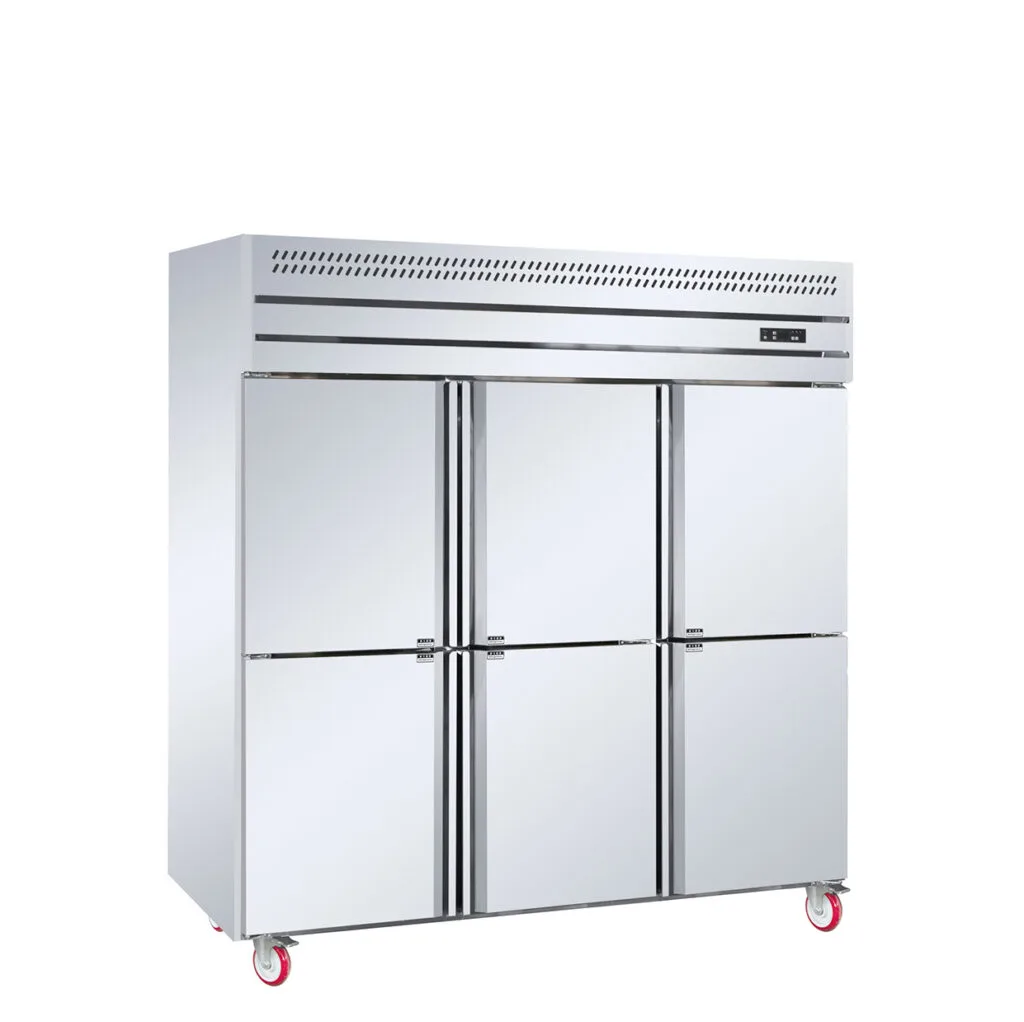
Door Design: Self-closing mechanisms and quality magnetic gaskets prevent cold air escape. Units with half-doors allow access to specific sections without exposing the entire cabinet.
Usage Patterns: Frequent door openings and extended open-door periods significantly impact efficiency. Proper organization and staff training can substantially reduce unnecessary cooling losses.
How Energy-Efficient Are Modern Reach-In Refrigerators?
Contemporary reach-in refrigerators have made remarkable strides in energy efficiency compared to older generations. Units bearing Energy Star certification can reduce energy consumption by 20-30% relative to standard models, translating to meaningful savings on utility bills.
Key efficiency technologies found in modern units include LED interior lighting, electronically commutated motors (ECMs) for evaporator fans, hot gas defrost systems, and intelligent controllers that optimize compressor cycles based on actual cooling requirements.
When evaluating energy efficiency, consider both the initial purchase price and projected operating costs over the unit's expected lifespan. A more expensive energy-efficient model often proves more economical when total cost of ownership is calculated.
How to Choose the Right Reach-In Refrigerator for Your Needs?
Selecting the ideal reach-in refrigerator requires careful consideration of several factors specific to your operation:
Capacity Requirements: Calculate your storage needs based on inventory volume, delivery frequency, and peak operational demands. Allow approximately 1-1.5 cubic feet per meal served during peak periods.
Available Space: Measure your installation location carefully, accounting for door swing clearance, ventilation requirements, and adjacent equipment spacing.
Door Configuration: Solid doors provide better insulation and energy efficiency. Glass doors offer product visibility—ideal for retail environments but less efficient for back-of-house storage.
Temperature Requirements: Ensure the unit can maintain temperatures appropriate for your specific products. Some items require colder storage than others.
Warranty & Support: Prioritize manufacturers offering comprehensive warranties and readily available service support. Commercial refrigeration downtime can prove extremely costly.
Walk-In vs. Reach-In Refrigerator: Understanding the Differences
Both walk-in and reach-in refrigerators serve essential roles in commercial food storage, but they address fundamentally different requirements:
| Feature | Walk-In Refrigerator | Reach-In Refrigerator |
|---|---|---|
| Size | Room-sized, walk-through access | Upright cabinet design |
| Capacity | Large bulk storage | Moderate organized storage |
| Installation | Requires dedicated space, permanent | Freestanding, portable |
| Access | Step inside for retrieval | Quick external reach access |
| Best Use | High-volume bulk inventory | Prep areas, service stations |
Many operations benefit from utilizing both types: walk-ins for primary bulk storage and reach-ins positioned strategically near prep stations for convenient daily access to frequently used items.
Final Thoughts
Investing in the right reach-in refrigerator is a decision that impacts your operation's efficiency, food safety compliance, and bottom line for years to come. By understanding the various configurations, efficiency factors, and selection criteria outlined in this guide, you're well-equipped to make a choice that aligns perfectly with your business requirements.
Consider your current needs while anticipating future growth. A slightly larger or more feature-rich unit purchased today may prove far more economical than replacing an undersized unit in a few years. Quality commercial refrigeration represents a long-term investment—choose wisely, and it will serve your operation reliably for a decade or more.
This guide is provided for informational purposes. Always consult with refrigeration professionals for specific installation requirements and local code compliance.