
What You'll Discover
In this comprehensive guide, we cover what reach-in freezers are and why they matter, the key advantages of owning one, how these appliances operate, and essential maintenance tips to maximize performance and longevity.
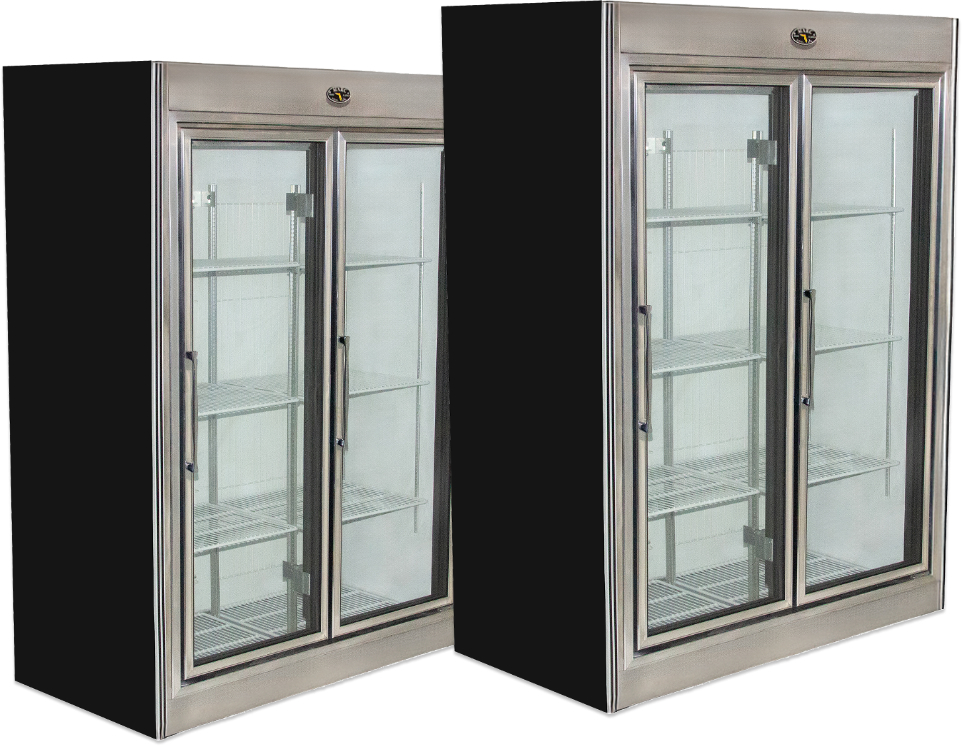
What Exactly Is a Reach-In Freezer?
A reach-in freezer is a vertically designed, freestanding refrigeration unit that delivers instant access to frozen goods. These powerful appliances are typically positioned in kitchen areas or behind service counters, enabling quick retrieval by staff without disrupting workflow. Unlike walk-in units designed for bulk storage, reach-in models offer a compact footprint while still meeting substantial capacity requirements.
Engineered for dependable commercial-level freezing, these units deliver precise temperature management and consistent airflow distribution. They come in single, double, or triple door configurations, allowing them to adapt to various spatial constraints while addressing diverse storage demands. Constructed from premium stainless steel, each unit satisfies the rigorous durability and hygiene standards expected in food service environments.
Popular applications include storing frozen proteins, vegetables, ice cream, desserts, and pre-portioned meals. The thoughtful design promotes easy access, streamlined organization, and efficient retrieval—qualities that make these freezers invaluable in any serious culinary setup.
Key Advantages of Owning a Reach-In Freezer
1. Convenient Access
Reach-in freezers provide effortless access to frozen inventory. Staff can quickly locate ingredients thanks to adjustable shelving and intuitive interior layouts, significantly cutting down on meal preparation delays and minimizing time spent searching for items.
2. Optimized Footprint
When compared to walk-in alternatives, reach-in freezers occupy substantially less floor space while still delivering impressive storage volume. Their vertical orientation makes them perfect for kitchens, outdoor prep areas, or any location where square footage is limited.
3. Reliable Temperature Stability
Sophisticated temperature regulation systems ensure cold air circulates uniformly throughout the cabinet interior. This consistency keeps all stored items at ideal freezing temperatures, preventing freezer burn and preserving food quality over extended periods.
4. Lower Energy Consumption
Contemporary reach-in models feature eco-conscious refrigerants and high-efficiency compressors. These technological improvements translate to reduced electricity usage and lower utility expenses without compromising freezing performance.
5. Built to Last
Commercial reach-in freezers are manufactured to endure demanding conditions. Stainless steel construction on both interior and exterior surfaces resists corrosion and wear, ensuring years of dependable service even with heavy daily use.
6. Adaptable Applications
From restaurants and catering operations to bakeries and research facilities, reach-in freezers serve countless industries. Any setting requiring consistent sub-zero storage can benefit from the flexibility and reliability these units provide.
7. Simplified Upkeep
Removable shelving, accessible condenser units, and intuitive digital controls make routine cleaning and maintenance straightforward. This user-friendly design minimizes service disruptions and keeps operating costs manageable.
Understanding the Cooling Process
Knowing how your freezer operates helps you maximize its potential and properly maintain it. Reach-in freezers utilize a closed refrigeration loop to extract warmth from the interior and expel it externally, maintaining consistent sub-zero conditions. Here's the step-by-step breakdown:
Compression Phase: The cycle begins when the compressor pressurizes refrigerant gas, raising its temperature significantly.
Condensation Phase: Hot, pressurized gas flows through condenser coils (usually at the unit's rear or bottom), where it releases heat to the surrounding environment and transforms into a high-pressure liquid.
Expansion Phase: The liquid refrigerant passes through an expansion valve, causing a rapid pressure drop and substantial temperature reduction.
Evaporation Phase: Cold refrigerant enters the evaporator coils inside the freezer compartment. As warm interior air passes over these coils, the refrigerant absorbs the heat and converts back to gas.
Air Distribution: Internal fans continuously circulate chilled air throughout the cabinet, ensuring every shelf receives uniform cooling.
Thermostat Control: Built-in sensors monitor interior temperature and automatically engage or disengage the compressor to maintain your desired settings.
Essential Maintenance Practices
Properly maintained freezers deliver better performance, consume less energy, and enjoy longer operational lifespans. Follow these professional recommendations to keep your reach-in freezer running at peak efficiency:
Routine Surface Cleaning
Wipe down interior and exterior surfaces regularly using mild detergent and warm water. Steer clear of harsh chemicals that could damage stainless steel finishes. Give extra attention to door seals where debris accumulates and can compromise the thermal seal.
Inspect Door Gaskets
Examine door seals frequently for cracks, warping, or wear. Compromised gaskets allow cold air to escape, forcing the compressor to work harder and driving up energy costs. Replace deteriorating seals promptly.
Maintain Adequate Airflow
Resist the temptation to overload shelves. Overcrowding restricts air circulation and creates temperature inconsistencies. Keep vents unobstructed and allow space between items for optimal cold air distribution.
Monitor Temperature Readings
Use the integrated digital thermostat to verify consistent temperatures. Most frozen foods require storage at -18°C (0°F) or colder. Document readings periodically to catch potential issues before they escalate.
Defrost When Required
While many modern units feature automatic defrost cycles, some frost accumulation may still occur. Excessive ice buildup hampers cooling efficiency and increases power consumption—schedule manual defrosting if needed.
Schedule Professional Inspections
Arrange for certified technicians to examine coils, compressors, and refrigerant levels annually. Preventive servicing identifies minor problems before they develop into expensive repairs.
Clean Condenser Coils
Dust and grease accumulation on condenser coils forces the compressor to strain harder, reducing efficiency and shortening component lifespan. Use a soft brush or vacuum attachment to clean coils every few months.
Final Thoughts
For any commercial kitchen or outdoor entertainment space, a quality reach-in freezer represents a smart investment in accessibility and operational efficiency. These units safeguard food integrity while streamlining your daily workflow, whether you're running a restaurant, catering business, or hosting backyard gatherings.
When you choose a dependable cold storage solution, you're investing in equipment that ensures only properly preserved, high-quality products make it to your guests or customers. Explore our selection and discover the perfect freezer for your needs.