
Every successful commercial kitchen depends on reliable cold storage. A reach-in freezer is the backbone of food preservation in restaurants, bakeries, cafeterias, and catering operations. Unlike bulky walk-in units, reach-in freezers deliver powerful freezing capacity in a compact, accessible form factor that fits seamlessly into your kitchen workflow. Whether you are stocking up for a busy weekend or organizing ingredients for daily prep, the right reach-in freezer keeps everything frozen solid and within arm's reach.
In today's fast-paced food service industry, efficiency matters more than ever. A quality commercial reach-in freezer doesn't just store food — it protects your investment in ingredients, helps maintain consistent food safety standards, and reduces waste. With energy costs climbing in 2026, choosing a freezer that balances performance with efficiency can save your operation thousands of dollars annually.
This guide walks you through everything you need to know about commercial reach-in freezers — from understanding different types and configurations to selecting the right model for your specific kitchen needs. Whether you're outfitting a new restaurant or upgrading aging equipment, you'll find practical, actionable advice right here.
A Guide to Commercial Freezer Reach-In Types and Configurations
Commercial reach-in freezers come in several distinct styles, each designed for specific kitchen environments and storage needs. Understanding these variations helps you make a smarter purchasing decision.
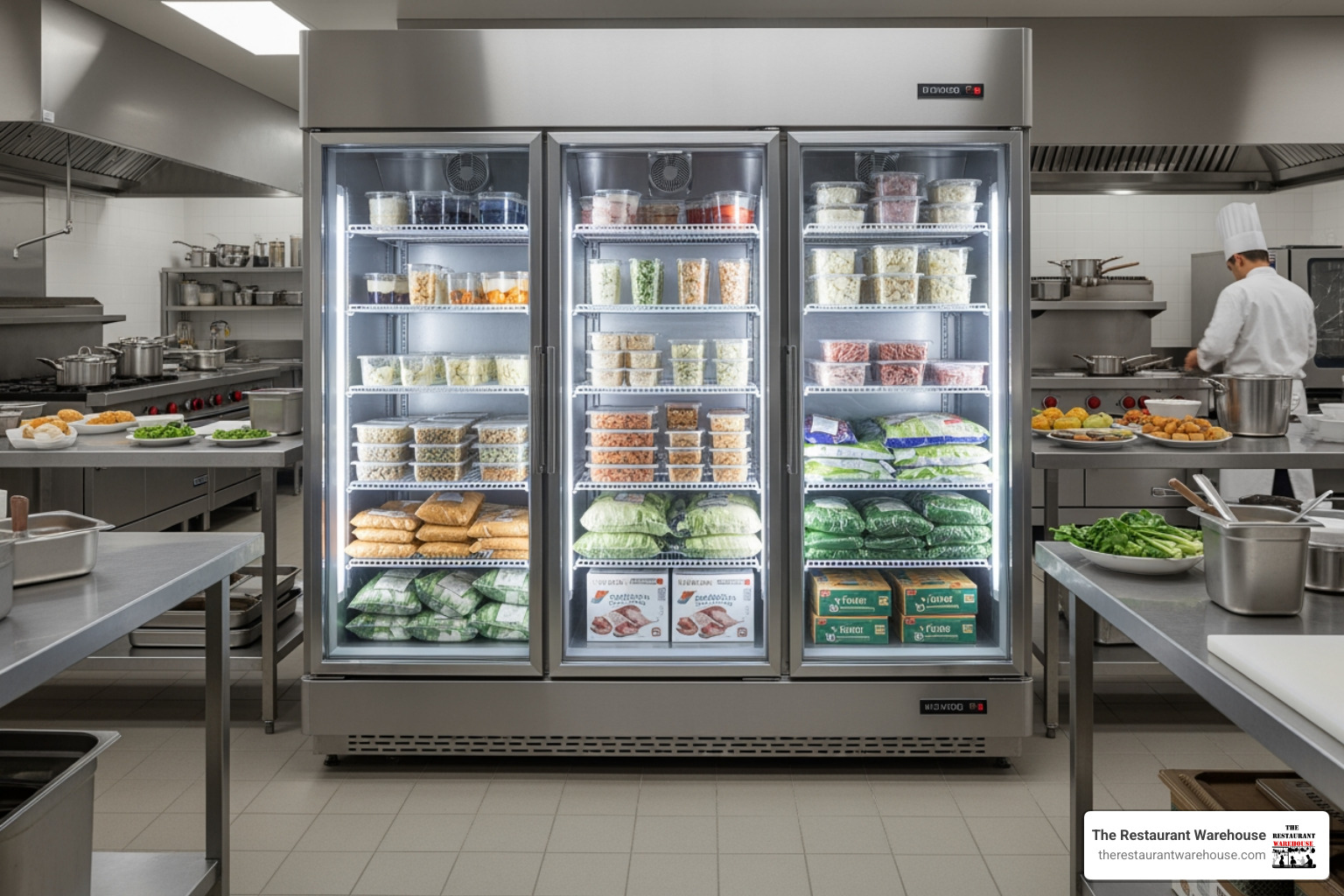
Single-door models are ideal for smaller operations — coffee shops, food trucks, or prep stations — where space is limited but reliable freezing is non-negotiable. Double-door units offer a significant step up in capacity, serving mid-volume restaurants and bakeries that need organized storage across multiple shelves. For high-volume kitchens, triple-door or multi-section freezers provide maximum storage with the convenience of separate compartments for different food categories.
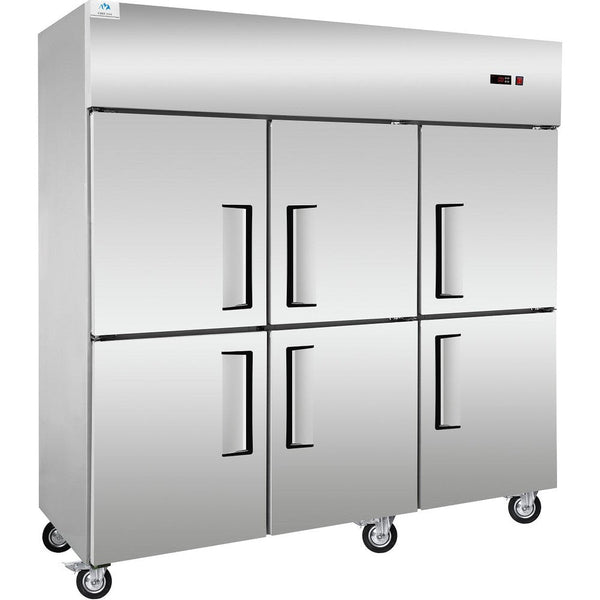
Half-door configurations have become increasingly popular because they minimize cold air loss when only a portion of the freezer needs to be accessed. Every time a full-size door opens, warm kitchen air floods in, forcing the compressor to work harder. Half-doors solve this problem elegantly, making them a smart choice for busy kitchens where the freezer is opened frequently throughout service.
Why a Reach-In Freezer Is a Kitchen Staple
Reach-in freezers have earned their place as essential kitchen equipment because they strike the perfect balance between capacity and convenience. Unlike walk-in freezers that require dedicated floor space and construction, reach-in units plug in and start working immediately. They fit alongside prep tables, cooking lines, and other equipment without demanding a kitchen redesign.
From a workflow perspective, reach-in freezers keep frequently used frozen items close to where they're needed. Line cooks can grab frozen proteins, pre-portioned sauces, or dessert components without leaving their station. This accessibility translates directly into faster ticket times and smoother service.
For health inspectors, a well-maintained reach-in freezer with accurate temperature controls demonstrates your commitment to food safety. Digital temperature displays, automatic defrost cycles, and door-ajar alarms all contribute to consistent, verifiable cold storage that satisfies regulatory requirements.
Comparing Your Freezer Reach-In Options
When shopping for a commercial reach-in freezer, you'll encounter a range of options that differ in size, door style, compressor placement, and price. Solid-door freezers are the standard workhorses — they offer superior insulation, maintain consistent temperatures, and cost less than their glass-door counterparts.
Glass-door freezers, on the other hand, excel in front-of-house or retail environments where product visibility drives sales. They allow staff and customers to see contents without opening the door, reducing cold air loss and improving merchandising.
Consider your kitchen layout, daily volume, and the types of products you store when comparing models. A high-volume pizzeria storing bulk dough needs different specifications than a fine-dining restaurant organizing delicate pastry components.
Other Refrigeration Units to Know
While reach-in freezers handle the bulk of daily frozen storage, a complete commercial kitchen often benefits from complementary refrigeration equipment. Undercounter freezers tuck beneath prep tables, providing quick access to high-turnover items without taking up vertical space. Chest freezers offer deep, open storage for bulk items and are incredibly energy-efficient because cold air naturally stays low when the lid opens.
Blast chillers and shock freezers serve a different purpose entirely — they rapidly bring cooked food from hot to frozen temperatures, locking in freshness and texture. Prep tables with built-in refrigerated compartments keep ingredients cold while providing a workspace on top. Understanding how each type of refrigeration fits into your operation ensures you invest wisely and cover all your cold storage needs.
Anatomy of a Commercial Freezer Reach-In: Key Features and Components
Understanding the components inside your reach-in freezer helps you make better buying decisions and troubleshoot issues faster. The compressor is the heart of the system — it circulates refrigerant through coils to extract heat from the cabinet interior. Top-mounted compressors keep the unit's mechanical components away from dust and grease at floor level, while bottom-mounted designs lower the center of gravity and make loading heavy items onto upper shelves easier.
Evaporator fans distribute cold air evenly throughout the cabinet, preventing warm spots that could compromise food safety. High-quality models use multiple fans and intelligently designed airflow channels to maintain uniform temperatures from top shelf to bottom.
The door gaskets create an airtight seal every time the door closes. Worn or damaged gaskets are one of the leading causes of freezer inefficiency — they let cold air escape and warm air enter, forcing the compressor to run overtime. Regularly inspecting and replacing gaskets is one of the simplest ways to extend the life of your freezer and keep energy costs down.
Shelving systems are another critical component. Adjustable, epoxy-coated wire shelves allow maximum airflow and can be repositioned to accommodate items of different heights. Stainless-steel shelves offer easier cleaning and a more premium feel, though they can restrict airflow slightly compared to wire alternatives.
Temperature Management: Top-Mount vs. Bottom-Mount
The placement of your freezer's compressor directly affects temperature performance and maintenance requirements. Top-mounted compressors benefit from cleaner, cooler air intake since they sit above the heat and debris generated at kitchen floor level. This typically results in longer compressor life and slightly better energy efficiency in hot kitchen environments.
Bottom-mounted compressors, however, provide easier access for maintenance technicians and keep heat-generating components away from the upper storage areas where temperature-sensitive items are often placed. They also make the top shelves slightly colder, which can be advantageous for certain storage configurations. The best choice depends on your kitchen's ambient temperature, ceiling height, and maintenance accessibility.
Door Styles and Configurations
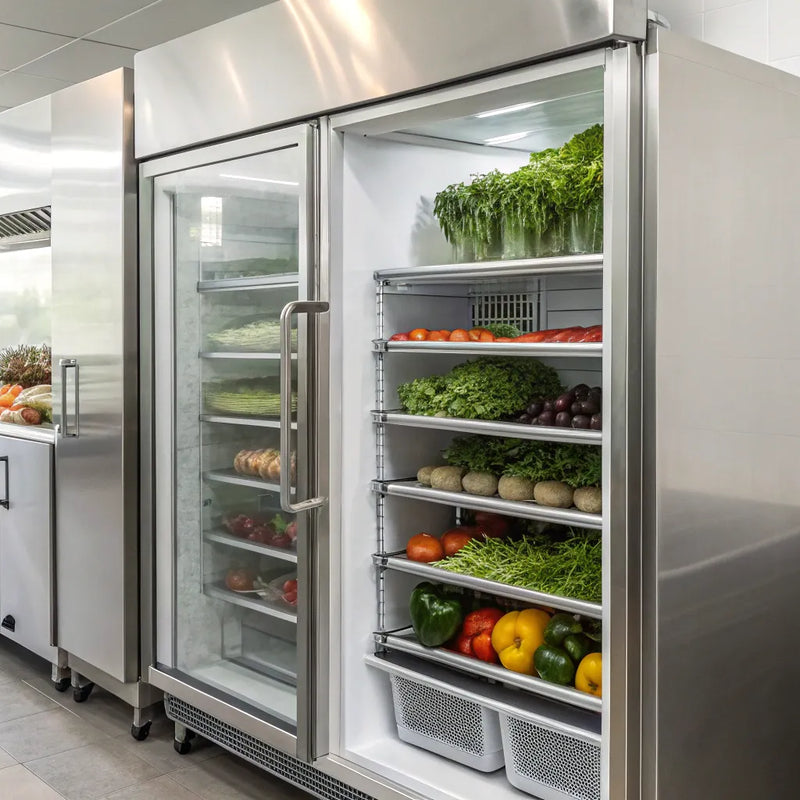
Door design plays a bigger role in freezer performance than most operators realize. Full-size solid doors offer maximum insulation and durability but expose the entire cabinet to warm air with every opening. Half-door designs cut that exposure roughly in half, making them the preferred choice for high-traffic kitchens.
Self-closing doors with spring-loaded hinges ensure the freezer seals properly even when kitchen staff are moving quickly during a rush. Doors that stay open past 90 degrees can be helpful during restocking, allowing hands-free loading without the door swinging shut. Look for models with field-reversible doors so you can adjust the swing direction to fit your kitchen layout after installation.
Recessed handles and flush-mount designs contribute to a streamlined kitchen aesthetic while reducing the chance of snagging aprons or towels during busy service. Every detail in door engineering contributes to both operational efficiency and the longevity of the unit.
Interior Stacking: The Key to Organization
How you organize your reach-in freezer directly impacts kitchen efficiency. A well-organized freezer reduces search time, minimizes door-open duration, and ensures proper first-in-first-out (FIFO) rotation of inventory. Group similar items together — proteins on one shelf, vegetables on another, prepared components on a third.
Use clear, durable labels on every container with both the product name and date. Stackable, rectangular containers maximize shelf space far more effectively than round containers or irregularly shaped bags. Leaving adequate space between items allows cold air to circulate properly, maintaining even temperatures throughout the cabinet.
Adjustable shelving is crucial for adapting to changing inventory needs. During holidays or special events, you may need to reconfigure shelf heights to accommodate larger items like whole turkeys, sheet cakes, or bulk ice cream tubs. Shelving that adjusts without tools makes this process quick and painless.
Essential Modern Features
Today's commercial reach-in freezers come loaded with features that previous generations of kitchen operators could only dream about. Digital temperature controllers offer precise, programmable settings and display current cabinet temperatures at a glance. Many models include high-temperature alarms that alert staff immediately if the freezer rises above safe thresholds.
Automatic defrost systems eliminate the labor-intensive process of manual defrosting, preventing ice buildup that reduces storage capacity and hampers airflow. LED interior lighting illuminates the entire cabinet efficiently, consuming minimal energy while providing superior visibility compared to older incandescent bulbs.
Stainless steel construction on both interior and exterior surfaces provides durability, corrosion resistance, and easy cleaning. For kitchens operating in humid environments, look for models with anti-condensation heaters built into the door frames to prevent moisture accumulation and frost formation around door seals.
Performance, Efficiency, and Temperature Reach
A commercial reach-in freezer must maintain temperatures between -10°F and 0°F (-23°C to -18°C) to meet food safety standards. The best models achieve this consistently, even in hot kitchen environments where ambient temperatures can exceed 100°F near cooking equipment. Look for freezers rated to perform in high-ambient conditions — often labeled as "kitchen-rated" or tested to operate in environments up to 100°F or higher.
Pull-down time — how quickly a freezer recovers its set temperature after the door is opened — is a critical performance indicator. Faster pull-down means less stress on the compressor and better protection for your frozen inventory. Units with powerful compressors and efficient fan systems recover temperature significantly faster than budget alternatives.
Insulation thickness directly impacts both performance and efficiency. Most quality commercial reach-in freezers use 2 to 3 inches of high-density polyurethane foam insulation, which provides excellent thermal resistance while keeping cabinet walls relatively thin to maximize interior storage volume.
Shared Performance and Environmental Impact
Modern commercial freezers have made significant strides in reducing their environmental footprint. Many 2026 models use hydrocarbon refrigerants like R-290 (propane), which have a dramatically lower global warming potential compared to older HFC refrigerants. These eco-friendly refrigerants often perform more efficiently as well, creating a win-win scenario for your bottom line and the environment.
Energy Star-certified reach-in freezers use 20 to 40 percent less energy than non-certified models while delivering equal or better cooling performance. Over a typical 10-year lifespan, the energy savings more than offset the higher initial purchase price. Additionally, many utility companies offer rebates for purchasing Energy Star commercial refrigeration equipment, further reducing your net cost.
Energy Efficiency and Warranty Considerations
Energy efficiency should be a top priority when selecting a commercial reach-in freezer. Beyond the environmental benefits, an efficient freezer translates directly into lower monthly utility bills. Compare the kilowatt-hour (kWh) ratings between models — even small differences add up substantially over years of 24/7 operation.
Warranty coverage varies widely between manufacturers. At minimum, look for a one-year parts and labor warranty covering the entire unit, plus a separate compressor warranty of three to five years. The compressor is the most expensive component to replace, so extended compressor coverage provides valuable peace of mind.
Read warranty terms carefully — some manufacturers void coverage if the unit isn't installed by a certified technician or if routine maintenance isn't documented. Understanding these requirements upfront prevents unpleasant surprises when you need warranty service most.

Maintenance and Long-Term Care
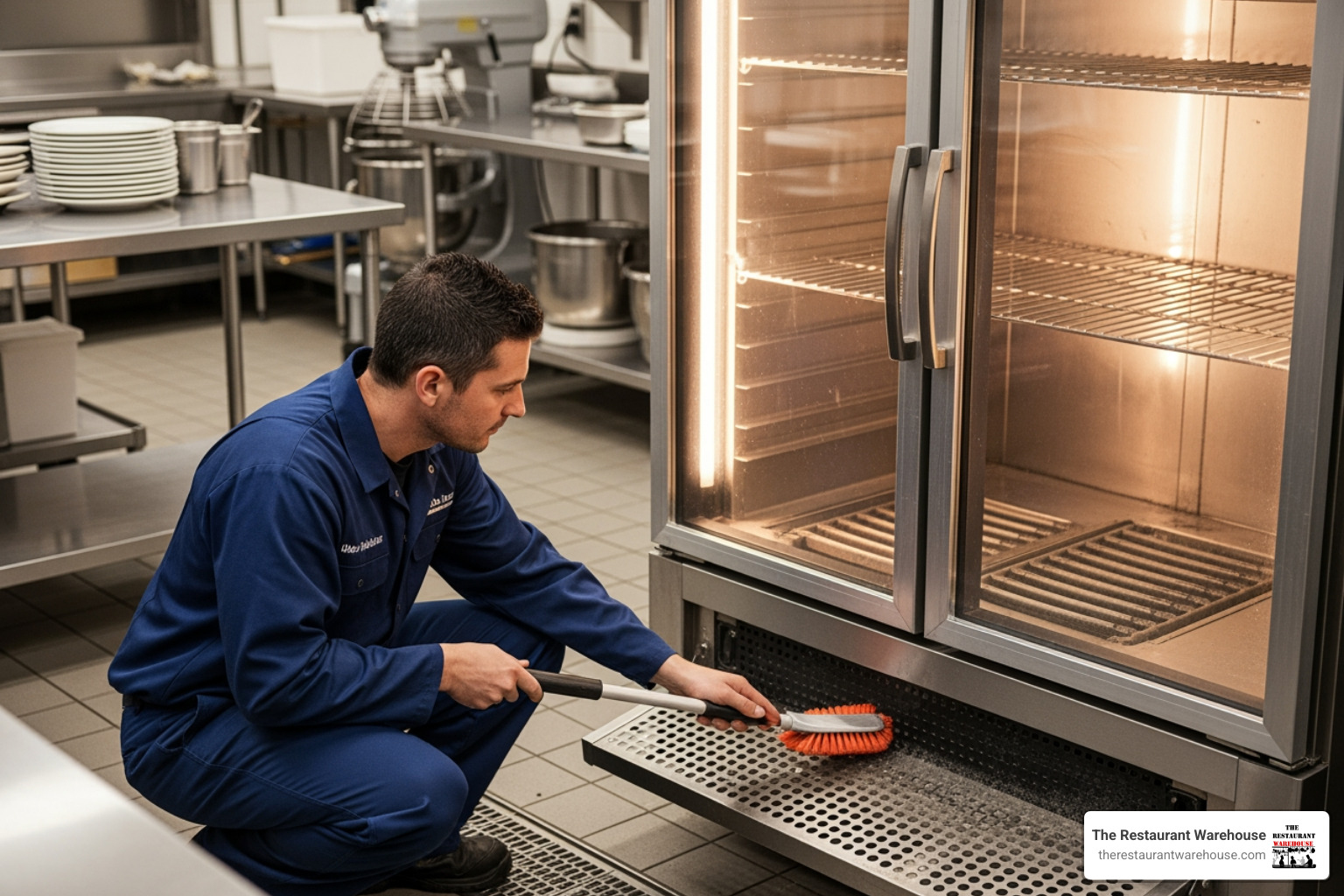
Consistent maintenance is the single most important factor in maximizing the lifespan and performance of your commercial reach-in freezer. Clean condenser coils every 30 to 90 days depending on your kitchen environment — grease-heavy kitchens need more frequent cleaning. Dirty coils force the compressor to work harder, consume more energy, and can lead to premature failure.
Inspect door gaskets monthly for cracks, tears, or areas where the seal has become weak. A simple test: close the door on a dollar bill — if you can pull it out easily, the gasket needs replacement. Keep gaskets clean with warm soapy water to prevent buildup that compromises the seal.
Check drain lines regularly to prevent clogs that cause water accumulation and ice formation inside the cabinet. Verify that evaporator fans are running smoothly and that airflow vents aren't blocked by food items pressed too close to the rear wall.
Schedule professional maintenance at least twice per year. A qualified technician can check refrigerant levels, test electrical components, lubricate moving parts, and identify potential problems before they cause costly breakdowns during your busiest season.
Troubleshooting Common Freezer Issues
Freezer not reaching temperature: Start by checking the condenser coils for dirt and debris. Verify that the evaporator fans are running and that the door gaskets seal properly. Overloading the freezer beyond its capacity also prevents adequate cooling — remove some items and allow the unit to recover.
Excessive frost buildup: This typically indicates a defrost system malfunction, a damaged door gasket letting humid air inside, or a door being left ajar. Check the defrost timer, heater, and thermostat. Inspect gaskets for visible damage and replace as needed.
Unusual noise: Buzzing, clicking, or rattling sounds often point to a failing compressor, loose fan blade, or vibrating condenser coils. While some operational noise is normal, sudden changes in sound level or character warrant professional inspection.
Water pooling on the floor: Check the drain pan and drain line for clogs. Ensure the unit is level — an improperly leveled freezer can cause condensation to flow in unintended directions. Also verify that the gasket is intact, as condensation from air infiltration can cause exterior moisture.
Frequently Asked Questions About Reach-In Freezers
What is the best temperature for a commercial reach-in freezer?
The ideal operating temperature for a commercial reach-in freezer is 0°F (-18°C) or below. Most food safety guidelines require frozen foods to be stored at or below this threshold. Many operators set their units to -10°F for an extra margin of safety, particularly in kitchens where the freezer door is opened frequently throughout the day. Always use an independent thermometer to verify the accuracy of the built-in temperature display.
How does a bottom-mount compressor differ from a top-mount?
A bottom-mount compressor sits at the base of the unit, making it easier to access for repairs and maintenance. It draws in air at floor level, which can mean more frequent coil cleaning in dusty or greasy kitchens. A top-mount compressor stays above the kitchen's heat and debris zone, often lasting longer between cleanings. Top-mount units also provide slightly colder temperatures on the lower shelves, while bottom-mount designs deliver colder air to the upper shelves first.
Are glass door freezers less efficient than solid door models?
Glass door freezers do use more energy than solid-door equivalents because glass provides less insulation than foam-filled solid panels. However, modern double and triple-pane glass with low-emissivity coatings and anti-fog heaters have significantly narrowed this gap. Glass doors reduce the number of times staff open the door to search for items, which partially offsets the insulation disadvantage in practice.
How often should I clean a reach-in freezer?
The interior should be wiped down weekly and deep cleaned monthly. Condenser coils need cleaning every 30 to 90 days depending on your kitchen conditions. Door gaskets should be cleaned weekly with warm water and mild soap. A comprehensive professional inspection and maintenance service should be scheduled at least twice per year to catch mechanical issues early.
How much does a reach-in freezer weigh?
Commercial reach-in freezers vary significantly in weight based on size and construction. Single-door models typically weigh between 250 and 350 pounds, while double-door units range from 350 to 500 pounds. Large three-door models can exceed 600 pounds. Always verify the weight capacity of your flooring and ensure you have adequate help and equipment for installation.
How should I organize the frozen reach-in for my kitchen?
Follow the FIFO (first-in, first-out) method and organize by category. Keep raw proteins on lower shelves to prevent cross-contamination if dripping occurs during any accidental thawing. Store prepared items and ready-to-use components on upper shelves for quick access. Use uniform, labeled containers to maximize space and maintain visibility of inventory levels.
Can I use a residential freezer in a commercial kitchen?
No. Residential freezers are not designed for the demands of a commercial kitchen. They lack the insulation, compressor power, and temperature recovery speed needed for frequent door openings and heavy loads. Health codes in most jurisdictions require NSF-certified commercial refrigeration equipment in food service operations. Using residential equipment in a commercial setting can result in health code violations, food safety risks, and equipment failure.
Ready to Upgrade Your Kitchen's Cold Storage?
Explore our selection of commercial reach-in freezers built for performance, efficiency, and durability. Your kitchen deserves equipment that works as hard as you do.