
Selecting the right reach-in freezer is one of the most critical decisions for any commercial kitchen, restaurant, or food service operation. This essential piece of equipment does far more than simply keep things cold—it preserves your inventory, protects your profit margins, and ensures your operation runs smoothly day after day.
In this comprehensive guide, we'll walk you through every factor you need to consider, from configuration options and sizing requirements to energy efficiency and maintenance best practices. By the end, you'll have all the knowledge necessary to make a confident, informed purchase.
Why a Reach-In Freezer is Your Kitchen's Backbone
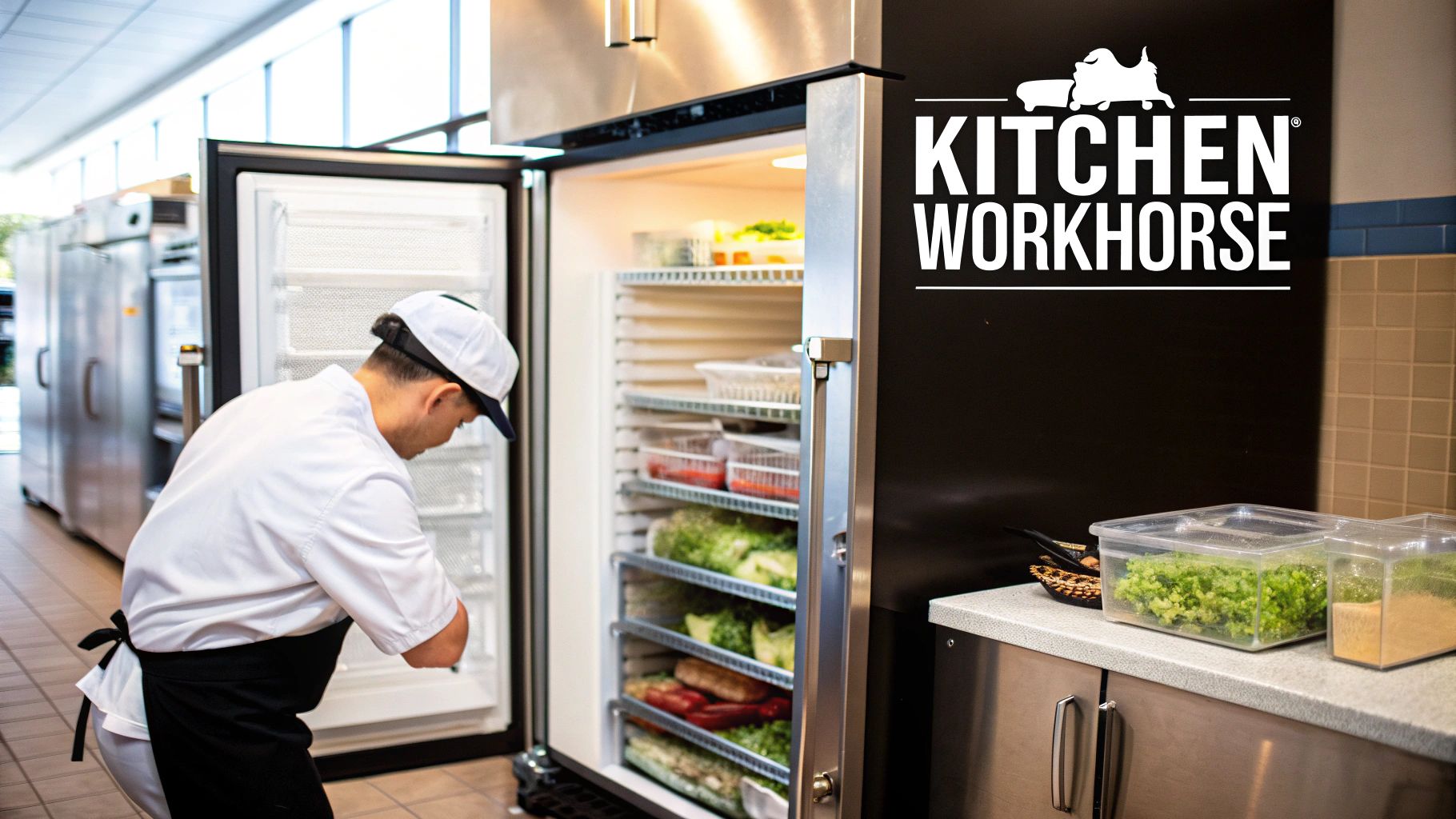
A commercial reach-in freezer serves as the central hub for frozen food storage in any professional kitchen environment. Unlike walk-in units, reach-in freezers offer convenient accessibility while maintaining optimal temperatures for food safety and quality preservation.
These workhorses of the kitchen industry are engineered to handle the demanding conditions of commercial use—frequent door openings, heavy loads, and continuous operation. They provide the reliability and performance that food service professionals depend on every single day.
The Engine of Kitchen Efficiency
Think of your reach-in freezer as the engine that powers your kitchen's productivity. When properly selected and maintained, it keeps your ingredients at peak quality, reduces waste from spoilage, and streamlines your food preparation workflow.
A well-chosen freezer also contributes significantly to your kitchen's overall organization. With the right configuration, your staff can quickly locate and retrieve items, reducing prep time and improving service speed during peak hours.
Protecting Your Bottom Line
The financial implications of freezer selection extend far beyond the initial purchase price. Energy consumption, maintenance costs, food waste reduction, and equipment longevity all factor into the true cost of ownership.
Investing in quality equipment upfront typically yields substantial savings over time through improved efficiency, fewer repairs, and better food preservation. Consider your freezer purchase as a long-term investment in your operation's success.
Choosing Your Ideal Freezer Configuration
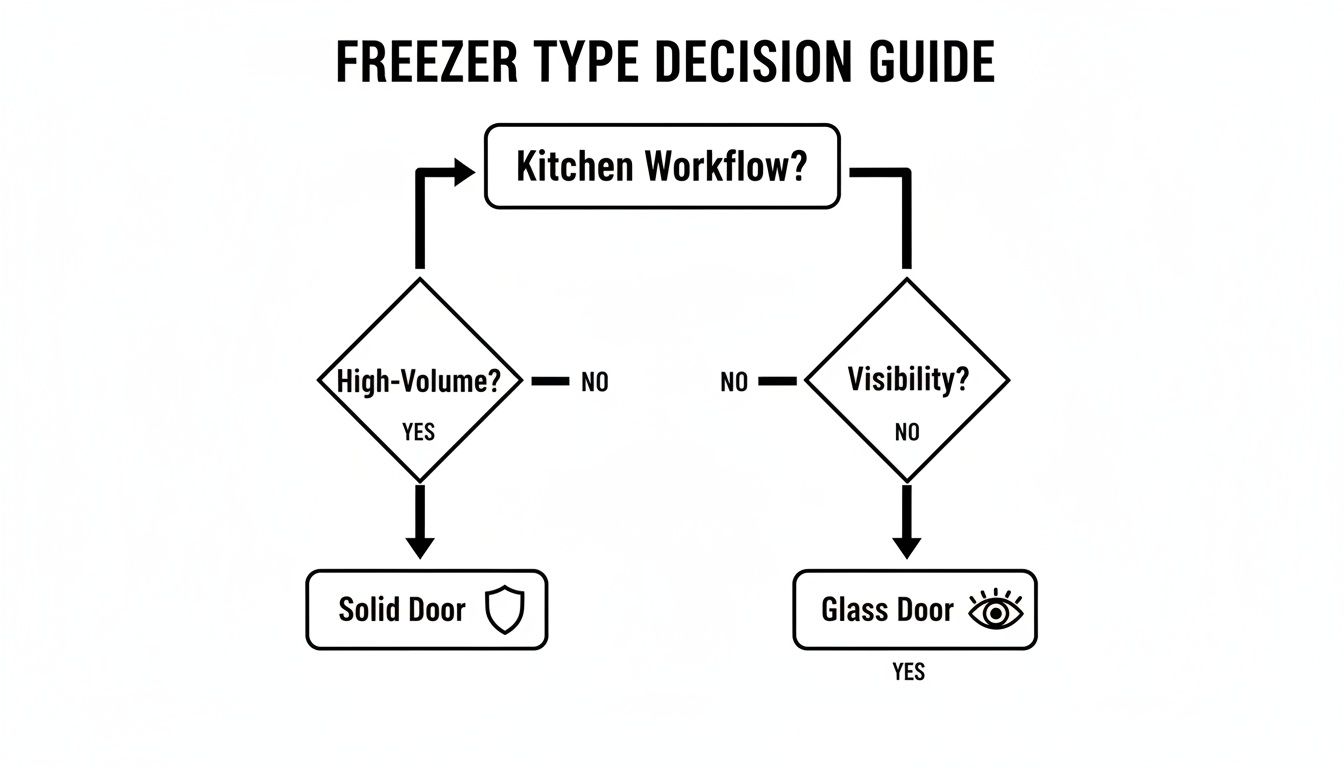
The configuration of your reach-in freezer affects everything from daily usability to long-term operational costs. Understanding the advantages and trade-offs of each option will help you select the perfect fit for your specific needs.
Solid Door Freezers
Solid doors provide superior insulation and energy efficiency. They maintain consistent temperatures more effectively, especially in busy environments with frequent door openings. These units are ideal for back-of-house applications where visual inventory isn't necessary.
Glass Door Freezers
Glass doors allow quick visual inventory checks without opening the unit, saving energy and time. They're perfect for front-of-house displays or environments where staff need to quickly identify contents. Modern glass doors feature excellent insulation properties.
Top-Mount vs Bottom-Mount Compressors
Top-Mount Compressors
Positioned above the cabinet, top-mount compressors keep the motor away from floor-level dust, grease, and debris. This placement typically results in easier maintenance access and can extend compressor life in environments with heavy foot traffic or dirty floors.
Bottom-Mount Compressors
Bottom-mount units place the compressor at floor level, which positions the coldest air at the bottom where it naturally wants to settle. This design often provides more usable storage space at eye level and can be more ergonomic for frequently accessed items.
Selecting the Right Number of Doors
Reach-in freezers typically come in one-door, two-door, and three-door configurations. Your choice should balance storage needs, available floor space, and operational workflow.
| Configuration | Typical Capacity | Best For |
|---|---|---|
| Single Door | 20-30 cu. ft. | Small cafes, food trucks, limited spaces |
| Two Door | 40-55 cu. ft. | Mid-size restaurants, catering operations |
| Three Door | 70-85 cu. ft. | High-volume kitchens, institutional food service |
How to Select the Right Freezer Size and Capacity
Choosing the appropriate size requires careful consideration of your current needs and anticipated growth. A freezer that's too small will limit your operations, while an oversized unit wastes energy and valuable floor space.
Calculating Your True Capacity Needs
Start by assessing your average daily frozen inventory requirements. Consider peak periods, delivery schedules, and any seasonal fluctuations in your business. A general rule is to plan for approximately 1 to 1.5 cubic feet of freezer space per meal served daily.
Remember that usable capacity differs from total capacity. Shelving, air circulation space, and organization systems reduce the actual storage volume by roughly 20-30% from the advertised specifications.
Always build in a buffer of 15-20% additional capacity to accommodate growth and unexpected inventory needs. This forward-thinking approach prevents costly upgrades in the near future.
Matching Freezer Size to Your Business Type
Small Establishments
Cafes, bakeries, and small eateries typically thrive with single-door units offering 20-30 cubic feet of storage.
Mid-Size Restaurants
Full-service restaurants and catering companies generally require two-door models with 45-55 cubic feet capacity.
Large Operations
Hotels, hospitals, and institutional kitchens need three-door freezers with 70+ cubic feet or multiple units.
Performance and Energy Efficiency: The Real Cost of a Freezer
Energy efficiency isn't just an environmental consideration—it directly impacts your operating expenses month after month. Understanding performance metrics helps you identify freezers that deliver long-term value beyond their sticker price.
The Make-or-Break: Temperature Recovery
Temperature recovery time measures how quickly a freezer returns to its set temperature after the door has been opened. In high-traffic kitchens where doors open frequently, faster recovery times mean better food safety, improved quality preservation, and lower energy consumption. Look for units with recovery times under 10 minutes for optimal performance.
How to Read Efficiency Labels
Energy Star certified freezers meet strict efficiency guidelines set by the EPA, typically using 20-30% less energy than non-certified models. When comparing units, examine the annual energy consumption listed in kilowatt-hours (kWh).
Calculate potential savings by multiplying the difference in kWh between models by your local electricity rate. Over a 10-year lifespan, these savings can easily exceed the initial price difference between efficient and standard models.
Eco-Friendly Refrigerants and Smart Technology
Modern freezers increasingly utilize natural refrigerants like R-290 (propane) and R-600a (isobutane), which have significantly lower global warming potential than traditional options. These environmentally responsible choices often deliver better efficiency as well.
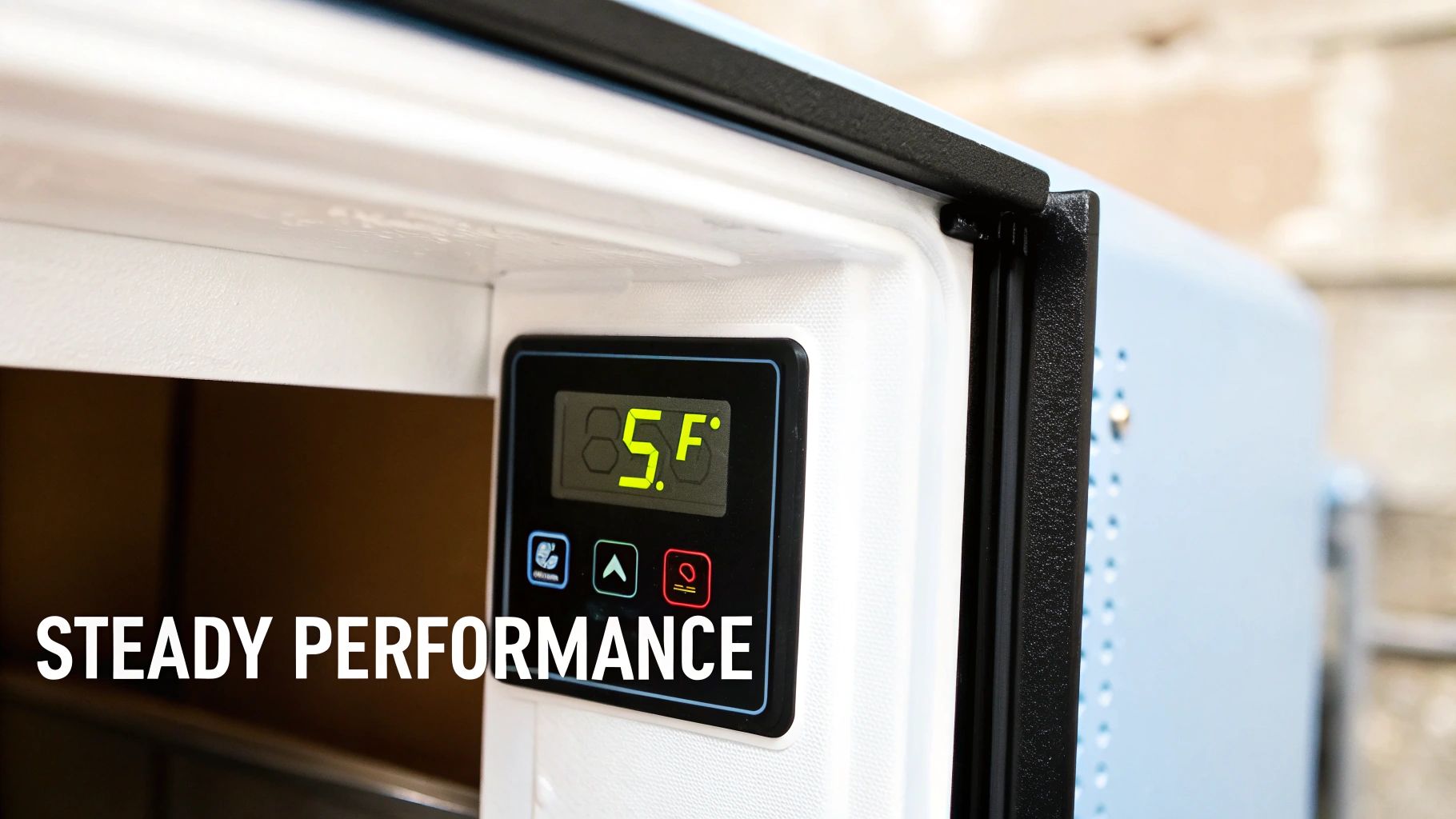
Smart technology features like digital temperature controls, automatic defrost cycles, and door-ajar alarms contribute to both energy savings and food safety. Some advanced models even offer remote monitoring capabilities for continuous oversight.
Installation and Maintenance Best Practices
Proper installation and consistent maintenance are essential for maximizing your freezer's performance and lifespan. Cutting corners in these areas inevitably leads to higher operating costs and premature equipment failure.
A Solid Foundation: Keys to Proper Installation
Location Selection: Position your freezer away from heat sources like ovens, dishwashers, and direct sunlight. Ensure adequate clearance around the unit for proper airflow—typically 4-6 inches on all sides and above.
Electrical Requirements: Verify that your electrical system meets the freezer's voltage and amperage requirements. Dedicated circuits are recommended to prevent overloading and ensure consistent power delivery.
Leveling: Ensure the unit is perfectly level for proper door sealing and drainage. Uneven positioning can cause compressor strain and premature wear.
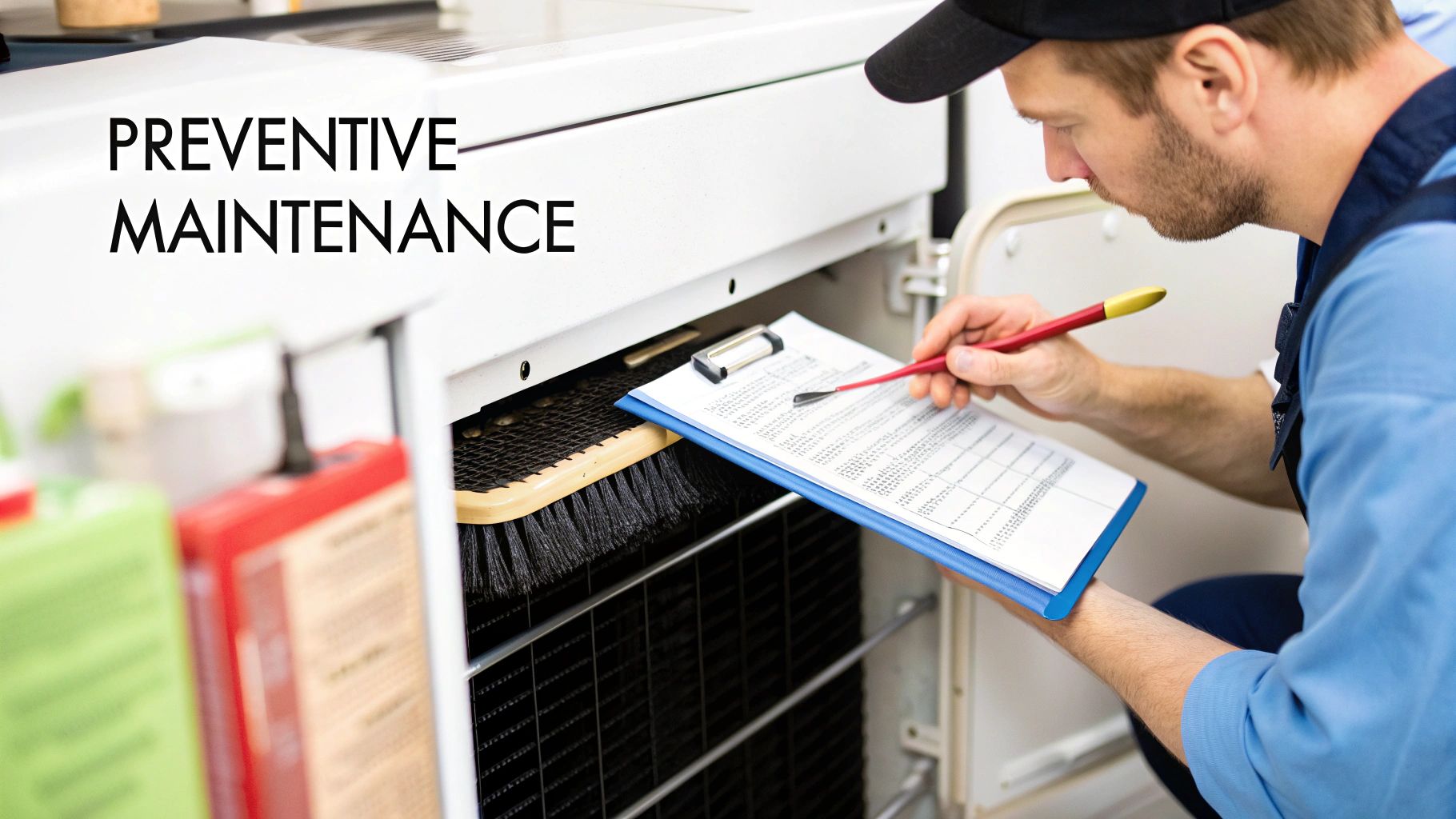
Your Preventative Maintenance Checklist
Daily: Check temperature readings, verify door seals close completely, and remove any visible ice buildup around door frames.
Weekly: Clean interior surfaces, inspect gaskets for damage or wear, and organize contents for optimal airflow.
Monthly: Clean condenser coils, check drain lines for blockages, and verify thermostat accuracy with an independent thermometer.
Annually: Schedule professional inspection, replace worn gaskets, and consider evaporator coil cleaning by a certified technician.
Frequently Asked Questions About Reach-In Freezers
Ready to Upgrade Your Kitchen's Cold Storage?
Explore our selection of professional-grade reach-in freezers designed for demanding commercial applications.
Chef AAA 72" 6-Door FreezerChoosing the right reach-in freezer requires careful consideration of your specific operational needs, space constraints, and budget. By understanding the key factors outlined in this guide, you're now equipped to make a decision that will serve your business well for years to come.