
Making the right choice for your home heating needs can save you money, time, and effort. Let's explore the key differences to help you decide.
When it comes to keeping your home warm and comfortable during the colder months, choosing between a pellet stove and a traditional wood stove can feel overwhelming. Both options offer excellent heating capabilities and add a cozy ambiance to any space, but they function quite differently. Understanding the distinctions between these two heating systems will help you make an informed decision that aligns with your lifestyle, budget, and environmental priorities.
Whether you're drawn to the automated convenience of pellet stoves or the rustic charm of wood-burning stoves, this comprehensive guide will walk you through everything you need to know. From initial costs and fuel efficiency to maintenance requirements and environmental impact, we'll break down each factor so you can confidently choose the best heating solution for your home.
Initial Investment: Price Comparison
Budget is often the first consideration when choosing between heating systems. Wood stoves typically present a more affordable entry point, with quality models ranging from $1,200 to $3,500. This lower upfront cost makes them an attractive option for homeowners looking to add efficient heating without breaking the bank.
Pellet stoves, on the other hand, come with advanced features and automated systems that justify their higher price tag. You can expect to invest anywhere from $2,000 to $5,000 for a quality pellet stove. While this represents a larger initial outlay, many homeowners find the convenience and efficiency worth every penny. The automated feeding system, programmable thermostats, and consistent heat output make pellet stoves a modern heating solution.
Don't forget to factor in installation expenses, which typically add $1,000 to $3,000 to your total investment. Professional installation ensures your stove operates safely and efficiently while meeting all local building codes and regulations.
Heat Output: Power Performance
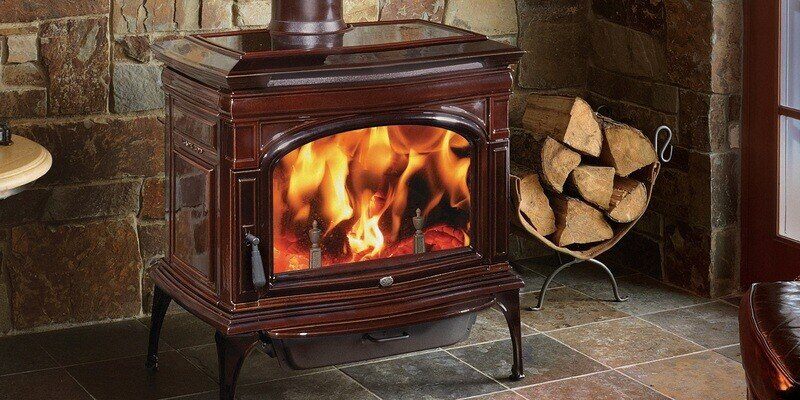
When comparing raw heating power, wood stoves generally take the lead. These robust heating units can generate between 50,000 BTUs to 100,000 BTUs per hour, making them ideal for heating large, open spaces or even multiple rooms. If you live in a particularly cold climate or have a spacious home, a wood stove's impressive heat output might be exactly what you need.
Pellet stoves offer a more moderate but highly controllable heat output, typically producing between 30,000 BTUs to 50,000 BTUs per hour. What they might lack in peak power, they make up for in consistency and precision. The automated feeding mechanism ensures a steady, reliable heat source that maintains your desired temperature without constant monitoring or adjustment.
Consider your specific heating needs carefully. Pellet stoves excel at maintaining comfortable temperatures in medium-sized spaces, while wood stoves can warm larger areas and handle extreme cold conditions with ease.
Coverage Area: How Much Space Can You Heat?
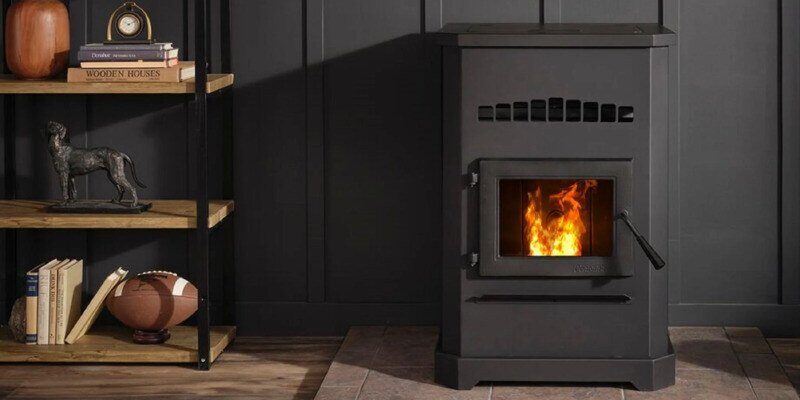
The size of the area you need to heat plays a crucial role in determining which stove type suits your situation best. Wood stoves shine when it comes to heating larger spaces, with many models capable of warming 1,000 to 2,500 square feet effectively. Their powerful heat output makes them the go-to choice for great rooms, open-concept living areas, or homes with high ceilings.
Pellet stoves are perfectly suited for smaller to medium-sized spaces, typically heating 800 to 2,000 square feet efficiently. Their controlled, consistent heat distribution works wonderfully in defined living areas, making them an excellent choice for supplemental heating or as the primary heat source in moderately sized homes. The even heat output prevents hot spots and cold corners, ensuring comfortable warmth throughout your space.
Burn Duration: Convenience and Refueling
How often you'll need to tend to your stove is an important lifestyle consideration. Wood stoves require more frequent attention, with burn times typically lasting 4 to 8 hours depending on the wood type and load size. This means you'll need to add fresh logs several times throughout the day and night to maintain consistent warmth. While this hands-on approach appeals to some homeowners who enjoy the ritual of fire-tending, others may find it inconvenient.
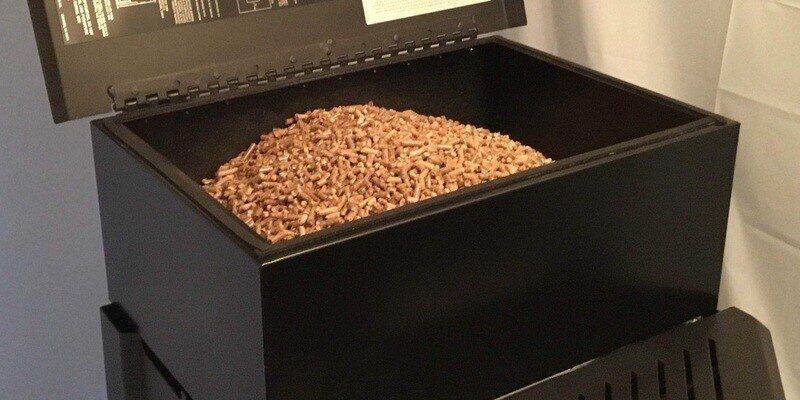
Pellet stoves offer remarkable convenience with their automated fuel delivery system. With a large hopper capacity, many models can run continuously for 12 to 24 hours on a single fill. Some high-capacity units can even operate for up to 50 hours without refueling. This set-it-and-forget-it operation means you can sleep through the night or head to work without worrying about your fire going out.
The extended burn time of pellet stoves translates to less maintenance hassle and more peace of mind. You can program your desired temperature, load the hopper, and let the stove handle the rest automatically.
Energy Efficiency: Getting More from Your Fuel
Efficiency determines how much of your fuel's energy actually heats your home versus escaping up the chimney. Modern wood stoves have made impressive strides in efficiency, with well-designed models achieving 70% to 80% efficiency. This represents excellent performance for a traditional heating system.
Pellet stoves take efficiency to the next level, boasting impressive ratings between 85% to 95%. This superior efficiency means you're getting more heat from less fuel, which translates directly to lower operating costs over time. The combination of automated combustion control, optimized airflow, and dense pellet fuel allows these units to extract maximum energy from every pellet burned.
Higher efficiency isn't just about saving money—it also means reduced environmental impact and fewer emissions. The cleaner burn of pellet stoves produces less smoke and particulate matter, making them a more eco-conscious heating choice.
Operating Costs: Fuel Expenses Over Time
Beyond the initial purchase price, ongoing fuel costs will significantly impact your total heating expenses. Pellet stoves use compressed wood pellets, typically sold in 40-pound bags. The cost per bag usually falls in the $5 to $8 range, depending on your location and whether you buy in bulk. During peak heating season, you might go through several bags per week.
Wood stove fuel costs vary dramatically based on your circumstances. If you have access to free or low-cost firewood—perhaps from your own property or local sources—operating costs can be minimal. Purchased firewood typically runs $150 to $400 per cord, with prices fluctuating based on wood type, seasoning, and regional availability. A cord of well-seasoned hardwood can last several weeks to months depending on usage.
Calculate your expected annual fuel costs based on local prices and your heating needs. While pellets offer consistency and convenience, wood can be more economical if you have access to affordable or free sources.
Environmental Impact: Emissions Comparison

Environmental consciousness is increasingly important to homeowners. Pellet stoves burn significantly cleaner than their wood-burning counterparts, producing notably lower emissions. Wood stoves emit approximately 5 grams of particulates per hour, while pellet stoves produce only about 1 to 2 grams per hour. This substantial difference in air quality impact makes pellet stoves the greener choice.
The cleaner combustion of pellet stoves results from several factors: the uniform density and moisture content of pellets, precise air-to-fuel ratios, and optimized combustion chambers. Wood stoves release more smoke and particulate matter, especially during startup and when burning unseasoned wood. However, EPA-certified wood stoves have made tremendous improvements in reducing emissions compared to older models.
If you're particularly concerned about your carbon footprint and local air quality, pellet stoves offer a cleaner-burning solution that doesn't sacrifice heating performance.
Maintenance Matters: Creosote Buildup
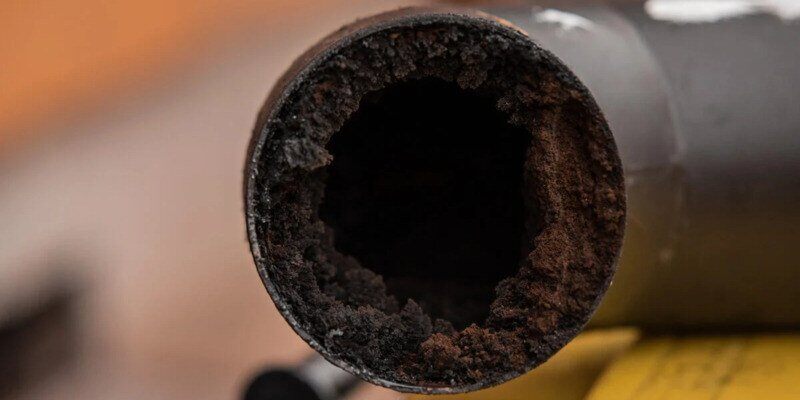
Creosote—a sticky, flammable byproduct of wood combustion—poses a serious fire hazard if allowed to accumulate in your chimney. Wood stoves produce significantly more creosote, requiring diligent chimney cleaning and inspection at least once annually, if not more frequently depending on usage. This maintenance isn't just recommended; it's essential for safe operation and fire prevention.
Pellet stoves generate minimal creosote thanks to their efficient, controlled combustion and the low moisture content of pellet fuel. While you'll still need periodic chimney inspections and cleaning, the frequency and intensity of maintenance are considerably less demanding. The cleaner burn means less buildup, reduced fire risk, and lower long-term maintenance costs.
Regular maintenance protects your investment and ensures safe operation regardless of which stove type you choose. However, pellet stoves certainly make the maintenance schedule more manageable for busy homeowners.
Experience the Convenience of Modern Pellet Heating
Ready to upgrade to efficient, automated heating? The ComfortBilt HP22 offers exceptional performance, reliability, and ease of use for homeowners who want powerful heating without the constant maintenance demands of traditional wood stoves.
ComfortBilt HP22 Pellet StoveOverall Maintenance: Time and Effort Required
Daily and seasonal maintenance requirements differ substantially between these two heating systems. Wood stoves demand consistent hands-on attention: removing ash regularly, cleaning the glass door, inspecting gaskets, and of course, constantly managing your firewood supply. You'll need adequate storage space for seasoning wood, and you'll be handling logs multiple times daily during heating season.
Pellet stoves simplify the maintenance equation considerably. Empty the ash pan weekly or biweekly, clean the burn pot regularly, and perform basic system checks. The compact pellet bags are easier to store and handle than bulky firewood. Professional annual servicing ensures the mechanical components and electronic controls continue operating smoothly.
Both systems benefit from proper care, but pellet stoves clearly require less time and physical effort to maintain. If convenience ranks high on your priority list, pellet stoves deliver a more user-friendly experience without sacrificing heating performance.
Making Your Decision
Choosing between a pellet stove and a wood stove ultimately depends on your unique situation, priorities, and lifestyle. Wood stoves appeal to those who appreciate traditional heating methods, enjoy the hands-on experience of fire management, and have ready access to affordable firewood. They excel at heating large spaces and can provide truly impressive heat output during the coldest weather.
Pellet stoves shine for homeowners who value convenience, efficiency, and cleaner operation. The automated features, consistent heat output, and reduced maintenance make them ideal for busy families or anyone who prefers a more hands-off heating solution. While the initial investment is higher, the long-term benefits in fuel efficiency and reduced emissions make them an excellent value.
Consider your heating needs, available space, budget, time for maintenance, and environmental concerns. Both options provide reliable, effective heating that can significantly reduce your reliance on conventional heating systems. Whether you choose the rustic charm of wood or the modern efficiency of pellets, you're making a smart investment in sustainable home heating.
Take the time to evaluate your specific circumstances, perhaps visit showrooms to see both stove types in person, and consult with heating professionals who can assess your home's requirements. With the right information and careful consideration, you'll find the perfect heating solution to keep your home warm and comfortable for years to come.
Ready to Transform Your Home Heating?
Discover the perfect pellet stove for your home and start enjoying efficient, reliable warmth with minimal hassle.
Shop ComfortBilt HP22