
What Is a Pellet Stove?
A pellet stove is a modern, automated heating appliance that burns small compressed cylinders made from organic materials — most commonly wood sawdust, agricultural waste, or other biomass byproducts. Unlike a traditional wood-burning fireplace, a pellet stove feeds fuel automatically from a storage hopper, making it one of the most convenient and efficient solid-fuel heating solutions on the market today.
These stoves have surged in popularity among homeowners who want the warmth and ambiance of a real fire without the labor of splitting, stacking, and hand-loading logs. With the push of a button or even a thermostat schedule, a pellet stove manages itself — adjusting the feed rate and airflow to maintain a consistent, comfortable temperature throughout your home.
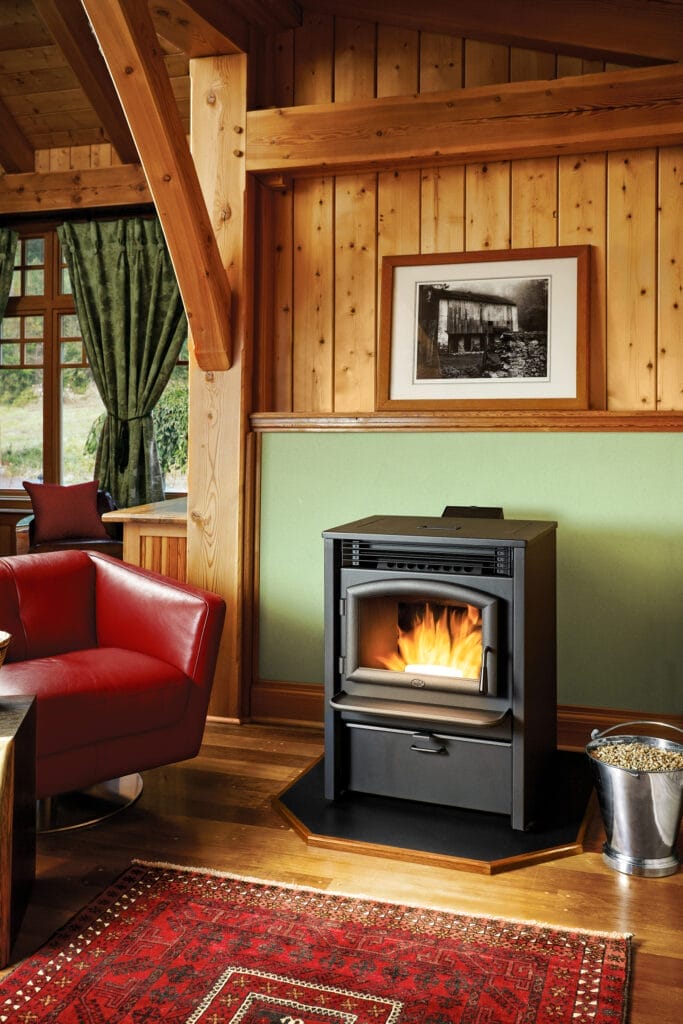
Components of a Pellet Stove
Understanding what makes up a pellet stove helps you maintain it properly and diagnose issues before they become costly repairs. Here are the core components you'll find inside every unit:
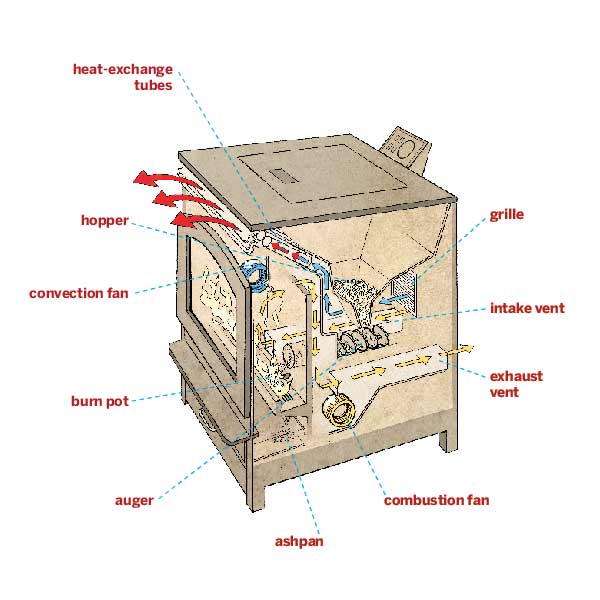
The storage reservoir that holds the pellet fuel. Capacity varies by model — typically ranging from 40 to 130 lbs — which directly affects how long the stove can run unattended.
A motorized screw mechanism that moves pellets from the hopper down into the burn pot at a controlled, adjustable rate.
The combustion chamber where pellets are ignited and burned. This is the heart of the stove — it must be kept clean for optimal performance.
Pulls room air across the heat exchanger and pushes warm air into the living space, allowing the stove to heat effectively without relying on natural convection alone.
Vents combustion gases outside through a flue pipe. Maintains proper draft and keeps combustion byproducts out of your home.
The electronic brain of the unit — manages ignition, auger speed, fan speeds, and thermostat integration for fully automated operation.
Types of Pellet Stoves
Pellet stoves come in several configurations to suit different home layouts, heating needs, and aesthetic preferences. Choosing the right type is just as important as choosing the right BTU output.
Freestanding Pellet Stove
The most common style — these standalone units sit on legs or a pedestal and can be placed in nearly any room with proper venting clearance. They function as both a heat source and a design focal point.
Pellet Stove Insert
Designed to slide directly into an existing masonry or prefab fireplace opening. Inserts transform an inefficient open-hearth fireplace into a high-efficiency heating appliance while preserving the existing aesthetic.
Pellet Fireplace
Built-in units designed for new construction or major remodels. These offer a seamless, custom-integrated look and are often paired with custom surround materials like stone, marble, or tile.

Benefits of Pellet Stoves
Environmental Impact
Pellet stoves are among the cleanest-burning solid-fuel heating options available. Wood pellets are a renewable resource made from compressed sawdust and wood waste — material that would otherwise go to landfills. When burned, the carbon released is roughly equal to what the tree absorbed during its life, making the process carbon-neutral in practical terms. Modern pellet stoves also produce significantly less particulate matter than open wood-burning fireplaces or older wood stoves, and many meet EPA-certified emission standards.
Cost Effectiveness
Heating with wood pellets is frequently more cost-effective than heating with propane, oil, or even natural gas, depending on your region. Pellets are sold by the 40 lb bag or by the ton, and their price remains relatively stable compared to the volatility of fossil fuel markets. The high combustion efficiency of modern pellet stoves — often 70–90% — means that a greater proportion of your fuel cost is converted directly into usable heat rather than escaping up the flue.
Pellet stoves offer the rare combination of real-flame ambiance, programmable automation, and heating efficiency that can rival central HVAC systems — all while burning a renewable, low-emission fuel source.
Downsides of Pellet Stoves
Strengths
- High combustion efficiency — often 75–90%
- Automated feed — no manual log loading
- Thermostat compatible for set-and-forget comfort
- Burns renewable biomass fuel
- Low particulate emissions
- Consistent, even heat output
Limitations
- Requires electricity to operate
- More moving parts mean more maintenance
- Regular cleaning of burn pot and ash pan required
- Pellet storage requires dry, sheltered space
- Upfront cost higher than basic wood stoves
- Dependent on pellet availability in your area

Choosing the Right Pellet Stove
With dozens of models on the market, narrowing down your options requires thinking clearly about your space, your heating goals, and your lifestyle. Here are the primary factors to evaluate:
Sizing Considerations
Pellet stoves are rated in BTUs per hour. As a general starting point, you'll need roughly 20 BTUs per square foot of living space in a well-insulated home, though homes in colder climates or with poor insulation may need more. Oversizing a stove can be just as problematic as undersizing it — an oversized unit will cycle on and off too frequently, reducing efficiency and increasing wear.
BTU Output
Most residential pellet stoves range from 8,000 to 90,000 BTUs. A stove in the 40,000–50,000 BTU range is often sufficient to heat a primary living area of 1,500–2,000 sq ft in a moderately cold climate. Look for models with variable heat settings so you can dial output up or down as conditions change.
Hopper Capacity
Larger hoppers mean longer burn times between refills. For whole-day or overnight heating without interruption, look for a hopper that holds at least 60 lbs of pellets. Some models offer hoppers holding 120 lbs or more, which can run continuously for 24–36 hours on a single fill.
Pellet Stove Installation & Venting Requirements
Professional vs. DIY Installation
While some experienced homeowners tackle pellet stove installation themselves, professional installation is strongly recommended for most households. Improper venting is the leading cause of pellet stove hazards. A certified installer ensures correct clearances from combustibles, proper flue sizing, and code-compliant connections. Many local building codes also require a permit and inspection for any new heating appliance installation.
Venting Options
Pellet stoves use a sealed combustion system that draws outside air for combustion and vents exhaust through a dedicated flue pipe. Most units vent through an exterior wall using a horizontal run of 3" or 4" double-wall pipe — no masonry chimney required. Units can also vent vertically through the roof. Consult the manufacturer's specifications and local code for maximum flue run lengths and required clearances.
Pellet Fuel: What You Need to Know
The quality of the pellets you burn has a direct impact on the efficiency, cleanliness, and maintenance requirements of your stove. Not all pellets are created equal.
Types of Pellets
Pellets are classified primarily by their ash content. Premium-grade pellets contain less than 1% ash by weight and are made from pure hardwood or softwood without bark. Standard-grade pellets may contain bark, agricultural residue, or blended biomass, resulting in higher ash content and more frequent cleaning intervals. For everyday home heating, premium-grade hardwood pellets are the preferred choice — they produce more heat per pound and leave behind far less residue.
Pellet Quality and Efficiency
Look for pellets that carry a PFI (Pellet Fuels Institute) certification — a guarantee that the pellets meet consistent standards for moisture content, diameter, length, bulk density, and ash content. Wet or poorly manufactured pellets produce excess smoke, can jam the auger, and coat internal components with residue that accelerates wear. Store pellets indoors or in a moisture-controlled space to prevent them from absorbing humidity, which degrades their combustion quality.
Storage and Handling
A typical household goes through 2–4 tons of pellets per heating season depending on climate, insulation quality, and how frequently the stove is used. Pellets are sold in 40 lb bags, which are easy to handle, or in bulk by the ton for significant cost savings. Store bags on a pallet in a dry garage or basement — never leave them exposed to rain or ground moisture. A 50 sq ft storage area can comfortably hold a full ton of bagged pellets.
Maintenance Requirements
Pellet stoves are more mechanically complex than wood stoves, and they reward attentive owners with years of reliable, efficient service. Neglecting routine maintenance is the primary reason pellet stoves underperform or fail prematurely.
- Empty the burn pot and ash pan every 1–3 days during heavy use
- Wipe the glass door weekly to keep viewing area clear
- Inspect and clean the heat exchanger tubes monthly
- Vacuum the hopper area and auger housing monthly
- Clean the exhaust blower and venting system annually
- Inspect door gaskets and seals each season for wear
- Schedule a professional service inspection every 1–2 years
Ready to Add Real Heat to Your Home?
The ComfortBilt HP22i is a top-rated pellet stove insert engineered for efficiency, ease of use, and lasting warmth — built to fit seamlessly into your existing fireplace.
HP22i Pellet Insert