
A comprehensive exploration of pellet-fueled heating technology for your outdoor and indoor spaces
Wood pellet heating systems have transformed the landscape of sustainable home heating solutions. These innovative appliances combine environmental consciousness with powerful heating capabilities, making them an increasingly popular choice for homeowners seeking efficient warmth. Unlike traditional wood-burning systems, pellet heating units operate with remarkable precision and consistency, delivering controlled heat output while minimizing environmental impact.
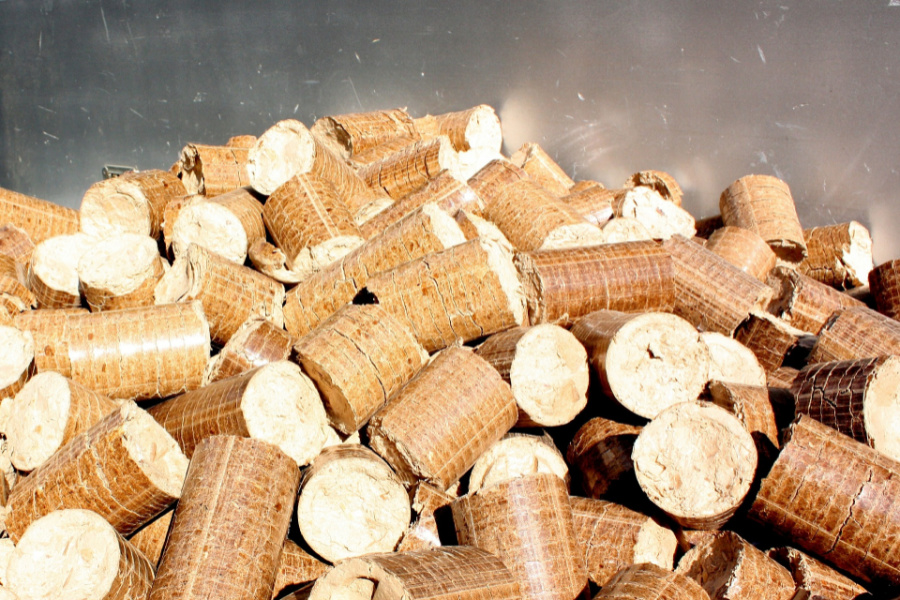
The fundamental operation of these heating systems revolves around compressed wood pellets—small, cylindrical fuel pieces manufactured from recycled sawdust and wood waste materials. This renewable fuel source burns with exceptional efficiency, producing substantially more heat per pound compared to conventional firewood while generating minimal ash residue.
The Operational Process: Step-by-Step Breakdown
Fuel Storage and Delivery Mechanism
The pellet heating system begins with an integrated hopper—a substantial storage reservoir capable of holding between forty to fifty-five pounds of compressed wood pellets. This hopper serves as the fuel supply station, maintaining a consistent reserve that enables extended operation periods without constant refilling. Depending on your heat output settings and environmental conditions, a fully loaded hopper can sustain continuous operation for approximately one full day.
An automated auger system—essentially a motorized screw mechanism—transports pellets from the hopper into the combustion chamber at precisely calibrated intervals. This mechanical feeding system operates under electronic control, adjusting fuel delivery rates based on your selected temperature settings and current heating demands. The auger's rotation speed directly correlates with heat output: faster rotation delivers more fuel, generating increased warmth.
Ignition and Combustion Chamber
Once pellets arrive in the burn pot—the heart of the combustion chamber—an electric ignition element initiates the burning process. This automated ignition system eliminates the need for manual fire-starting procedures, offering convenience that traditional wood heating simply cannot match. The combustion chamber features specially designed perforated metal surfaces that optimize airflow, ensuring complete and efficient fuel burning.
Air circulation plays a crucial role in maximizing combustion efficiency. A dedicated intake fan draws fresh air into the burn chamber, providing the oxygen necessary for sustained combustion while maintaining optimal burning temperatures. This controlled air supply ensures pellets burn completely, extracting maximum heat energy while minimizing smoke production and ash accumulation.
Heat Distribution and Ventilation
As combustion generates intense heat, a separate distribution fan circulates warm air throughout your living space. This convection blower pulls room air across heat exchange surfaces within the unit, warming it before distributing it back into your environment. Many advanced models feature adjustable fan speeds, allowing you to customize air circulation according to your comfort preferences and spatial requirements.
Exhaust gases and minimal smoke byproducts exit through a dedicated venting system, typically routed through an exterior wall or existing chimney structure. This sealed venting arrangement prevents combustion byproducts from entering your living areas while efficiently removing waste gases from the premises. The venting system operates under slight negative pressure, ensuring safe and complete exhaust removal.
Fuel Composition: What Makes Wood Pellets Exceptional
Wood pellets represent an environmentally responsible fuel choice manufactured from compressed sawdust, wood shavings, and other lumber industry byproducts. These materials undergo intense compression, forming dense cylindrical pellets approximately one-quarter inch in diameter and one inch in length. The compression process itself generates heat, activating natural lignin within the wood fibers, which acts as a binding agent—eliminating the need for artificial adhesives or chemical additives.
The standardized size and consistent density of wood pellets ensure predictable burning characteristics and reliable heat output. Premium-grade pellets contain minimal moisture content—typically below seven percent—resulting in cleaner combustion, reduced creosote buildup, and extended system longevity. This uniformity allows pellet heating systems to operate with computer-controlled precision, automatically adjusting fuel feed rates to maintain your desired temperature settings.
From an environmental perspective, wood pellets earn recognition as a carbon-neutral renewable resource. The carbon dioxide released during combustion equals the amount absorbed by trees during growth, creating a balanced ecological cycle. Additionally, utilizing wood waste materials reduces landfill burden while providing practical value to byproducts that might otherwise decompose or require disposal.
Advantages of Pellet Heating Technology
Superior Efficiency
Pellet heating systems convert approximately seventy to eighty-three percent of fuel energy into usable heat—significantly outperforming traditional wood-burning appliances that typically achieve only fifty to sixty-five percent efficiency. This exceptional performance translates directly into reduced fuel consumption and lower heating costs.
Automated Convenience
Modern pellet systems feature programmable thermostats and automated controls that maintain consistent temperatures without manual intervention. Simply set your desired warmth level, and the system manages fuel delivery, combustion air, and heat distribution automatically—providing comfort comparable to conventional furnace systems.
Environmental Benefits
Wood pellets burn remarkably clean, producing minimal particulate emissions and significantly less smoke than traditional firewood. The efficient combustion process results in reduced creosote formation, lowering chimney fire risks while minimizing atmospheric pollution. Utilizing renewable biomass fuel further reduces your carbon footprint.
Consistent Heat Output
Unlike wood-burning systems that require constant attention and regular log additions, pellet heaters maintain steady temperatures through automated fuel feeding. This consistency eliminates temperature fluctuations, providing comfortable warmth throughout your space without the peaks and valleys associated with traditional wood fires.
Space-Efficient Fuel Storage
Wood pellets require considerably less storage space than cordwood. A single forty-pound bag of pellets contains energy equivalent to approximately one-and-a-half cubic feet of stacked firewood. Pellets stack neatly in bags, occupying minimal floor space while remaining dry and readily accessible throughout the heating season.
Reduced Maintenance
Pellet heating systems generate substantially less ash than traditional wood-burning appliances—typically requiring ash removal only once weekly during regular use. The clean-burning nature of quality pellets minimizes creosote accumulation, reducing chimney cleaning frequency while simplifying routine maintenance procedures.
Installation Considerations and Requirements
Proper installation forms the foundation for safe, efficient pellet heating system operation. While pellet units offer greater installation flexibility compared to traditional wood-burning appliances, several critical requirements demand attention. Most models require electrical power for automated controls, auger motors, and circulation fans—typically drawing between one hundred to two hundred watts during normal operation.
Venting represents another essential consideration. Unlike conventional wood systems requiring full-height chimneys, pellet heating units utilize smaller-diameter venting pipes—typically three to four inches—that can route through exterior walls rather than extending through roof structures. This simplified venting arrangement reduces installation complexity and costs while providing flexibility in unit placement throughout your space.
Clearance requirements vary by model and manufacturer specifications, but most pellet heating systems need specific distances from combustible materials such as walls, furniture, and window treatments. These safety clearances ensure proper air circulation around the unit while preventing heat-related damage to surrounding structures. Installation on non-combustible floor protection—ceramic tile, stone, or manufactured hearth pads—provides additional safety assurance.
Professional installation proves advisable for most homeowners, ensuring compliance with local building codes, manufacturer specifications, and safety standards. Qualified technicians possess the expertise to properly configure venting systems, establish correct clearances, and verify electrical connections function safely. Many jurisdictions require installation permits and subsequent inspections, further emphasizing the value of professional installation services.
Operational Maintenance and Upkeep
Regular maintenance ensures your pellet heating system operates at peak efficiency while maximizing service life. Daily or weekly ash removal from the burn pot and ash collection pan prevents accumulation that could restrict airflow or interfere with combustion efficiency. Most modern units feature convenient ash pans that slide out easily for quick disposal without creating excessive dust or mess.
Glass viewing panels benefit from periodic cleaning to maintain clear flame visibility. Many pellet heating systems include specially designed glass that resists soot buildup through carefully engineered airflow patterns, but occasional cleaning with appropriate glass cleaners removes any accumulated residue. Weekly inspection of gaskets, door seals, and hopper lid ensures airtight operation that maximizes efficiency while preventing smoke leakage.
Seasonal maintenance—ideally performed before each heating season—includes thorough cleaning of the entire combustion chamber, heat exchange surfaces, and venting system. Professional technicians can inspect electrical components, verify proper auger operation, and examine exhaust passages for blockages or deterioration. This comprehensive service identifies potential issues before they cause operational problems, ensuring reliable performance throughout the cold months ahead.
Hopper inspection prevents fuel delivery issues. Removing any sawdust or broken pellets that accumulate at the bottom helps maintain smooth auger operation. Additionally, ensuring pellets remain dry protects against moisture-related problems—damp pellets swell, potentially jamming the auger mechanism and causing combustion inefficiencies. Store pellet bags in dry locations, preferably elevated off concrete floors where moisture condensation might occur.
Selecting Quality Pellet Fuel
Fuel quality dramatically influences pellet heating system performance, efficiency, and maintenance requirements. Premium hardwood pellets—manufactured from dense wood species like oak, maple, or cherry—provide maximum heat output with minimal ash production. These superior pellets typically cost slightly more than softwood alternatives but deliver greater value through enhanced burning efficiency and reduced maintenance demands.
Look for pellets meeting Pellet Fuels Institute (PFI) certification standards, which verify fuel quality, heat content, ash production, and moisture levels. Premium-grade pellets contain less than one percent ash content and produce eight thousand or more BTUs per pound. Standard-grade pellets, while more economical, may contain higher ash percentages and produce slightly less heat per pound.
Avoid pellets showing excessive dust, broken pieces, or irregular lengths—these indicators suggest manufacturing quality issues that can cause feeding problems or reduced combustion efficiency. Fresh pellets should feel smooth, break with a clean snap, and have a pleasant wood aroma. Discoloration, musty odors, or soft consistency indicate moisture contamination that severely compromises burning performance.
Purchasing pellets in bulk quantities—typically by the ton—offers cost advantages while ensuring adequate supply throughout the heating season. Average homes consuming pellets as their primary heat source utilize approximately three to four tons annually, though actual consumption varies based on climate conditions, home insulation quality, and desired indoor temperatures. Planning ahead and purchasing during off-season months often yields the best pricing opportunities.
Heating Capacity and Size Selection
Selecting appropriately sized pellet heating equipment ensures comfortable warmth without unnecessary fuel consumption or excessive operating costs. Pellet heating systems are rated by heat output measured in British Thermal Units (BTUs) per hour. Models range from compact units producing twenty thousand BTUs—suitable for heating individual rooms or small spaces—to powerful systems generating sixty thousand BTUs or more, capable of warming entire homes.
As a general guideline, you need approximately forty to fifty BTUs per square foot of living space in moderate climates, with cold-climate regions requiring fifty to sixty BTUs per square foot. A fifteen-hundred-square-foot home in a moderate climate would benefit from a unit producing approximately sixty thousand to seventy-five thousand BTUs. However, variables including ceiling height, insulation quality, window efficiency, and home layout significantly influence actual heating requirements.
Oversized units cycling on and off frequently operate inefficiently while producing uneven heating. Undersized systems run continuously at maximum output, struggling to maintain comfortable temperatures during extreme cold while consuming excessive fuel. Consulting with heating professionals helps identify optimal sizing based on your specific circumstances, ensuring balanced performance that maximizes comfort and efficiency.
Consider your intended use when selecting heating capacity. Systems serving as primary whole-home heating sources require different specifications than units supplementing existing heating systems or providing zone heating for specific areas. Many homeowners successfully use pellet heating systems for zone heating—warming frequently occupied spaces while maintaining lower temperatures in unused areas—substantially reducing overall heating costs.
Cost Considerations and Economic Benefits
Initial investment in pellet heating technology typically ranges from two thousand to six thousand dollars, encompassing equipment purchase, professional installation, and necessary venting components. While representing significant upfront expense, this investment frequently returns value through reduced heating costs over the system's operational lifetime—typically fifteen to twenty years with proper maintenance.
Operational expenses primarily involve pellet fuel costs, which vary regionally but generally remain competitive with or below conventional heating fuels. Pellet prices typically range from two hundred to three hundred dollars per ton, with average homes consuming three to four tons annually. Electricity consumption for automated controls and fans adds modest operational costs—approximately fifteen to twenty-five dollars monthly during active heating seasons.
Compared with heating oil, propane, or electric resistance heating, pellet fuel often provides substantial savings—particularly in regions where these conventional fuels command premium prices. Additionally, pellet fuel prices demonstrate relative stability compared with volatile petroleum-based heating fuels, offering predictable budgeting advantages. Some utility companies and government programs provide incentives, rebates, or tax credits for installing high-efficiency biomass heating systems, further improving economic viability.
Beyond direct cost savings, pellet heating systems add property value through enhanced energy efficiency and reduced dependence on conventional utility services. Prospective home buyers increasingly value sustainable heating options, recognizing both environmental benefits and long-term economic advantages. This added value can offset initial installation investments when eventually selling your property.
Advanced Features and Modern Innovations
Contemporary pellet heating systems incorporate sophisticated technology that enhances convenience, efficiency, and user experience. Programmable thermostats enable customized heating schedules matching your daily routines—automatically reducing temperatures during sleeping hours or when away from home, then warming spaces before your return. These intelligent controls optimize comfort while minimizing unnecessary fuel consumption.
Remote control capabilities—whether through dedicated wireless remotes or smartphone applications—allow temperature adjustments and system monitoring from anywhere within your home or even remotely via internet connectivity. This convenience proves particularly valuable when unexpected schedule changes occur, enabling you to adjust heating settings without physically accessing the unit.
Self-cleaning mechanisms represent another valuable innovation. Advanced models automatically agitate the burn pot periodically, preventing ash accumulation that could restrict airflow or reduce combustion efficiency. Some premium systems even feature automated ash removal into larger collection containers, extending intervals between manual maintenance procedures.
Battery backup systems provide continued operation during power outages—a critical feature for those relying on pellet heating as their primary warmth source. While the system cannot operate at full capacity without grid power for fans and controls, battery backup maintains combustion and limited circulation, preventing indoor temperature drops during temporary electrical service interruptions.
Safety Features and Considerations
Modern pellet heating systems incorporate multiple safety mechanisms protecting both equipment and occupants. Pressure switches monitor exhaust venting, automatically shutting down the system if blockages prevent proper combustion gas removal. This critical safety feature prevents dangerous backdrafting that could introduce carbon monoxide into living spaces.
Temperature sensors continuously monitor operating conditions, disabling fuel delivery if unsafe temperatures occur within the unit. Door interlock switches halt operation when access doors open, preventing exposure to active combustion chambers. These redundant safety systems work together, ensuring secure operation under all normal circumstances.
Despite these built-in protections, proper installation and maintenance remain paramount for safe operation. Regular professional inspections verify all safety systems function correctly while identifying potential issues before they become hazardous. Installing battery-powered carbon monoxide detectors near your pellet heating system provides additional protection, alerting occupants to any unexpected combustion gas presence.
Maintaining proper clearances from combustible materials prevents heat-related damage or fire hazards. Never store pellet fuel directly against the unit or obstruct air intake and exhaust venting. Following manufacturer guidelines for operation, maintenance, and safety procedures ensures years of reliable, secure heating performance from your pellet system.
Environmental Impact and Sustainability
Pellet heating technology represents one of the most environmentally responsible heating choices available to modern homeowners. Wood pellets qualify as carbon-neutral renewable fuel because trees absorb atmospheric carbon dioxide during growth—equivalent to the amount released during combustion. This closed carbon cycle contrasts sharply with fossil fuels, which release previously sequestered carbon into the atmosphere, contributing to greenhouse gas accumulation.
Manufacturing pellets from sawdust and wood byproducts provides productive use for materials otherwise destined for landfills or decomposition. This resource utilization reduces waste while creating value from materials previously considered disposal problems. Additionally, pellet production typically occurs regionally, reducing transportation distances and associated fuel consumption compared with nationally distributed fossil fuels.
The clean combustion characteristics of quality pellet fuel minimize particulate emissions and air pollution. Modern EPA-certified pellet heating systems produce significantly lower emissions than traditional wood-burning appliances while competing favorably with natural gas heating in terms of environmental impact. This clean burning benefits both outdoor air quality and indoor environments.
Choosing pellet heating reduces dependence on imported fossil fuels while supporting local forestry and manufacturing industries. Many pellet producers operate sustainably managed forests, replanting harvested areas and maintaining long-term woodland health. This sustainable forestry approach ensures continued pellet availability while preserving forest ecosystems for future generations.
Experience Efficient Heating with Quality Equipment
The ComfortBilt HP50S represents cutting-edge pellet heating technology, combining powerful heating capacity with user-friendly automation and reliable performance. This system delivers exceptional efficiency while maintaining the convenience modern homeowners expect from their heating equipment.
ComfortBilt HP50SFinal Considerations
Pellet heating systems offer compelling advantages for homeowners seeking efficient, environmentally responsible warmth. Understanding operational principles, maintenance requirements, and proper fuel selection empowers you to maximize performance while enjoying comfortable indoor temperatures throughout cold seasons. These sophisticated appliances combine traditional wood-heating ambiance with modern convenience and efficiency.
Whether supplementing existing heating systems or serving as primary heat sources, pellet heating technology delivers reliable performance with minimal environmental impact. The automated operation, consistent heat output, and clean-burning characteristics make these systems increasingly popular among conscientious homeowners prioritizing both comfort and sustainability.
Investing time to understand pellet heating principles ensures informed decisions regarding equipment selection, installation, and ongoing operation. With proper sizing, professional installation, quality fuel, and regular maintenance, your pellet heating system will provide dependable warmth and comfort for decades, all while reducing your environmental footprint and heating costs.