
Transform your existing fireplace into an efficient, eco-friendly heating powerhouse
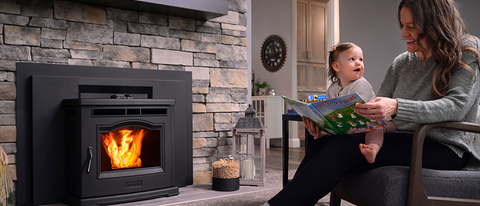
A pellet fireplace insert is a specialized heating appliance engineered to fit seamlessly inside an existing fireplace opening. Unlike traditional wood stoves, a pellet insert features a hopper that stores compressed wood pellets, an auger mechanism that automatically feeds the pellets into the combustion chamber, and a blower fan that circulates warm air throughout your living space. The primary distinction between a pellet insert and a freestanding pellet stove is that the insert slides directly into your fireplace cavity and vents through your existing chimney or through an exterior wall.
These remarkable heating units are designed to deliver exceptional thermal efficiency and consistent heat output, drawing their energy from renewable wood pellet fuel. From manufacturing to combustion, pellet fuel adheres to sustainable forestry practices, producing significantly fewer greenhouse emissions compared to conventional fossil fuel systems.
How Does a Pellet Insert Differ From a Traditional Fireplace?
Both pellet inserts and conventional wood-burning fireplaces serve the fundamental purpose of providing warmth, ambiance, and comfort within your home. However, they diverge significantly when examining efficiency, operating costs, and overall convenience.
Superior Efficiency
Radiant heat from traditional fireplaces gets absorbed by nearby objects and people. While you might feel warmth sitting close to the flames, that heat rarely spreads evenly throughout the room. Moreover, conventional wood fireplaces burn in an open configuration, sending the majority of generated heat straight up the chimney rather than into your living area.
Pellet inserts operate on an entirely different principle. The stove draws cool air from the room, passes it over heated surfaces, and the integrated blower redistributes this warmed air back into the space. This convective approach heats entire rooms—and sometimes entire floor plans—rather than just the immediate vicinity around the stove. Advanced combustion technology allows pellets to burn at elevated temperatures, extending burn times to 24 hours or more on a single hopper load while consuming less fuel.
Reduced Heating Costs
As previously mentioned, pellet inserts extract substantially more usable heat from less fuel. Depending on your stove's capacity and your home's dimensions, a single pellet insert can heat anywhere from 1,500 to 2,500 square feet. Traditional wood fireplaces lose the bulk of their thermal output up the chimney, directing copious amounts of combustion heat outside rather than into your home.
Furthermore, a pellet insert can effectively offset your primary heating system's workload by enhancing your home's overall heating efficiency. Over time, you can recoup your investment and enjoy substantial savings for years to come.
Ease of Use
Traditional wood fireplaces can be messy and demand considerable maintenance to remain clean and functional. Conventional wood fireplaces require intensive cleaning after each burn session and need at least 12 hours to completely cool before you can safely sweep away residual ash and debris. This translates to more work and extended periods without heat.
Quality pellet inserts require only minimal routine maintenance and cleaning. Many models allow safe ash removal during operation, featuring specialized ash containers you can access without having to wait for the unit to cool completely. This means continuous heating without the hassle.
Which Option is Best For Your Home?
When weighing all factors, pellet inserts emerge as the more efficient, cost-effective, and user-friendly heating solution compared to traditional wood-burning fireplaces. Pellet inserts also burn cleaner, producing fewer emissions and particulates than their conventional counterparts while requiring less fuel to operate. For these compelling reasons, a pellet insert represents a superior choice for heating your home.
Key Considerations for Adding a Pellet Insert to Your Home
Before investing in a pellet insert, it's essential to examine all angles. Below we address the most common questions from prospective buyers.
Does a Fireplace Insert Need a Chimney?
When retrofitting an existing wood fireplace, a pellet insert typically vents through an adapter and liner installed within the existing chimney, directing combustion byproducts safely out of your home. Alternatively, if you're not converting an existing fireplace or instead building a new installation, you can install a pellet insert and vent it through an exterior wall or ceiling.
If placing the pellet insert into an existing wood fireplace, the physical dimensions of the firebox and surround must be carefully measured to ensure proper fit. In some instances, a surround extension may be required to accommodate a larger fireplace opening. For expert guidance, consult with a professional installer to confirm your setup is in proper working order before adding the insert.
How Much Does It Cost to Put in a Fireplace Insert?
The cost of installing a pellet insert varies widely based on several factors, including:
- Make and model: Different brands offer various technologies and heat output capacities
- Existing fireplace size: Larger openings may require a surround extension, adding to costs
- Chimney condition: Depending on your chimney's current state, repairs or relining may be necessary
- Installation labor: Professional installation fees vary by region and complexity
- Location: Installation costs differ across geographic areas
While there's an initial investment involved, numerous factors make pellet inserts a worthwhile purchase. The cost per year for pellets varies only minimally compared to other fuel types. Additionally, a pellet insert can significantly reduce your energy bills by boosting your home's heating efficiency—benefits you'll enjoy for many years ahead.
How is a Fireplace Insert Installed?
Installing a fireplace insert involves several sequential steps and is typically a job best left to a professional installer or certified technician. They can ensure the insert and venting system are safely installed.
Step 1: Select the Right Insert
There are various pellet fireplace inserts on the market, and you need to choose one that matches your existing fireplace size, fuel type preferences, and heating requirements. Prices for quality pellet inserts typically range from $3,000 to $6,000.
Step 2: Prepare the Fireplace
Before installing the insert, a professional will thoroughly clean and prepare your existing fireplace. They'll inspect the chimney and flue to confirm they're in proper working condition and meet all venting requirements for the new insert.
Step 3: Connect the Venting System
For pellet-burning units, a professional will install a venting system consisting of a vent pipe that connects to the insert and extends up the chimney or through an exterior wall.
Step 4: Install the Insert
The insert is then positioned inside the existing fireplace opening. The installation process varies depending on the insert's make and model. Generally, the insert is secured with brackets and connected to the chimney flue.
Step 5: Test the Unit
Ensure the insert operates correctly and the venting system functions properly before regular use.
Ready to Upgrade Your Home Heating?
Stop enduring drafty winters! Discover why a pellet fireplace insert is the smart choice for efficient, eco-friendly home heating. Installation is straightforward—a quality pellet insert fits seamlessly into your current fireplace opening. With advanced airtight systems, direct venting options, and precision temperature controls, you can maintain your ideal comfort level around the clock.
ComfortBilt HP22i Pellet Stove InsertWhy Choose a Pellet Insert?
Eco-Friendly
Burns renewable wood pellets with minimal emissions
High Efficiency
Up to 90% thermal efficiency compared to 10-15% for open fireplaces
Extended Burn Time
Enjoy up to 24+ hours of continuous heat from one hopper load
Low Maintenance
Requires significantly less cleaning than traditional wood fireplaces
It's never been easier to invest in cozy, steady warmth that's both cost-effective and environmentally responsible. Now is the perfect time to upgrade your home with a premium pellet fireplace insert!
Shop ComfortBilt HP22i Insert