A dependable heating and cooling solution is essential for maintaining comfort in your home throughout the year. Traditional ducted HVAC systems have long been the standard across the country, but ductless mini split technology is rapidly gaining popularity among homeowners. Unlike conventional forced air systems that rely on extensive ductwork, mini splits offer a streamlined approach with an outdoor compressor unit connected to one or more indoor air handlers. Both system types utilize refrigerant technology to transfer thermal energy, effectively providing climate control for your living spaces. Each option has distinct characteristics that affect efficiency and performance. To make an informed decision when upgrading your home comfort system, it's crucial to understand the complete picture of what mini splits offer.
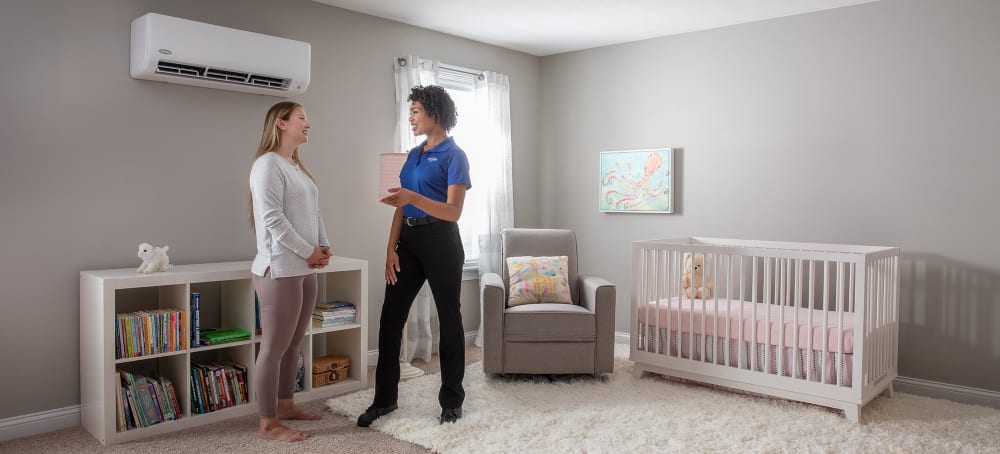
Evaluating ductless mini split systems requires examining both their strengths and limitations. The advantages may appear straightforward for some homeowners, while others might find certain features don't align with their specific needs. Take energy efficiency, for example—many consider the superior performance of mini splits a significant benefit. Conversely, the requirement for indoor wall-mounted units in each climate-controlled space might not appeal to everyone. Aesthetic preferences, installation flexibility, and zoning requirements all factor into whether a mini split system is the right choice for your home.

What Makes Mini Split Systems Stand Out?
Multiple compelling advantages deserve consideration when evaluating mini split technology:
Simple Installation Process
Installing a ductless mini split is remarkably straightforward since it eliminates ductwork requirements. A small opening for the refrigerant line connecting indoor and outdoor components is typically all that's needed. By comparison, traditional ducted systems demand extensive work—cutting through walls, running ductwork throughout your home, and in some situations, major structural modifications that increase both time and expense.
Superior Energy Performance
Mini split systems deliver exceptional comfort at impressive efficiency levels, achieving up to 38.5 SEER2 cooling ratings and reaching 15 HSPF2 for heating performance. Their efficiency advantage stems from eliminating ductwork losses—traditional systems can waste energy through leaky or poorly insulated ducts. Because mini splits only condition the specific rooms where they're installed, you avoid the energy consumption common in ducted systems that heat or cool your entire home unnecessarily.
Extended System Lifespan
Operating at higher efficiency translates to reduced energy consumption and extends the potential service life of your system. Without ductwork to create resistance or become contaminated, mini splits experience less strain during operation. Many contemporary ductless systems maintain exceptional performance and quietness throughout their lifespan.
Precise Temperature Zoning
Since each climate-controlled room operates with its own thermostat and air handler, ductless technology enables true multi-zone comfort control. You can maintain different temperatures in various areas, ensuring rooms that naturally run warmer stay comfortable while conserving energy in less-used spaces—or avoid competing thermostat battles altogether.
Whisper-Quiet Operation
Unlike ducted systems that can generate considerable noise from air movement through ductwork, mini splits operate remarkably quietly. The absence of duct-related vibration and airflow sounds means these systems provide climate control without the acoustic disruption many traditional HVAC systems produce.
Perfect for Additions and Conversions
Transforming spaces like garages, basements, or attic areas into comfortable living environments becomes much simpler with ductless systems. They provide efficient climate control without requiring ductwork extensions or modifications to your existing HVAC system that might exceed its capacity.
Ductless mini split systems combine exceptional efficiency, flexible installation, and quiet operation to deliver personalized comfort throughout your home—all while potentially reducing your energy costs significantly.
Limitations of Mini Split Systems
When compared to traditional HVAC systems, mini splits do present certain considerations that may affect your decision:
Space Capacity Considerations
For ducted heating and cooling systems, larger spaces may necessitate multiple indoor units to achieve adequate comfort. Rooms with expansive floor plans might struggle to receive sufficient coverage from a single wall-mounted air handler since floor and ceiling vents in traditional systems provide better air distribution. Mini splits condition the air in individual rooms without transferring conditioned air throughout the entire home.
Reduced Whole-Home Circulation
Traditional ducted systems excel at maintaining consistent temperature and air quality throughout an entire home by continuously circulating air between rooms. Mini split systems heat or cool the air within each individual room independently, without transferring fresh air from one space to another.
Visual Presence in Rooms
Each mini split indoor unit mounts visibly on your wall, which can affect room aesthetics. These units are typically noticeable in living spaces, potentially conflicting with interior design preferences. For additional details about appearance considerations, explore how mini split installations impact room design.
Ready to experience the benefits of efficient, flexible climate control? Discover our premium mini split systems designed for superior comfort and energy savings.
Costway Blast Mini Split
Whether you're upgrading your existing HVAC system, adding climate control to a new space, or seeking more efficient temperature management, understanding the complete advantages and limitations of mini split technology helps ensure you make the best choice for your home comfort needs.
