
Discover the exciting world of paddle boarding and learn everything you need to know to begin your adventure on the water
Stand up paddle boarding, commonly known as SUP, has emerged as one of the most popular water sports in recent years. This versatile activity combines elements of surfing and kayaking, offering an accessible way for people of all ages and fitness levels to enjoy the water. Whether you're seeking a peaceful glide across calm lakes or an intense workout navigating ocean waves, paddle boarding delivers an unforgettable experience that connects you with nature.
Originating from ancient Polynesian culture, modern stand up paddle boarding gained prominence in Hawaii during the 1940s when surf instructors used paddles to manage large groups and capture photographs. Today, it has evolved into a mainstream recreational activity and competitive sport enjoyed by millions worldwide. The beauty of SUP lies in its simplicity and adaptability, making it an ideal choice for anyone looking to explore waterways while getting a full-body workout.
Understanding Stand Up Paddle Boarding
At its core, stand up paddle boarding involves standing on a large, stable board while using a long paddle to propel yourself through the water. Unlike traditional surfing where you lie down and paddle with your arms, SUP keeps you upright, providing a unique vantage point to observe your surroundings. The elevated position offers excellent visibility of underwater features, marine life, and scenic landscapes, enhancing the overall experience.
The sport accommodates various skill levels and interests. Beginners typically start on calm, flat waters such as lakes, bays, or slow-moving rivers where conditions are predictable and forgiving. As confidence and skills develop, paddlers can progress to more challenging environments including ocean surf, whitewater rapids, or long-distance touring. Some enthusiasts even practice SUP yoga, combining balance work with mindfulness on the water.
 Choosing the Right Board for Your Needs
Selecting the appropriate paddle board is crucial for a positive experience on the water. Boards come in various shapes, sizes, and constructions, each designed for specific activities and conditions. All-around boards are the most popular choice for beginners, featuring a wider, more stable platform that forgives minor balance shifts. These versatile boards typically measure between 10 to 12 feet in length and work well in multiple environments.
Touring boards are longer and narrower, designed for covering greater distances with improved tracking and speed. These boards excel in open water and are favored by paddlers interested in exploration and fitness paddling. Surf SUPs are shorter and more maneuverable, built specifically for riding waves. Yoga and fitness boards offer extra width and stability for practicing exercises on the water. Racing boards are sleek and narrow, engineered for maximum speed in competitive settings.
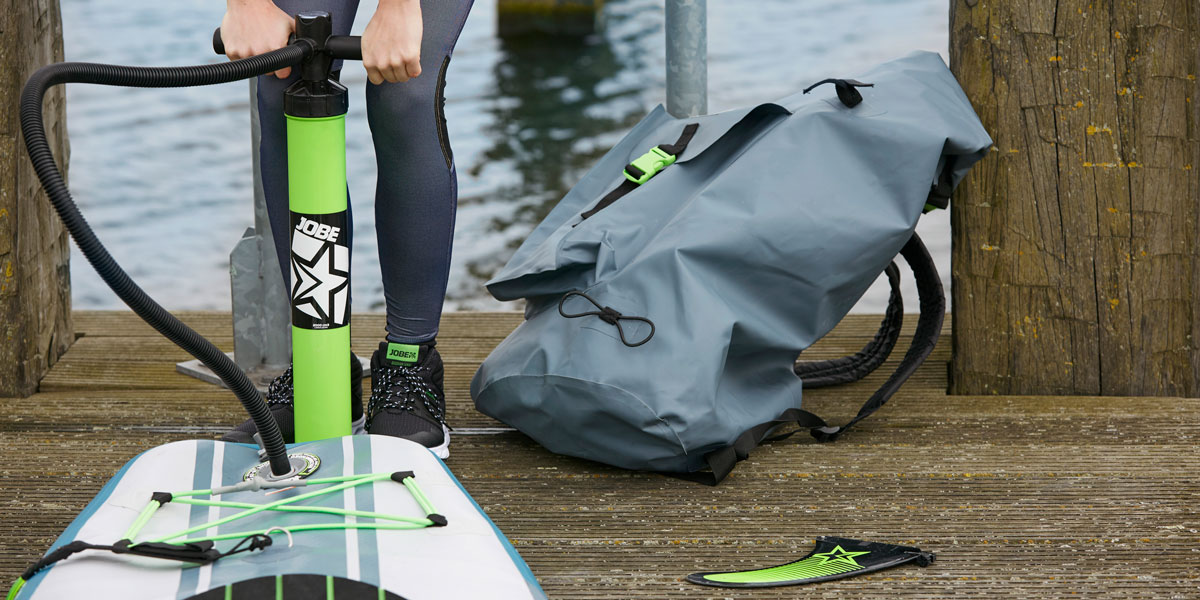
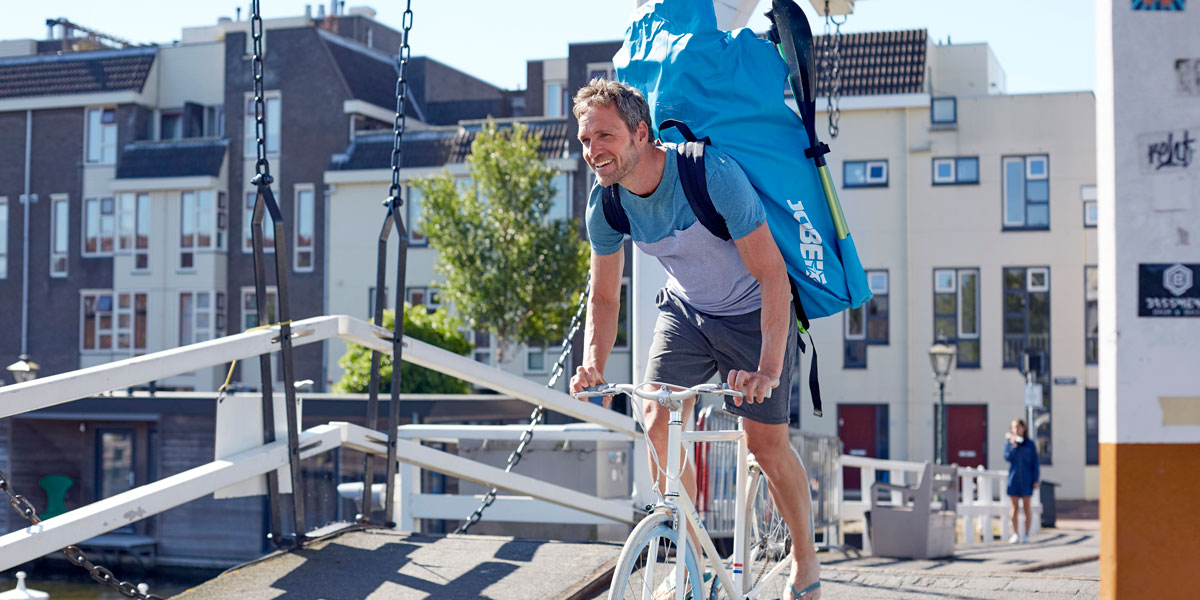
Board construction also varies significantly. Hard boards made from epoxy or fiberglass offer superior performance and durability but require more storage space and transportation effort. Inflatable boards have gained tremendous popularity due to their portability and convenience. They pack down into a backpack-sized bag, making them ideal for travelers or those with limited storage. While slightly less responsive than hard boards, modern inflatables provide excellent stability and performance for recreational paddling.
The Physical and Mental Benefits
Stand up paddle boarding delivers an exceptional full-body workout while remaining low-impact and accessible. The constant balancing engages your core muscles throughout the entire session, strengthening abdominal and back muscles that support proper posture. Your legs work continuously to maintain stability, while your arms, shoulders, and back power each paddle stroke. This combination creates a comprehensive exercise that burns calories efficiently while building functional strength.
Beyond physical fitness, paddle boarding offers significant mental health benefits. The rhythmic motion of paddling combined with the peaceful water environment creates a meditative experience that reduces stress and anxiety. Being on the water provides a natural escape from daily pressures, allowing your mind to relax and reset. Many paddlers report improved mood, better sleep, and enhanced mental clarity after regular sessions on their boards.
The sport also improves balance, coordination, and proprioception. These skills transfer to daily activities and other sports, reducing injury risk and enhancing overall body awareness. Additionally, paddle boarding accommodates all fitness levels, allowing you to control intensity by adjusting your pace, distance, and water conditions. Whether you're seeking intense exercise or gentle recreation, SUP adapts to your personal goals.
 Essential Gear and Equipment
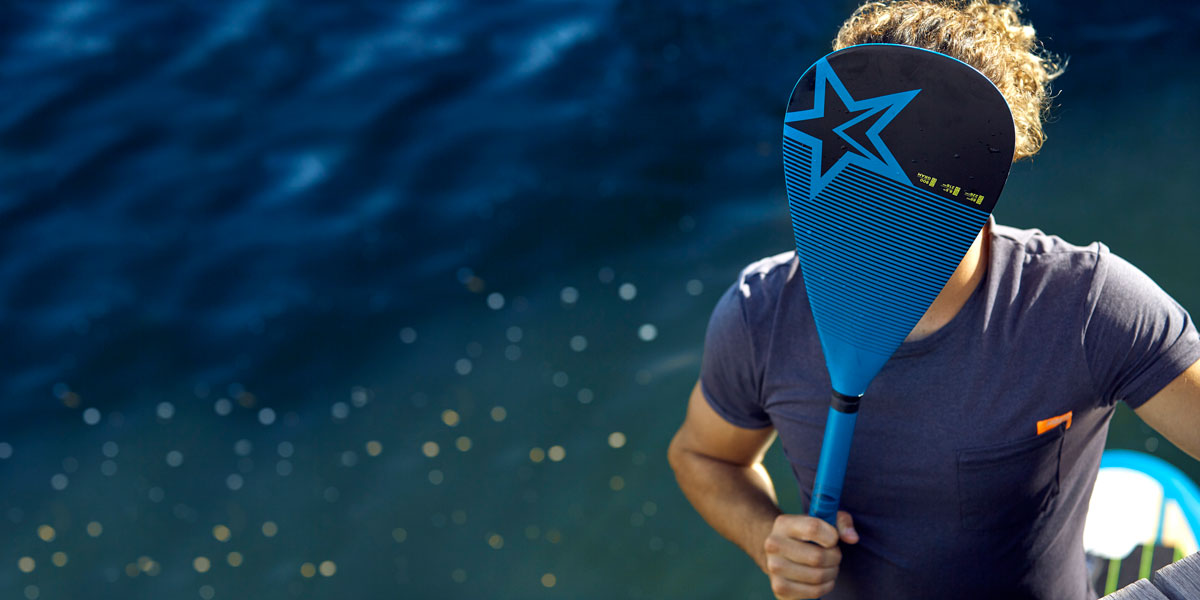
Starting your paddle boarding journey requires minimal equipment, though having the right gear significantly enhances safety and enjoyment. The most critical item is obviously the board itself, which should match your skill level and intended use. A quality paddle is equally important, with adjustable models offering versatility for different users and conditions. The paddle should generally extend about 8 to 10 inches above your head when standing on land.
Safety equipment is non-negotiable when paddle boarding. A properly fitted personal flotation device (PFD) or life jacket should always be worn or carried, as required by law in most jurisdictions. A coiled leash attaches your ankle to the board, preventing separation if you fall. This connection is crucial in current, wind, or waves where your board could drift away faster than you can swim. Choose a leash appropriate for your environment, with coiled leashes for flat water and straight leashes for surf conditions.
Additional accessories enhance comfort and functionality. Sun protection is essential, including waterproof sunscreen, a wide-brimmed hat, and UV-protective clothing. Polarized sunglasses help you see beneath the water surface and reduce glare. A waterproof bag or dry box protects phones, keys, and other valuables. For longer excursions, bring water, snacks, and appropriate clothing layers. Many paddlers also carry a whistle for emergency signaling and a basic first aid kit.
Experience Crystal-Clear Paddling
Elevate your paddle boarding experience with our transparent crystal paddleboard, offering unmatched visibility and a unique connection to the underwater world beneath you.
Mastering Basic Paddling Techniques
Learning proper technique from the beginning establishes good habits and accelerates your progression. Start by positioning yourself in the center of the board, with feet parallel and shoulder-width apart. Keep your knees slightly bent to maintain balance and absorb water movement. Your gaze should focus on the horizon rather than down at your feet, as this helps maintain equilibrium and prevents unnecessary wobbling.
The forward stroke is your primary propulsion method. Hold the paddle with one hand on top of the handle and the other on the shaft, positioning hands about shoulder-width apart. Reach forward and insert the blade fully into the water near the front of the board. Pull the paddle back using your core muscles rather than just your arms, keeping the blade vertical through the water. Remove the blade when it reaches your ankle and repeat. Switch sides every few strokes to maintain a straight course.
Turning requires different paddle techniques. For gradual turns, simply paddle more strokes on one side. The sweep stroke creates sharper turns by making a wide arc from front to back on the opposite side from your desired direction. The reverse stroke stops forward momentum or moves you backward by placing the paddle behind you and pushing forward through the water. Practice these techniques in calm, shallow water until they become natural movements.
 Safety Guidelines for Paddle Boarders
Water safety should always be your top priority when paddle boarding. Check weather forecasts and water conditions before heading out, avoiding sessions during thunderstorms, high winds, or dangerous currents. Inform someone of your plans, including your intended route and expected return time. Stay close to shore when learning, gradually increasing your distance as skills and confidence improve. Never paddle alone in remote locations or challenging conditions.
Understanding water dynamics helps you navigate safely. Wind creates waves and current that impact board control, with offshore winds being particularly dangerous as they can push you away from shore. Tides affect water levels and create currents, especially near inlets and narrow passages. Learn to read water conditions, recognizing signs of changing weather or dangerous situations. If caught in strong current, paddle parallel to shore rather than directly against it, using angles to gradually reach your destination.
Falling is inevitable, especially when learning. Practice falling away from your board to avoid injury from impact. When you fall, hold onto your paddle if possible, as it helps you climb back on. To remount, position yourself near the center of the board, hold the carry handle, and kick your legs while pulling yourself up. Roll onto your stomach first, then carefully stand up. In cold water, wear appropriate thermal protection such as a wetsuit or drysuit to prevent hypothermia.
Finding the Perfect Paddling Locations
Choosing appropriate water bodies enhances your paddle boarding experience and matches your skill level. Lakes provide ideal conditions for beginners, offering calm, predictable waters without waves or current. Many lakes feature designated swimming areas with easy beach access, making launching and landing simple. The protected environment allows you to focus on developing balance and paddle technique without environmental challenges.
Rivers and streams add variety and adventure to your paddling. Slow-moving rivers with minimal rapids suit intermediate paddlers looking for gentle current and scenic surroundings. Always research river conditions beforehand, understanding flow rates, potential hazards, and access points. Some rivers require permits or have restricted areas, so verify regulations before your trip. Coastal bays and harbors offer protected ocean access with minimal waves, introducing saltwater paddling without full exposure to open sea conditions.
Open ocean paddling attracts experienced paddle boarders seeking adventure and challenge. Ocean conditions vary dramatically with weather, tides, and swell, requiring advanced skills and excellent fitness. Start with calm days and small waves, gradually progressing to more demanding conditions. Surf zones offer exciting wave riding opportunities but demand respect, proper training, and awareness of other water users. Join local paddle boarding groups or clubs to discover the best spots in your area and connect with experienced paddlers who can share valuable insights.
 Caring for Your Equipment
Proper maintenance extends the life of your paddle board and ensures optimal performance. After each use, rinse your board thoroughly with fresh water, especially after saltwater sessions. Salt and sand act as abrasives, potentially damaging board surfaces and components over time. Pay special attention to the fin boxes, handles, and valve areas where debris tends to accumulate. Allow the board to dry completely before storage to prevent mold and mildew growth.
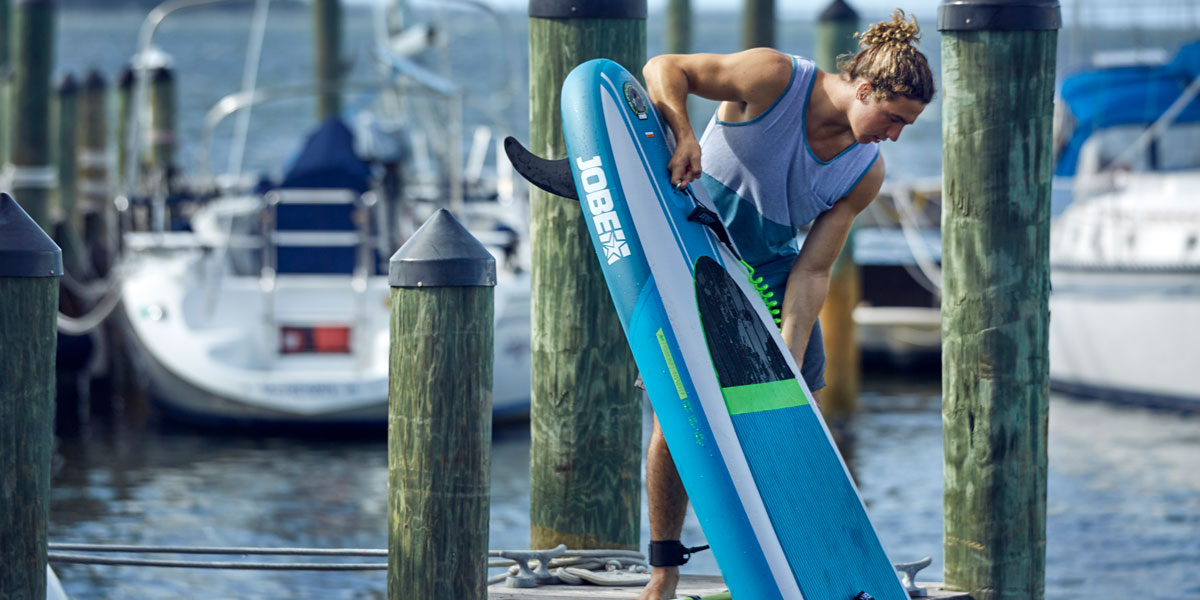
Store your board in a cool, dry location away from direct sunlight and extreme temperatures. UV exposure degrades materials, causing discoloration and structural weakening. For inflatable boards, ensure they're completely dry before rolling and storing in their bags. Maintain recommended air pressure during storage to preserve shape and prevent material stress. Hard boards should be stored horizontally on racks or vertically against walls with adequate padding to prevent pressure points and dings.
Regularly inspect your equipment for damage or wear. Check for cracks, delamination, or soft spots on hard boards. Examine inflatable boards for punctures, leaking valves, or seam separation. Inspect your paddle for cracks in the shaft or blade, and tighten any loose adjustment mechanisms. Address minor repairs promptly to prevent them from becoming major issues. Most paddle board retailers offer repair services, or you can purchase repair kits for simple fixes. Maintaining your equipment properly ensures it remains ready for your next adventure on the water.
Advancing Your Skills
Once you've mastered basic techniques, numerous opportunities exist to expand your paddle boarding abilities. Consider taking lessons from certified instructors who can provide personalized feedback and introduce advanced techniques. Many paddle board shops and water sports centers offer clinics focusing on specific skills such as surf paddling, racing technique, or distance touring. These structured learning experiences accelerate improvement while emphasizing safety and proper form.
Challenge yourself with different paddling disciplines to develop well-rounded skills. Try SUP yoga to enhance balance, core strength, and mindfulness. Experiment with fishing from your board, combining paddling with angling for a unique outdoor experience. Distance paddling builds endurance and allows you to explore further destinations. Wave riding adds excitement and tests your balance in dynamic conditions. Each discipline develops different skill sets while keeping your paddle boarding fresh and engaging.
Join the paddle boarding community by participating in local events, races, or group paddles. These gatherings provide motivation, introduce you to new friends who share your passion, and expose you to different techniques and equipment. Many communities host casual sunset paddles, charity events, or social gatherings that welcome paddlers of all levels. Engaging with fellow enthusiasts enriches your experience and creates lasting connections within the sport.
Begin Your Paddle Boarding Journey Today
Stand up paddle boarding offers an accessible gateway to water-based recreation, exercise, and adventure. Whether you seek peaceful exploration, intense workouts, or competitive challenges, SUP adapts to your goals and preferences. The combination of physical benefits, mental relaxation, and connection with nature creates a holistic activity that enhances overall well-being. With minimal equipment requirements and a gentle learning curve, almost anyone can experience the joy of gliding across the water.
Start your journey by renting equipment from local shops to determine what style and size works best for you. Many locations offer demo days where you can test various boards before making a purchase decision. Invest in quality safety gear and proper instruction to build a solid foundation. Remember that everyone progresses at their own pace, so be patient with yourself as you develop skills and confidence.
The water awaits with endless possibilities for discovery and enjoyment. Whether paddling across a glassy lake at sunrise, navigating coastal waters with friends, or simply floating peacefully to clear your mind, stand up paddle boarding provides experiences that enrich life and create lasting memories. Take that first step onto the board and discover why millions of people worldwide have embraced this remarkable sport. Your adventure on the water begins now.