
Master the Rapids: Everything You Need to Know
Introduction to Whitewater Kayaking
Whitewater kayaking represents one of the most exhilarating outdoor adventures available to water sports enthusiasts. This dynamic activity combines technical skill, physical endurance, and mental fortitude as paddlers navigate through rushing rivers, cascading rapids, and turbulent water features. Whether you're drawn to the adrenaline rush of challenging rapids or the serene beauty of flowing waterways, whitewater kayaking offers an unmatched connection with nature's raw power.
The sport has evolved significantly over the decades, transforming from a niche pursuit into a widely accessible recreational activity. Modern equipment innovations, improved safety protocols, and comprehensive training programs have made whitewater kayaking safer and more enjoyable for participants of all skill levels. From peaceful class I streams perfect for beginners to intense class V rapids that challenge even the most experienced paddlers, there's a whitewater experience suited for everyone.
This comprehensive guide will walk you through everything you need to know about whitewater kayaking, from understanding different kayak types to mastering essential techniques and prioritizing safety on the water.
Understanding Kayak Categories
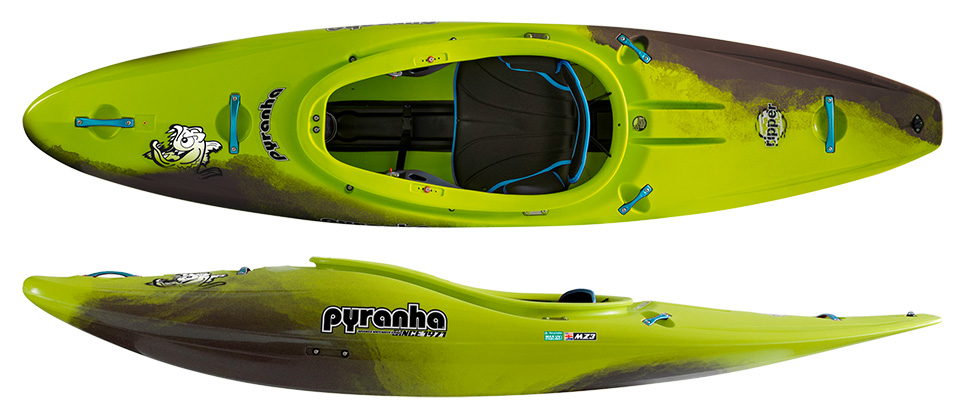
Freestyle Kayaks
Freestyle kayaks are specifically engineered for performing aerial maneuvers, spins, and acrobatic tricks in river features such as holes, waves, and eddies. These highly specialized boats feature shortened lengths, typically ranging from six to eight feet, with distinctive flat hulls and planing surfaces that enable quick rotation and dynamic movements. The reduced volume and responsive design allow skilled paddlers to execute complex freestyle moves including cartwheels, loops, and blunts.
The hull design of freestyle kayaks prioritizes maneuverability over tracking, making them less suitable for long-distance river running but ideal for playboating in specific wave features. Advanced paddlers appreciate the immediate response these boats provide, allowing them to capitalize on hydraulic features and perform competition-level freestyle routines. While challenging for beginners, freestyle kayaks open up an entirely new dimension of whitewater kayaking for those willing to develop the necessary skills.
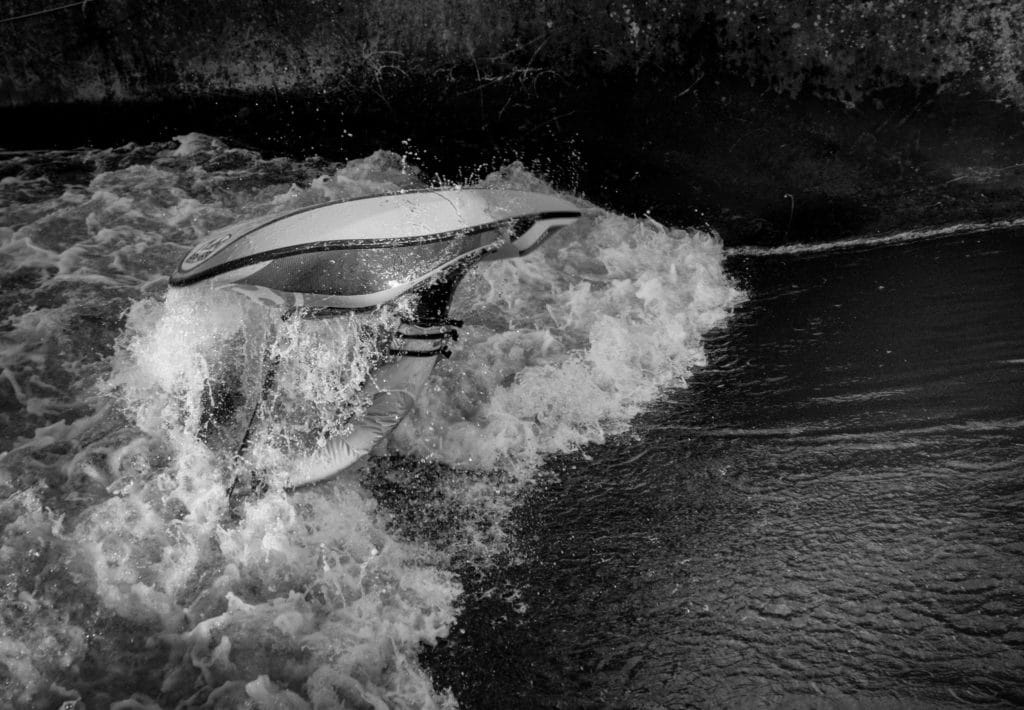
River Running Kayaks
River running kayaks represent the most versatile category in whitewater paddling, designed to handle extended downstream journeys while maintaining excellent maneuverability in rapids. These boats typically measure between eight and ten feet in length, striking an optimal balance between stability and agility. The moderate rocker profile allows them to navigate wave trains effectively while maintaining sufficient tracking for efficient river travel.
The hull design incorporates generous volume distribution, providing increased buoyancy and forgiveness when encountering turbulent water. This makes river runners particularly suitable for intermediate paddlers developing their skills and confidence in progressively challenging whitewater. The increased volume also accommodates gear storage for multi-day expeditions, expanding the possibilities for wilderness kayaking adventures.
Modern river running designs often feature adjustable outfitting systems, allowing paddlers to customize the fit for optimal control and comfort during extended sessions. Whether navigating technical boulder gardens or surfing standing waves, river running kayaks deliver reliable performance across diverse whitewater environments.

Creekboats
Creekboats are purpose-built for navigating steep, technical waterways characterized by significant gradient drops, boulder-strewn channels, and powerful hydraulic features. These kayaks feature maximum volume distribution, particularly in the bow and stern sections, providing essential flotation for punching through large holes and resurfacing quickly after deep drops. The increased volume creates a forgiving platform that helps paddlers maintain control in chaotic whitewater conditions.
The hull geometry typically includes substantial rocker, allowing the boat to pivot over submerged obstacles and navigate tight, technical lines through complex rapid sequences. Reinforced construction standards ensure these kayaks can withstand the punishment of repeated impacts with rocks and other river hazards. The cockpit area often features enhanced outfitting with additional padding and support systems to protect paddlers during aggressive creek descents.
Experienced paddlers value creekboats for their confidence-inspiring stability and resilience in demanding environments. While they sacrifice some playfulness compared to shorter designs, creekboats excel at their intended purpose: safely navigating challenging gradient rivers and steep mountain creeks where margin for error is minimal.
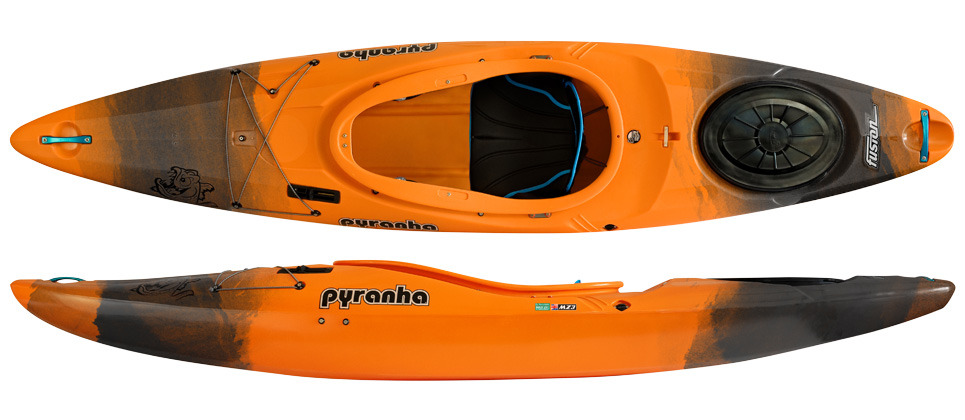
Longboats
Longboats emphasize speed and tracking efficiency, featuring extended lengths typically exceeding ten feet with narrow beam profiles that slice through water with minimal resistance. These kayaks are optimized for covering distance on large volume rivers where sustained paddling speed is more valuable than quick turning capability. The elongated waterline and refined hull shape enable impressive glide characteristics, allowing paddlers to maintain momentum with less effort.
The design philosophy behind longboats prioritizes directional stability and wave-piercing ability, making them ideal for big water environments where reading currents and maintaining course through powerful features is essential. These boats excel on high-volume rivers and during expeditions where efficiency and cargo capacity take precedence over playful maneuverability.
While longboats require more advanced planning and commitment when entering rapids due to their reduced turning capability, skilled paddlers appreciate the powerful, purposeful feel these boats provide in appropriate environments. They represent an excellent choice for expedition kayaking and long-distance river travel.
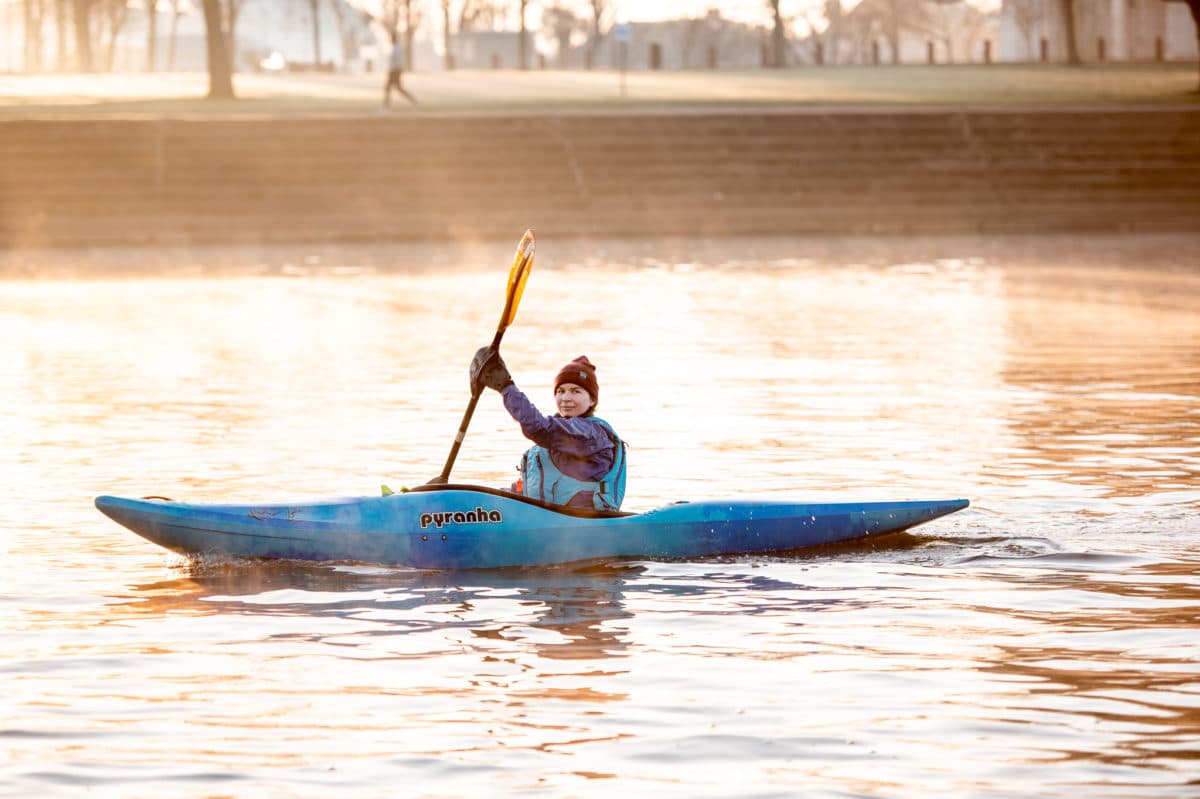
Crossover Designs
Crossover kayaks blend characteristics from multiple categories, creating versatile platforms suitable for paddlers who engage in various paddling styles or those still exploring their preferences. These hybrid designs typically incorporate moderate dimensions and balanced performance features, allowing competent handling across different water conditions without the specialization of category-specific boats.
The crossover category has expanded significantly as manufacturers recognize the demand for do-everything kayaks that perform reasonably well in diverse environments. While they may not match specialized designs in their specific domains, crossover kayaks offer practical solutions for paddlers with limited storage space or those seeking maximum versatility from a single boat. These designs are particularly popular among recreational paddlers and those progressing through intermediate skill levels.
Essential Techniques and Skills
Paddle Strokes and Boat Control
Mastering fundamental paddle strokes forms the foundation of effective whitewater kayaking. The forward stroke provides propulsion and momentum, while the sweep stroke enables turning and directional changes. Draw strokes allow lateral movement, essential for positioning in current, and the stern rudder provides precise course corrections. Advanced paddlers develop the ability to chain these strokes seamlessly, maintaining boat control while reading upcoming rapids and planning routes through complex features.
Eddy Turns and Ferrying
Eddy turns allow paddlers to exit the main current into calm water behind obstacles, providing opportunities to rest, scout, or assist other group members. Executing clean eddy turns requires proper angle, speed, and edge control as you cross the eddy line. Ferrying techniques enable lateral movement across current without losing downstream position, crucial for navigating to specific routes or avoiding hazards. These skills transform paddlers from passive participants into active river navigators capable of controlling their journey downstream.
Bracing and Rolling
Bracing techniques prevent capsizing by providing support during moments of instability. The low brace and high brace offer different levels of support depending on the situation, allowing paddlers to recover from off-balance positions. The kayak roll represents perhaps the most valuable skill in whitewater kayaking, enabling paddlers to right themselves after capsizing without exiting the boat. A reliable roll dramatically expands the rapids you can safely attempt and provides confidence when pushing personal limits. Developing consistent roll technique requires dedicated practice but pays dividends throughout your paddling career.
Reading Water
Understanding river hydrology and recognizing surface features separates competent paddlers from beginners. Learning to identify eddies, waves, holes, and current differentials allows you to plan efficient routes and avoid dangerous features. Recognizing the subtle surface patterns that indicate submerged rocks, deep channels, and powerful hydraulics becomes intuitive with experience. This skill development never truly ends, as each river presents unique characteristics and seasonal variations create constantly changing conditions.
Safety Considerations and Best Practices
Critical Safety Principles
Whitewater kayaking inherently involves risk, but understanding and implementing proper safety protocols significantly reduces danger while maximizing enjoyment. Always wear an appropriately fitted personal flotation device rated for whitewater use, and never paddle without a properly secured helmet. These two pieces of equipment provide essential protection against the most common injury mechanisms in whitewater environments.
Never paddle alone, especially when attempting unfamiliar rivers or challenging rapids. A minimum group size of three paddlers provides redundancy if rescue becomes necessary, allowing one person to provide assistance while another seeks additional help if required. Establish clear communication signals within your group before launching, ensuring everyone understands hand signals for stop, go, emergency, and other essential messages.
Honest self-assessment regarding skill level and physical condition prevents dangerous situations. Attempting rapids beyond your current ability creates risks for yourself and potential rescuers. Progressive skill development through appropriate challenges builds competence safely over time. Weather conditions, water levels, and personal factors all influence safety margins and should factor into decision-making before committing to any rapid or river section.
Essential Safety Gear
Beyond the basic helmet and PFD, carry a whistle for signaling, a river knife for entanglement situations, and a throw rope for assisting swimmers. Additional protective equipment may include paddle floats, dry bags, and first aid supplies appropriate for remote environments.
Swift Water Rescue Training
Formal swift water rescue courses teach essential techniques for assisting swimmers, recovering equipment, and responding to emergency situations. These skills prove invaluable when incidents occur and significantly improve overall group safety standards.
Environmental Awareness
Understanding hypothermia risks, recognizing signs of heat exhaustion, and monitoring weather patterns prevents medical emergencies. Proper clothing selection for water temperature conditions provides critical protection against cold water immersion scenarios.
Choosing Your Equipment
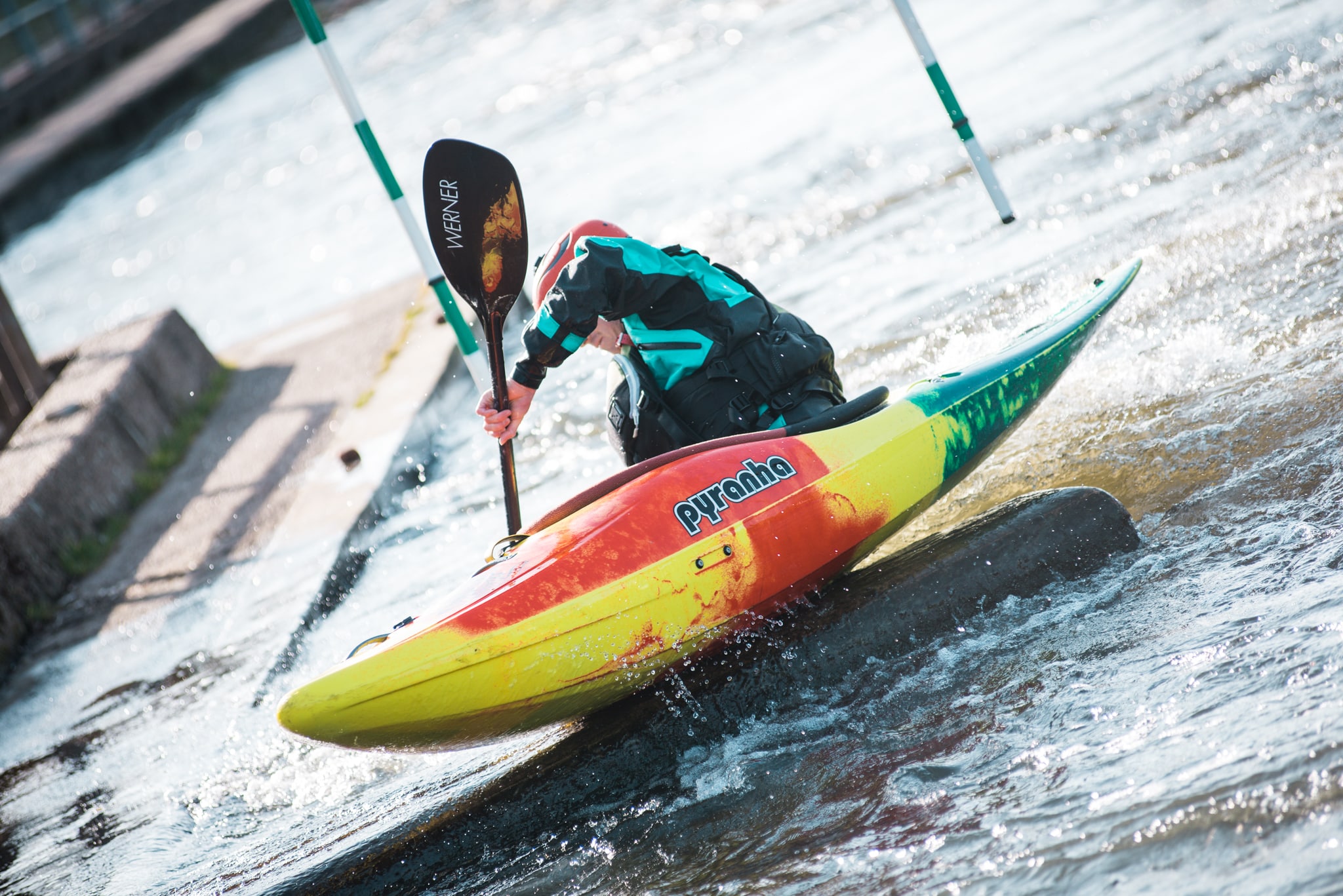
Selecting appropriate whitewater kayaking equipment represents a significant decision that impacts your safety, performance, and enjoyment on the river. Understanding the relationship between boat design, personal physiology, and intended use ensures optimal equipment choices that support skill development and paddling goals.
Boat Selection Factors
Paddler weight significantly influences appropriate kayak selection, as boats designed for lighter individuals perform poorly for heavier paddlers and vice versa. Volume distribution and hull displacement must match your weight to achieve the intended waterline and performance characteristics. Consult manufacturer specifications carefully, as most designs specify optimal weight ranges for peak performance.
Physical dimensions including leg length, torso height, and foot size affect cockpit fit and outfitting requirements. Proper fit allows efficient energy transfer through the boat while maintaining comfort during extended sessions. Many kayaks offer adjustable outfitting systems, but basic hull dimensions must accommodate your physiology.
Consider your primary paddling environments and skill development trajectory when choosing designs. A beginner might prioritize stability and forgiveness, while advancing paddlers often seek more responsive, performance-oriented characteristics. Honest assessment of current abilities and realistic projection of progression timelines prevents premature equipment choices that may hinder development or prove unsafe.
Featured Whitewater Kayak
Experience exceptional river running performance with advanced design features that deliver stability, control, and versatility across various whitewater conditions. Engineered for paddlers seeking reliable performance and progressive skill development.
Dagger Rewind KayakAdditional Equipment Essentials
Quality paddles constructed from lightweight, durable materials enhance efficiency and reduce fatigue. Paddle length should match your physiology and boat width, with whitewater paddles typically shorter than touring designs. Blade shape affects power delivery and versatility, with asymmetric designs offering balanced performance.
Spray skirts create a watertight seal around the cockpit, preventing water entry and enabling rolling techniques. Neoprene skirts provide secure attachment and durability for whitewater conditions. Proper spray skirt fit ensures easy release during wet exits while maintaining security during normal paddling and rolling.
Training and Skill Development
Structured learning through qualified instruction accelerates skill acquisition while establishing proper techniques from the outset. Professional kayaking schools offer comprehensive curricula covering essential skills, safety protocols, and river reading abilities. These programs provide controlled environments for practicing maneuvers before applying them in dynamic river conditions.
Beginner Foundations
Initial instruction focuses on fundamental strokes, basic maneuvers, and wet exit procedures. Building confidence through controlled progression prevents overwhelming students while establishing solid technical foundations.
Intermediate Advancement
Developing reliable rolling technique, refining boat control, and learning to read complex water features characterizes intermediate progression. Exposure to varied river environments builds adaptability and decision-making skills.
Advanced Mastery
Advanced paddlers refine technique efficiency, develop specialized skills for specific disciplines, and cultivate judgment for complex decision-making in challenging environments. Continued learning remains essential regardless of experience level.
The Importance of Practice
Consistent practice develops muscle memory and intuitive responses essential for dynamic whitewater environments. Regular sessions maintain skills and build confidence, while extended absences from paddling require gradual reintroduction to previous difficulty levels. Quality practice emphasizes deliberate focus on specific techniques rather than simply accumulating river miles.
Video analysis provides valuable feedback on technique execution, revealing inefficiencies and areas for improvement that may not be apparent through self-assessment alone. Working with experienced mentors accelerates learning through observation, immediate feedback, and shared knowledge from their own development journeys.
River Classification System
The International Scale of River Difficulty provides standardized classifications for whitewater rapids, helping paddlers assess whether specific river sections match their current skill levels. Understanding these classifications promotes safe decision-making and appropriate challenge selection.
Class I - Easy
Fast moving water with small waves and minimal obstacles easily avoided by novice paddlers. Self-rescue is straightforward.
Class II - Novice
Straightforward rapids with wide, clear channels evident without scouting. Occasional maneuvering required but accessible to paddlers with basic skills.
Class III - Intermediate
Rapids with moderate, irregular waves requiring significant maneuvering in fast current. Scouting advisable for inexperienced paddlers. Self-rescue generally successful for trained paddlers.
Class IV - Advanced
Intense, powerful rapids requiring precise boat handling in turbulent water. Scouting mandatory due to hazards and complex routes. Dependable roll essential.
Class V - Expert
Extremely long, violent rapids with highly congested routes requiring precise execution. Rescue conditions difficult and significant hazard exists. Only for expert paddlers with extensive experience.
Class VI - Extreme
Nearly impossible and very dangerous rapids with extreme hazards. Exemplifies the outer limits of difficulty for expert teams under favorable conditions. Serious injury or death probable.
Begin Your Whitewater Journey
Whitewater kayaking offers endless opportunities for adventure, personal growth, and connection with nature's most dynamic environments. Whether you're drawn to the technical challenge of navigating complex rapids, the meditative flow state achieved through skillful paddling, or the camaraderie of shared river experiences, this sport provides rewards that extend far beyond the riverbank. Start with proper instruction, invest in quality equipment suited to your goals, and embrace the journey of continuous learning. The rivers are waiting, and countless memorable experiences lie downstream for those willing to take the first strokes into the current.
Your adventure starts here at Backyard Provider - Equipping outdoor enthusiasts with premium gear for every journey.