
Transform your outdoor space into a premier basketball court with the perfect hoop system
Installing an inground basketball hoop represents more than just adding sports equipment to your property—it's an investment in your family's health, entertainment, and your home's overall value. Unlike portable alternatives that wobble and shift, inground systems deliver professional-grade stability and performance that will serve your household for decades to come.
This comprehensive guide walks you through everything you need to know about selecting, installing, and maximizing your inground basketball hoop investment.
Why Inground Basketball Hoops Are Superior
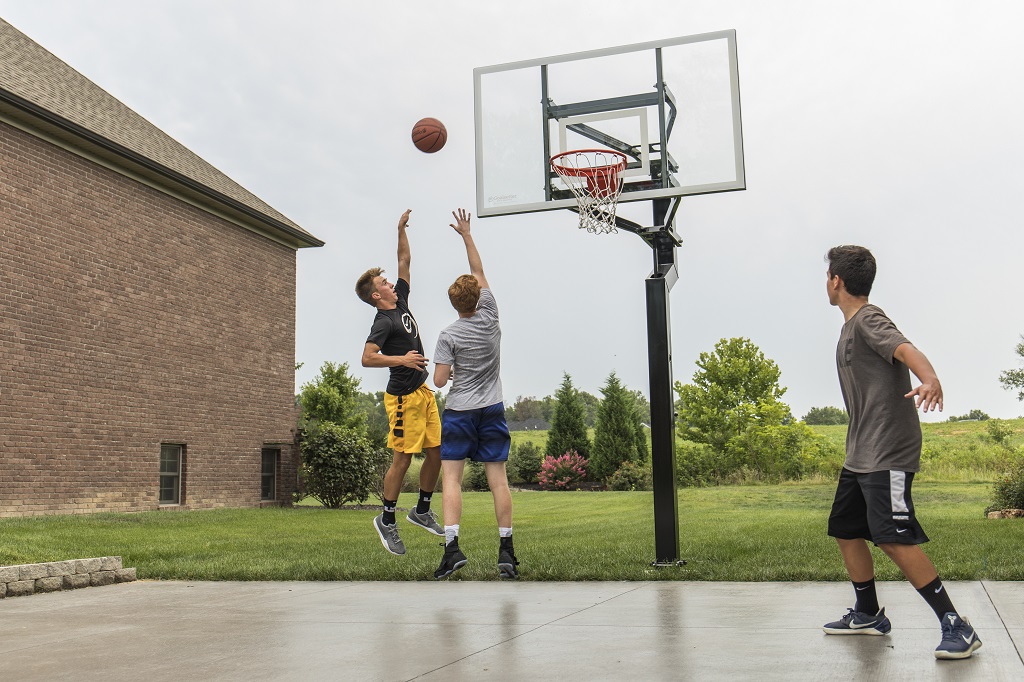
When evaluating basketball hoop options for your backyard, inground systems stand head and shoulders above portable and wall-mounted alternatives. The distinction isn't merely about quality—it's about creating a genuine basketball experience that rivals professional courts.
Unmatched Stability
Concrete-anchored posts eliminate wobbling and shaking, providing rock-solid performance that handles aggressive play and dunking without compromising safety or gameplay quality.
Professional Experience
Authentic bounce response and rim reaction mirror regulation basketball courts, helping players develop proper shooting form and muscle memory for competitive play.
Lasting Durability
Built from premium materials with weather-resistant coatings, these systems withstand decades of use and harsh outdoor conditions while maintaining peak performance.
Enhanced Property Value
Permanent basketball courts appeal to active families and sports enthusiasts, making your home more attractive to potential buyers and increasing marketability.
Clean Aesthetics
Streamlined installation creates a polished, integrated look that enhances your backyard's appearance rather than cluttering it with bulky bases and support structures.
Space Optimization
Without cumbersome base units occupying valuable court space, players enjoy maximum room for movement, dribbling, and realistic game scenarios.
Boosting Your Home's Value and Appeal
A professionally installed inground basketball hoop does more than provide entertainment—it strategically enhances your property's market position. Real estate professionals consistently report that outdoor recreational amenities appeal strongly to families with active children and teenagers.
Consider these value-adding benefits:
- Creates a distinctive selling feature that differentiates your property from comparable listings in your neighborhood
- Demonstrates thoughtful property improvements and maintenance, signaling a well-cared-for home to prospective buyers
- Expands functional outdoor living space, providing year-round activity options that keep families engaged with their property
- Offers immediate usability unlike amenities requiring renovation or activation, making your home move-in ready
- Appeals specifically to demographic segments willing to pay premium prices for family-friendly recreational features
Beyond monetary value, inground hoops contribute to neighborhood character and community connection. They encourage outdoor activity, facilitate social interaction among neighbors, and create gathering spaces where friendships develop naturally through pick-up games and informal tournaments.
Determining Your Space Requirements
Proper spatial planning ensures your basketball court functions optimally while maintaining safety and playability. While you don't need NBA-regulation dimensions, understanding minimum requirements prevents installation regrets and maximizes enjoyment.
Essential Measurements
A functional half-court setup requires a minimum playing surface of 30 feet wide by 25 feet deep. This provides adequate room for shooting practice, one-on-one games, and basic drills without feeling cramped or dangerous.
However, serious players and families desiring more authentic gameplay should target 50 feet by 30 feet or larger. This expanded area accommodates:
Three-point shooting: Practice range shots from regulation distances
Full-court drills: Run layup lines and fast-break exercises
Competitive games: Support three-on-three tournaments comfortably
Safety zones: Maintain clearance preventing collision injuries
⚠️ Critical Clearance Considerations
Always maintain at least 5 feet of clearance behind the baseline and 3 feet on each sideline. This buffer zone prevents players from running into fences, walls, landscaping, or other hazards during intense gameplay. Additionally, verify overhead clearance of at least 20 feet to accommodate high-arcing shots without interference from tree branches, power lines, or roof overhangs.
Choosing the Right Backboard Material
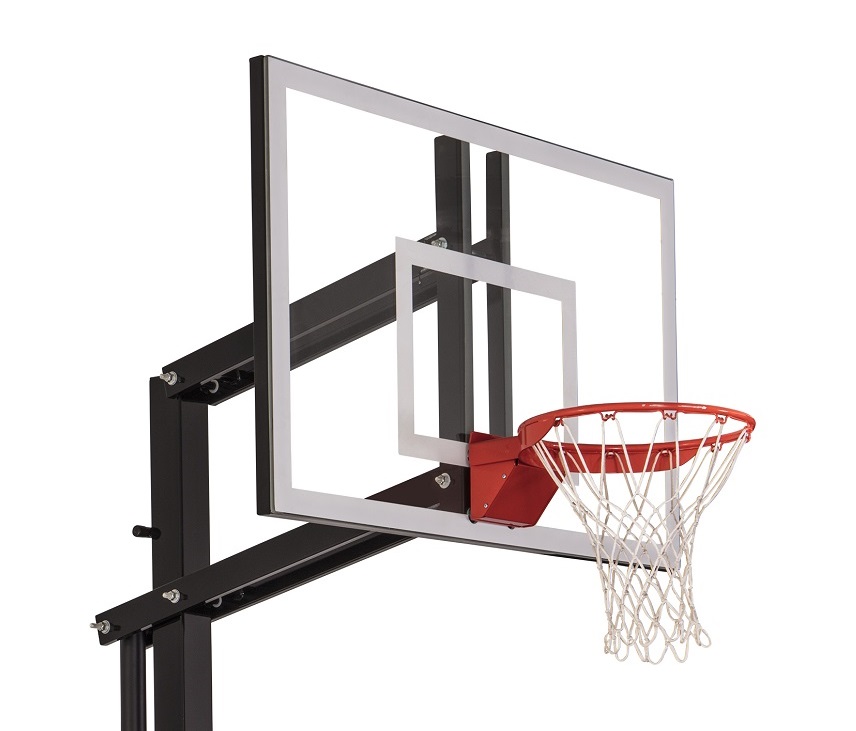
Your backboard selection significantly impacts gameplay quality, longevity, and overall satisfaction. Each material offers distinct performance characteristics and price points. Understanding these differences helps you match your investment to your actual usage patterns and skill development goals.
Understanding Pole Configurations
Pole design dramatically affects court playability, safety, and aesthetics. The configuration determines how much playing space remains unobstructed and influences the system's overall stability and professional appearance.
Three-Piece Single-Pole Systems
This classic design features a vertical pole directly supporting the backboard, commonly found in driveways and neighborhood courts. The straightforward construction keeps costs manageable while delivering solid performance.
Best suited for:
Driveways, smaller courts, budget-conscious installations, and settings where pole interference poses minimal concern during gameplay.
Offset Pole Systems
Premium offset designs position the pole outside the baseline, connected to the backboard via an extended arm. This configuration maximizes playable space and eliminates collision risks, creating an authentic court experience.
Best suited for:
Dedicated courts, competitive players, families prioritizing safety, and installations replicating professional arena aesthetics and functionality.
💡 Professional Recommendation
If your budget permits, offset pole systems deliver superior long-term value despite higher upfront costs. The unobstructed baseline enables proper layup technique, eliminates dangerous pole collisions during drives, and maintains resale appeal that budget alternatives cannot match.
Selecting the Appropriate Rim System
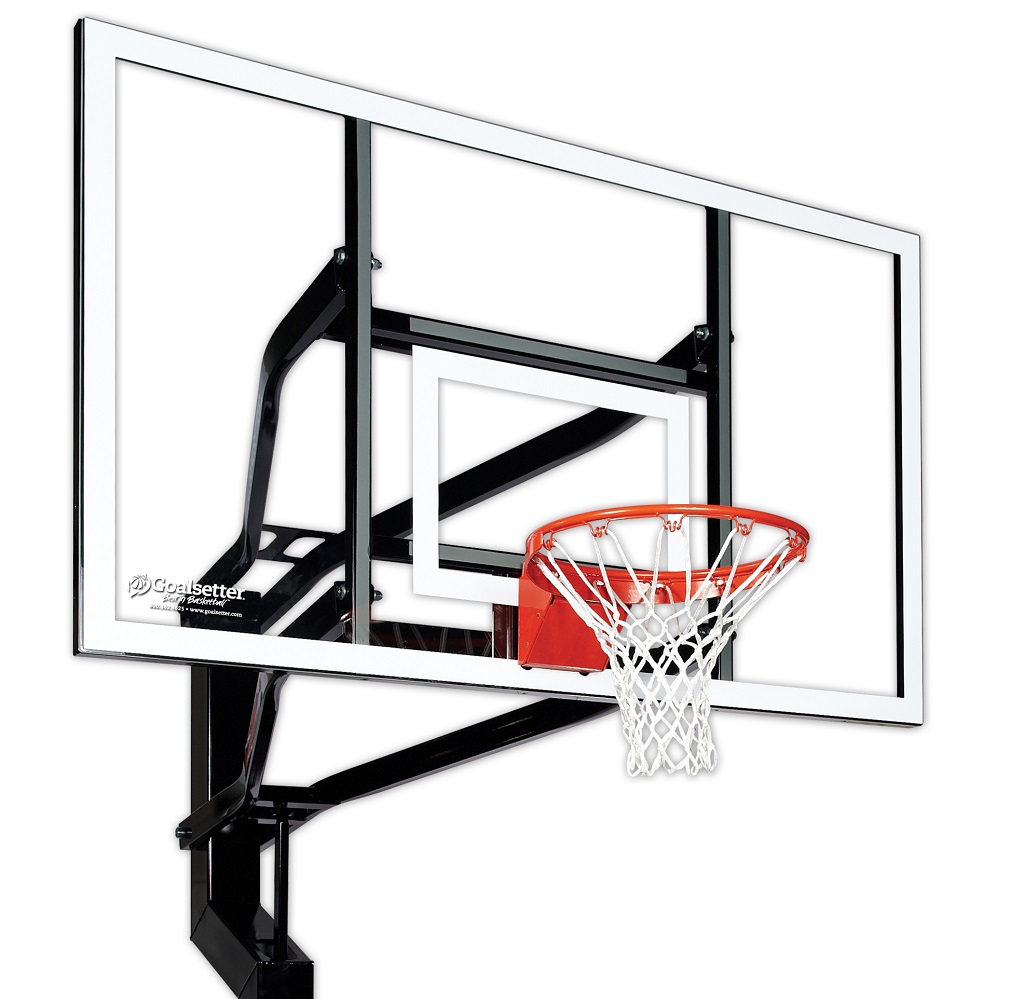
Rim selection ranks among your most critical decisions, directly impacting player safety, system longevity, and overall satisfaction. The rim absorbs tremendous stress from shooting, rebounds, and occasional dunking attempts, making quality construction non-negotiable.
Breakaway Rims: The Universal Recommendation
Breakaway (spring-loaded) rims represent the industry standard for modern basketball systems, featured on virtually all professional and collegiate courts. The mechanism allows the rim to flex downward under pressure before returning to position, absorbing impact forces that would otherwise transfer to the backboard and pole.
Critical Benefits:
- Protects backboards from cracking caused by aggressive dunking or rim-hanging
- Reduces wrist and hand injuries common with rigid rim systems
- Extends overall system lifespan by minimizing structural stress
- Provides authentic "give" sensation matching professional equipment
- Handles weather-related metal expansion and contraction without damage
Fixed Rims: Limited Application Scenarios
Traditional fixed rims lack flex mechanisms, mounting rigidly to the backboard. While these served adequately in previous decades, modern alternatives have rendered them nearly obsolete for permanent residential installations.
Significant Limitations:
- Transfers full impact force to backboard, accelerating wear and cracking
- Increases injury risk during physical play or dunking attempts
- Feels noticeably different from regulation equipment
- Offers minimal cost savings that rarely justify performance compromises
Height Adjustment Features Matter
Adjustable height mechanisms transform your basketball hoop from single-purpose equipment into versatile family recreational infrastructure. This seemingly optional feature delivers substantial practical value, particularly for households with children spanning different age ranges.
Why Adjustability Enhances Value
- Accommodates Growing Children: Lower the rim so young players develop proper shooting form rather than heaving balls unsuccessfully at regulation height
- Enables Skill Progression: Gradually increase height as abilities improve, maintaining appropriate challenge levels
- Facilitates Dunking Practice: Teenagers and adults can lower rims to practice slam dunks safely
- Supports Alternative Games: Adjust for volleyball, different basketball variations, or creative backyard games
- Increases Accessibility: Makes basketball enjoyable for players of varying abilities and physical limitations
Most quality systems offer adjustment ranges from 7.5 feet to regulation 10 feet. Mechanism quality varies significantly—premium units feature smooth, tool-free operation requiring seconds to adjust, while budget options may demand wrenches and considerable effort. Test adjustment mechanisms before purchasing to ensure family members can operate them independently.
Professional Installation vs. DIY Approach
Installation represents a critical decision point that affects system performance, longevity, and safety. While DIY installation appeals to handy homeowners seeking cost savings, the complexity and permanence of inground systems warrant careful consideration of professional alternatives.
⚠️ Critical Pre-Installation Requirement
Before any digging begins—whether DIY or professional—you must contact local utility location services (call 811 nationwide). Underground electrical lines, gas pipes, water mains, fiber optic cables, and other utilities require identification and marking. Hitting buried utilities causes service disruption, expensive repairs, serious injuries, or fatalities. This free service typically arrives within 2-3 business days.
Ready to Transform Your Backyard?
Discover premium basketball systems engineered for durability, performance, and family enjoyment
Dominator 40" Poolside HoopMaintenance Practices for Maximum Longevity
Proper maintenance protects your investment and ensures decades of reliable performance. While inground systems require minimal upkeep compared to portable alternatives, implementing these straightforward practices prevents deterioration and maintains optimal functionality.
Seasonal Maintenance Schedule
Spring Preparation
- Thoroughly clean backboard using mild soap solution and microfiber cloths
- Inspect all mounting bolts and hardware for looseness or corrosion
- Test breakaway rim mechanism ensuring smooth operation
- Replace worn or damaged net with weather-resistant replacement
- Apply protective wax to acrylic backboards maintaining clarity
Summer Monitoring
- Weekly backboard wipe-downs removing dust, pollen, and debris
- Monthly bolt checks ensuring system remains properly tensioned
- Monitor base area for settling or concrete cracking
- Lubricate height adjustment mechanisms per manufacturer guidelines
Winter Protection
- Remove nets in harsh winter climates preventing ice damage
- Clear accumulated snow from backboard and rim promptly
- Avoid using system during extreme cold when materials become brittle
- Inspect for ice formation in mechanical components
Common Issues and Solutions
Rim Becoming Loose
Tighten mounting bolts using appropriate tools, checking torque specifications in your manual. If loosening recurs frequently, apply thread-locking compound to bolts after consulting manufacturer recommendations.
Backboard Yellowing or Clouding
UV exposure gradually degrades plastic backboards. Apply automotive acrylic polish or specialized plastic restoration products designed for outdoor applications, following label directions carefully.
Pole Paint Chipping
Sand affected areas lightly, clean thoroughly, then apply rust-inhibiting primer followed by exterior-grade enamel matching original color. This prevents rust progression and maintains appearance.
Height Adjustment Difficulty
Mechanisms accumulate dirt and corrosion over time. Clean adjustment tracks, apply silicone-based lubricant to moving parts, and ensure no debris obstructs operation. Never force stuck adjustments—address underlying cause first.
Making Your Final Decision
Selecting and installing an inground basketball hoop represents a significant commitment that will shape your family's outdoor recreation for years to come. By understanding the distinctions between backboard materials, pole configurations, rim systems, and installation approaches, you position yourself to make informed decisions aligning with your budget, space constraints, and performance expectations.
Remember that quality components consistently deliver superior long-term value despite higher upfront costs. Premium materials withstand weather exposure, resist wear from aggressive play, and maintain performance characteristics that budget alternatives cannot match. The difference between adequate equipment and exceptional equipment becomes increasingly apparent over years of use.
Invest time researching manufacturers, reading verified customer reviews, and comparing warranty terms. Visit sporting goods retailers allowing hands-on inspection of different systems. Talk with neighbors who own inground hoops about their experiences and recommendations. These preliminary steps prevent costly mistakes and ensure your investment meets expectations.
Transform your backyard into a destination for active family recreation, neighborhood gatherings, and skill development that benefits players of all ages and abilities.
The memories created and skills developed around your basketball court will far exceed the initial investment, making this one of the most rewarding home improvements you can undertake.
Start Building Your Dream Court Today
Explore our selection of professional-grade basketball systems designed to elevate your backyard experience
View Dominator Basketball Hoop