
IP intercoms have become an essential component in modern access control, residential security, and building communication. Whether you are managing entry to an apartment complex, securing an office building, or simply upgrading your home doorbell system, choosing the right intercom requires careful thought. This guide walks you through everything worth considering before making your purchase.
How Will You Use the Intercom System?
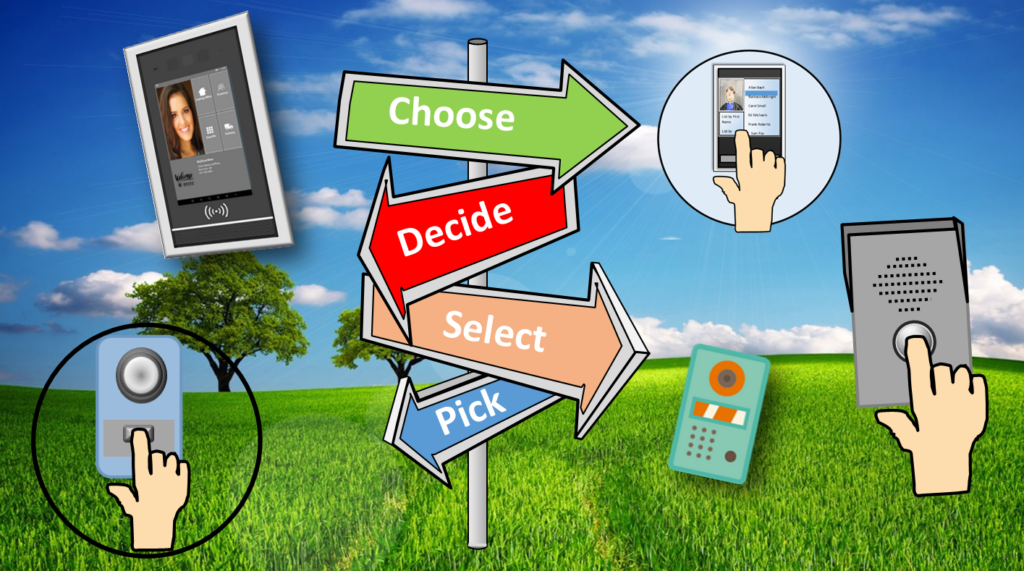
Before anything else, determine the primary purpose of your IP intercom. Will it serve as a two-way communication device, a visitor management tool, an emergency notification system, or some combination of all three? Understanding your core use case shapes every decision that follows.
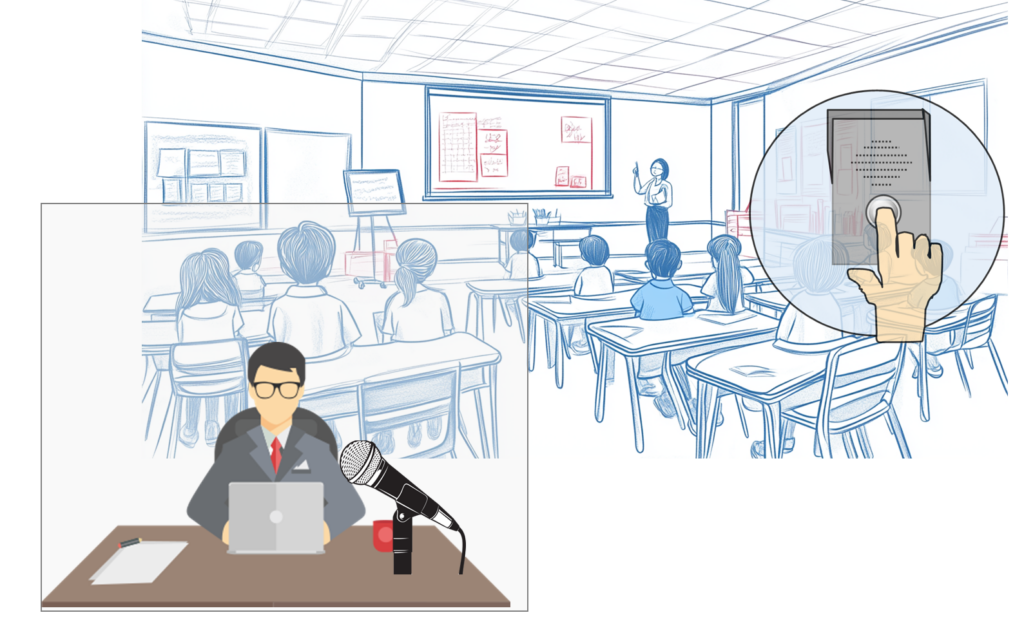
Many-to-One Systems: These allow multiple stations to contact a central location. Think of a school where every classroom can reach the front office, or an apartment building where each unit connects to a lobby panel.
Door Entry Control: IP intercoms designed for door entry can transmit both audio and video, and many include built-in relays that let you control an electronic lock remotely.
Apartment & Multi-Tenant Systems: Specialized intercoms for multi-tenant buildings often work wirelessly, making them straightforward to install. Residents can answer calls via a mobile app, view a live feed, speak with visitors, and then unlock the door — all from their phone.
You should also think about the environment. Will the intercom be mounted indoors, outdoors, or both? Outdoor units need to withstand rain, dust, temperature swings, and sometimes even vandalism. Indoor units may prioritize aesthetics and display quality instead. Make sure any product you consider is rated for the conditions it will face.
Finally, consider the user base. How many people will interact with the system daily — a handful of residents, hundreds of employees, or thousands of visitors? The scale of your operation directly influences which features matter most and how robust the hardware needs to be.
Intercom Features and Capabilities Worth Knowing
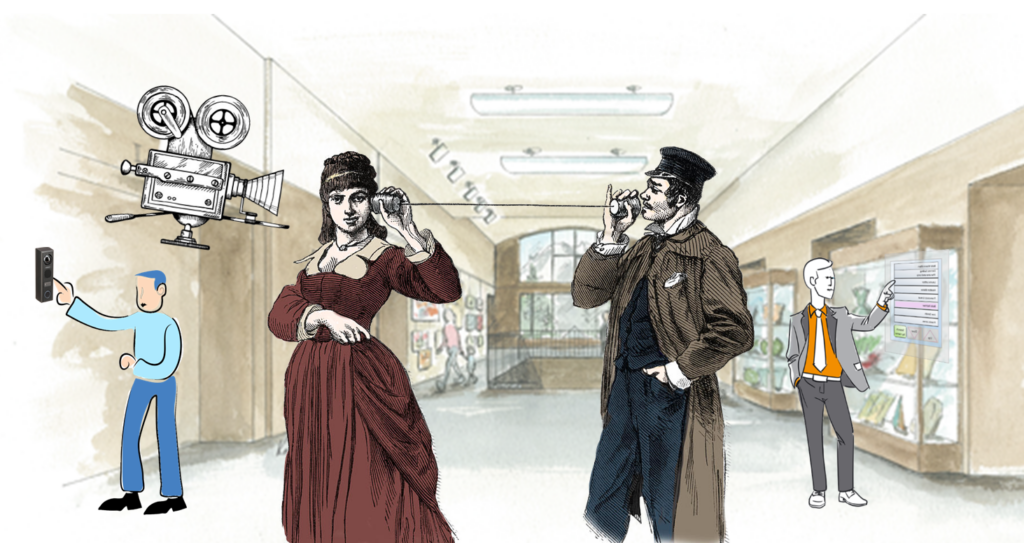
Modern IP intercoms are far more capable than the simple buzzers of the past. Here are the key features you should evaluate when comparing products:
Call Initiation
The ability to start a call from either the communication center or the endpoint device gives flexibility to both staff and visitors.
Listen-Only Mode
Some systems let the communication center quietly monitor a remote station, which can be valuable in security-sensitive environments.
Access Control Integration
Choose intercoms that pair with door locks, gates, or other access mechanisms so you can grant or deny entry without leaving your desk.
Remote Access
Look for systems that support mobile apps or web platforms so you can manage communication from anywhere in the world.
Noise Cancellation
Clear audio matters. Systems with noise-cancelling technology perform far better in busy, noisy environments like lobbies or outdoor areas.
Emergency Alerts
Panic buttons and emergency broadcast capabilities can be life-saving additions, especially in schools, hospitals, and large facilities.
Intercom Management Software
The command center software is where the real power of an IP intercom system comes together. This is the platform used to manage and communicate with every connected intercom station. Some management suites offer basic functionality while others open up a wide range of automation and customization possibilities.
For instance, the person at the main desk in a school can control door entry for every entrance and speak to individual classrooms from a single screen. More advanced software allows you to set automatic messages on a calendar-based schedule — many schools now use automated chimes, custom sounds, or music to replace the traditional class-change bell.
Software Features to Look For:
Multi-command center support • Listen-in capability for remote stations • Call button on the intercom panel • Built-in relays for controlling electric locks and magnetic strikes • Pre-recorded audio file triggers • System interruption alerts • RSS and CAP/Atom feed monitoring • Scheduled automated actions • Background operation mode • IP camera integration • VoIP connection support
When evaluating software, ask yourself whether it provides genuine automation capabilities. Can it trigger audio files automatically? Can it read RSS or CAP/Atom feeds and convert alerts to speech? Does it integrate with IP cameras for a unified security view? The best software turns your intercom from a simple talking device into a complete building communication hub.
Considerations for Specific Use Cases
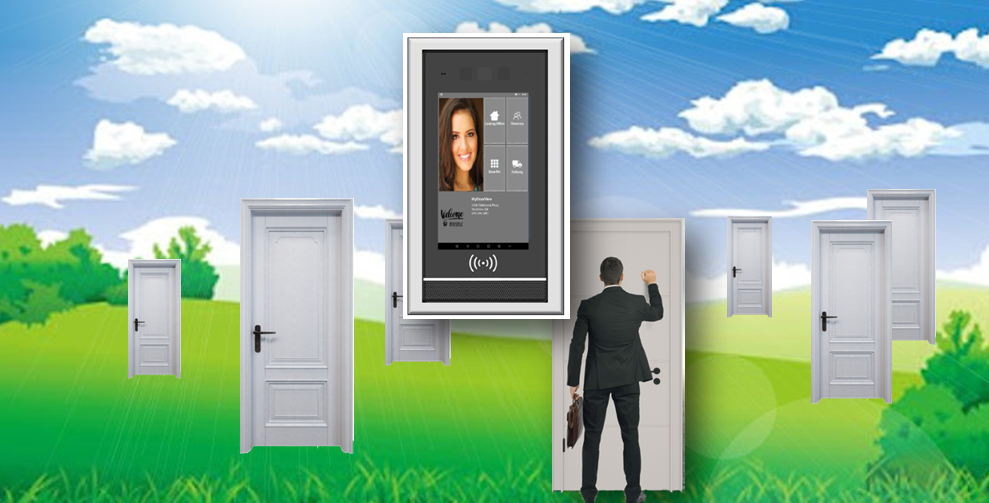
Not all intercoms are built the same, and certain environments demand specialized solutions. If you are outfitting a multi-tenant apartment building, look for intercoms that operate wirelessly and allow tenants to answer calls through a mobile app. The visitor can use the touchscreen at the entrance to find the right unit, initiate a video call, and be granted access — all without the resident ever leaving their couch.
Health-focused facilities might want to explore temperature-sensing panels that can screen individuals as they enter a building. Some advanced panels even support face recognition and mask detection, adding an extra layer of safety during health-sensitive periods.
Integrating with Other Security Systems
One of the biggest advantages of IP-based intercoms is their ability to integrate with broader security ecosystems. Connecting your intercom to IP cameras, door access control panels, and paging systems creates a unified security infrastructure that is far more effective than isolated devices working independently.
This kind of integration has proven especially valuable in apartment buildings, factories, schools, and government offices. Door access systems can keep unauthorized individuals out, while IP cameras enhanced with AI capabilities can identify potential security threats. The intercom itself serves as the human touchpoint — allowing security staff to speak directly with visitors and decide whether to grant entry.
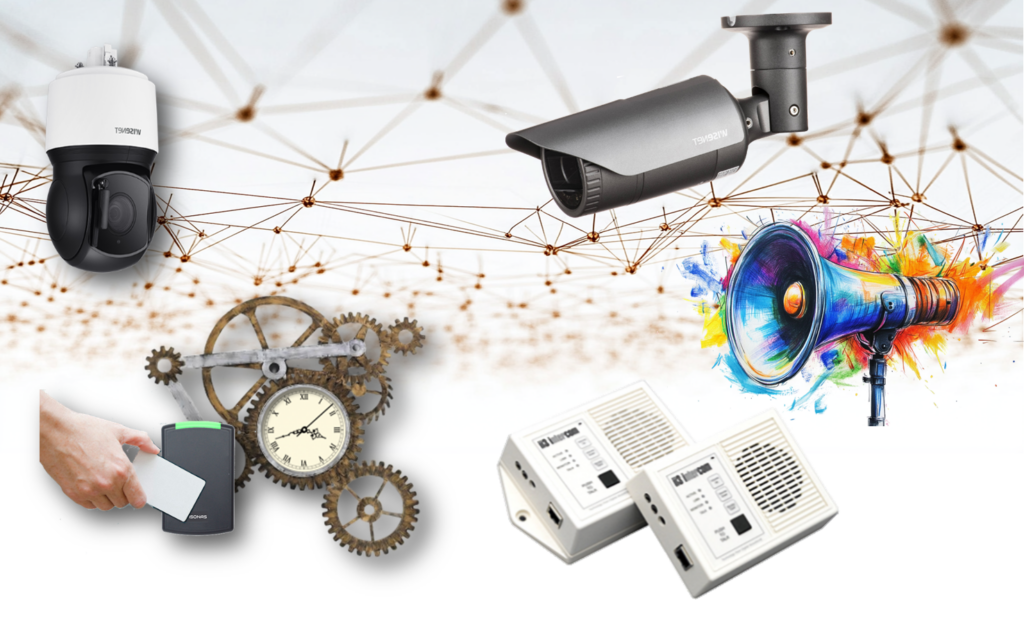
Advanced audio filters and feedback control technology have made intercom communication clearer than ever before. When paired with IP cameras and door access readers, you get a complete, cohesive door control system that covers both verification and entry management in a single workflow.
Special Situations to Plan For
Smart intercoms can do more than just facilitate conversations. Many systems can monitor events, send automatic email alerts, and trigger actions based on specific conditions. For example, you might configure the intercom to connect a door switch to an IP endpoint and have it automatically play a custom audio message whenever someone opens a particular entrance.
Systems that monitor RSS and CAP/Atom feeds can automatically convert text-based alerts into spoken announcements played through Digital Acoustic IP endpoints. This is incredibly useful for broadcasting severe weather alerts from the National Oceanic and Atmospheric Administration, or for creating your own custom on-demand announcement feeds.
Final Thoughts
Selecting the right IP intercom system comes down to understanding your specific application. Will the system be used in a school that needs classroom-to-office communication? Is it going into an apartment building that needs wireless tenant access? Or do you need to integrate it with an existing network of cameras and access control readers for a complete security solution?
Once you have clearly defined your objectives, finding the right IP intercom becomes a straightforward process. The key is matching your real-world needs to the right combination of hardware, software, and integration capabilities.