
⚡ Key Takeaways
- IP video door phones allow visitors to connect with residents or property managers through audio-visual communication over an internet connection.
- Unlike traditional intercoms, IP-based systems offer cloud management, smartphone integration, and remote access from anywhere.
- These systems integrate seamlessly with property management software, smart locks, and building automation platforms.
- Selecting the right IP door entry system depends on your property size, budget, and access control requirements.
A reliable entry system is one of the most important investments you can make for any property you manage or own. Whether you're choosing an access solution for a single-family home, a multi-tenant apartment building, or a commercial space, understanding your options is essential. If you've been considering an IP video door phone, you're on the right track — but you may still have a few questions about how these systems function and what sets them apart from older alternatives.
In this guide, we'll walk you through everything you need to know: what IP video door phones are, how they operate, how they compare to conventional intercom systems, and how to choose the ideal setup for your property.
What Is an IP Video Door Phone?
An IP video door phone is a smart access device installed at the entrance of a building that enables two-way audio and video communication between a visitor and a resident or property manager. These systems connect through your property's internet network, allowing real-time interaction regardless of where the resident happens to be.
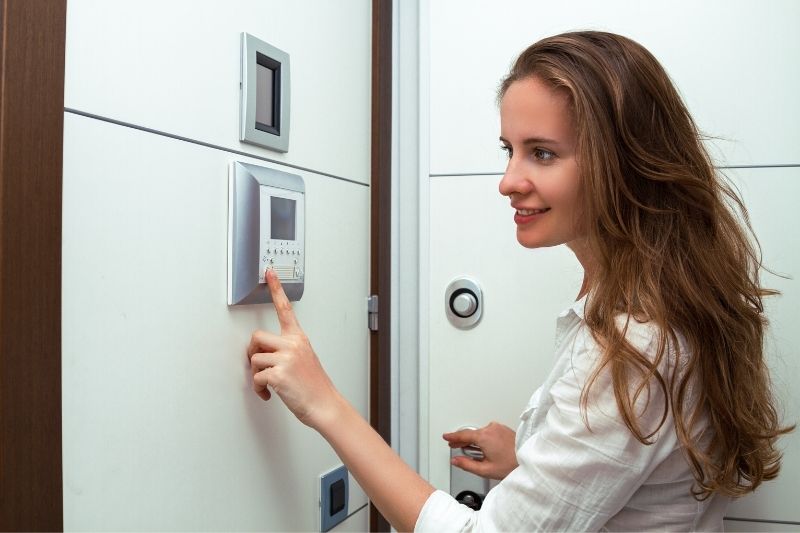
Here is what makes IP video door phones stand out from traditional options:
Internet-Based Connectivity
These devices connect to your existing network infrastructure rather than requiring dedicated phone wiring, simplifying installation and enabling remote management.
Video Verification
A built-in camera provides live video so you can visually confirm who is at the door before granting or denying access — a major security advantage over audio-only intercoms.
Smart Integration
IP door phones can be integrated with building management software, electronic locks, and automation platforms for a fully unified access control ecosystem.
How Does an IP Video Door Phone Work?
At its core, an IP video door phone functions by transmitting audio and video signals over an internet protocol (IP) network. When a visitor arrives and presses the call button, the system instantly connects to the resident's device — whether that's an indoor monitor, a desktop application, or a smartphone app.
Here is a step-by-step breakdown of how the process typically works:
Visitor Initiates Contact
The visitor approaches the door station and presses the call button. The built-in camera and microphone activate immediately, capturing real-time audio and video.
Signal Transmission
The audio and video data are transmitted over the property's local area network (LAN) or Wi-Fi connection to the connected device, whether it's inside the building or halfway across the world.
Two-Way Communication
The resident receives a notification, views the live video feed, and communicates with the visitor directly. This interaction is seamless and happens in real time with minimal latency.
Remote Access Control
After verifying the visitor's identity, the resident can unlock the door remotely via the app or indoor station. Many systems also log each access event for security records.
Cloud-Based Management
One of the most transformative features of modern IP video intercoms is cloud-based management. Instead of relying on on-site hardware to store footage and manage settings, cloud-connected systems let you administer everything remotely through a secure online dashboard or mobile application.
Cloud-based management offers numerous advantages for property owners and managers:
✓ Greater Tenant Accessibility
Cloud systems allow tenants to manage their own access credentials, grant visitor permissions, and review entry logs from anywhere using their smartphone. No need to be physically present at the property.
✓ Cost-Effective Security
Cloud platforms reduce the need for expensive on-premise servers and maintenance. Updates are delivered automatically, ensuring you always have the latest features and security patches.
✓ Streamlined Property Management
Managers overseeing multiple buildings can monitor and control access across all properties from a single centralized dashboard — saving time and reducing administrative overhead.
✓ Automatic Updates & Backups
Your system stays current with over-the-air software updates. Video logs and access records are stored securely in the cloud, eliminating the risk of losing data due to hardware failure.
Software Integrations
Traditional intercom systems operate in isolation, but IP video door phones are designed to work as part of a broader technology ecosystem. This connectivity is one of the biggest reasons property owners are upgrading to IP-based solutions.
Modern IP intercoms can integrate with a wide variety of third-party platforms, including property management software, smart lock systems, elevator controls, and security camera networks. This means you can manage visitor access, monitor entry points, and automate building operations all from one unified interface.
For property managers and building owners, this level of integration simplifies day-to-day operations considerably. Instead of juggling multiple disconnected tools, you gain a consolidated view of your entire access control infrastructure — saving time, reducing errors, and enhancing overall security.
IP Video Door Phones vs. Other Video Entry Systems
When evaluating building access solutions, you'll encounter several different types of video entry systems. Understanding how IP video door phones compare to other options is key to making a smart purchasing decision.
Older video intercom systems typically rely on hardwired connections between the door station and one or more indoor monitors. While they work reliably in small settings, they lack the flexibility, remote access capabilities, and software integrations that define modern IP-based systems. Scaling a traditional setup to accommodate a growing property or additional access points can be expensive and complex.
IP video door phones, on the other hand, transmit data over your existing network. This eliminates the need for extensive wiring, simplifies multi-location management, and opens the door to powerful features like cloud storage, mobile app control, and third-party software integration. For properties of any size, the difference in efficiency and convenience is significant.
| Feature | Traditional Intercom | IP Video Door Phone |
|---|---|---|
| Remote Access | Limited or None | Full Remote Access |
| Cloud Storage | Not Available | Included |
| Smartphone App | Rarely | Standard Feature |
| Software Integrations | Minimal | Extensive |
| Installation Complexity | High (Dedicated Wiring) | Low (Network-Based) |
How Is a Smartphone-Based System Different?
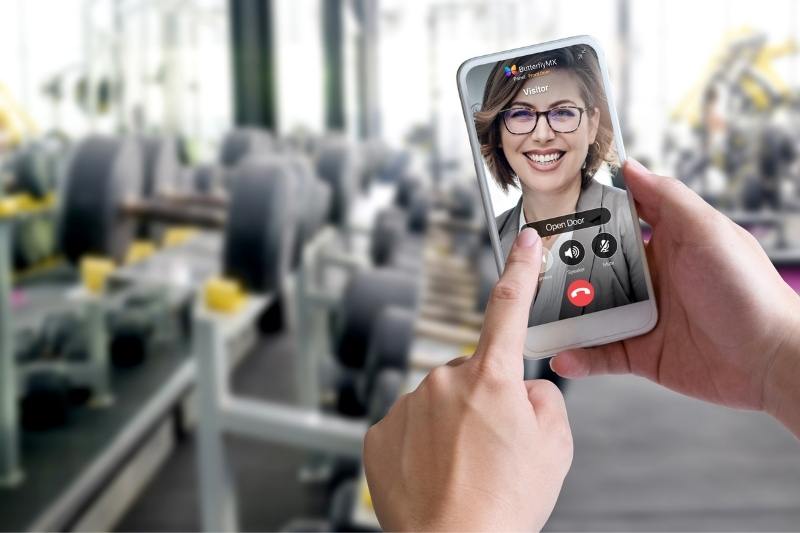
Some IP video intercom systems now replace traditional indoor monitor hardware entirely with smartphone-based access. Rather than installing a dedicated screen in every unit or at every reception desk, these systems route all incoming calls, live video, and access controls directly to the resident's mobile device.
This approach offers significant cost savings, particularly for larger properties. By eliminating the need for in-unit hardware, you reduce both upfront equipment costs and ongoing maintenance expenses. For residents, the experience is highly convenient — they can see and speak with visitors, unlock doors, and manage access permissions all from the phone they already carry.
Smartphone-based systems are especially well-suited for multi-tenant residential buildings, gated communities, and commercial properties where installing indoor stations for every occupant would be impractical or cost-prohibitive.
Choosing the Best IP Door Entry System for Your Property
With so many options on the market, selecting the right IP video door phone requires careful consideration of your property's unique needs. Whether you manage a single residence, a commercial office, or a multi-building portfolio, there are a few key factors to evaluate.
When comparing IP video intercom systems, keep the following considerations in mind:
Smartphone Compatibility: Choose a system that offers a reliable mobile app so residents can manage access from anywhere without needing dedicated indoor hardware.
Cloud Management: Opt for a system with robust cloud capabilities, including remote administration, automatic updates, and secure video storage.
Integration Ecosystem: Verify that the system integrates with your existing property management tools, smart locks, and building automation systems.
Build Quality & Durability: Look for devices built with weather-resistant materials and vandal-proof construction — especially for outdoor installations.
Scalability: Ensure the system can grow with your property. Adding new access points, users, and integrations should be straightforward and cost-effective.
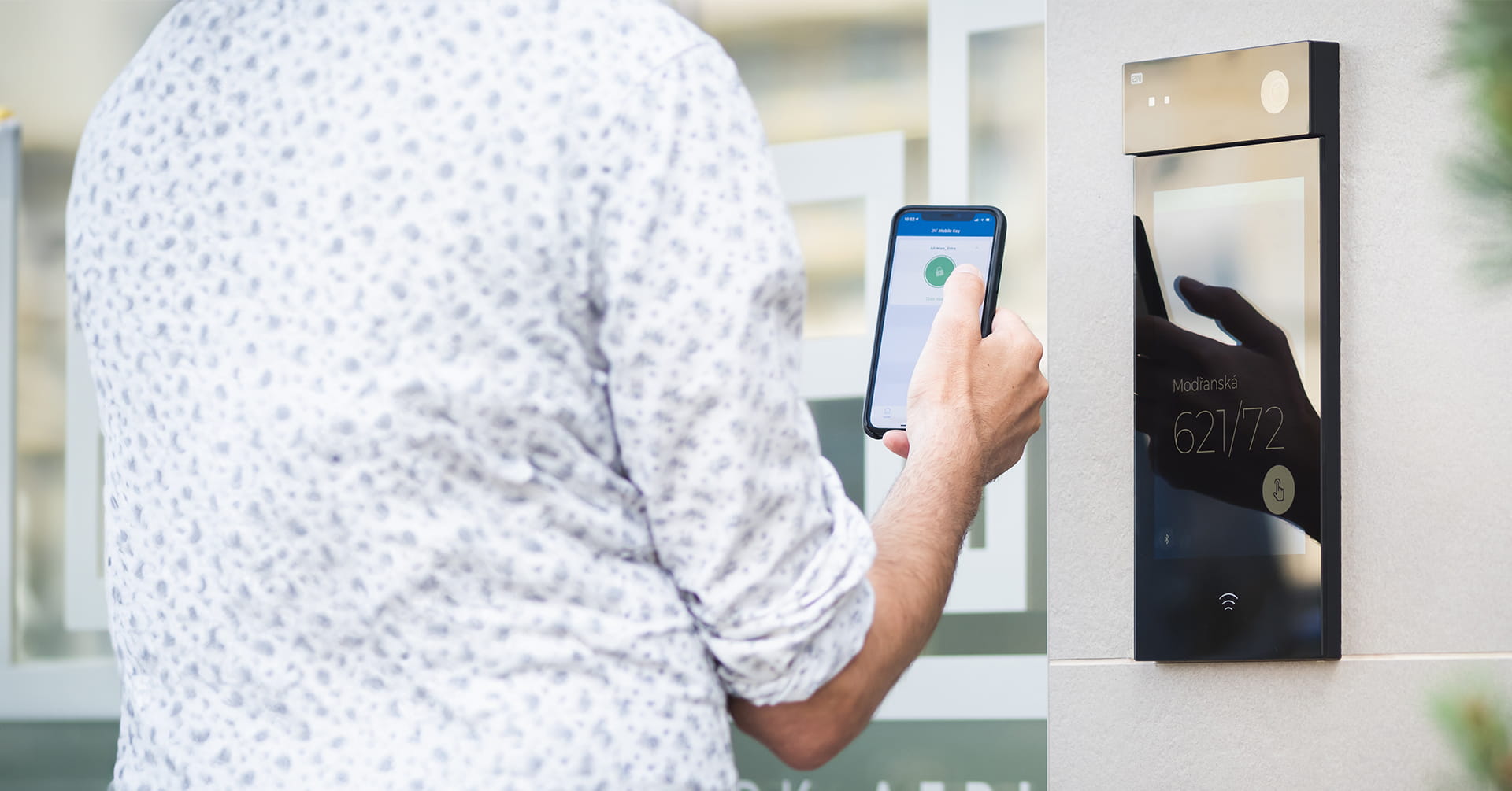
1. Manage Access with a Smartphone
Smartphone-enabled intercoms are quickly becoming the gold standard for building access. Instead of relying on traditional call boxes or wall-mounted monitors, these systems let residents handle everything from the palm of their hand. From answering visitor calls to unlocking entrances remotely, smartphone integration transforms the way people interact with their building's entry points.
For property owners, this translates into lower hardware costs and a more modern, tenant-friendly experience. There is no need to install or maintain in-unit stations — the resident's own mobile device serves as the primary interface. Delivery drivers, guests, and service personnel can be granted temporary access with just a few taps, even when nobody is physically home.
2. Virtual Keys & Access Management
Beyond basic intercom functionality, many IP video door phone systems now offer virtual key distribution. Residents can issue time-limited digital access codes to visitors, delivery personnel, or contractors — eliminating the need for physical keys or fobs that can be lost, copied, or stolen.
This feature is especially valuable for property managers who need to coordinate access for maintenance teams, real estate showings, or emergency services. Virtual keys can be scheduled, revoked, and tracked with full audit trails — offering a level of control and accountability that physical keys simply cannot provide.
3. Delivery & Package Management
Package theft remains a growing concern for residential and commercial properties alike. An IP video door phone equipped with remote access capabilities provides an effective solution: when a courier arrives, the resident can see them on camera, communicate directly, and unlock the building entrance to allow safe package drop-off — all from their phone.
Some advanced systems even allow integration with dedicated package locker solutions, providing yet another layer of security and convenience. The result is fewer missed deliveries, reduced theft, and a better overall experience for residents and couriers alike.
Upgrade Your Property's Entry System
Discover the DoorBird D1101V — a premium surface-mount IP video intercom designed for modern properties. Sleek anthracite grey finish with robust construction.
DoorBird D1101V IntercomFinal Thoughts
IP video door phones represent a meaningful leap forward from traditional intercom technology. By leveraging internet connectivity, cloud management, and smartphone integration, these systems deliver a level of convenience, security, and scalability that older solutions simply cannot match.
Whether you're upgrading a single home, outfitting a commercial office, or managing access across multiple residential buildings, investing in a high-quality IP video intercom system is a decision that will pay dividends in safety, efficiency, and tenant satisfaction for years to come.