

Keeping a property safe and well-managed is a priority for every owner, whether it's a home, apartment complex, office building, or gated community. Traditional buzzer-style intercoms have served their purpose for decades, but technology has moved far beyond those limited systems. Internet Protocol (IP) intercom systems now offer high-definition video, cloud-connected management, smartphone integration, and remote access — all through a single device connected to your network.
So, is it worth investing in an IP intercom for your property? This guide walks through what these systems are, how they operate, who benefits most from them, and what to look for when choosing the right model for your specific needs.
Table of Contents
1. What Is an IP Intercom System?
2. How IP Intercoms Operate
3. Key Features to Look For
4. Why IP Intercoms Beat Traditional Systems
5. Where IP Intercoms Are Used
6. Advantages for Owners, Managers & Tenants
7. Bottom Line: Why Every Property Should Consider One
8. Top IP Intercom Picks
What Is an IP Intercom System?
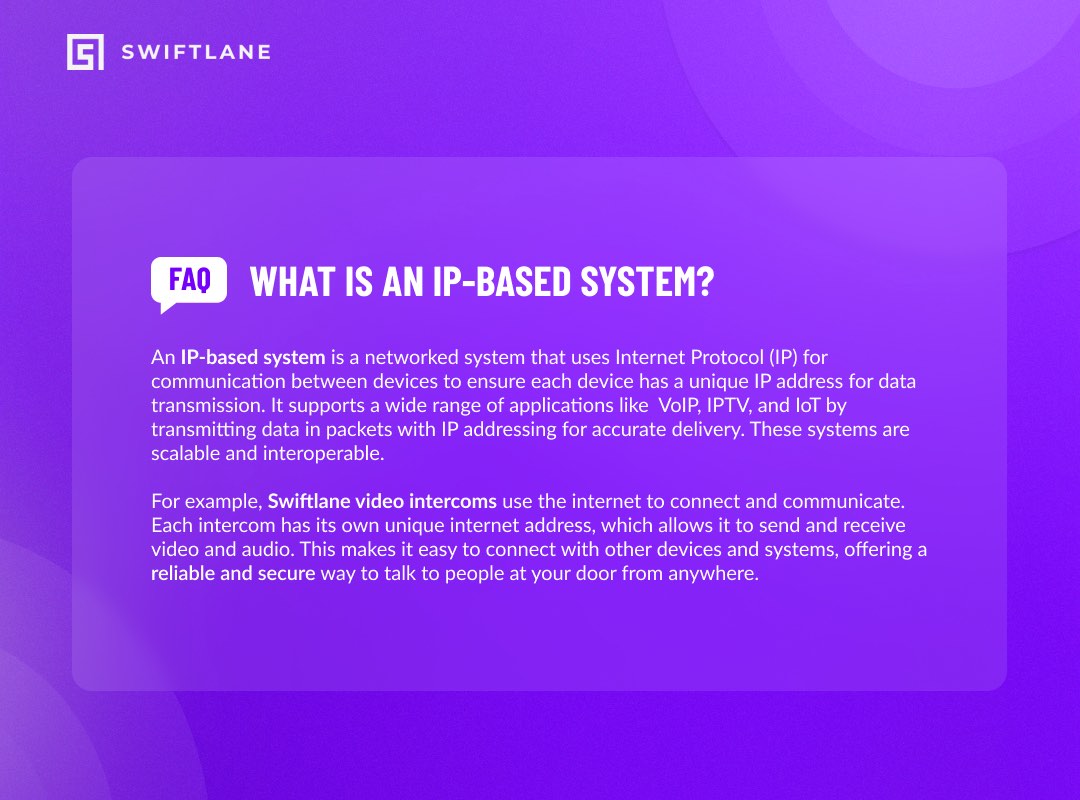
An IP intercom is a communication and access control device that connects to the Internet rather than relying on dedicated copper wiring or analog phone lines. Using Ethernet, Wi-Fi, or cellular data connections, these systems transmit audio and video digitally across a network. This means occupants can see visitors, speak with them, and unlock doors — all from their smartphone, tablet, or computer, regardless of where they are.
The biggest advancement with IP technology is smartphone connectivity. Residents can take intercom calls from anywhere in the world, grant remote access to delivery drivers, house cleaners, or guests, and manage everything through a mobile app. Nearly every modern IP intercom comes with a companion app that serves as the primary interface.
IP intercoms come in several variations:
IP Video Intercoms — Provide live video feeds so you can visually confirm who is at the door before letting them in.
IP Audio Intercoms — Offer voice-only communication over a network, suitable for lower-security applications.
Cloud-Based IP Intercoms — Enable remote management from any location through mobile apps and web dashboards, making them perfect for multi-tenant buildings and property managers overseeing several sites.
The most capable models combine all three — video, audio, and cloud management — into a single unit.
How IP Intercoms Operate
Understanding the mechanics behind these devices is straightforward. Here is the step-by-step process:
Step 1 — Network Connection: The intercom unit connects to your existing network through an Ethernet cable, Wi-Fi, or cellular data (LTE/5G).
Step 2 — Digital Signal Transmission: Audio, video, and data are converted into digital packets and sent across the network instantly.
Step 3 — Access Control & Communication: Occupants receive visitor alerts and can communicate through their smartphone, tablet, desktop, or a dedicated monitor screen.
Step 4 — Remote Management: Property administrators and residents can manage permissions, review logs, and control access through cloud-based software from anywhere.
Key Features to Look For
Not all IP intercoms are built the same. When evaluating your options, focus on these essential capabilities:
HD Audio & Video
Crystal-clear voice and video with noise cancellation for smooth communication day or night.
Remote Access
Control entry and manage settings through mobile apps or web-based dashboards from any location.
Security Integration
Works seamlessly with CCTV cameras, alarm systems, and electronic door locks for comprehensive protection.
Cloud Storage
Stores audio and video logs securely in the cloud for easy retrieval and documentation.
Multi-Site Connectivity
Connect and manage multiple buildings or entry points through a single network platform.
Smart Door Entry
Unlock doors remotely using RFID badges, PIN codes, facial recognition, or smartphone credentials.
Why IP Intercoms Beat Traditional Systems
Superior Audio & Video Quality
Forget the muffled, crackly sound of old-school buzzers. IP intercoms deliver sharp digital audio and high-definition video, making conversations clear whether you are in the building or halfway across the country.
Remote Access & Convenience
Traditional intercoms tie you to a wall-mounted handset inside the building. IP systems let you answer visitor calls, unlock doors, and manage access from your phone or computer — wherever you happen to be. This is especially valuable for managing deliveries and service workers in residential buildings.
Easy to Scale
Adding units to a wired intercom system means running new cables, hiring electricians, and dealing with construction disruptions. IP intercoms plug into existing network infrastructure, so expanding to new doors, buildings, or units is fast and affordable.
Stronger Security & Monitoring
Encrypted communications, detailed access logs, real-time alerts, and video recording give IP intercoms a significant security edge. You can track who enters your property, store footage for review, and integrate with surveillance cameras for complete coverage. Video verification also helps prevent package theft at entrances.
Smart Home & Automation Integration
IP intercoms connect with smart locks, security cameras, and building automation platforms to form a unified access control ecosystem. This level of interoperability simplifies daily operations and boosts efficiency.
Lower Long-Term Costs
While the upfront price may be higher, IP intercoms save money over time by eliminating the need for dedicated wiring, reducing maintenance visits, and replacing the need for on-site doormen or concierge staff. They leverage your existing network, so ongoing infrastructure costs stay low.
Cloud-Based Record Keeping
Unlike legacy systems that keep no records, IP intercoms automatically store call logs, video clips, and access data in the cloud. This makes it simple to review past events for security purposes or compliance documentation.
Future-Proof Technology
Upgrading to an IP intercom means adopting technology that will continue to improve through software updates. These systems are reliable, flexible, and designed to grow with your property's evolving needs — whether it's a home, commercial building, or industrial facility.
Where IP Intercoms Are Used
IP intercom technology is versatile enough for a wide range of properties and settings:
Advantages for Owners, Managers & Tenants
For Building Owners
Tighter Security — Real-time video feeds and digital access logs minimize unauthorized entry and strengthen overall property safety.
Higher Property Value — Modern intercom technology makes rental and commercial properties more attractive and increases their market value.
Reduced Costs — Cloud-based operation slashes installation expenses and ongoing maintenance compared to traditional wired systems.
For Property Managers
Remote Entry Management — Monitor and control building entry from anywhere using a mobile app, eliminating the need to be on-site for every access change.
Seamless Integrations — Connect intercom systems to existing access control setups, surveillance cameras, and smart home devices with minimal configuration.
Simple Scaling — As tenants move in or out or security needs evolve, adding capacity is as easy as connecting a new device to the network.
For Tenants
Convenient Visitor Access — Let in deliveries, guests, pet sitters, and house cleaners remotely without needing to be physically present.
Improved Personal Safety — Video verification lets you screen every visitor before opening the door, which deters unauthorized entries and package theft.
Smartphone Control — IP intercom apps deliver instant alerts and one-tap access control right to your phone.
Bottom Line: Why Every Property Should Consider One
An IP intercom system delivers a modern, efficient, and secure approach to property access management. Whether you own a residential apartment building, manage a commercial office, or operate an industrial facility, these systems enhance both security and convenience for everyone involved.
Choosing the right IP intercom is an investment that pays dividends through streamlined entry management, increased property value, and greater tenant satisfaction over the long term.
If you are thinking about upgrading your property's entry system, now is the time to explore what IP intercoms can offer. The technology is mature, the options are plentiful, and the benefits are clear.
Top IP Intercom Picks
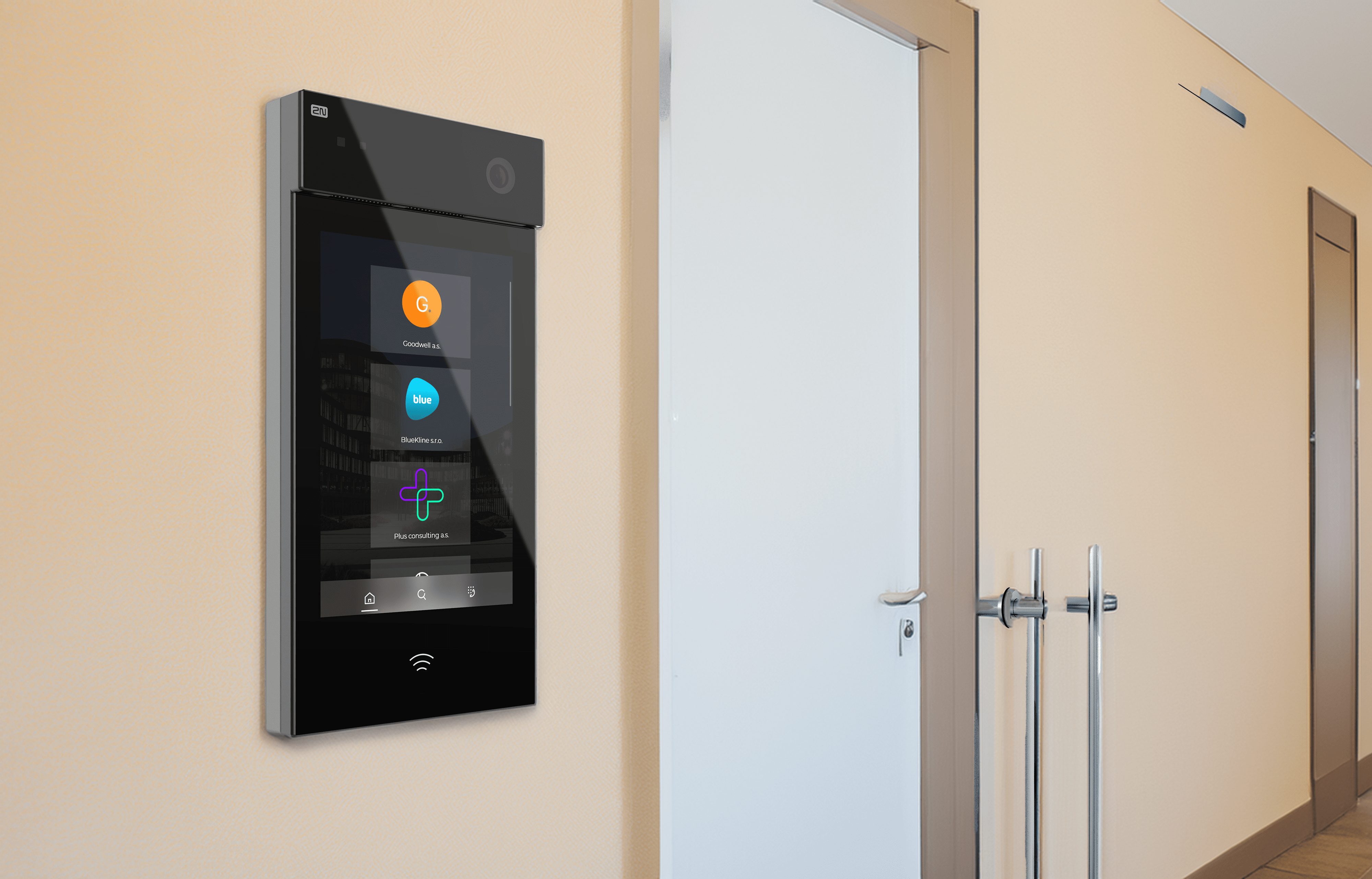
We researched some of the most popular and well-reviewed IP intercom models on the market. Below is a standout option that checks all the boxes for residential and commercial property owners looking for reliable, high-quality video intercom access control.
Backyard Provider
Your trusted source for home, property, and outdoor living solutions.