
Transform worn floors into stunning masterpieces with the right abrasive belt selection and technique
Whether you're breathing new life into vintage hardwood or preparing fresh installations for finishing, understanding abrasive belt selection is fundamental to achieving professional results. The specialized techniques involved in floor refinishing require careful consideration of numerous factors. From grit selection to abrasive material composition, each decision directly impacts the final appearance and longevity of your flooring project. This comprehensive resource examines the essential knowledge needed for selecting optimal abrasive belts, explores various material options, and delivers practical guidance to help you master the craft of floor refinishing with confidence and precision.
The Setting: A Floor Awaiting Transformation
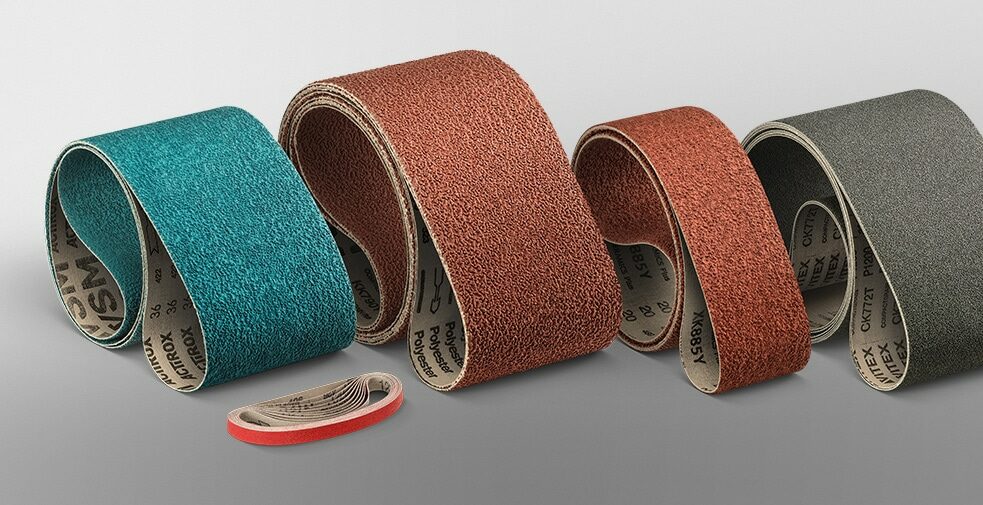
Picture standing before a weathered floor, its surface telling decades of stories. Perhaps it's covered with multiple layers of finish, or maybe deep scratches mark its face from years of use. You're not just facing a floor—you're looking at a blank canvas. The restoration journey begins with a crucial decision: selecting the appropriate abrasive belt. Making the wrong choice means hours of unnecessary labor, potential damage to the wood, or results that fall short of expectations. Conversely, the right selection transforms the task into an efficient process that reveals the hidden beauty beneath, creating a masterpiece that will endure for generations.
Chapter 1: Understanding Grit Selection Fundamentals
The journey toward professional floor finishing begins with mastering grit selection fundamentals. This crucial element of abrasive belt technology determines how effectively you'll remove material, smooth surfaces, and prepare wood for finishing. Understanding the relationship between grit numbers and particle size provides the foundation for making informed decisions throughout your floor restoration project.
Coarse Grits: The Heavy Lifters
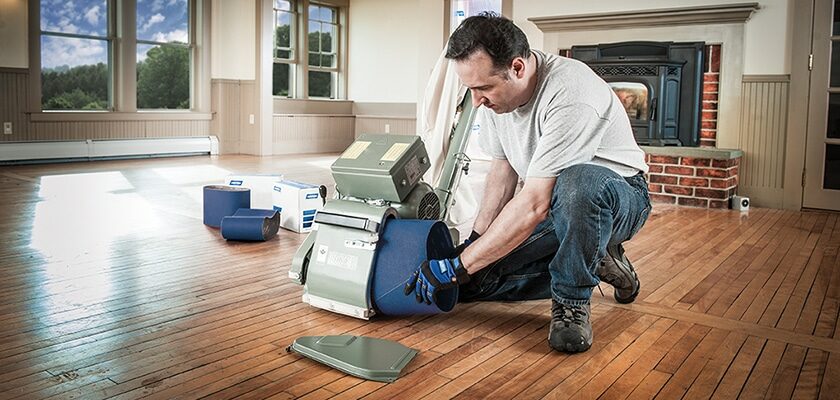
When tackling challenging floor conditions, coarse grit abrasives become your primary workhorses. These aggressive options, typically ranging from 24 to 40 grit, excel at removing substantial material quickly and efficiently. They're particularly effective when dealing with multiple layers of old finish, eliminating deep scratches, or leveling uneven surfaces. The larger abrasive particles cut rapidly through tough materials, making them indispensable for initial surface preparation and heavy stock removal applications.
Medium Grits: The Refiners
Medium grit abrasives occupy the middle ground in the refinishing process. Available in three distinct ranges—the coarser segment includes 50 through 60 grit options, the intermediate range spans 80 to 100 grit, and finer selections reach 120 grit. Each gradation serves specific purposes in the refinishing sequence. The coarser medium grits smooth away the aggressive scratches left by initial heavy sanding, while progressively finer options continue refining the surface. This intermediate stage bridges the gap between aggressive material removal and final surface preparation, creating the foundation for achieving a flawless finish.
Fine Grits: The Perfectionists
Fine grit abrasives, ranging from 150 grit and higher, represent the final stages of surface preparation. These precision tools create the smooth, scratch-free surface essential for applying stains and finishes. They remove the subtle marks left by medium grits, producing a uniform texture that ensures even finish absorption and adhesion. When working with particularly fine or delicate wood species, these finer grits become even more critical, as they minimize the risk of over-sanding while achieving the polished surface quality that distinguishes professional work from amateur attempts.
Chapter 2: Abrasive Material Composition: The Hidden Champions
Beyond grit selection lies another critical decision point: the abrasive material itself. Different materials excel at various tasks, and understanding these distinctions ensures optimal performance, longevity, and cost-effectiveness for your specific flooring application.
Aluminum Oxide: The Dependable Workhorse
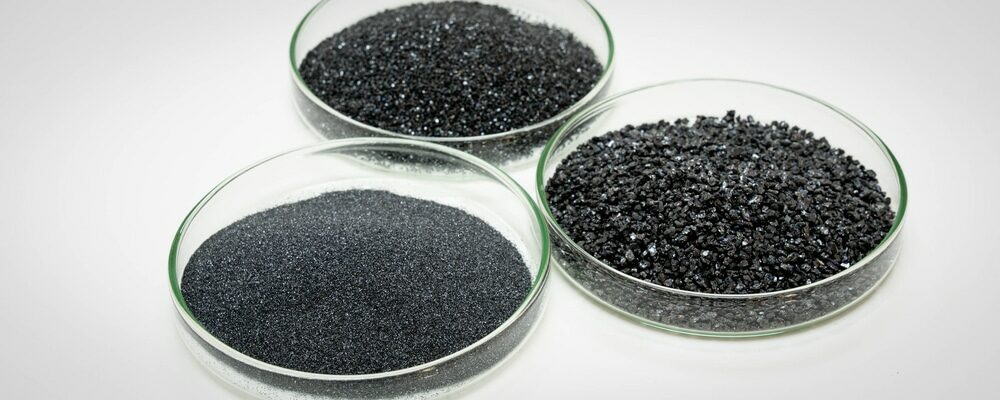
Among abrasive materials, aluminum oxide stands as the most versatile and widely adopted option. Its unique capability to self-sharpen during use—as particles fracture to expose fresh cutting edges—delivers consistent performance throughout the belt's lifespan. This remarkable characteristic, combined with excellent durability and affordability, makes aluminum oxide the preferred choice for most floor sanding applications. Whether tackling hardwoods or softer species, aluminum oxide belts provide reliable, predictable results that professionals trust day after day.
Silicon Carbide: The Specialized Expert
For specialized applications, silicon carbide offers distinct advantages. Sharper and more brittle than aluminum oxide, this material excels when working with finish coats and softer materials. Its aggressive cutting action makes it particularly effective for smoothing between finish layers or addressing softer wood species that might load other abrasives too quickly. While the increased brittleness means faster wear compared to aluminum oxide, the superior cutting efficiency often justifies the trade-off in specific situations where precision and speed are paramount.
Chapter 3: Achieving Equipment Harmony
Even premium abrasive belts fail to deliver expected results when paired with incompatible equipment. Creating perfect synergy between your sanding tools and abrasive belts requires attention to specifications, understanding equipment requirements, and selecting belts engineered for your specific machinery.
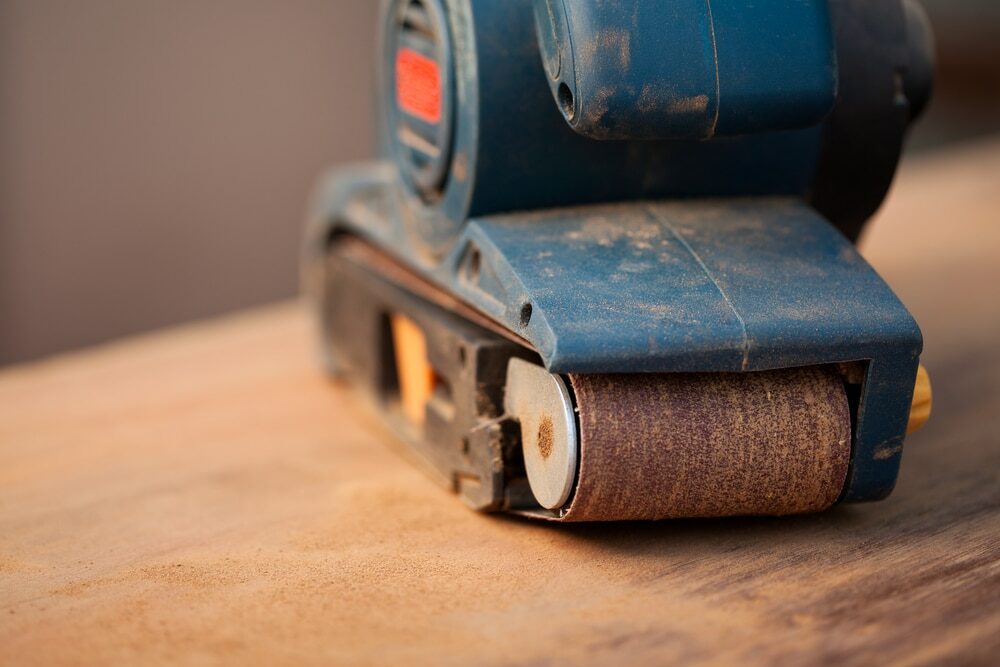
Equipment compatibility extends beyond simple dimensional matching. Different sanding machines operate at varying speeds, apply different pressure levels, and generate distinct heat characteristics. These operational variables demand corresponding belt specifications. Drum sanders, for instance, require belts constructed to withstand consistent high-speed rotation and sustained pressure. Edge sanders need belts that maintain integrity through rapid directional changes and variable contact pressure. Belt width, length, and backing flexibility must align precisely with your equipment's specifications to prevent premature failure, tracking issues, and suboptimal performance.
Hardwood Species: The Strength Imperative
When confronting dense hardwood species, the demands on your abrasive belts intensify dramatically. Oak, maple, hickory, and similar hardwoods require belts engineered for aggressive cutting and extended durability. These woods resist abrasion, generating increased heat and wear on cutting surfaces. Selecting belts specifically rated for hardwood applications—typically featuring heavy-duty backings, premium abrasive grain, and robust bonding systems—ensures you maintain consistent cutting action throughout the job. Attempting to economize by using general-purpose belts on challenging hardwoods invariably leads to frustration, extended project timelines, and increased costs from premature belt replacement.
Softwood Species: The Delicate Balance
Softwood flooring presents an entirely different set of challenges. Pine, fir, cedar, and comparable species demand a gentler approach and more nuanced abrasive selection. These materials sand more easily but prove more susceptible to gouging, grain raising, and surface damage from overly aggressive abrasives. Success with softwoods requires belts that balance effective material removal with surface protection. Selecting inappropriate belts risks creating wave patterns, excessive grain raising, or uneven surface texture that becomes painfully apparent once finish is applied.
The Ultimate Decision: Strategic Belt Selection
Standing at the threshold of your floor sanding project, remember that abrasive belt selection represents far more than a simple purchasing decision. The right belt becomes your partner in transformation, working in concert with your skill and equipment to reveal the inherent beauty concealed beneath worn surfaces. Conversely, inappropriate selection creates obstacles that no amount of skill can fully overcome.
Success demands that you evaluate multiple factors simultaneously: the current floor condition, wood species characteristics, your equipment specifications, and the desired final appearance. You must balance aggressive material removal during initial phases against gentle refinement in later stages. You need to consider both immediate performance requirements and long-term belt durability. Most critically, you must resist the temptation to rush this decision or compromise on quality to reduce material costs.
Premium abrasive belts represent a genuine investment rather than an expense. They cut more efficiently, last significantly longer, produce superior surface quality, and ultimately reduce overall project costs through increased productivity and reduced labor time. When you calculate the total cost of a floor refinishing project—including equipment, labor, materials, and time—the abrasive belt contribution remains relatively modest. Yet their impact on final results and project efficiency proves disproportionately large.
Choose thoughtfully, select strategically, and invest wisely in quality abrasives. Your floors—and your reputation—deserve nothing less than the finest tools available for the transformation ahead.
Professional-Grade Abrasive Belt Tool
Elevate your floor sanding projects with precision-engineered equipment designed for professional results. The DYNABRADE Electric Dynafile II delivers exceptional control and performance for demanding restoration work.
DYNABRADE Dynafile IIFinal Thoughts
Mastering abrasive belt selection transforms floor sanding from a challenging task into an achievable craft. Armed with knowledge about grit sequences, material compositions, equipment compatibility, and wood species requirements, you're prepared to tackle any floor restoration project with confidence. Remember that each floor presents unique challenges and opportunities—approach every project as a learning experience that refines your understanding and technique.
Quality materials, proper technique, and patient execution combine to create floors that showcase craftsmanship and attention to detail. Your investment in understanding these principles pays dividends through superior results, enhanced efficiency, and the satisfaction of revealing the timeless beauty hidden within every floor you restore.
Transform your outdoor spaces with professional-grade tools and expert guidance from Backyard Provider