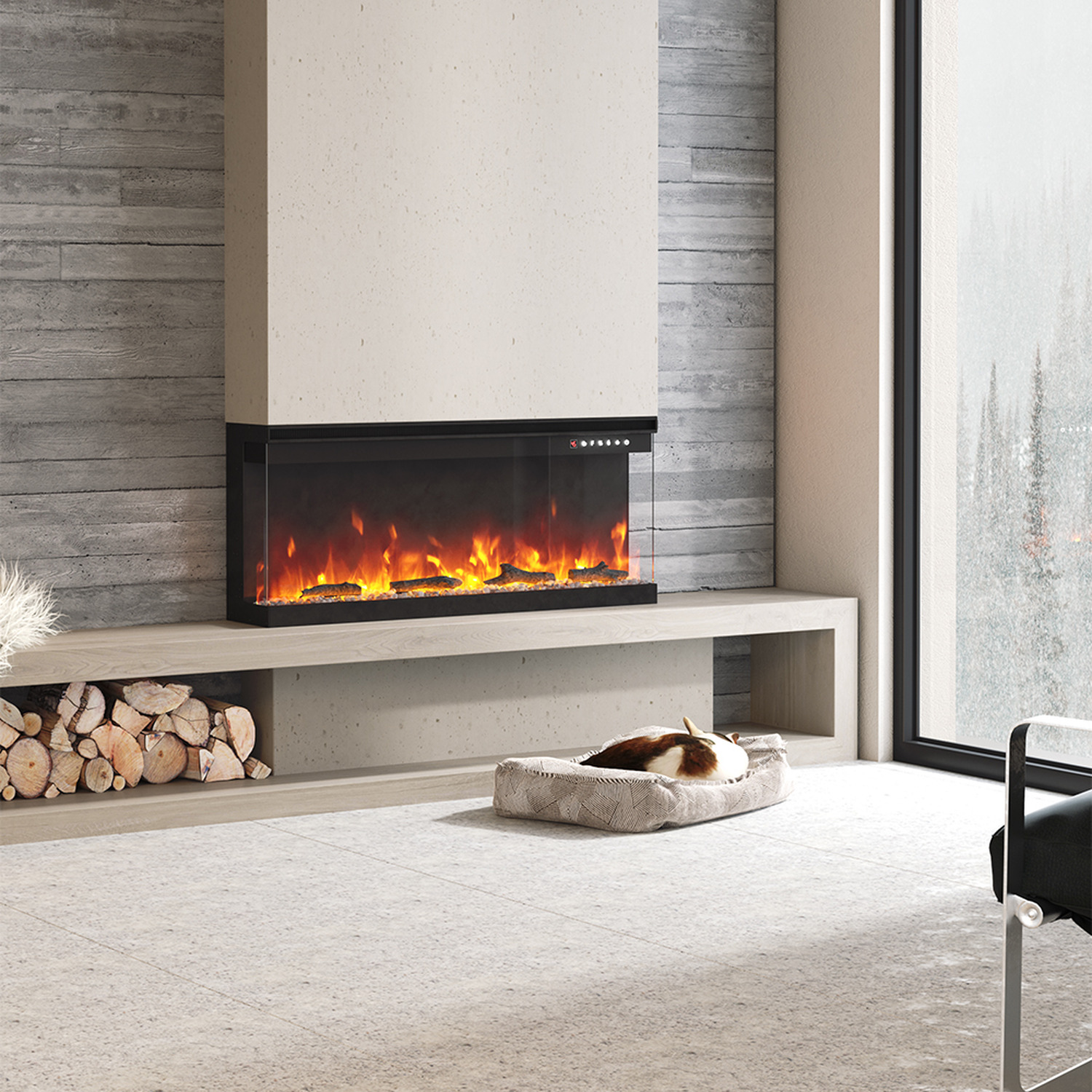
Choosing the right fireplace can feel overwhelming. With gas models, wood burners, and electric options all vying for your attention, it is easy to get lost before you even begin. One style that has been making waves in recent years is the linear fireplace — and for good reason.
In simple terms, a linear fireplace is a contemporary take on the traditional hearth. Rectangular in shape and designed to be mounted flush to a wall or recessed into it, these fireplaces trade the chunky mantel of old for a low-profile, architectural look that fits seamlessly into the modern home. Whether your interior leans minimalist, industrial, or warmly organic, a linear fireplace has the visual range to match.
- Why choose a linear fireplace?
- How much space do I need?
- Does a linear fireplace give off heat?
- Do linear fireplaces need to be vented?
- Benefits of a linear fireplace
- Design benefits of linear fireplaces
- Maintenance guide
- Installation overview
Why Choose a Linear Fireplace?
Linear fireplaces bring a refined, uncluttered energy to any room. Because they mount flat against the wall rather than projecting into the space, they free up floor area and let the flame become a piece of living art rather than a structural centrepiece. You get more visual impact with less physical footprint.
In many setups, a single unit can serve more than one room at once, pushing warmth and light through the wall it occupies and benefiting adjoining spaces simultaneously. That kind of quiet efficiency is difficult to achieve with a traditional fireplace.
Remote control capability is standard across most modern linear fireplaces — adjust temperature, flame intensity, and heat output without leaving your seat. Some models go further still, pairing seamlessly with soundbars and display screens to anchor an entire media wall.
"A linear fireplace does not just heat a room — it defines it. From the moment it is switched on, the room has a focal point, a mood, and an identity."
How Much Space Do I Need?
One of the great advantages of linear fireplaces is their size versatility. Most units range from 3 to 6 feet in width, though custom sizing opens the door to something truly bespoke. The key planning rule to keep in mind: the fireplace width should be no more than one-quarter of its height, ensuring the proportions stay balanced and intentional.
For smaller rooms, a more compact unit can create an impressive focal wall without crowding the space. For open-plan living areas, a wider linear fireplace makes a bold architectural statement that holds its own against high ceilings and expansive walls. Measure your wall, consider your ceiling height, and let proportion guide your choice.
Does a Linear Fireplace Give Off Heat?
Absolutely — and more efficiently than you might expect. Linear fireplaces are engineered to retain and distribute the heat they generate, rather than losing it upward through a flue. Traditional fireplace designs are notorious for sending the majority of their warmth straight up the chimney; with a linear model, especially an electric one, most of that energy stays right in the room.
You can run the flame effect entirely independently of the heat function — perfect for warmer evenings when you want the atmosphere without the temperature increase. And when you do want warmth, turning it up is instant, precise, and controlled.
Do Linear Fireplaces Need to Be Vented?
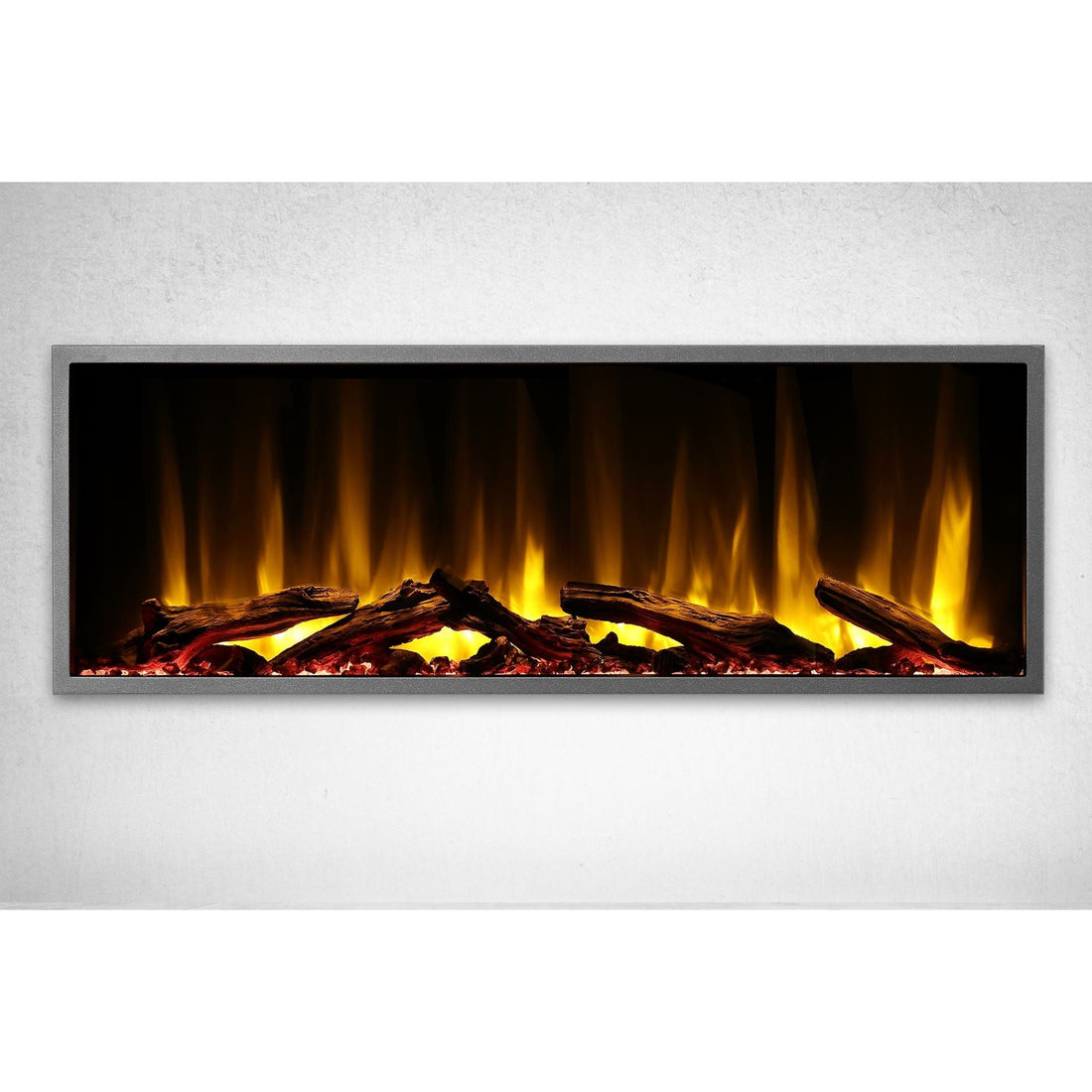
This depends on the fuel type. Electric linear fireplaces require no venting whatsoever — no flue, no chimney, no exterior wall access. They can be installed in virtually any location, making them ideal for apartments, bedrooms, basements, and spaces where traditional installation would be impractical or prohibitively expensive.
Gas linear fireplaces do require ventilation to safely expel combustion gases. Direct-vent models are the most popular choice, routing air intake and exhaust through a single exterior wall without the need for a full chimney stack. If you are considering a gas model, factor ventilation planning into your decision early to avoid surprises during installation.
Benefits of a Linear Fireplace
Beyond their undeniable visual appeal, linear fireplaces offer a compelling list of practical reasons to make the switch.
Significantly cheaper to operate than wood or gas alternatives, with electric models especially easy on running costs.
No ash, no soot, no logs to restock. Simply enjoy the fire without the upkeep that comes with traditional fireplaces.
No open flame risks, no chimney fire hazards, and no creosote buildup — a much safer option for homes with children or pets.
Intuitive remote or app-based controls mean you are always one touch away from the perfect temperature and ambiance.
Choose from faux logs, coloured glass, river rock, or stone effects to personalise the look to your interior style.
Electric units in particular are plug-and-play ready — no major construction or trade expertise required.
Design Benefits of Linear Fireplaces
If your home embraces a contemporary aesthetic, a linear fireplace is one of the most coherent additions you can make. The clean horizontal silhouette reinforces modern architecture without competing with your existing design language. It sits quietly on the wall, doing exactly what it was built to do: look extraordinary and perform reliably.
The TV Wall Problem — Solved
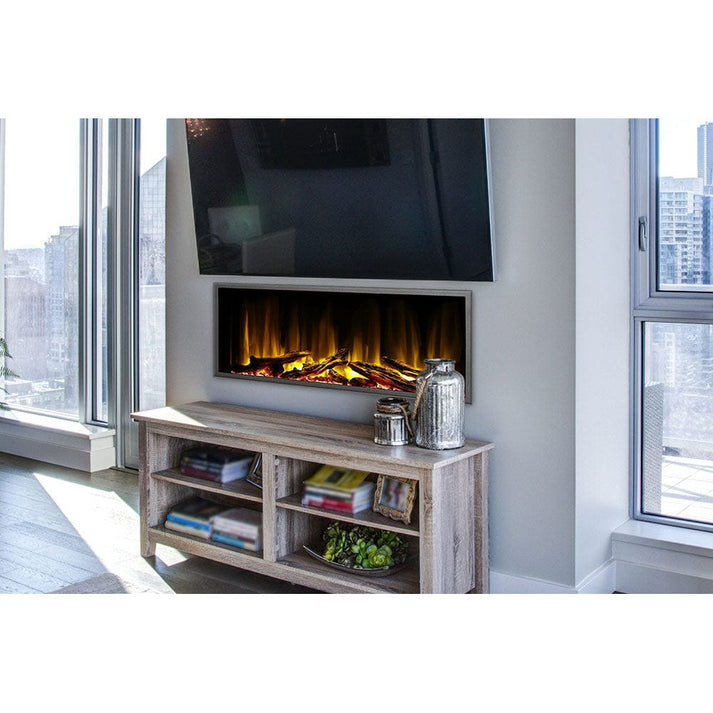
As screens have grown larger, so has the challenge of designing a wall that balances them. A wide TV can overwhelm a room and make surrounding furniture feel undersized. A linear fireplace placed beneath or beside a television restores that balance naturally — the horizontal proportions of both elements echo each other, creating a cohesive focal wall that feels designed rather than assembled.
Quick to Install, No Compromise on Impact
Installation is often the deciding factor when homeowners choose between fireplace types. Linear fireplaces — electric models especially — are among the quickest and most straightforward to install. No major structural work, no permits in most cases, and no long lead times. That means you can have a showstopping feature wall in days, not weeks.
Maintaining Your Linear Fireplace
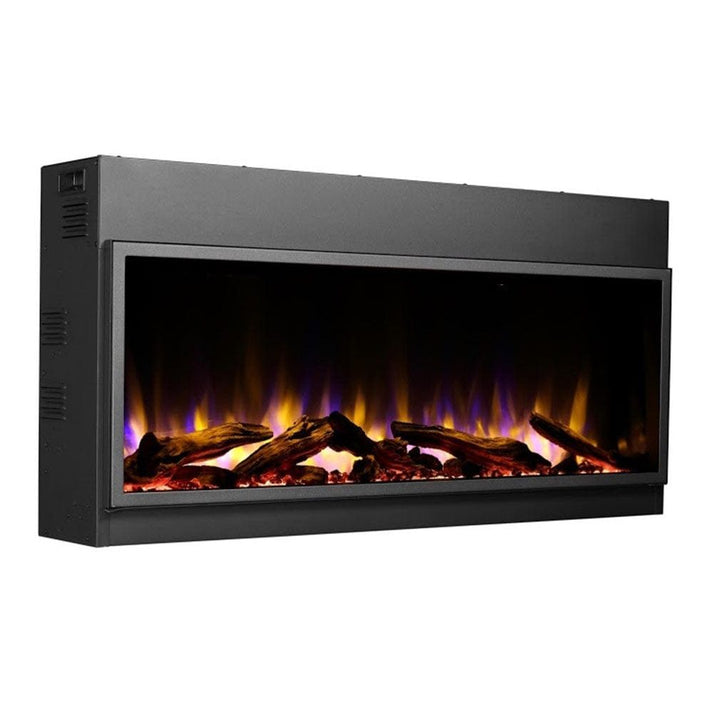
One of the most common questions new owners ask is: "How much upkeep does this actually need?" The answer is surprisingly little. An annual check covers the basics — inspect the glass door for chips or residue, wipe down interior surfaces with compressed air, and clean the glass with a purpose-made cleaner to keep the view crystal clear.
Moving parts and mechanical components should also be checked once a year, with any dust removed to keep airflow efficient. For gas fireplaces, it is worth booking a professional service inspection annually to confirm burner performance and confirm the ventilation system is clear.
Beyond that, your linear fireplace largely takes care of itself — which is part of the appeal.
Linear Fireplace Installation
Both electric and gas linear fireplaces can be installed by a confident DIY homeowner, though we always recommend engaging a professional for gas variants given the safety and regulatory requirements involved. Gas lines may need to be repositioned or extended, and the consequences of an error are significant — not a job to take shortcuts on.
Electric models, by contrast, are genuinely plug-and-play in most cases. Choose your wall, prepare the recess if required, mount the unit, and connect to a standard power outlet. Some larger models may benefit from a second pair of hands during mounting given their size and weight — but the process itself is straightforward.
Whichever model you choose, pay attention to the mounting and recess specifications from the manufacturer. These fireplaces are large format — precise installation ensures they sit flush, function correctly, and look exactly as they should once the room is finished.