
Everything you need to know about choosing the perfect bike for growing riders
Finding the right bicycle for a growing child can feel overwhelming. When your youngster reaches that pivotal stage between childhood and teenage years, typically around 11 years old, they're ready to graduate from smaller kids' bikes to something more substantial. The 26-inch wheel size represents a significant milestone in their cycling journey, offering enhanced stability, speed, and room to grow.
This comprehensive guide will walk you through everything you need to consider when selecting a 26-inch bicycle (or 27.5-inch alternative) for pre-teens and teenagers. Whether your young rider is commuting to school, hitting trails, or simply enjoying neighborhood adventures, we'll help you make an informed decision.
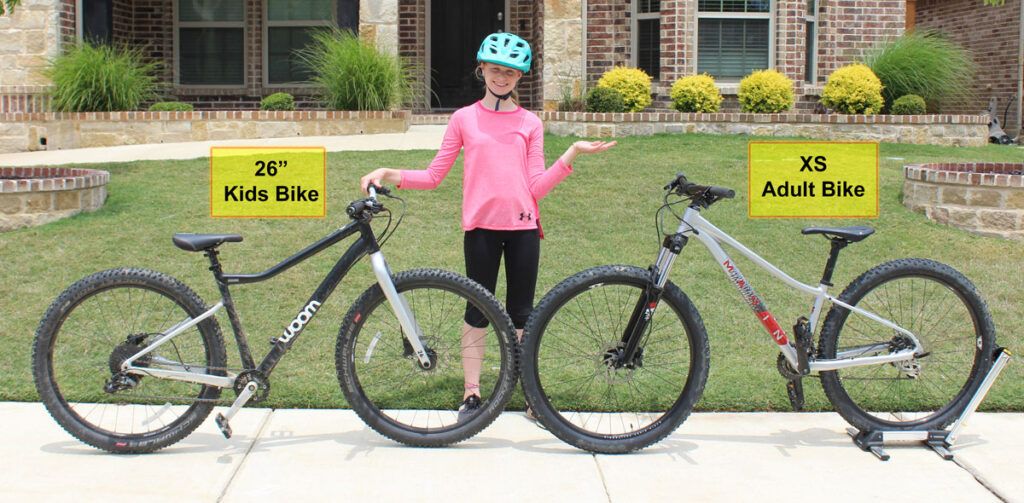
26 Inch Bike Quick Reference Chart
| Bicycle Type | Ideal For | Key Features |
|---|---|---|
| Kids' 26" Bike | Ages 10-13, Heights 4'6" - 5'2" | Lightweight, lower standover, youth geometry |
| Adult XS/Small 26" | Ages 13+, Heights 5'0" - 5'6" | More robust components, adult proportions |
| Mountain Bike 26" | Trail riding, off-road adventures | Suspension, knobby tires, durable frame |
| BMX Cruiser 26" | Casual riding, tricks, skatepark | Single speed, strong frame, responsive |
| Hybrid 26"/27.5" | Mixed terrain, commuting | Versatile design, comfortable position |
Is a 26 Inch Bike Considered a Kids' Bike or an Adult Bike?
This question comes up frequently, and the answer isn't entirely straightforward. The 26-inch wheel size actually straddles both categories, making it incredibly versatile for transitioning riders. Historically, 26-inch wheels were the standard for adult mountain bikes before larger wheel sizes became popular. Today, you'll find 26-inch options marketed specifically toward youth as well as compact adults.
The distinction often lies in frame geometry, component quality, and overall construction rather than wheel size alone. A youth-specific 26-inch bike typically features a lower top tube, narrower handlebars, shorter reach, and lighter components designed for smaller hands and bodies.
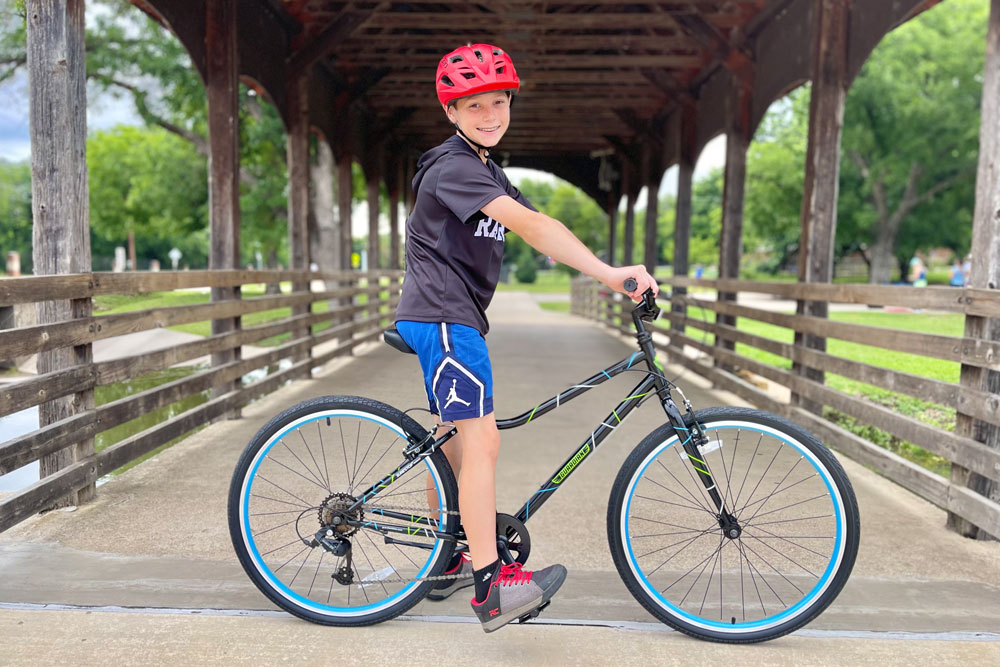
Youth-Specific 26 Inch Bikes
Advantages of Youth Models
- Proportioned specifically for developing bodies
- Lighter overall weight for easier handling
- Brake levers sized for smaller hands
- Lower standover height for confident stops
- Often more affordable price points
Important Considerations
- May be outgrown within 1-3 years
- Components might not withstand aggressive riding
- Limited adjustment range for growth
Adult XS/Small 26 Inch Bikes
Advantages of Adult Models
- Higher quality components that last longer
- More room to grow into the bicycle
- Better resale value over time
- Greater adjustment capabilities
- Built for more demanding riding styles
Important Considerations
- May feel too large initially
- Heavier than youth-specific options
- Controls might challenge smaller hands
What to Look For When Buying a Bike for a Tween or Teen
Selecting the appropriate bicycle requires balancing current fit with anticipated growth. The goal is finding something rideable today while offering enough adjustment to accommodate the inevitable growth spurts ahead.
Young riders at this stage often experience significant physical changes within short periods. A bicycle that fits perfectly today might feel cramped in just six months. Conversely, purchasing something too large can compromise safety and enjoyment.
Focus on standover clearance, reach to handlebars, and the ability to comfortably operate all controls. These three factors will largely determine whether a specific bike works for your young rider.
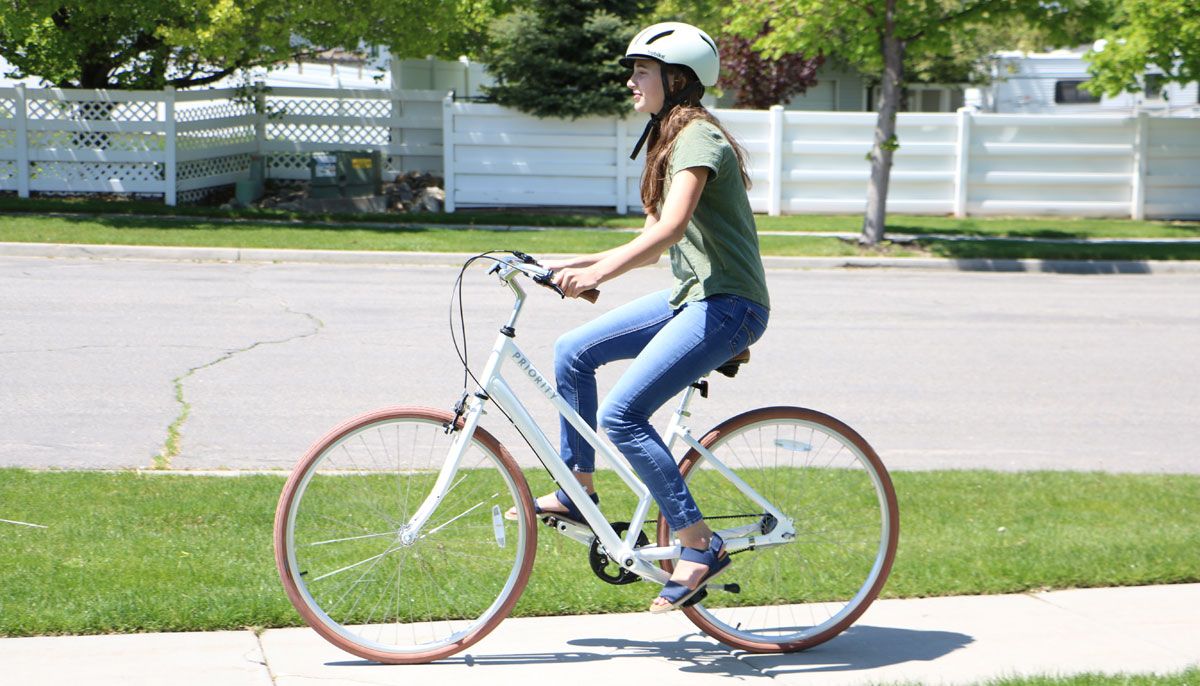 Understanding Adult Bike Sizing for Younger Riders
Adult bicycles use different sizing conventions than children's bikes. While kids' bikes are measured by wheel diameter, adult bikes typically use frame size measurements. This can create confusion when shopping for that in-between age group.
Frame sizes usually appear as small, medium, large, or as measurements in centimeters or inches. For tweens and smaller teens, you'll generally look at extra-small (XS) or small (S) frames. These compact frames paired with 26-inch wheels create a manageable package for developing riders.
The key measurement to focus on is standover height - the distance from the ground to the top tube. Your young rider should be able to straddle the bike with both feet flat and have at least one to two inches of clearance above the top tube.
Adult Sizing vs. Kids Bike Sizing
Kids' Bikes
Sized by wheel diameter (20", 24", 26")
Adult Bikes
Sized by frame measurements (XS, S, M, L, XL)
Understanding Frame Geometry Differences
Traditional bicycle design distinguished between frames marketed toward men and women, primarily through top tube configuration. Conventional frames feature a horizontal or near-horizontal top tube, while step-through designs slope dramatically downward for easier mounting.
Modern thinking has largely moved away from gender-specific labeling. Instead, manufacturers focus on proportional differences. Some riders have longer torsos relative to their legs, while others have the opposite. Frames designed for traditionally female proportions typically feature shorter top tubes, narrower handlebars, and shorter stem lengths.
For young riders, don't get caught up in gendered marketing. Focus instead on what actually fits your specific child's body proportions and riding preferences.
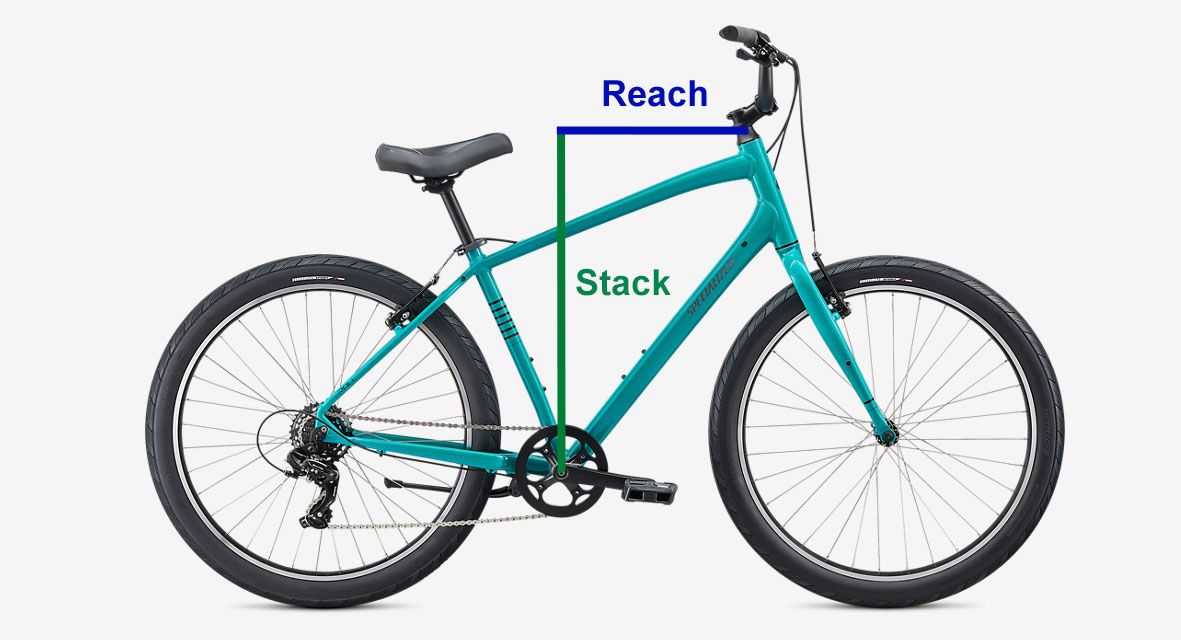
Reach Explained
Reach measures the horizontal distance from the bottom bracket to the head tube. A shorter reach positions the handlebars closer to the rider, creating a more upright, comfortable position ideal for newer or younger cyclists. Longer reach creates a more stretched-out, aggressive riding posture.
Stack Explained
Stack refers to the vertical distance from the bottom bracket to the top of the head tube. Higher stack values place handlebars in an elevated position, reducing strain on the back and neck. This measurement becomes increasingly important for comfort during longer rides.
Sample Frame Geometry Comparison
| Frame Size | Rider Height | Standover | Reach |
|---|---|---|---|
| XS (13-14") | 4'10" - 5'2" | 26-27" | Short |
| Small (15-16") | 5'2" - 5'6" | 27-29" | Medium |
| Medium (17-18") | 5'6" - 5'10" | 29-31" | Standard |
Component Variations Between Frame Styles
Beyond frame geometry, bicycles designed for different body proportions often feature varying component specifications. These differences include handlebar width, grip circumference, saddle design, and crank arm length.
Fortunately, most components can be swapped if needed. If your young rider finds a frame they love but struggles with handlebar width or grip size, these are relatively inexpensive modifications that any bike shop can perform.
Popular Bicycle Categories for Young Riders
Understanding the various bicycle categories helps narrow your search considerably. Each style serves different purposes and riding environments, so matching the bike type to your child's intended use ensures better satisfaction.
Mountain Bikes
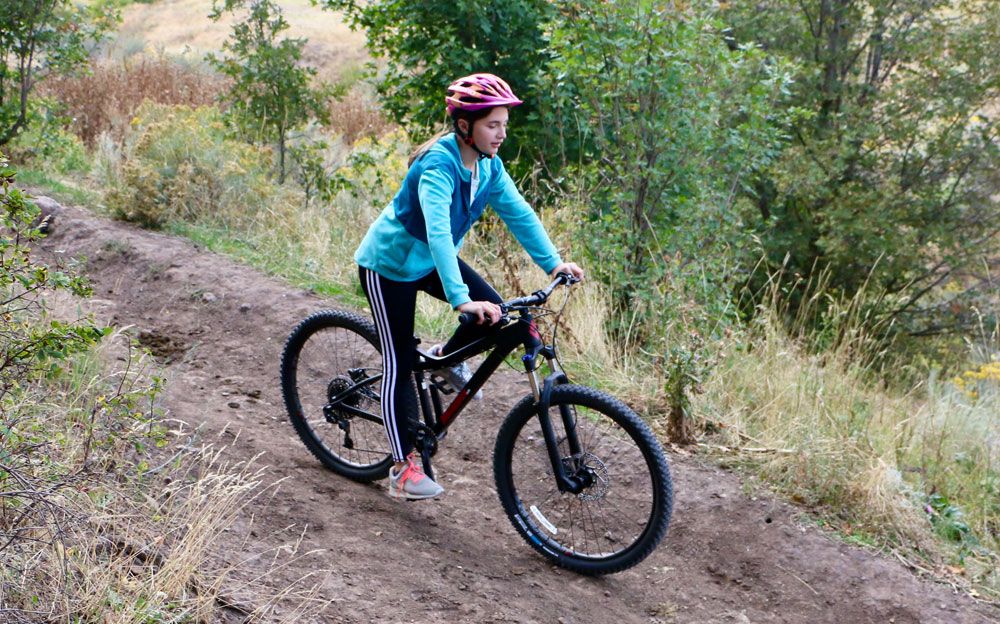
Designed for off-road terrain with knobby tires, suspension systems, and durable frames. Excellent for trails, gravel paths, and adventurous young riders who want versatility.
BMX Cruisers
Single-speed bikes with strong, compact frames built for tricks, jumps, and skatepark riding. The 26-inch cruiser variant offers a more comfortable ride for taller BMX enthusiasts.
Hybrid Bikes
Combining road bike efficiency with mountain bike comfort, hybrids excel at commuting, fitness riding, and mixed-terrain adventures. Great all-around choice for varied use.
Road Bikes
Lightweight frames with thin tires optimized for paved surfaces. Ideal for teens interested in fitness cycling, longer rides, or eventual competitive racing.
Prioritizing Lightweight Construction
Bicycle weight matters significantly more for younger riders than adults. A bike representing 30-40% of a child's body weight becomes exhausting to ride, whereas that same percentage means far less to a full-grown adult.
Look for aluminum or alloy frames rather than steel when possible. While steel offers durability advantages, the weight penalty can discourage young riders from actually enjoying their bicycle.
17-25 lbs
Ideal Weight Range
30+ lbs
Consider Carefully
Selecting the Right Drivetrain Configuration
The drivetrain encompasses all components that transfer pedaling power to the wheels, including chainrings, cassette, chain, and derailleurs. For young riders, simpler often proves better.
Single-speed or internally-geared hubs require minimal maintenance and eliminate derailleur adjustment issues. However, geared bikes provide significant advantages in hilly terrain or for longer rides.
If opting for a geared bicycle, look for quality shifting components. Frustrating gear changes discourage young riders quickly. Modern 1x (single chainring) drivetrains offer excellent range with simplified operation.

Mastering Standover Clearance Assessment
Proper standover clearance remains the most critical safety consideration when fitting a bicycle to a young rider. Without adequate clearance, sudden stops become dangerous as the rider cannot safely dismount.
To measure properly, have your child straddle the bicycle while standing flat-footed on level ground. The gap between their body and the top tube should measure at least one inch for road bikes and two to three inches for mountain bikes or BMX models.
Recommended Standover Clearance
1"
Road/Hybrid Bikes
2"
Mountain Bikes
3"
BMX/Aggressive
The Essential Test Ride Experience
Nothing replaces actually riding a bicycle before purchase. Specifications and measurements provide guidance, but comfort and confidence only reveal themselves through actual riding experience.
During the test ride, observe how easily your child starts and stops, whether they can comfortably reach all controls, and how confident they appear while maneuvering. Watch for excessive stretching to reach handlebars or tiptoeing at stops.
If purchasing online without test ride opportunity, thoroughly review return policies. Reputable retailers understand fit challenges and accommodate exchanges when necessary.
Comparing 26 Inch and 27.5 Inch Options
The cycling industry has largely shifted toward 27.5-inch (also called 650b) and 29-inch wheels for mountain bikes, though 26-inch remains available, particularly in BMX, cruiser, and entry-level categories. Understanding the practical differences helps inform your decision.
The 27.5-inch wheel offers a compromise between the nimble handling of 26-inch wheels and the obstacle-rolling capability of 29-inch wheels. For taller tweens or teens approaching adult height, the slightly larger wheel may provide better proportional fit.
That said, wheel size alone shouldn't drive your decision. Frame fit, component quality, and intended use matter far more than incremental wheel diameter differences.
Featured Recommendation
Looking for a quality 26" bike that combines style, durability, and great value? Check out our top pick for young riders and BMX enthusiasts.
Eastern Growler 26" BMXPre-Purchase Checklist
Measure rider's inseam and overall height
Determine primary riding environment
Check standover clearance requirements
Verify brake lever reach adjustability
Consider growth potential and adjustment range
Review return/exchange policies
Factor in helmet and accessory budget
Schedule test ride when possible
Making Your Final Decision
Choosing the right 26-inch bicycle for your tween or teenager requires balancing immediate fit with future growth, current ability with developing skills, and budget constraints with quality considerations. The perfect bike encourages riding while remaining safe and manageable.
Remember that bicycles can be adjusted as riders grow. Seat height, handlebar position, and stem length all offer modification potential. A quality bike purchased slightly large today can serve admirably for years with periodic adjustments.
Most importantly, involve your young rider in the selection process. Their enthusiasm for a particular style or color translates directly into motivation to actually ride. The best bike is ultimately the one that gets used regularly and brings joy to its rider.
Ready to Find the Perfect Ride?
Explore our curated selection of quality bicycles designed for young riders ready to take on new adventures.
Eastern Growler 26" BMX