
Table Of Contents
- Why Water Heaters Matter For Your Backyard
- Types Of Water Heaters Explained
- The Advantages Of Propane Water Heaters
- Understanding Water Heater Dimensions
- Propane Tank Requirements
- Investment And Longevity Considerations
- Maintenance Best Practices
A dependable water heater serves as the backbone of comfort in any backyard setup, whether you're outfitting a workshop, pool house, outdoor kitchen, or guest cabin. Modern advancements in water heating technology now offer solutions that work seamlessly even in off-grid or semi-remote locations. This comprehensive guide will walk you through every consideration when selecting the ideal water heater for your outdoor living needs.
Why Water Heaters Matter For Your Backyard
Water heaters are essential components that power numerous aspects of outdoor living, from supplying hot water to outdoor showers and sinks to supporting workshop cleaning stations and pool heating systems. Selecting the appropriate unit for your specific backyard application ensures you'll never be without the comfort of readily available hot water when you need it most.
Making the right choice from the start means maximizing energy efficiency and minimizing operational costs over the long haul. A properly matched water heater can translate into significant savings while delivering consistent performance year after year.
Types Of Water Heaters Explained
When planning your outdoor hot water solution, you'll generally choose between conventional tank-style heaters and modern tankless systems. Each approach has distinct characteristics that make it better suited for particular applications and usage patterns.
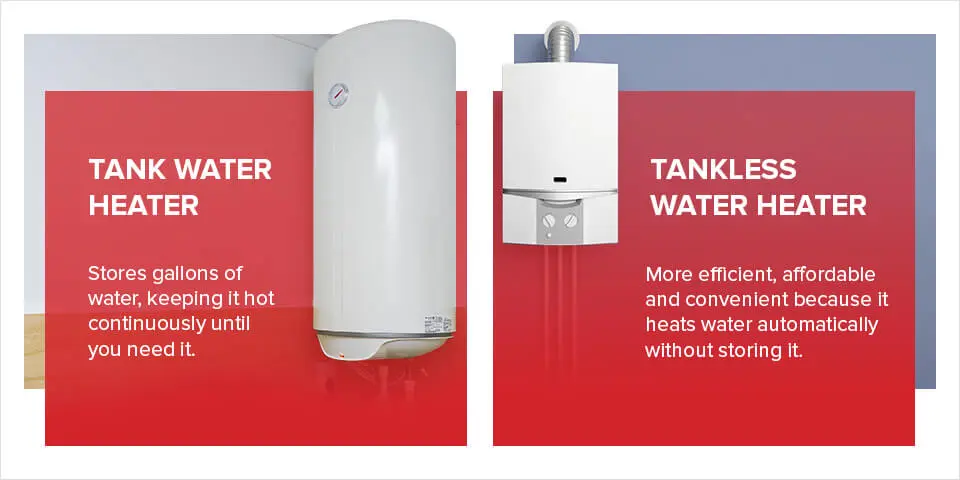
Tank Water Heater
Conventional tank units store a reservoir of preheated water, keeping it at temperature around the clock. These systems work well when you have consistent hot water demands and adequate space for installation. They're straightforward to maintain and offer reliable performance in most backyard applications.
Tankless Water Heater
On-demand tankless systems heat water instantaneously as it flows through the unit. The moment you activate a hot water fixture, internal heating elements or burners engage to deliver heated water within seconds. This approach eliminates standby energy losses and provides an essentially unlimited hot water supply.
How Tankless Water Heaters Operate
Tankless water heaters, sometimes called instantaneous or on-demand heaters, function through a remarkably efficient process. Internal sensors detect water flow the instant you open a hot water tap. This triggers the heating mechanism, which rapidly elevates the water temperature as it passes through a series of heat exchangers.
Once you close the tap, the system immediately powers down, consuming zero energy during idle periods. This operational characteristic makes tankless units exceptionally efficient for backyard structures where hot water usage may be intermittent or seasonal. Whether you're taking a quick outdoor shower after yard work or filling a utility sink in your workshop, the unit responds instantly and shuts off just as quickly.
Because tankless systems don't maintain a standing reservoir of heated water, you can enjoy extended hot water sessions without worrying about depleting a tank. This proves particularly valuable for applications like outdoor entertainment areas where multiple guests might need hot water in succession.
Electric Versus Propane Water Heaters
Electric water heaters utilize heating elements submerged in the water supply. While they can be cost-effective initially and work well in locations with reliable, affordable electricity, they may not always represent the optimal choice for backyard installations where power availability or costs present concerns.
Propane-powered water heaters have gained tremendous popularity for outdoor applications due to their versatility and independence from electrical infrastructure. For backyard setups, propane units offer several compelling advantages worth considering.
Key Advantages Of Propane Water Heaters
Superior Heating Efficiency
Propane tankless systems surpass electric models in energy efficiency ratings. This translates directly into lower fuel consumption and reduced operating expenses over the system's lifespan.
Protection From Grid Disruptions
Operating independently of electrical infrastructure means propane water heaters continue functioning during power outages. For remote backyard structures or off-grid installations, this reliability proves invaluable.
Seasonal Cost Optimization
Propane pricing often remains favorable compared to electricity, particularly during peak summer months when electrical demand drives utility rates upward. Smart propane purchasing during off-peak seasons can further enhance savings.
Lower Environmental Impact
Modern propane appliances generate significantly fewer emissions compared to many alternatives. Propane combustion produces minimal particulates and burns cleaner than many other fuel sources, making it a responsible choice.
Flexible Energy Independence
Pairing propane water heating with solar panels or other renewable energy sources creates opportunities for truly self-sufficient backyard operations with minimal ongoing utility dependencies.
Safety Considerations For Propane Water Heaters
Propane water heating systems incorporate numerous safety mechanisms designed to protect users and property. When installed according to manufacturer specifications and maintained properly, these units demonstrate excellent safety records in residential and outdoor applications.
Flame-based heating systems perform optimally and most safely when certain conditions are met. Professional installation by certified technicians ensures proper gas line connections, adequate ventilation, and correct operational setup. Regular maintenance schedules keep safety systems functioning at peak effectiveness.
Purchasing from established distributors who stand behind their products with comprehensive warranties and technical support provides additional peace of mind. Reputable suppliers can also coordinate professional installation services to ensure your system operates safely from day one.
Understanding Water Heater Dimensions
Selecting appropriately sized equipment ensures adequate hot water delivery without wasting resources on oversized systems. For tankless units, capacity is typically measured in gallons per minute (GPM), indicating how much hot water the system can produce at any given moment.
7 GPM
Ideal for single-fixture setups like outdoor showers or utility sinks
9 GPM
Suitable for multiple simultaneous fixtures in moderate-use applications
11+ GPM
Recommended for high-demand outdoor kitchens and entertainment spaces
Calculating your specific needs involves tallying the maximum number of hot water fixtures that might operate simultaneously, then matching that demand to an appropriately rated system. Oversizing provides a comfortable margin for unexpected demand spikes, while undersizing leads to frustrating temperature fluctuations during heavy use.
Propane Tank Requirements
Propane-fueled water heaters require an adequately sized propane supply to operate effectively. Tank capacity depends on your anticipated hot water consumption patterns and how frequently you can arrange refill deliveries.
| Tank Size | Best Application |
|---|---|
| 100 Gallons | Small workshops, single outdoor showers |
| 250-500 Gallons | Pool houses, guest cabins, outdoor kitchens |
| 1,000 Gallons | Large properties with multiple outbuildings |
| 30,000+ Gallons | Commercial outdoor facilities, campgrounds |
Investment And Longevity Considerations
Water heater costs span a broad spectrum depending on technology, capacity, and feature set. While upfront expenses matter, evaluating total cost of ownership over the system's operational life often reveals that more efficient models deliver superior long-term value.
Tankless propane water heaters typically command higher initial prices than basic tank models. However, their enhanced efficiency, longer operational lifespans, and reduced energy consumption frequently offset this premium within several years of operation.
Expected Service Life
Conventional tank water heaters generally provide 8-12 years of service with proper maintenance. Tankless systems frequently exceed 20 years of reliable operation, potentially doubling the effective lifespan of your investment. This longevity advantage, combined with ongoing efficiency gains, makes tankless technology particularly attractive for permanent backyard installations.
Maintenance Best Practices
Routine maintenance protects your investment and ensures consistent performance throughout your water heater's service life. A few simple practices can prevent common problems and extend operational longevity significantly.
Periodic Draining: Flushing your water heater removes accumulated sediment and mineral deposits that can reduce efficiency and accelerate wear. Schedule this procedure annually or more frequently in areas with hard water.
Supply Line Maintenance: Inspect and clean cold water intake screens and filters regularly. Replace any degraded gaskets or connectors promptly to prevent leaks and maintain proper water flow.
Descaling Treatment: White vinegar solutions effectively dissolve mineral buildup within the system. Periodic descaling maintains heat transfer efficiency and prevents blockages that could compromise performance.
Component Inspection: Consult your owner's manual for specific maintenance intervals and procedures. Annual professional inspections can identify developing issues before they escalate into costly repairs.
Ready To Upgrade Your Backyard Hot Water?
Propane tankless water heaters represent an efficient, environmentally conscious solution for outdoor living spaces. Experience unlimited hot water with minimal energy waste and maximum reliability.
Eccotemp 6.8 GPM Propane Tankless HeaterAt BACKYARD PROVIDER, we offer premium propane water heating solutions designed to perform flawlessly in outdoor environments. Our selection of tankless units delivers the perfect combination of efficiency, reliability, and value for any backyard application.