
Table of Contents
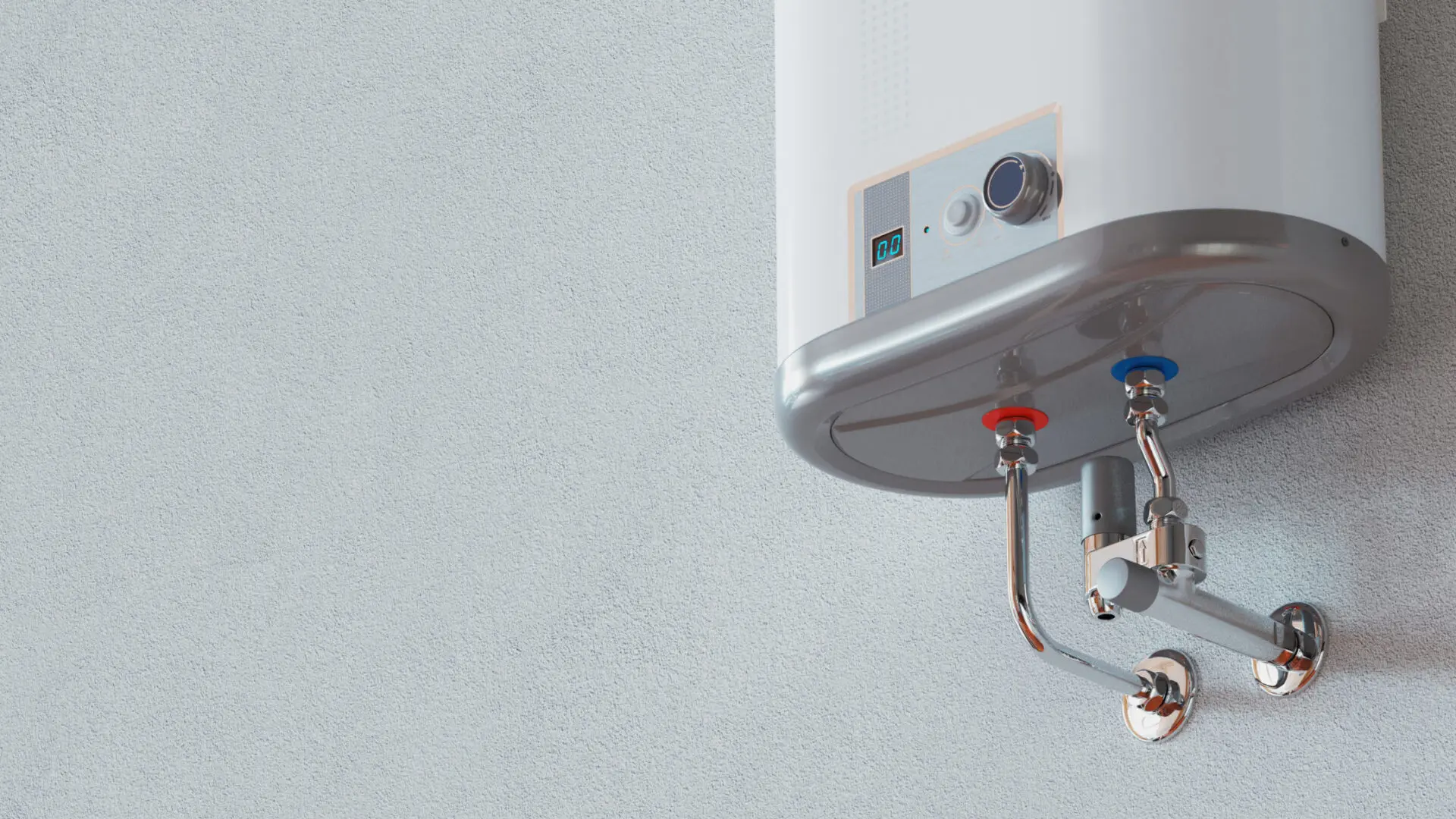
Having reliable hot water access in your backyard workshop, outdoor kitchen, or detached guest house can transform how you use your outdoor living spaces. Whether you're washing up after a day of yard work, running an outdoor shower by the pool, or equipping a she-shed with modern conveniences, a dependable water heater makes all the difference.
Selecting the ideal water heating system isn't just about comfort—it's a decision that impacts your utility expenses and overall property value. For the typical backyard structure, water heating can represent a significant portion of energy consumption, making the choice between propane and electric particularly important.
Two primary options dominate the market: propane-powered and electric water heaters. Current estimates suggest that millions of American households rely on propane for their hot water needs, and this number continues to grow—especially among homeowners with outdoor structures where propane offers distinct advantages. This comprehensive guide will walk you through everything you need to know to make an informed decision.
✓ Propane water heaters deliver faster heating
✓ They operate with reduced emissions
✓ Perfect for off-grid backyard applications
Which Water Heater Type Offers Better Efficiency?
Research from leading energy organizations consistently shows that propane-powered tankless water heaters outperform their standard electric counterparts in efficiency tests. Industry reports indicate that for a typical outdoor structure or backyard building, an electric water heater might cost significantly more per year to operate, while a comparable propane unit delivers the same hot water for considerably less.
Beyond cost savings, propane water heaters produce substantially fewer greenhouse gas emissions compared to electric models. A propane tankless system can reduce atmospheric emissions by up to 70% compared to standard electric alternatives—an important consideration for environmentally conscious property owners.
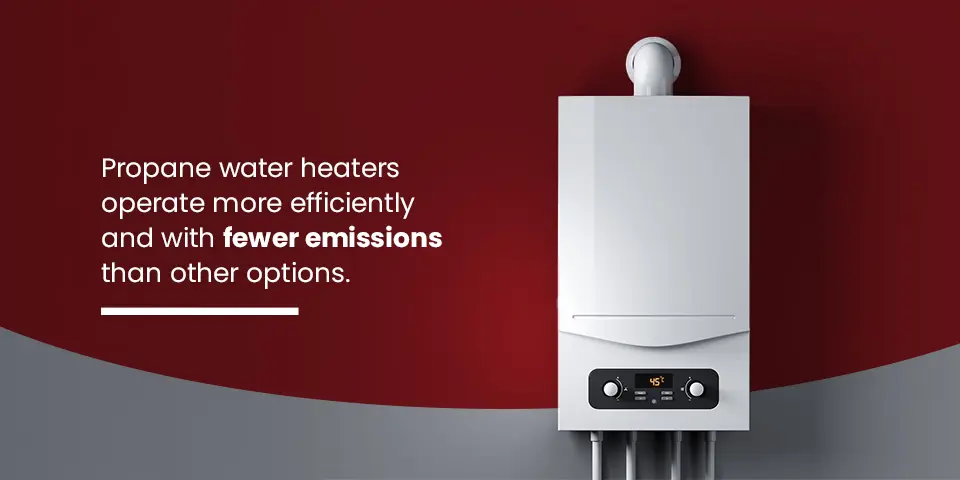
Propane systems also offer impressive space efficiency. Modern propane tankless heaters are remarkably compact—a typical 45-gallon storage tank propane heater provides equivalent hot water output to a standard 55-gallon electric model, freeing up valuable square footage in your shed, workshop, or pool house.
From a practical standpoint, propane water heaters excel in real-world backyard applications. They deliver hot water almost instantaneously, eliminating the frustrating wait time common with electric units. You won't need to run water for several minutes before it reaches a comfortable temperature. If you've ever experienced the disappointment of lukewarm water during an outdoor shower after working in the garden, propane eliminates that problem entirely—providing consistent, reliable hot water whenever you need it.
Pro Tip: Electric water heaters typically maintain temperatures between 110-140°F, often requiring you to wait while cold water clears the pipes. Propane tankless systems deliver a consistent stream of hot water at your desired temperature on demand—no waiting, no wasted water.
Breaking Down the Costs: Propane vs Electric
Initial Investment Comparison
When comparing upfront costs, a standard propane water heater typically carries a slightly higher price tag than a basic tanked electric model. You might find standard electric water heaters priced more affordably upfront, while a conventional propane tank unit may require a somewhat larger initial investment.
However, the efficiency advantages of tankless technology have made propane tankless water heaters increasingly popular for backyard applications. While tankless units carry higher upfront costs—potentially several hundred dollars more than traditional tank models—they offer exceptional long-term value. A quality propane tankless water heater sized appropriately for an average outdoor structure represents a worthwhile investment when you factor in the ongoing savings.
Propane Systems
Higher upfront cost, significantly lower operating expenses, faster payback period through energy savings
Electric Systems
Lower initial purchase price, higher monthly operating costs, longer time to recoup investment
Long-Term Operating Economics
The purchase price represents only one piece of the financial picture. The true cost of any water heater extends across its entire operational lifespan. Your monthly utility bills will ultimately determine whether your investment pays off.
Over time, a propane water heater typically proves more economical. Though installation costs may exceed those of electric alternatives, the ongoing energy savings more than compensate. Your monthly bills using propane should remain noticeably lower, gradually offsetting any difference in the original purchase and installation price. Within just a few years, many propane users find themselves ahead financially.
Lifespan considerations also favor propane. A well-maintained propane water heater can easily provide reliable service for 15 years or more, whereas electric tank models often need replacement after 10-12 years. If your current propane unit has only a few years of service, you likely have many more years of dependable operation ahead—making replacement less urgent than with aging electric systems.
Featured Product
Eccotemp Propane Tankless Water Heater
6.8 GPM output perfect for backyard structures, workshops, and outdoor living spaces
Eccotemp 6.8 GPM Tankless HeaterEvaluating Your Current Power Setup
You may already have propane infrastructure on your property—perhaps for a grill, outdoor heater, or backup generator. In many cases, switching to a propane water heater represents the most straightforward and economical upgrade path. Extending your existing propane service to accommodate a water heater often proves simpler and more cost-effective than installing new electrical capacity.
For properties currently relying solely on electric power, the transition still makes sense in many scenarios. Running propane service to a backyard structure typically involves straightforward installation, and the ongoing savings quickly offset any conversion expenses.
If you currently rely on electric water heating, you're likely familiar with its limitations—higher operating costs, slower recovery times, and dependency on grid power. Homes and outbuildings with propane service already in place for cooking, heating, or other appliances are ideally positioned to add propane water heating with minimal additional infrastructure.
The versatility of propane also provides peace of mind. During power outages, propane water heaters continue operating while electric models go cold. For backyard workshops, pool houses, and outdoor kitchens, this reliability ensures you always have hot water when you need it—regardless of what's happening with the electrical grid.
Making the Right Choice for Your Property
When weighing your options between propane and electric water heaters for backyard applications, the evidence consistently favors propane. Lower operating costs, faster heating, reduced environmental impact, and independence from electrical infrastructure make propane the smart choice for workshops, pool houses, outdoor kitchens, guest cottages, and other backyard structures.
The right water heater can enhance your outdoor living experience while keeping operating costs manageable. Consider your current setup, future needs, and the long-term financial picture—in most cases, you'll find propane delivers superior value for backyard applications.
Upgrade Your Backyard Today
Experience the efficiency and reliability of propane tankless water heating for your outdoor spaces.
Eccotemp 6.8 GPM Tankless Heater