

Whether you live in a region prone to severe weather events, love spending time outdoors, or simply want the peace of mind that comes with backup power, a portable power station is one of the smartest investments you can make. These rechargeable battery units store large amounts of electricity and deliver it through standard outlets, USB ports, and DC connections — all without the noise or fumes of a traditional generator.
But not every portable power station is created equal. Battery capacity, output wattage, charging speed, and compatibility with solar panels can vary dramatically between models. Before you spend your hard-earned money, it pays to understand exactly what to look for — and what to avoid.
What Exactly Is a Portable Power Station?
Think of a portable power station as a giant rechargeable battery enclosed in a rugged, carry-friendly housing. Unlike conventional gas-powered generators, these units run silently, produce zero emissions, and can be used safely indoors. Most models feature a combination of AC outlets, USB-A and USB-C ports, and 12V DC outputs — giving you the flexibility to charge everything from smartphones and laptops to CPAP machines and mini-fridges.
They can be recharged from a wall outlet, a car charger, or — increasingly popular — through compatible solar panels. This makes them particularly attractive for anyone looking to build an off-grid or emergency preparedness setup.
Advantages
✓ Silent operation — safe to run indoors and at campsites
✓ Zero emissions and no fuel costs
✓ Lightweight and genuinely portable
✓ Multiple charging options including solar
✓ Low maintenance with long lifespan
Limitations
✗ Limited runtime for high-draw appliances
✗ Higher upfront cost compared to gas generators
✗ Recharging takes longer than refueling gasoline
✗ Large-capacity models can still be heavy
✗ Cannot match a whole-home standby generator
When Does a Portable Power Station Make Sense?
There's no single "best" use case — these units are remarkably versatile. Some of the most common scenarios include:
Emergency Blackouts: Storms, grid failures, and rolling outages leave millions without power each year. A charged portable power station can keep your refrigerator running, your phones topped up, and your medical devices operating until the grid comes back online.
Camping and Overlanding: Enjoy the freedom of the outdoors without giving up creature comforts. Power your camp lights, portable coolers, drone chargers, and Bluetooth speakers from a single unit.
Remote Work Sites: Contractors, photographers, and event planners often need reliable power in locations where outlets are nonexistent. A portable station fills that gap cleanly and quietly.
Tailgating and Outdoor Events: Power your TV, blender, grill accessories, and string lights at your next tailgate party or backyard gathering — no extension cord needed.
Road Trips and Van Life: Long drives and mobile living become far more comfortable when you can charge laptops, run a small fan, or power a mini coffee maker right from the vehicle.
Choosing the Right Size
Portable power stations are measured primarily by their battery capacity in watt-hours (Wh) and their output in watts (W). Choosing the correct size boils down to two questions: how much energy do you need in total, and what is the highest-draw device you plan to run simultaneously?
For basic device charging — phones, tablets, laptops, and LED lighting — a unit in the 300–600 Wh range is often sufficient. If you want to run small kitchen appliances, a CPAP machine, or a television during an outage, aim for 1,000–2,000 Wh. And if you need to keep a full-size refrigerator, power tools, or multiple large devices running simultaneously, you should be looking at units above 2,000 Wh.
A helpful tip: add up the wattage of every device you plan to run at the same time, then add a 20% buffer. That total should fall comfortably within the station's continuous output rating — not just its peak surge capacity.
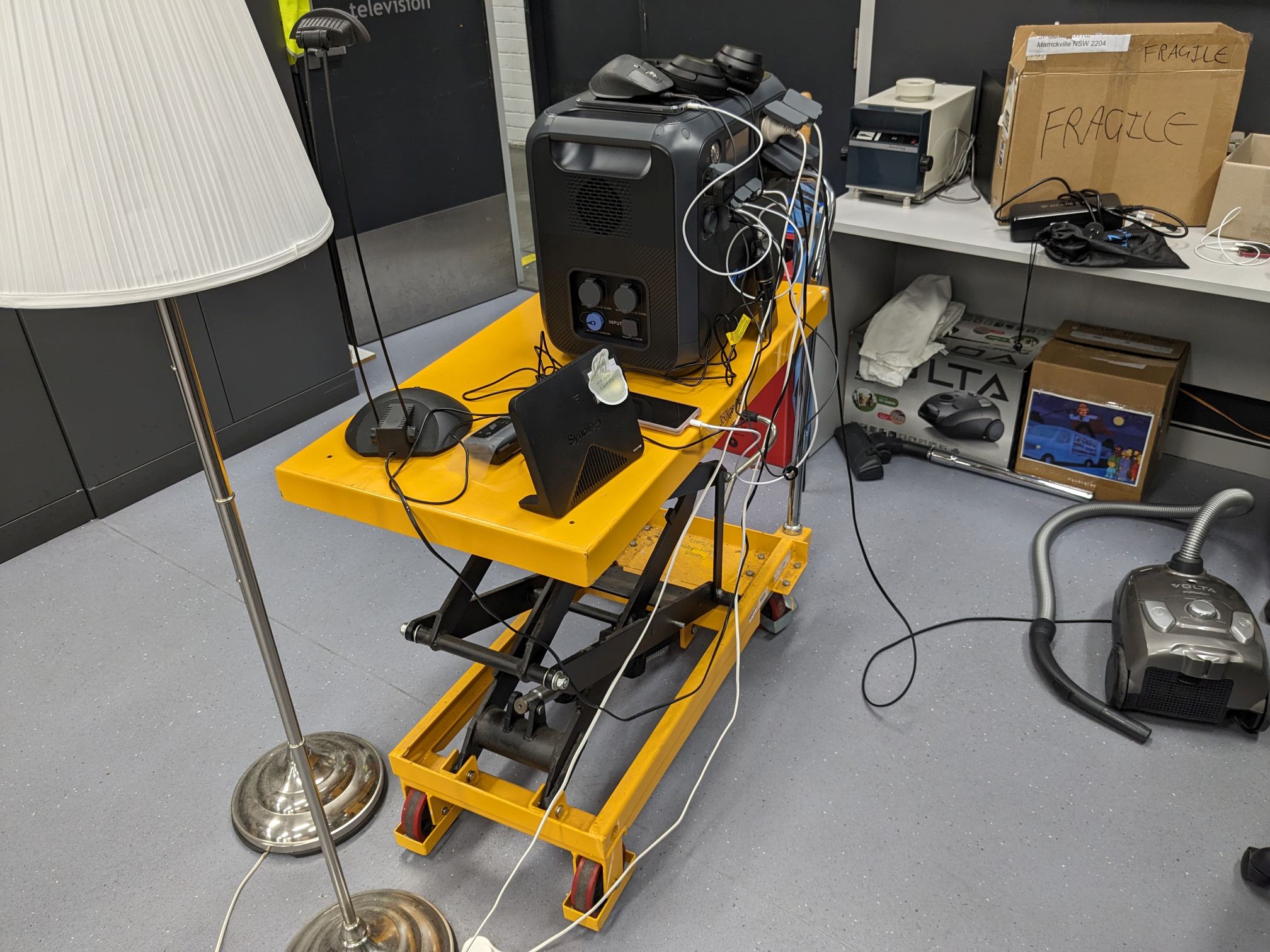
How to Charge a Portable Power Station
Most modern portable power stations support at least three charging methods, and some support all of them simultaneously for faster replenishment:
Wall Outlet (AC)
The fastest method for most units. Premium models with high-wattage AC input can charge from empty to full in under two hours.
Solar Panels
Ideal for off-grid scenarios. Pair your station with compatible solar panels and let the sun do the work — completely free energy with zero carbon output.
Car Charger (12V)
Plug into your vehicle's 12V outlet while driving to a campsite or job location. It's slower than AC charging, but perfect for topping up on the go.
How Much Do They Cost?
Pricing spans a wide range depending on capacity and features. Entry-level units with 200–500 Wh of capacity typically start around $150–$400. Mid-range stations offering 1,000–2,000 Wh — the sweet spot for most households — run between $500 and $1,500. High-capacity flagship models above 3,000 Wh can cost $2,000–$4,000 or more, but they deliver near-generator levels of performance with none of the hassle.
When evaluating cost, consider the price per watt-hour. A station priced at $1,200 with 2,000 Wh of capacity works out to $0.60 per Wh, which is competitive. Also factor in how much you would spend on gasoline over the life of a traditional generator — the savings add up quickly.
How Long Do They Actually Last?
Battery longevity depends on the chemistry. Most modern portable power stations use lithium iron phosphate (LiFePO4 or LFP) batteries, which offer significantly longer cycle life than older lithium-ion NMC cells. A quality LFP unit can handle 3,000 to 3,500 full charge cycles before its capacity drops to around 80% — meaning if you drained and recharged it once per day, it would still hold strong after nearly a decade of use.
NMC-based stations, while sometimes lighter, typically last 500–800 cycles. The chemistry you choose should align with how frequently you plan to use the unit and how long you want it to remain effective.
"We fully charged the unit from a standard wall outlet in just under two hours. After running a mini-fridge, charging two laptops, and powering LED work lights for 14 hours straight, we still had over 30% capacity remaining."
— Field testing a 3,000Wh-class portable power station
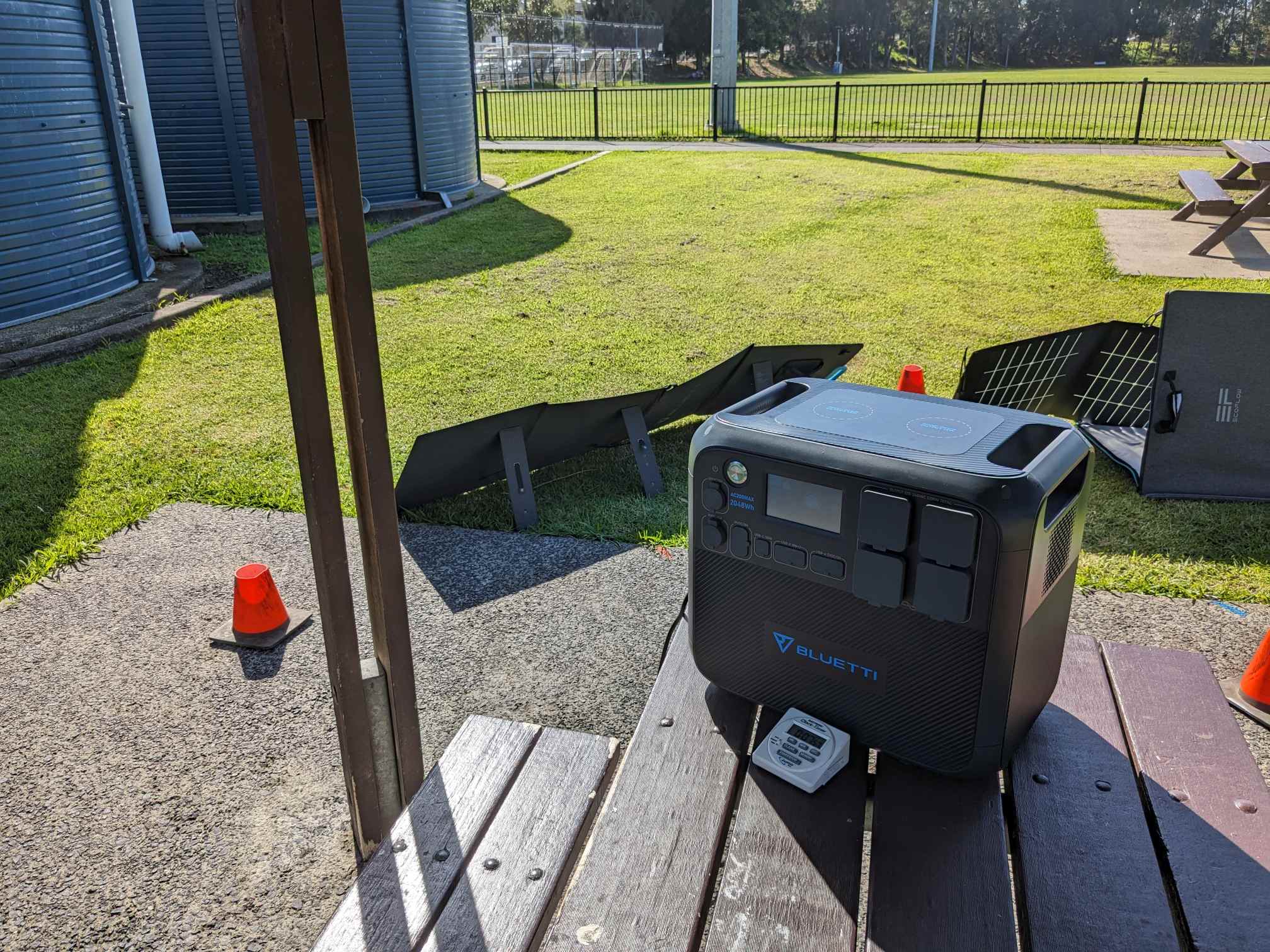
Using Solar Panels to Generate Energy for a Power Station
Solar charging has become one of the biggest selling points for portable power stations — and for good reason. By connecting a compatible solar panel (or array of panels), you can replenish your station using nothing but sunlight. It is the ultimate off-grid power solution.
Most manufacturers now offer their own branded solar panels designed to pair seamlessly with their power stations. You'll also find third-party panels that work just as well, provided the voltage and connector type are compatible. Typical solar input ranges from 100W on small panels up to 400W or more on large, foldable configurations.
Keep in mind that actual charging speed from solar depends on direct sunlight, panel angle, temperature, and cloud cover. On a clear day with panels optimally positioned, you can expect roughly 70–85% of the panel's rated wattage. Planning for that gap ensures you are never caught short.
Portable Power Stations vs. Traditional Generators
| Feature | Power Station | Gas Generator |
|---|---|---|
| Noise Level | Silent | 65–85 dB (loud) |
| Emissions | Zero | CO, exhaust fumes |
| Indoor Use | Yes — completely safe | Never (CO risk) |
| Fuel Cost | Electricity / Free (solar) | Ongoing gasoline |
| Maintenance | Virtually none | Oil, spark plugs, filters |
| Portability | Lightweight, compact | Heavy, bulky |
Traditional generators still have one clear advantage: sustained high-output power for extended periods. If you need to run a central air conditioner or a full workshop, a gas generator may still be necessary. For virtually everything else, a portable power station offers a quieter, cleaner, and more convenient experience.
What to Look for in a Portable Power Station
Battery Capacity (Wh)
The bigger the number, the more total energy the unit stores. Choose a capacity that comfortably covers your expected usage plus a margin for unexpected needs.
Output Wattage (W)
This determines the most power-hungry device you can run. A 2,000W continuous output handles most household appliances; a 3,000W+ output covers nearly all of them.
Battery Type
LiFePO4 (LFP) is the gold standard for longevity and safety. NMC lithium-ion is lighter but wears out faster. Prioritize LFP if the unit will see regular use.
Charging Speed
Look for high AC input wattage and solar compatibility. The best stations can reach 80% charge in under an hour via wall outlet.
Weight and Portability
If you plan to carry the unit regularly, pay close attention to weight and handle design. Some manufacturers include wheels or modular designs for heavier units.
Ports and Outlets
Make sure the station has enough of the right outlet types — AC, USB-A, USB-C, and 12V DC — to charge all of your devices simultaneously.
Safety Considerations
Modern portable power stations are designed with multiple layers of protection — overcharge, over-discharge, short circuit, and temperature management systems are standard on reputable models. Still, there are sensible precautions to keep in mind.
Always purchase from established brands with certifications like UL, FCC, and DOE compliance. Avoid leaving the unit in extreme heat (above 113°F / 45°C) or freezing conditions for prolonged periods. Store the station at 50–80% charge when not in use for extended durations, and follow the manufacturer's guidelines for firmware updates that can improve efficiency and safety features.
One major advantage: unlike gasoline generators, there is zero risk of carbon monoxide poisoning, making portable power stations inherently safer for indoor and enclosed-space use.
How to Maintain a Portable Power Station
One of the best things about portable power stations is how little maintenance they need. That said, a few good habits will maximize lifespan and performance:
First, keep the unit stored in a cool, dry place. Extreme temperatures are the number one enemy of lithium batteries. Second, if you won't be using the station for more than a few weeks, charge it to around 60% before putting it away — storing at full charge or near-empty accelerates degradation.
Third, cycle the battery at least once every three months. Plug it in, top it off, then use it to power something until it drops to around 20–30%. This keeps the battery management system calibrated. Fourth, keep the ports and vents clean. A quick blast of compressed air every few months prevents dust buildup that can impede cooling.
Finally, check for firmware updates from the manufacturer. Many brands push updates through companion apps that improve charging algorithms, add features, and enhance safety protections.
Final Thoughts
A portable power station is no longer a niche gadget for tech enthusiasts — it has become a practical household tool that millions of people rely on daily. From safeguarding your family during blackouts to enhancing outdoor adventures and supporting remote work, the right power station pays for itself in reliability, convenience, and peace of mind.
Take the time to assess your power needs, prioritize LFP battery chemistry for long-term value, and choose a unit with enough capacity and output to handle your most demanding scenario. Your future self — sitting comfortably with a fully powered home while the neighbors are in the dark — will thank you.