
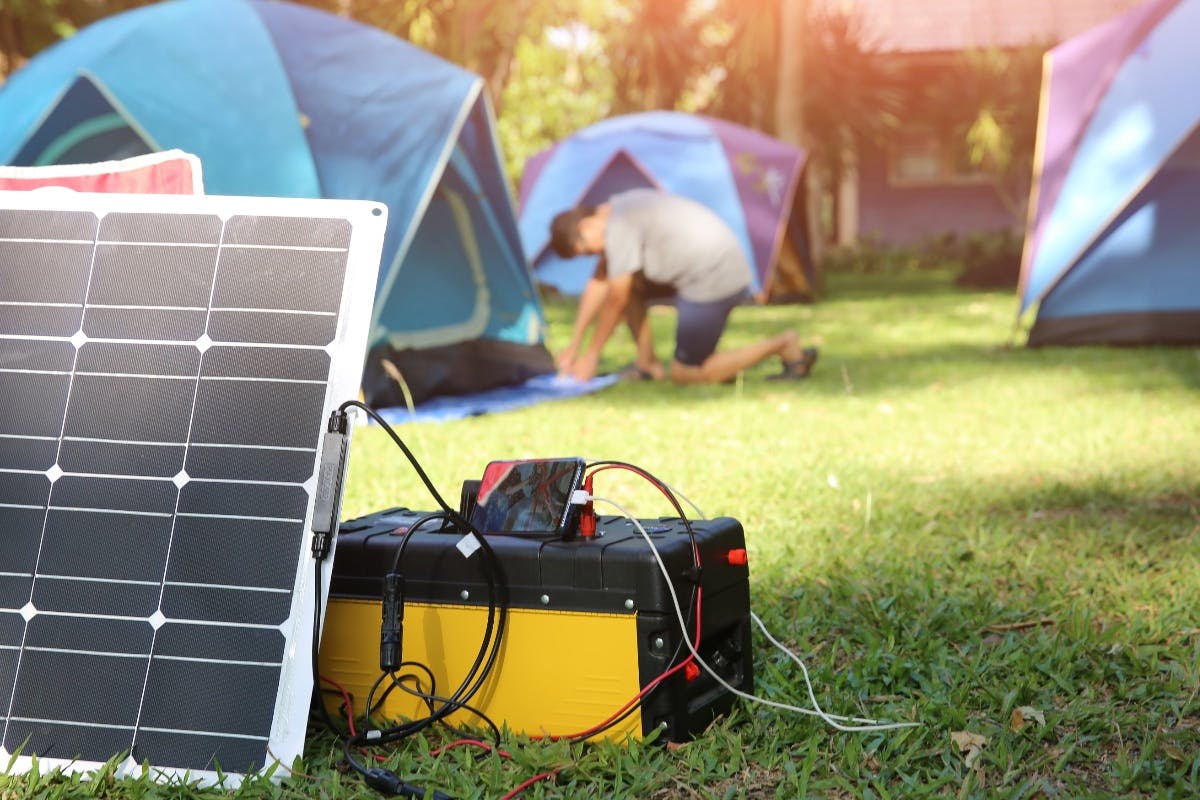
The world is steadily shifting toward cleaner and more sustainable energy solutions, and solar generators have become one of the most practical ways to tap into renewable power. Whether you need electricity during a camping trip, want a dependable backup for your home, or simply wish to reduce your carbon footprint, portable solar generators deliver a versatile, fuel-free answer. In this guide, we cover everything from how they work to how to choose the right one for your lifestyle.
In This Article
1. What Is a Solar Generator?
2. Common Uses for Solar Generators
3. Key Components of a Solar Generator
4. How Do Solar Generators Work?
5. Benefits of Solar Generators
6. Solar Generators vs. Gas-Powered Generators
7. Buying Considerations
8. Key Takeaways
9. Frequently Asked Questions
What Is a Solar Generator?
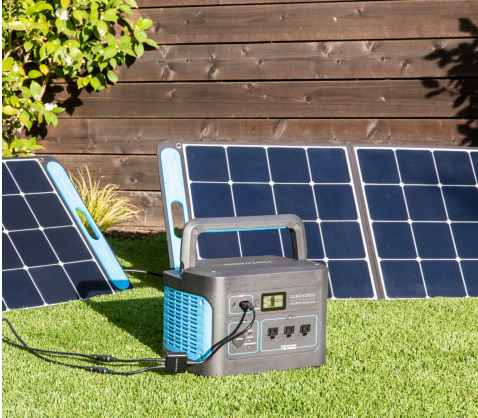
A solar generator is essentially a self-contained power system that captures sunlight and converts it into usable electricity. Unlike traditional fuel-burning generators, it relies on photovoltaic panels to collect solar energy and stores that energy in a built-in battery for later use. The term typically refers to a portable unit that bundles a battery storage system, an inverter, and a charge controller into one compact device.
Many solar generators also come equipped with a dedicated portable power station — a rechargeable battery unit designed specifically to pair with solar panels. These power stations can store energy collected during peak sunlight hours, making it available whenever you need it, day or night. This combination of solar collection and energy storage is what makes portable solar generators so practical and appealing.

Common Uses for Solar Generators
Solar generators are incredibly flexible and can be used in a wide range of settings. Here are some of the most popular applications:
Camping & Outdoor Adventures
Charge phones, run portable coolers, light up your campsite, and power small cooking appliances without needing noisy fuel generators.
Emergency Backup Power
Keep essential devices running during power outages — from lights and refrigerators to medical equipment and communication devices.
RV & Van Life
Power your mobile lifestyle quietly and sustainably. Run laptops, fans, mini-fridges, and lighting systems while on the road.
Remote Work & Job Sites
Keep tools and devices powered in off-grid locations, from construction sites to outdoor photography shoots and remote research stations.
Backyard & Outdoor Events
Provide silent, emission-free power for backyard parties, outdoor gatherings, string lights, sound systems, and more.
Off-Grid Living
Supplement or fully power a cabin, tiny home, or off-grid property with clean solar energy stored in a reliable battery system.
Key Components of a Solar Generator
Every solar generator is built around four essential components that work in harmony to capture, store, and deliver electricity. Understanding these parts will help you make a more informed purchase decision.
How Do Solar Generators Work?
The process behind a solar generator is elegantly simple. Solar panels absorb sunlight and generate DC electricity through the photovoltaic effect. That raw energy flows through a charge controller, which regulates the current and voltage before directing it into the battery for storage.
When you need to use the stored energy, the inverter steps in. It takes the DC power from the battery and converts it into AC power — the same kind of electricity used by your household outlets. This allows you to plug in and run everything from small electronics to larger appliances, depending on the generator's capacity and output rating.
Here is a simplified breakdown of the process:
Sunlight hits the solar panels
Panels generate DC electricity
Charge controller regulates the flow
Energy is stored in the battery
Inverter converts DC to AC power
Today's top-tier portable solar generators are sophisticated enough to handle multiple output ports simultaneously. They can charge phones via USB while simultaneously running a mini-fridge through an AC outlet, all without producing any noise or emissions. Although most portable models are designed for light-to-moderate workloads, they are increasingly capable of powering more demanding devices as battery and inverter technology continues to advance.
Benefits of Solar Generators
Solar generators bring a range of advantages that make them an excellent choice for anyone looking for portable, sustainable energy. Here are the standout benefits:
Clean, Renewable Energy: Solar generators produce zero emissions during operation. They run entirely on sunlight, making them one of the most environmentally responsible ways to generate electricity on the go.
Silent Operation: Unlike gas generators that produce constant engine noise, solar generators run silently. This makes them ideal for campgrounds, residential neighborhoods, and any setting where noise pollution is a concern.
Low Maintenance: With no engine, no oil changes, no spark plugs, and no fuel filters, solar generators require very little upkeep. Occasional cleaning of the panels and monitoring battery health is about all you need to do.
Free Fuel Source: Once you invest in the hardware, sunlight is completely free. You never have to worry about rising gas prices, fuel shortages, or the hassle of storing flammable liquids.
Safe for Indoor & Outdoor Use: Because there are no exhaust fumes, solar generators can be safely used indoors — something that is absolutely not possible with gas-powered alternatives due to the risk of carbon monoxide poisoning.
Portable & Versatile: Modern units are designed to be lightweight and portable, with multiple output options including AC outlets, USB ports, and 12V DC sockets, making them useful in virtually any scenario.
Solar Generators vs. Gas-Powered Generators
Both solar and gas-powered generators have their place, but they cater to very different needs and priorities. Understanding the key differences will help you decide which option makes the most sense for your situation.
Advantages of Solar Generators
Zero ongoing fuel costs — sunlight is free, so your operating expenses after the initial purchase are virtually zero.
No noise or emissions — perfect for environmentally sensitive areas, campgrounds with quiet hours, and indoor use.
Virtually no maintenance — no oil, no filters, no engine components to service or replace.
Long-term savings — while the upfront cost can be higher, the lifetime cost of ownership is typically much lower.
Safer storage — no flammable fuel to store or transport, reducing fire and safety risks.
Advantages of Gas-Powered Generators
Higher power output — gas generators generally produce significantly more wattage, making them suitable for running multiple heavy appliances at once.
Instant refueling — simply add gasoline and you are back up and running, with no waiting for batteries to recharge.
Lower upfront cost — gas generators typically have a lower purchase price compared to equivalent-capacity solar setups.
Weather independence — gas generators work the same whether it is sunny, cloudy, or nighttime.

| Feature | Solar Generator | Gas Generator |
|---|---|---|
| Fuel Source | Sunlight (free) | Gasoline (ongoing cost) |
| Noise Level | Silent | 60–90 dB (loud) |
| Emissions | Zero | CO, CO₂, and other exhaust |
| Maintenance | Minimal | Regular (oil, filters, spark plugs) |
| Indoor Use | Safe | Dangerous (CO risk) |
| Upfront Cost | Higher | Lower |
| Running Costs | Free (sunlight) | Ongoing fuel expenses |
| Power Output | Moderate (growing) | High |
Buying Considerations
Selecting the right solar generator involves evaluating several key factors to ensure you get a unit that matches your specific power requirements and lifestyle. Here are the most important things to consider before making a purchase:
Energy Needs & Wattage Requirements
Start by listing the devices you intend to power and calculating their combined wattage requirements. This includes both the continuous wattage each device draws during normal use and any surge wattage that appliances like refrigerators or power tools need when starting up. Make sure the solar generator you choose has enough capacity to handle your peak load comfortably.
Battery Capacity
Battery capacity is measured in watt-hours (Wh) and determines how long your generator can run before needing a recharge. A higher Wh rating means more stored energy and longer runtimes. Consider your typical usage duration — a weekend camping trip has very different needs from a multi-day emergency backup situation.
Charging Speed & Options
Look at how quickly the generator can recharge from solar panels, and whether it supports alternative charging methods like wall outlets, car chargers, or dual-input charging. Multi-input charging is especially valuable during emergencies when sunlight alone might not be sufficient.
Portability & Weight
If you plan to travel with your solar generator, weight and size matter significantly. Smaller units with capacities under 500Wh are easy to carry for camping and hiking, while larger systems may require wheels, handles, or a vehicle for transport. Balance portability against your power requirements.
Output Ports & Versatility
Check the types and number of output ports available. Most quality units offer a mix of standard AC outlets, USB-A, USB-C, and 12V DC car ports. More output options mean you can charge and power multiple devices simultaneously without needing adapters.
Build Quality & Warranty
Invest in a well-built unit from a reputable manufacturer. Look for durable construction, quality battery cells (LiFePO4 is the gold standard), and a solid warranty. A longer warranty typically signals that the manufacturer stands behind the reliability and longevity of their product.
Key Takeaways
✓ Solar generators provide a clean, quiet, and fuel-free way to produce portable electricity using nothing but sunlight.
✓ They are ideal for camping, emergency backup, RV travel, remote work, off-grid living, and backyard events.
✓ Key components include solar panels, a charge controller, battery storage, and an inverter — all working together to collect, store, and deliver power.
✓ Compared to gas generators, solar generators offer zero emissions, silent operation, minimal maintenance, and significantly lower long-term costs.
✓ When buying, focus on wattage capacity, battery size, charging speed, portability, output port variety, and build quality.
✓ Investing in a quality solar generator pays for itself over time through free fuel and minimal upkeep, while contributing to a greener future.
Frequently Asked Questions
Go Solar with Confidence
Explore the EcoFlow DELTA Pro bundle — a powerful, portable solar solution designed for serious off-grid performance.
EcoFlow DELTA Pro + 220W Solar Kit