
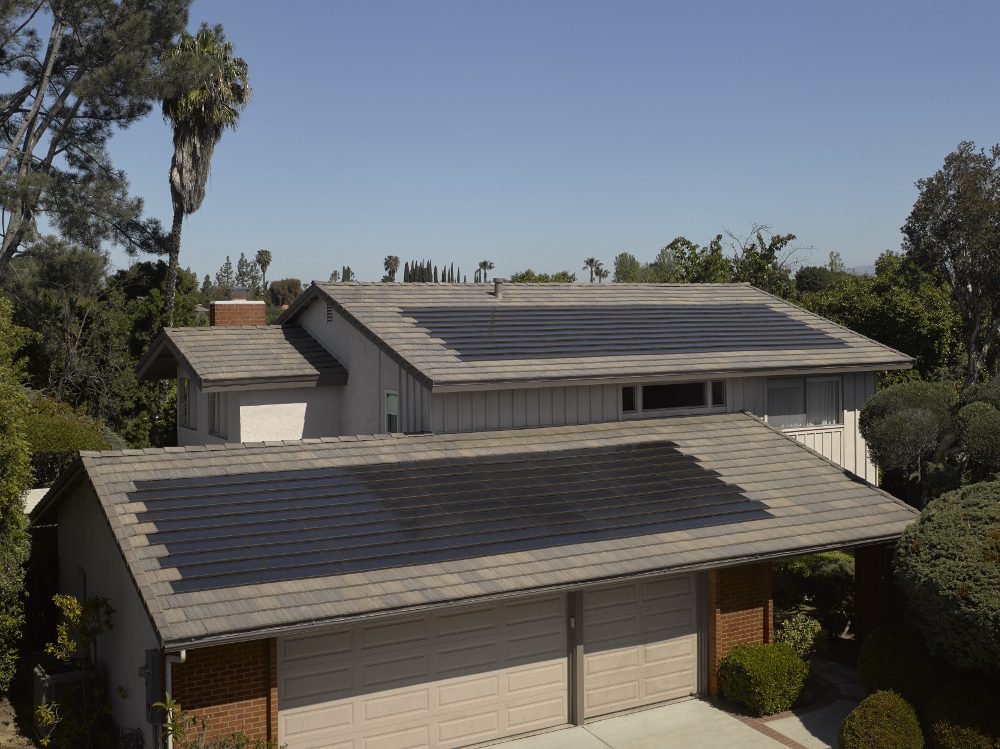
When major tech companies made waves with their announcements about solar roofing tiles, the rest of the world reacted with awe. Media outlets called it revolutionary, a breakthrough that would reshape the entire energy industry. But what many people failed to realize was that the solar industry had been quietly perfecting this technology for years.
Solar shingles are not a futuristic fantasy. Building-integrated photovoltaics — commonly referred to as BIPV — have existed for quite some time. The concept involves embedding solar cells directly into building materials so that rooftops, facades, and even windows can generate clean electricity. The category extends well beyond just roof tiles, encompassing translucent solar panels for skylights and glass replacements that double as power generators.
While new entrants continue refining their designs and working out production timelines, several established manufacturers have already proven their products in the real world. Let's take a closer look at a couple of these pioneering companies and what they bring to the table.
SunTegra: Crystalline Silicon Done Right
When a major player like Dow exited the solar shingle market back in 2016 with its Powerhouse system, many industry observers feared it was the end of the road for BIPV roofing products. But SunTegra's CEO was quick to point out that the two companies took fundamentally different approaches. Formerly known as Integrated Solar Technology, SunTegra builds its solar shingle and solar tile roof systems using crystalline silicon — a proven, efficient technology — rather than the more costly and less efficient thin-film alternatives used by some competitors.
"By relying on standard crystalline solar cell technology, we're able to leverage the existing economies of scale in the industry while delivering competitive pricing, strong efficiencies, and the same reliability that people expect from traditional solar panels."
— SunTegra Leadership
SunTegra's Solar Shingle and Solar Tile systems are designed to completely replace conventional roofing materials, making them an ideal choice for new construction or major remodeling projects. The products fasten directly onto the roof deck in an overlapping pattern, and their patented TegraVent design encourages airflow beneath the panels. This ventilation helps reduce heat buildup, which in turn boosts energy production and extends the life of the roofing system.
SunTegra At a Glance
Shingle Output
100W
2 x 4 ft panel
Tile Output
67W
1.5 x 4 ft panel
Efficiency
~15%
Close to standard panels
Warranty
20-25yr
Power guarantee
The real benefit becomes clear when you compare BIPV systems against traditional racked solar setups paired with conventional roofing. Asphalt shingle roofs generally last anywhere from 15 to 30 years depending on the climate, and when they need replacement, any racked solar system mounted on top must be removed and reinstalled — a costly and time-consuming hassle. A BIPV solution like SunTegra's stays in place and often outlasts a standard non-solar roof, eliminating the need for reattachment and the added expense of re-roofing.
SunTegra launched in 2013, and its leadership team brings decades of accumulated solar expertise. The company has been gaining market traction in recent years, with growing recognition that their product offers a practical, proven alternative to newer entrants still working through production challenges.
CertainTeed: A Century of Roofing Expertise Meets Solar
In addition to standard rack-mounted PV systems, CertainTeed — one of the most recognized names in the construction materials world — offers its Apollo II and Apollo Tile II BIPV systems. With over a century of experience in roofing, CertainTeed brings a deep understanding of how solar roofing products should function as true building-integrated solutions.
Each Apollo II shingle generates around 60 watts and is engineered to withstand wind and water infiltration. The Apollo II features an all-black aesthetic, while the Apollo Tile II offers a brown-and-black design — both carefully crafted to blend seamlessly with conventional shingled and tiled rooftops. Like SunTegra, CertainTeed relies on crystalline silicon technology, delivering efficiency ratings that are competitive with other solar shingle products available today.
One notable advantage is that rafters are not required for installation. The Apollo II shingles attach directly to the roof sheathing using standard deck screws, making the installation process straightforward. CertainTeed has also developed detailed installation guides and offers credentialing programs for installers to ensure the systems are set up correctly.
Potential Homeowner Savings
$770 – $2,520
Average savings on roofing materials and labor compared to separate roofing + racked solar installations for a typical 6-kW system.
According to CertainTeed's product development team, the combined simplicity and efficiency of these systems translates into meaningful cost reductions that homeowners can appreciate. For a standard 6-kW Apollo II installation, savings on materials and labor alone typically range from $770 to $1,210 compared to separate roofing and racked solar setups. The Apollo Tile II system pushes those savings even higher, typically between $1,260 and $2,520.
CertainTeed has been in business since 1904, which provides homeowners with an added layer of confidence. Their products come backed by a 25-year power generation guarantee and a 15-year installation workmanship warranty — assurances that carry real weight given the company's long-standing reputation in the industry.
The Takeaway: Solar Shingles Are Ready Now
The bottom line is clear: you don't have to wait for any single company to bring solar shingles to market. Proven, high-quality BIPV products are available right now from manufacturers with real track records and years of field-tested performance. Whether you're building a new home, planning a roof replacement, or simply exploring ways to generate clean energy without the look of conventional panels, solar shingles offer a compelling solution.
As the technology continues to advance and adoption grows, expect pricing to become even more competitive and the range of options to expand. The future of solar roofing isn't coming — it's already here.
Featured Product