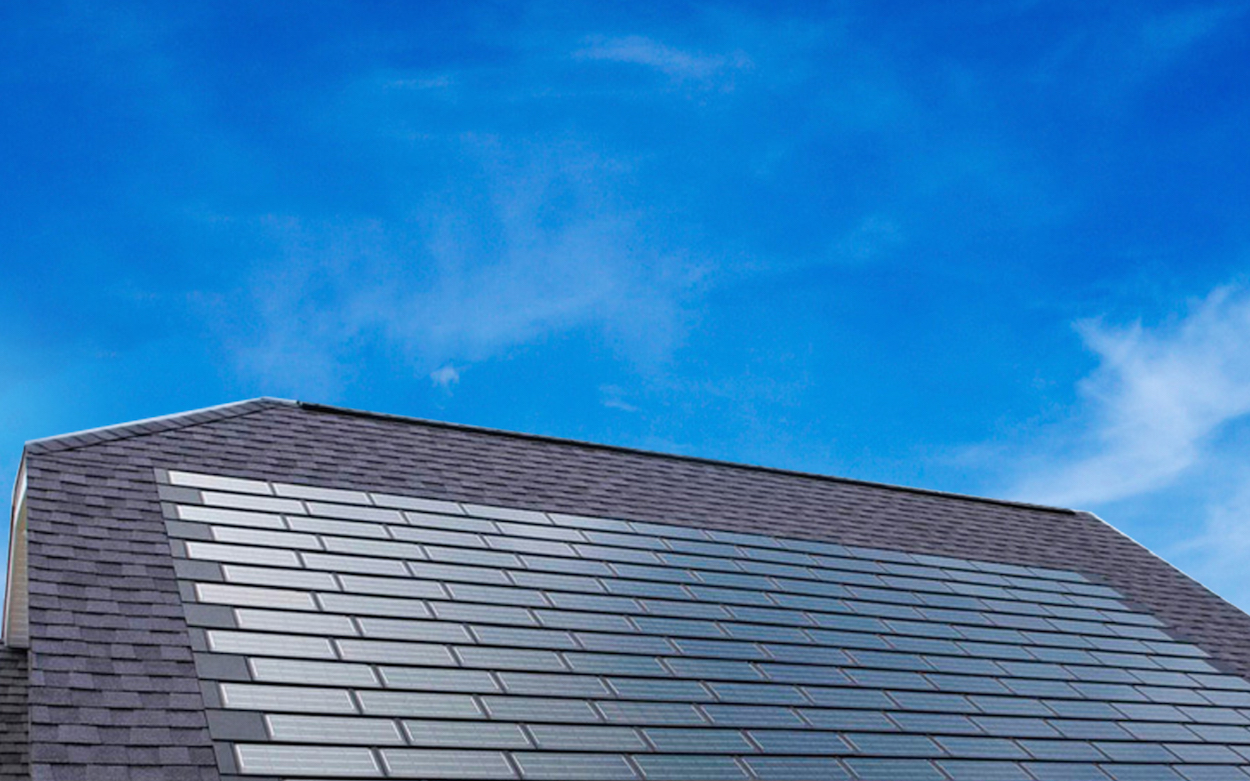
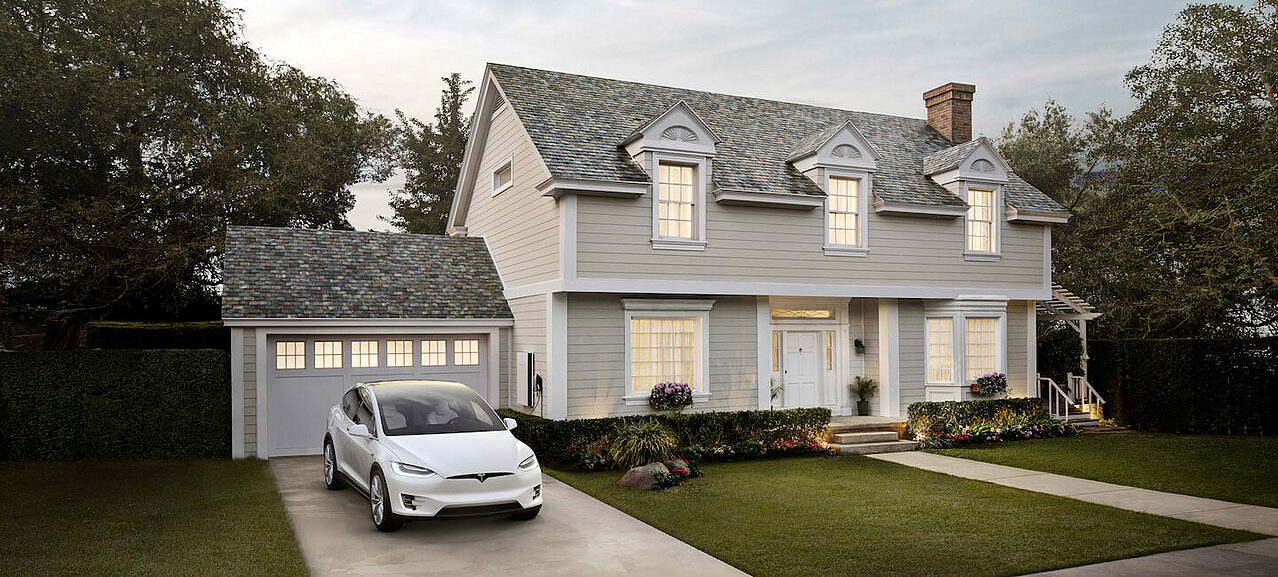
Elon Musk and the Tesla Energy division have transformed the way homeowners think about harnessing the sun. The Tesla Solar Roof isn’t just a panel mounted on top of your existing shingles — it is the roof. By replacing traditional roofing materials with sleek, energy-generating glass tiles, Tesla has merged aesthetics with functionality in a way no other manufacturer has achieved at scale.
In this comprehensive guide from Backyard Provider, we break down every aspect of the Tesla Solar Roof — from pricing comparisons and tax credits to panel efficiency, weight considerations, flat-roof compatibility, and long-term durability. If you’ve been curious whether solar tiles could be the right move for your home, this is the resource you need.
What’s Inside This Guide
- Solar Roof Cost vs. Traditional Solar Panels
- Maximizing Value with the Federal Solar Tax Credit
- Solar Roof Efficiency vs. Standard Panel Efficiency
- How Heavy Is the Tesla Solar Roof?
- Flat Roof Compatibility
- Long-Term Durability & Warranty
- Who Should Invest in a Solar Roof?
Solar Roof Cost vs. Traditional Solar Panels
When weighing the financial side of a Tesla Solar Roof against your home’s needs, you have to account for several variables: the total square footage of your roof, your household’s average monthly electricity consumption, and your local utility rates. The higher your energy usage, the more solar tile coverage you’ll need — which naturally increases the upfront cost.
Estimated 30-Year Savings
$61,250+
Based on average U.S. residential energy costs
Tesla’s own cost estimator factors in local sunlight exposure, roof complexity, and your current electricity expenses to project potential savings over decades. It’s a genuinely useful starting point before requesting a formal quote.
In most scenarios, the cost of a Tesla Solar Roof runs significantly higher than a conventional solar panel system. A standard residential rooftop solar installation using traditional rack-mounted panels might cost anywhere from $15,000 to $25,000. The Tesla Solar Roof, on the other hand, can range from $40,000 to well over $80,000, depending on the size and complexity of your roof.
However, keep in mind that the Solar Roof simultaneously replaces your existing roofing material. If you already need a new roof and were going to spend $15,000–$20,000 on that project anyway, the incremental cost of going solar through Tesla’s tiles looks far more reasonable. For homeowners who value aesthetics and don’t want visible panels on their rooftop, this two-in-one solution can be compelling.
Maximizing Value with the Federal Solar Tax Credit
One of the most powerful financial incentives for going solar in the United States is the Federal Investment Tax Credit (ITC). Under current legislation, homeowners who install qualifying solar energy systems can claim a tax credit worth 30% of the total system cost, including installation expenses.
The Tesla Solar Roof qualifies for this incentive. However, there’s a nuance worth understanding: only the solar-active tiles (the ones that actually generate electricity) and the associated hardware such as inverters and the Powerwall battery count toward the credit. The non-solar tiles that serve purely as roofing material are not eligible. This means your actual credit will be calculated on a portion of the total project cost, not the full amount.
Key Takeaway
The federal tax credit can shave tens of thousands of dollars off your effective cost. Your Tesla order summary should break down which components qualify, so review it carefully before filing. Many homeowners also benefit from additional state and local rebates that can stack on top of the federal credit.
It’s also important to remember that this is a tax credit, not a refund. You need sufficient federal tax liability to take full advantage. If your tax bill is smaller than the credit amount, the unused portion can typically roll over to the following year, but consulting a tax professional is always wise.
Solar Roof Efficiency vs. Standard Panel Efficiency
The leading conventional solar panel manufacturers in the U.S. market — companies like SunPower, LG, and Panasonic — routinely produce modules with efficiency ratings between 20% and 22.8%. These panels have benefited from decades of refinement and represent the current gold standard for residential solar.
Tesla’s solar tiles, by comparison, currently achieve an efficiency of approximately 14–17%. That gap might sound alarming at first glance, but context matters. Because the Solar Roof covers a much larger area than a conventional panel array — essentially your entire roof — the lower per-tile efficiency can be offset by the sheer volume of tiles generating power simultaneously.
Traditional Panels
20–22.8%
Efficiency Rating
Tesla Solar Tiles
14–17%
Efficiency Rating
Still, if you’re comparing strictly on a watts-per-square-foot basis, traditional panels win. For homeowners with limited roof space who need to maximize every inch of generation capacity, conventional panels remain the more practical choice. The Tesla Solar Roof shines brightest — literally and figuratively — when aesthetics and roof replacement are part of the equation.
How Heavy Is the Tesla Solar Roof?
Weight is a legitimate concern for any roofing project. A standard concrete tile roof typically weighs between 9 and 12 pounds per square foot. Asphalt shingles — the most common residential roofing material in North America — come in around 2 to 4 pounds per square foot.
The Tesla Solar Roof falls on the lighter end of the scale, weighing roughly 13 to 15 pounds per square foot for the combined system of tiles and mounting hardware. While that’s heavier than basic asphalt, it’s comparable to or lighter than many premium roofing materials like slate or clay tiles.
Before committing, it’s essential to have a structural engineer or qualified roofing specialist evaluate whether your home’s framing can handle the load. Most modern homes built to current code can support the weight without modification, but older homes may require reinforcement. Tesla’s installation team will conduct a structural assessment as part of the planning process.
Can the Tesla Solar Roof Work on a Flat Roof?
Unfortunately for homeowners with flat or very-low-slope roofs, the Tesla Solar Roof is not currently designed for those applications. The tiles are engineered to mimic traditional shingle or slate profiles, and they require a certain minimum pitch to shed water properly and maintain structural integrity.
Tesla states that the Solar Roof works on roof types with adequate slope. While the technology continues to evolve and may eventually expand to flat-roof applications, today’s product is firmly aimed at homes with pitched roofs.
If your home has a flat roof and you’re eager to go solar, traditional rack-mounted panels with tilt brackets remain an excellent alternative. These systems can be angled to optimize sun exposure regardless of roof geometry, giving flat-roof homeowners the same energy benefits without waiting for Tesla to adapt its tile design.
Long-Term Durability & Warranty
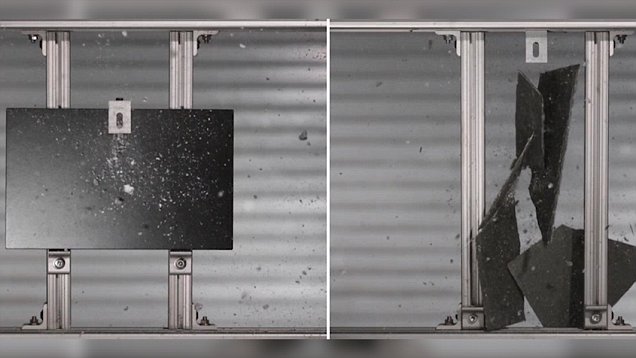
Tesla has expressed enormous confidence in the longevity of their solar tiles. The company has publicly demonstrated the tiles’ resilience by subjecting them to impacts from large hailstones, heavy objects, and simulated extreme weather. In these tests, the tempered glass tiles outperformed traditional roofing materials by a wide margin.
However, real-world longevity is another matter entirely. The Tesla Solar Roof is still relatively new compared to conventional solar panels, which have track records spanning 25 to 30 years. The first commercially installed Solar Roofs are only a few years old, so long-duration performance data is still being collected.
Warranty Coverage
Tesla backs the Solar Roof with a 25-year tile and power warranty, covering both weatherization and energy production. Standard solar panels are generally warrantied by their manufacturers for 25 years as well, and panels tend to last even longer — often 30 years or more. The expectation is that Tesla’s tiles will follow a similar trajectory, but only time will tell for certain.
The biggest open question is what happens when issues arise long after installation. Will Tesla’s service infrastructure keep pace with the growing number of installations? Early adopters have reported mixed experiences with customer service responsiveness, so it’s worth factoring in the maturity of Tesla’s support network when making your decision.
Who Should Invest in a Solar Roof?
The Tesla Solar Roof makes the most sense for a specific type of homeowner. If your existing roof is nearing the end of its life and you were already planning a replacement, bundling that project with solar generation is a financially sound approach. You’re essentially paying once for two upgrades.
It’s also an excellent fit for homeowners who prioritize curb appeal. The seamless, low-profile look of the Solar Roof is dramatically more attractive than conventional panels, and in neighborhoods with strict HOA guidelines or historic preservation requirements, the tiles may be the only solar option that passes muster.
On the other hand, if your roof is relatively new and in good condition, tearing it off to install solar tiles is hard to justify financially. In that scenario, a traditional panel system will deliver a faster return on investment with less disruption and lower upfront costs.
✓ Great Fit If You…
Need a roof replacement soon, value a clean aesthetic, want a long-term integrated energy solution, or live in an area with strong solar incentives and high electricity rates.
✗ Consider Alternatives If…
Your current roof is relatively new, you have a flat or low-slope roof, you need maximum efficiency per square foot, or budget is your primary concern.

Final Verdict
There’s no denying that the Tesla Solar Roof represents a bold leap forward in residential solar technology. It merges the function of a weather-tight roof with clean energy generation in a package that looks genuinely elegant. For the right homeowner — someone who needs a new roof, cares about aesthetics, and is willing to invest in a premium product — it can be a transformative upgrade.
But it’s not the right choice for everyone. The higher upfront cost, slightly lower tile-level efficiency, and the still-maturing service infrastructure mean that a traditional solar panel system will remain the better option for many households. The most important thing is to evaluate your unique situation — your roof’s condition, your budget, your aesthetic preferences, and your long-term energy goals — before committing.
Whichever path you choose, going solar is one of the smartest investments a homeowner can make. And whether it’s through an integrated roof system or a conventional panel array, the sun is ready to start working for you.
Featured Product
Enhance Your Solar Setup
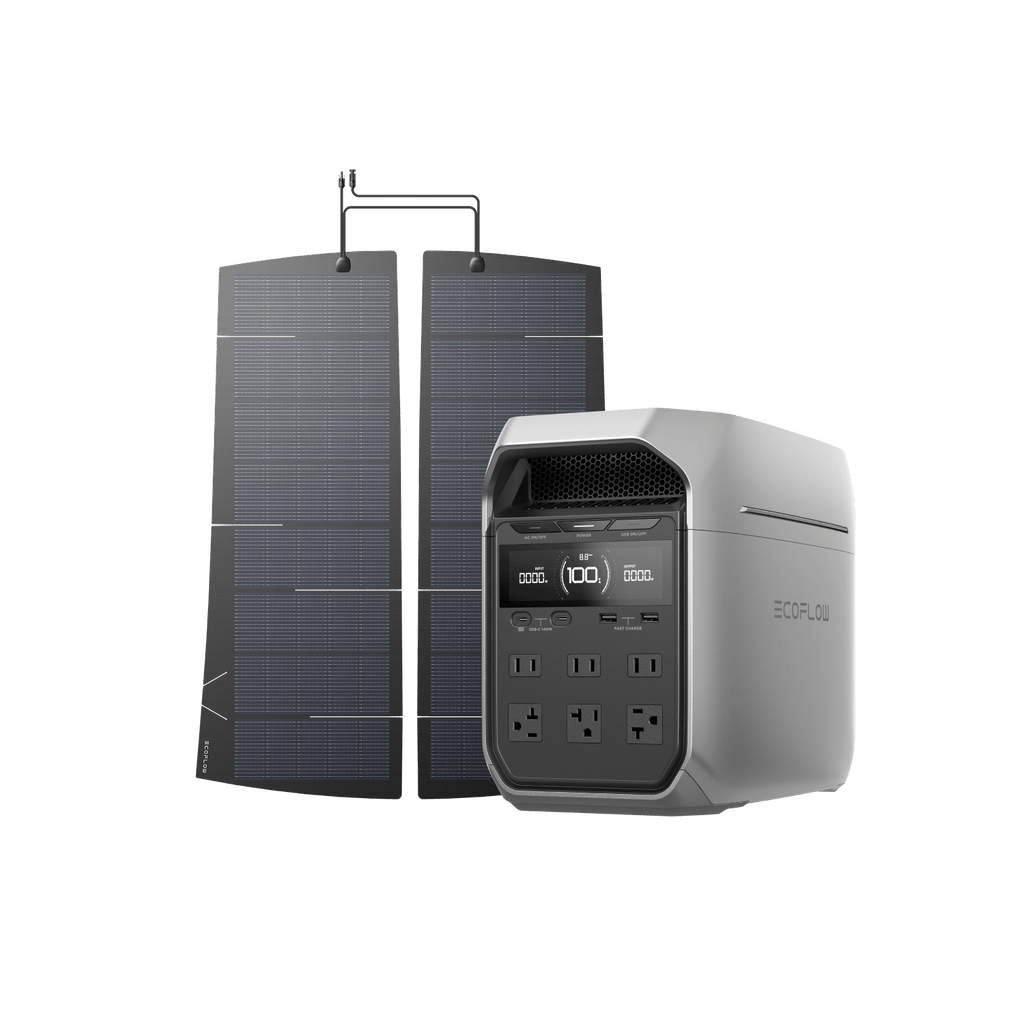
Protect and optimize your solar investment with EcoFlow’s advanced HeatGuard Solar Film — designed to improve panel longevity and thermal efficiency.