
Table of Contents
1. Factors That Shape Real-World Solar Output
2. Why Solar Panel Output Matters
3. Standard Test Conditions for Solar Panels
4. Solar Panel Efficiency Explained
5. Orientation and Location
6. Degradation Rate Over Time
7. Solar Panel Output Calculations
8. Final Thoughts
Figuring out how much electricity your solar panels will actually generate is not quite as straightforward as reading the number on the label. While a panel might be rated at 100W, 400W, or even 600W, there are a host of real-world variables — from weather conditions to panel angle — that influence exactly how much usable energy you get. So how do you arrive at a practical, trustworthy estimate?
The truth is, two identical panels installed on different rooftops in different cities can deliver wildly different results. Factors like shade, roof orientation, local climate, and even the age of the panels play a role. Gaining a solid understanding of these elements will help you plan a system that truly meets your energy needs — without overspending or coming up short.
In this guide, we break down every factor that affects solar panel output, walk you through the math behind real-world calculations, and explain what efficiency ratings actually mean for your electricity bill.
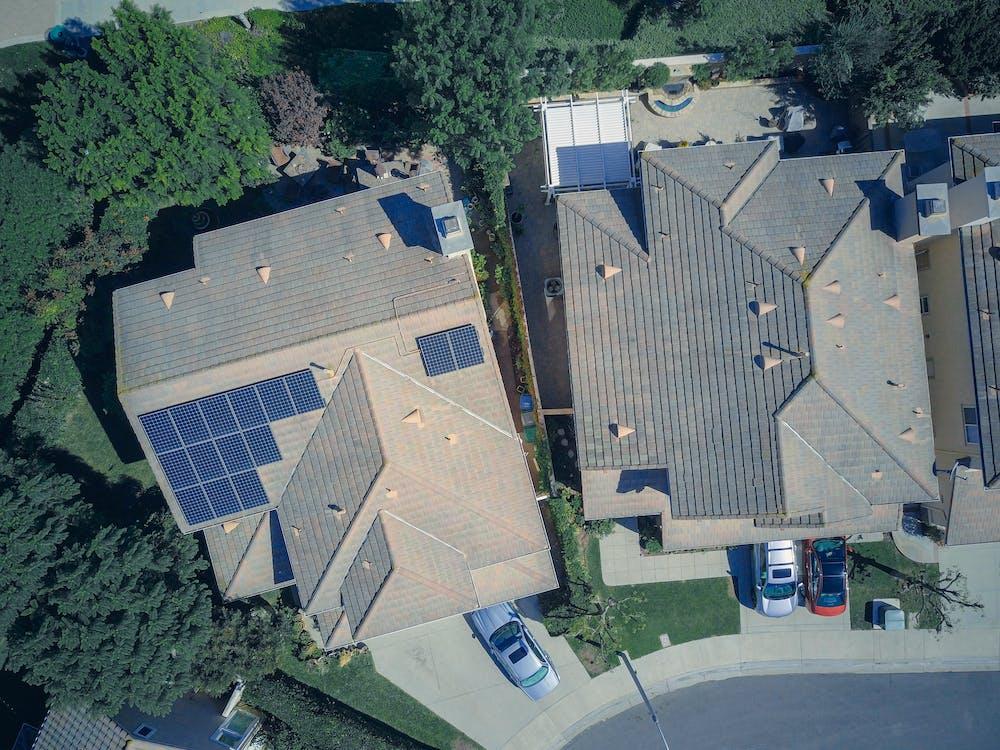
Factors That Shape Real-World Solar Output
The advantages of going solar are well documented, but building and maintaining your own solar power system takes careful planning. You need to make sure the setup matches your household energy consumption — and that starts with understanding what affects output.
One of the biggest misconceptions people have when planning a solar installation is confusing a panel's rated power with its actual everyday production. The difference between a solar panel's peak wattage rating and its real-world energy output is one of the most critical things to grasp before you invest.
Every solar panel ships with a rated power wattage. Typically, this falls between 100W and 400W per panel. This rated power indicates the maximum amount of electricity the panel can generate under perfect laboratory conditions. However, those conditions almost never occur in the real world — the sun is rarely at the perfect angle, clouds drift across the sky, and temperatures fluctuate throughout the day.
In reality, conditions are seldom perfect, and numerous external factors influence how much electricity a panel actually produces at any given moment. Whether your panels generate energy for four hours or nine hours a day depends on where you live and the time of year.
Example
Take the EcoFlow 400W Rigid Solar Panel as a reference. It carries a rated power output of 400W. However, you should not expect to harvest a full 400 watts of electricity consistently every hour. On average, you will likely capture around 70% of the rated output in actual real-world conditions, depending heavily on your location, time of year, and panel positioning.
Keep in mind that the figures above represent a general average. Some months will deliver more power, while others — particularly cloudy winter months — might produce quite a bit less. Knowing this helps you set realistic expectations for your solar investment.
Below, we explore the core factors that directly impact the total energy output of your solar panel array.
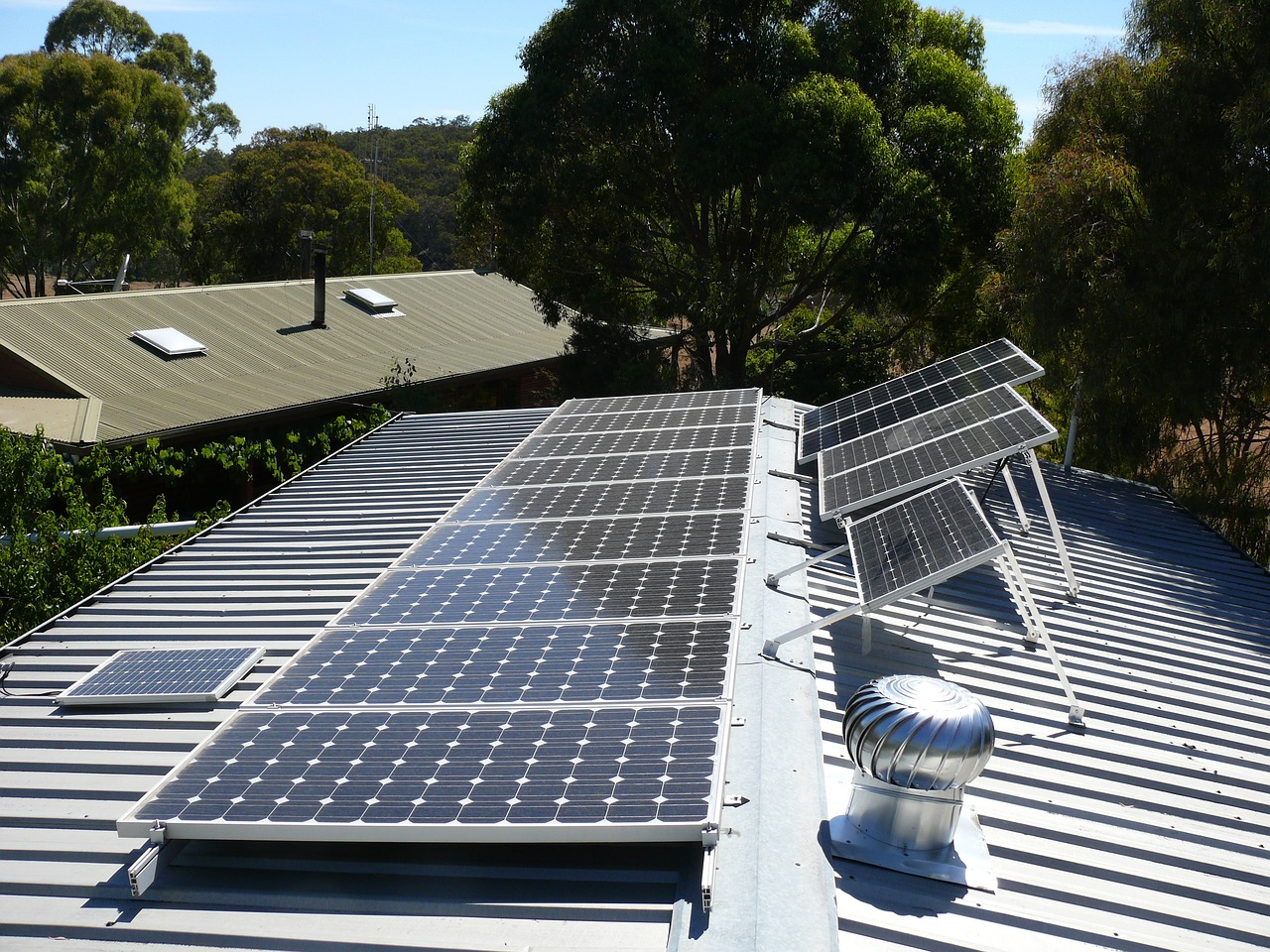
Why Solar Panel Output Matters
Grasping the output potential of your solar panels is absolutely essential for planning a reliable energy production system. It may sound like an exercise reserved for engineers, but in practice, it allows you to budget for the correct number of panels and ensure your system delivers enough power to cover your daily consumption.
Whether you are trying to determine if a portable solar panel will keep your camping gear charged or whether a full rooftop array can handle your entire household, accurate output calculations are what separates a successful installation from a frustrating one.
Keep in mind that solar panels do not function in isolation. You will also need a compatible power station or an inverter to convert and store the solar energy your panels produce, turning it into standard AC electricity your appliances can use.
Estimating your panel output also tells you roughly how long it will take to charge your portable power station or solar battery, helping you plan usage schedules and avoid unexpected power shortages.
While you can get a reasonable ballpark from a panel's specifications, understanding the variables that impact real-world performance allows you to arrive at a far more accurate and useful estimate of the average daily electricity each panel will produce.
What Are the Standard Test Conditions for Solar Panels?
As mentioned earlier, the wattage value printed on a solar panel is determined in a laboratory environment using what the industry calls Standard Test Conditions (STC). These conditions represent the maximum theoretical electricity output a panel can produce under a fixed, controlled set of circumstances.
Here are the exact criteria that define Standard Test Conditions:
25°C
Operating Temperature
(77°F)
1000
W/m² Irradiance
(Full Noon Sunlight)
AM 1.5
Air Mass Spectrum
(48.2° Solar Angle)
As you might expect, these precise laboratory conditions almost never exist simultaneously in the real world. Temperature swings, changing sun angles throughout the day, cloud cover, and atmospheric haze all contribute to reducing actual output below the STC rating.
Understanding these test conditions is crucial to managing your solar panel array in a way that realistically meets your electricity consumption goals.
Solar Panel Efficiency Explained
Solar panel efficiency measures the percentage of sunlight energy that a photovoltaic panel successfully converts into usable electrical power. In simple terms, the lab specification tells you how well a panel performs under ideal conditions — but what you experience in practice will always differ to some extent.
Several variables influence the real-world efficiency of your panels. These include ambient temperature, the age of the panel, exposure to shade, and even the cleanliness of the panel surface. A brand-new panel's efficiency rating should not be taken as a permanent guarantee — performance naturally declines gradually over time.
That said, a higher stated efficiency percentage means the panel will generate more electricity per square meter of surface area in favorable conditions, which is especially important when roof space is limited.
Understanding the practical meaning of "efficiency" when applied to a solar panel enables you to make smarter purchasing decisions and set realistic output expectations.
Efficiency Ranges at a Glance
23%+
Premium Monocrystalline — Top-tier panels like the EcoFlow series deliver outstanding conversion rates
18–22%
Standard Monocrystalline — The most common panels on the market offer a solid balance of cost and output
15–17%
Thin-Film Panels — A more affordable option, though with lower energy conversion per square meter
The lower the efficiency rating, the more panels you will need to generate the same total energy output. Conversely, higher-efficiency panels — while more expensive per unit — allow you to produce more power from a smaller footprint, which is a significant advantage for homeowners with limited installation space.
Orientation and Location
Where your solar panels are physically installed and which direction they face are two of the most significant factors in determining energy production. Your geographic location directly governs how many peak sunlight hours you receive throughout the year, and this number can vary enormously from one region to the next.
The ideal strategy for extracting maximum output is to position your panels so that they capture the greatest possible amount of direct sunlight. Generally, this means angling them to face true south in the Northern Hemisphere (or true north in the Southern Hemisphere), tilted at an angle roughly equal to your latitude. Some homeowners invest in solar trackers or adjustable mounts to fine-tune the angle seasonally, squeezing out extra production over the course of the year.
The goal is to position your panels to receive maximum sunlight exposure. Of course, this ideal setup depends on the direction your roof faces. You may not always be able to achieve the perfect angle, but even minor adjustments to tilt and orientation can noticeably improve energy harvest.
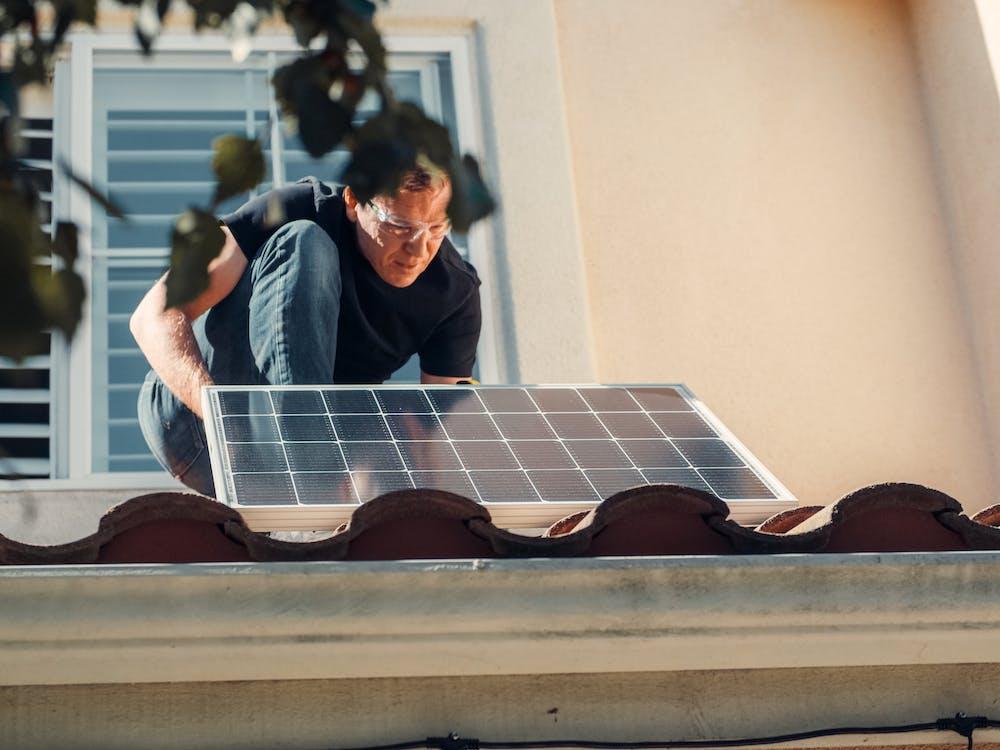
Degradation Rate Over Time
Like virtually every piece of technology, solar panels experience a gradual decline in performance as they age. This natural process is known as degradation, and it is something every solar panel owner should factor into their long-term energy planning.
In most cases, you will notice that your solar panels lose roughly 0.5% to 1% of their original output capacity with each passing year. While that may sound minimal on a year-to-year basis, over a 25-year lifespan, the cumulative reduction can be significant. After a decade, for instance, a panel may only produce around 90% of the energy it delivered when it was brand new.
Half a percent per year might seem trivial at first, but over the full lifespan of a solar panel — typically rated at 25 to 30 years — the degradation adds up. This is worth factoring in when sizing your system, as slightly oversizing today can help compensate for reduced output in the future.
You can slow the pace of degradation by keeping your panels clean, ensuring adequate ventilation behind the panel surface, and scheduling periodic maintenance checks. Routine care helps ensure you extract the maximum possible value from your investment over the full duration of its service life.
Solar Panel Output Calculations
Now it is time to combine everything you have learned and estimate how much electricity your solar panel setup will actually generate. The calculation itself is fairly straightforward once you understand the inputs involved.
The basic formula for estimating your solar panel output is:
Output Formula
Output = STC Rating (W) × Peak Sun Hours × 0.75
measured in Watt-hours (Wh) per day
To calculate your solar panel output, take the panel's power rating and multiply it by the peak hours of sunlight available in your region, then multiply by 0.75. The 0.75 multiplier accounts for all of the real-world efficiency losses discussed above — things like temperature effects, panel degradation, shading, dust, and inverter conversion losses.
Here is a practical worked example:
Worked Example — EcoFlow 400W Rigid Panel
Rated Power
400W
Peak Sun Hours
5 hrs
Efficiency Factor
0.75
Daily Output Estimate
400 × 5 × 0.75 = 1,500 Wh (1.5 kWh/day)
So, under these assumptions, you can estimate that a 400W panel will deliver approximately 1,500 watt-hours (or 1.5 kWh) of usable electricity per day. If you have a location that averages more or fewer peak sun hours, simply adjust the middle variable in the equation accordingly.
This formula provides a practical, conservative estimate that accounts for the various real-world losses. It is always better to plan around a slightly conservative number than to overestimate and end up short on energy.
Featured Product
Power Your Off-Grid Adventures
High-efficiency rigid solar panels built for durability, maximum output, and easy installation.
EcoFlow 400W Rigid Solar PanelFinal Thoughts
At this point, you have all the key information you need to estimate the average amount of electricity your solar panels should produce each day. From here, you can determine how many panels your system requires to meet your desired electricity consumption.
Whether you plan to build a full rooftop installation or simply want to keep a few portable panels on hand for outdoor adventures, understanding how output is calculated gives you the confidence to make informed purchasing decisions.
Remember to factor in efficiency ratings, geographic location, panel orientation, and long-term degradation when sizing your system. A little extra planning upfront can save you from costly mistakes down the road.
EcoFlow offers a wide range of award-winning, plug-and-play solar power solutions for every need — from compact portable panels to high-output rigid arrays designed for permanent installations. Explore the full collection at Backyard Provider to find the perfect match for your energy goals.