
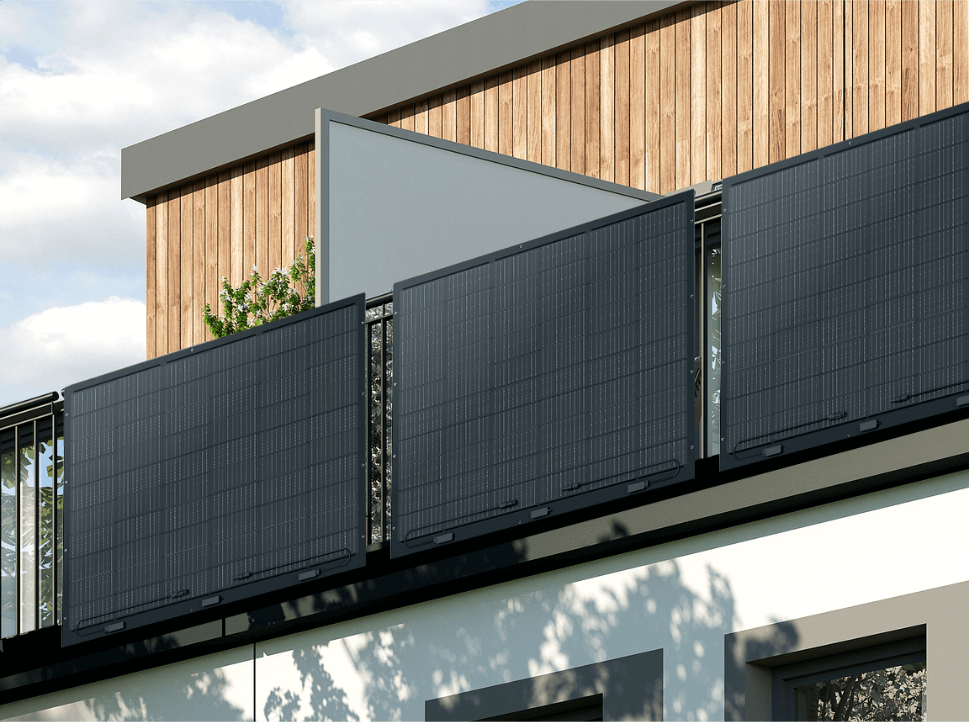
As the demand for clean, renewable energy continues to surge, solar panels have become one of the most accessible ways for homeowners and outdoor enthusiasts to harness the power of the sun. Whether you are planning a rooftop installation, outfitting your recreational vehicle, or building a portable off-grid system, the type of solar panel you choose matters significantly.
Whether you live in a spacious suburban home, a city apartment with limited roof access, or spend your weekends adventuring in the great outdoors, there is a solar panel solution designed for your lifestyle. From heavy-duty rooftop arrays to lightweight portable setups, the solar industry now offers more choices than ever before.
This guide breaks down the two primary categories of photovoltaic panels — rigid and flexible — and examines their construction, efficiency, advantages, disadvantages, and real-world applications so you can make an informed purchasing decision.
Table of Contents
1. What Are Photovoltaic (PV) Modules?
2. Advantages and Disadvantages of Rigid PV Modules
3. Advantages and Disadvantages of Flexible PV Modules
4. Introducing High-Performance Rigid Solar Panels
5. Final Thoughts
What Are Photovoltaic (PV) Modules?
Photovoltaic modules, commonly referred to as solar panels, are engineered devices that convert sunlight directly into electrical energy. They are the foundational building blocks of any solar power system, from small portable chargers to sprawling commercial rooftop installations. At their core, PV modules contain an array of interconnected solar cells that generate a direct current (DC) when exposed to sunlight.
These panels come in two broad categories — rigid and flexible — each with distinct characteristics that make them suited to different environments and applications. Understanding the differences between these two types is essential before making any investment in solar technology.
What Are Rigid Solar Panels?
Rigid solar panels are the traditional, time-tested workhorses of the solar industry. Constructed with monocrystalline or polycrystalline silicon cells encased within a sturdy aluminum frame and protected by tempered glass, these panels are engineered for maximum durability and long-term energy output. Their solid construction allows them to be mounted on rooftops, ground-mounted racking systems, and other permanent fixtures where structural support is readily available.
What Are Flexible Solar Panels?
Flexible solar panels represent a newer generation of photovoltaic technology. Made with thin-film solar cells laminated onto lightweight, bendable substrates, these panels can conform to curved and uneven surfaces. Weighing substantially less than their rigid counterparts, flexible panels are ideal for applications where weight and adaptability are critical — such as on boats, RV roofs, curved architectural surfaces, and portable camping setups.
Advantages and Disadvantages of Rigid PV Modules

Advantages of Rigid PV Modules
Higher Energy Conversion Efficiency
Rigid PV modules built with monocrystalline silicon cells consistently deliver the highest efficiency ratings available in consumer solar technology. With conversion rates typically ranging from 20% to 23%, these panels generate significantly more electricity per square foot than flexible alternatives. This makes them the top choice for installations where maximizing power output from a limited surface area is critical.
Exceptional Durability and Longevity
Engineered with reinforced aluminum frames and impact-resistant tempered glass, rigid panels are built to endure harsh environmental conditions. They routinely withstand heavy snow loads, hailstorms, high winds, and extreme temperature swings. Most manufacturers offer performance warranties of 25 years or more, making rigid panels an excellent long-term investment for homeowners and businesses alike.
Proven Weather Resistance
Rigid panels are designed to meet stringent international testing standards that simulate decades of real-world weather exposure. They perform reliably in coastal regions with salt spray, arid desert climates with intense UV exposure, and northern latitudes with freezing conditions. This proven weather resistance gives property owners peace of mind regardless of their geographic location.
Versatile Mounting and Applications
Thanks to standardized mounting systems, rigid solar panels can be installed on virtually any sturdy structure — residential rooftops, commercial buildings, ground-mounted arrays, carports, pergolas, and more. Their compatibility with widely available racking hardware makes installation straightforward and cost-effective for both professional installers and experienced DIY enthusiasts.
Simple, Reliable Installation
Rigid solar panels are designed to work seamlessly with universal mounting systems and racking equipment. Standard bolt-on brackets, rail systems, and tilt mounts make the installation process predictable and repeatable, whether you are working with a professional crew or tackling a weekend project on your own. The abundance of compatible hardware keeps installation costs manageable.
Disadvantages of Rigid PV Modules
Considerable Weight and Bulk
A standard rigid solar panel rated between 300W and 400W can weigh anywhere from 40 to 55 pounds, which creates significant structural demands. This weight requires reinforced mounting infrastructure and may not be suitable for older roofs, lightweight structures, or mobile installations. The sheer bulk also makes transportation and handling more labor-intensive during installation.
Limited to Flat or Angled Surfaces
Due to their rigid construction, these panels cannot bend or conform to curved surfaces. This limits their use to flat rooftops, angled mounting racks, and ground-based arrays. Buildings with unconventional roof shapes, curved RV roofs, or boat decks typically cannot accommodate rigid panels without specialized (and often expensive) custom mounting solutions.
Vulnerability to Micro-Fractures Over Time
Although rigid panels are built tough, the crystalline silicon cells inside are sensitive to physical stress, temperature fluctuations, and environmental factors. Over the years, small micro-cracks can develop within the cells, gradually reducing energy output and overall panel performance. While this degradation is slow, it is an inherent limitation of crystalline solar technology.
Advantages and Disadvantages of Flexible PV Modules
Advantages of Flexible PV Modules
Ultra-Lightweight and Portable
One of the standout benefits of flexible solar panels is their remarkably low weight. Typically coming in at just a fraction of what rigid panels weigh, flexible modules are easy to transport, carry, and install without heavy equipment or reinforced structures. This makes them a natural fit for RVs, boats, backpacking trips, and emergency preparedness kits.
Easy Installation on Various Surfaces
Unlike rigid panels that require dedicated racking systems, flexible solar panels can be mounted using industrial adhesive, hook-and-loop tape, or simple fasteners. They can conform to curved rooflines, boat decks, vehicle tops, and other non-flat surfaces, significantly broadening the range of locations where solar power can be deployed.
Adaptability to Curved and Irregular Surfaces
Flexible panels can bend to follow curved contours, making them suitable for installations that would be impossible with rigid modules. Whether it is the rounded roof of a camper van, the deck of a sailboat, or an architecturally unique building facade, flexible panels adapt to the shape of whatever surface they are mounted on.
Seamless Aesthetic Integration
Flexible panels sit flush against surfaces and have a low visual profile, making them an appealing choice for design-conscious property owners and vehicle outfitters. Without the bulky frames and protruding mounts of rigid systems, flexible panels blend into rooftops and vehicle exteriors for a clean, streamlined look.
Excellent for Portable and Temporary Setups
For outdoor enthusiasts, emergency responders, and anyone needing temporary power, flexible solar panels deliver unmatched convenience. They can be quickly deployed, rolled up, and packed away, making them ideal for camping trips, tailgating events, job site power, and disaster relief situations where permanent installation is not practical.

Disadvantages of Flexible PV Modules
Lower Energy Conversion Efficiency
Flexible panels generally achieve conversion efficiency rates between 10% and 15%, which is noticeably lower than their rigid counterparts. This means you will need a larger surface area of flexible panels to generate the same amount of electricity, which can be a significant drawback in space-constrained installations.
Shorter Lifespan and Faster Degradation
Flexible panels lack the robust protective layers found in rigid modules. Without tempered glass shielding, they are more susceptible to UV degradation, moisture intrusion, and physical wear. Most flexible panels carry warranties in the range of 5 to 10 years, and their power output tends to decline more rapidly over time compared to rigid options.
Greater Sensitivity to Heat Buildup
Because flexible panels mount directly against surfaces with minimal airflow underneath, they are prone to heat accumulation. Elevated operating temperatures reduce the efficiency of solar cells and can accelerate material degradation. In hot climates or during peak summer months, this heat sensitivity can significantly impact energy production.
More Frequent Replacement and Maintenance Costs
Given their shorter lifespan and faster degradation rate, flexible panels may need to be replaced more frequently than rigid panels. Over a 20 to 25 year period, the cumulative cost of replacing flexible panels multiple times can exceed the one-time investment in a quality rigid panel system, making the long-term economics less favorable.
Quick Comparison at a Glance
Introducing High-Performance Rigid Solar Panels
If you have concluded that rigid solar panels are the right fit for your energy goals, investing in a high-quality, high-efficiency model is the best way to maximize your return. Premium rigid panels with monocrystalline cell technology offer industry-leading conversion efficiency, ensuring you extract the most electricity from every hour of sunlight.
Today's top-tier rigid solar panels combine cutting-edge cell technology with robust, weather-resistant construction to deliver reliable performance for decades. With features like reinforced aluminum frames, anti-reflective tempered glass coatings, and pre-drilled mounting holes, the latest rigid panels make it easier than ever to build a powerful, long-lasting solar array for your home, workshop, or outdoor space.

Designed for homeowners, off-grid enthusiasts, and backyard builders who demand the best, a premium 400W rigid solar panel delivers exceptional output in a durable, weather-proof package. With included mounting hardware for hassle-free installation, it is ready to integrate into your existing solar system or serve as the foundation of a brand-new setup.
Final Thoughts
Choosing between rigid and flexible solar panels ultimately comes down to your specific needs, installation environment, and long-term energy goals. Rigid panels remain the gold standard for permanent residential and commercial installations where maximum efficiency, durability, and decades-long performance matter most. Flexible panels, on the other hand, shine in mobile, portable, and space-constrained applications where weight savings and surface adaptability are top priorities.
For many homeowners and backyard builders, a rigid solar panel system offers the best overall value — delivering more power per panel, lasting significantly longer, and requiring less maintenance over the system's lifetime. However, if your setup involves curved surfaces, frequent relocation, or weight-sensitive structures, flexible panels may be the smarter fit.
Regardless of which path you choose, investing in solar energy is a step in the right direction. By understanding the strengths and limitations of both rigid and flexible panel technologies, you can build a solar power system that aligns perfectly with your lifestyle, budget, and vision for a more sustainable future.
© Backyard Provider — Powering Your Outdoor Lifestyle