

Life on the road is all about freedom, excitement, and discovering new places — but it also comes with challenges. Whether you're camping deep in the woods, spending time at a remote lakeside, traversing the desert, or exploring off-grid trails, having a dependable power source is essential. That's where RV solar panels and flexible solar panels come into play. These remarkable solutions help you generate your own electricity, reduce reliance on noisy generators, and keep your batteries fully topped off wherever the road leads.
In this article, we'll break down what RV solar panels are, look at the benefits of flexible solar panels, walk you through the key components of any RV solar setup, and help you determine the best fit for your travel lifestyle.
What Are RV Solar Panels?
)
RV solar panels are photovoltaic modules designed specifically for recreational vehicles. They capture sunlight and convert it into usable electricity, which is stored in the RV's battery system. This stored power can then be used to run appliances, charge devices, power lights, and more — all without needing to plug into a campground hookup or run a noisy generator.
There are three main types of RV solar panels:
Rigid (Fixed) Solar Panels
These are the traditional glass-and-aluminum panels you'll often see on homes or buildings. They're mounted in a sturdy aluminum frame with tempered glass covering, making them highly durable, weather-resistant, and capable of delivering excellent energy output over a long service life.
Flexible Solar Panels
Lightweight and bendable, these panels are made from thin-film solar cells. They're designed to conform to curved surfaces, making them ideal for RVs with arched or uneven rooftops.
Portable Solar Panels
Compact, foldable units that can be set up anywhere and repositioned to follow the sun throughout the day. Great for campers who want flexibility without permanent installation.
Why Choose Solar Power for Your RV?
Going solar in your RV offers numerous benefits that make the investment well worth it:
🔌 Off-Grid Freedom
No need to be dependent on electrical hookups or campsite amenities. Solar gives you the freedom to camp anywhere, anytime.
🔇 Silent Operation
Unlike generators, solar panels work in complete silence. Enjoy the sounds of nature, not the hum of a motor.
🌿 Eco-Friendly
Solar is a clean, renewable energy source that helps you reduce your carbon footprint and travel sustainably.
💰 Cost Savings
After your initial solar setup, your energy is essentially free for years to come. No fuel costs, no campsite electricity fees.
🔧 Low Maintenance
Once installed, solar systems require very little attention. Occasional cleaning is about all that's needed to keep them performing well.
Key Advantages of Flexible Solar Panels for RVs
Flexible solar panels are a relatively newer technology, but they've quickly become a favorite among RV enthusiasts. Here's why:
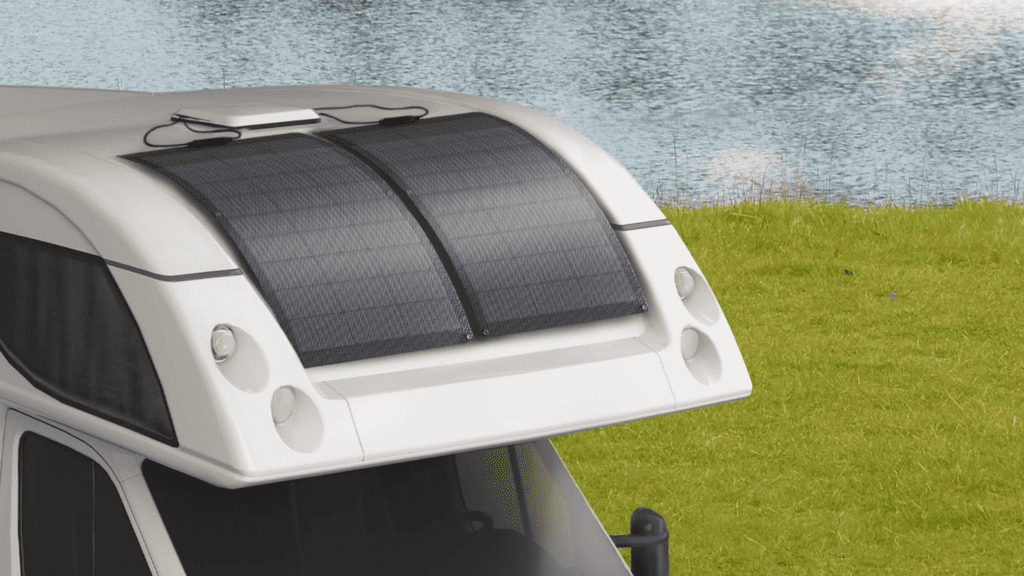
Easy Installation
Flexible solar panels can be installed without drilling holes. Many use adhesive or Velcro backing, and no specialized hardware is needed for bolt-on installations or screws that could lead to roof leaks. It's a genuinely hassle-free setup.
Lightweight Design
Flexible panels weigh significantly less than rigid panels, reducing strain on your RV's roof and helping improve fuel efficiency on long road trips.
Curved Surface Compatibility
Unlike rigid panels, flexible solar panels can bend to fit mounted on curved or uneven surfaces. This makes them ideal for motorhomes, campervans, or any RV with a non-flat roofline.
A Smooth and Sleek Aesthetic
Their low-profile design means they sit two inches or less above the surface and blend in seamlessly, keeping your RV looking clean and modern.
Rigid vs. Flexible Solar Panels: What's the Difference?
When choosing solar panels for your RV, one of the most important decisions you'll face is whether to go with rigid or flexible panels. Both types have their own strengths and weaknesses, and the right choice depends on your RV's roof type, travel style, and energy needs. Here's a detailed comparison to help you decide:
| Feature | Rigid Panels | Flexible Panels |
|---|---|---|
| Construction & Durability | Built with a solid aluminum frame and tempered glass covering. Highly durable and weather-resistant, built to last 20 years or more. | Made with thin monocrystalline silicon cells. Lightweight and bendable but less resilient. Lifespan of around 10–15 years. |
| Weight & Portability | Heavier — usually 30 to 50 lbs per panel. They require sturdy mounting brackets and add notable weight to the roof. | Extremely light — usually less than 10 lbs per panel. They're easy to handle, transport, and install with lightweight adhesive strips. |
| Installation | Requires drilling, brackets, mounting hardware, and careful roof sealing. Installation can be a fairly involved, long-lasting project. | Easy to install with adhesive backing, Velcro, or clamps — no drilling needed. Perfect for renters or those seeking a simpler setup. |
| Efficiency | Usually have higher efficiency due to better airflow underneath the panels, which keeps them cooler and performing optimally. | Slightly lower efficiency, especially in hot conditions where heat build-up can reduce performance because the panels lay flat against the roof. |
| Aesthetics & Fit | Sit raised on mounts, which makes them more visible. Well-suited to flat surfaces and larger rooftops. | Hug the contour of the roof for a sleek, low-profile look that blends in with your vehicle's design. Ideal for curved or arched rooftops. |
| Cost | Generally more affordable per watt, making them a budget-friendly option. A larger long-term investment but excellent value over time. | Can be more expensive per watt, but their easy installation and specialty design often justifies the premium for convenience and fit. |
How Many Solar Panels Do You Need for an RV?

The number of solar panels you need for your RV depends on several factors, including your daily energy consumption, your RV's battery storage capacity, and the available space on your roof.
Most RV owners need between 200W and 800W of solar capacity, depending on their usage. Casual weekend campers with basic lighting and phone charging might get by with a 200W setup, while full-time travelers running air conditioners, refrigerators, or a laptop — and maybe a coffee machine — could need 600W to 800W or more.
💡 Pro Tip
Battery capacity also plays a crucial role. Your solar panels recharge the battery, so it's important that the number of solar hours each day (roughly 4–6 peak hours) is sufficient to replenish what you use. A good rule of thumb: calculate your daily watt-hour consumption, then size your panels at roughly 1.5 times that value to account for cloudy days and less-than-ideal solar conditions.
Key Components of an RV Solar System
To create your RV's solar energy setup, you'll need more than just panels. Here's a breakdown of the essential components:
Solar Panels
Capture sunlight and convert it into electricity.
Charge Controller
Regulates the voltage and current to safely charge your battery without overcharging.
Battery Bank
Stores the harvested energy so you can use it day or night, rain or shine.
Inverter
Converts DC power from the battery into AC power for your standard household appliances.
Wiring & Connectors
Links all your system components together safely and efficiently.
Are Flexible Solar Panels Durable Enough?
This is a common question among RV owners. While flexible panels are lightweight and convenient, they do come with trade-offs in longevity. Most flexible solar panels have a lifespan of around 10 to 15 years, while their rigid counterparts can last 20 years or more. However, advances in flexible panel technology are steadily improving their durability and performance. With proper installation, care, and maintenance, today's flexible panels can hold up well over many years of use on the road.
Final Thoughts: Is Solar Right for Your RV?
If you crave independence, value sustainability, and want to power your RV lifestyle without relying on external hookups or loud generators, RV solar panels are one of the smartest investments you can make. Whether you go with rigid panels for their robust construction and proven longevity, or flexible panels for their lightweight convenience and low-profile aesthetics, solar technology gives you the tools to explore freely and sustainably.
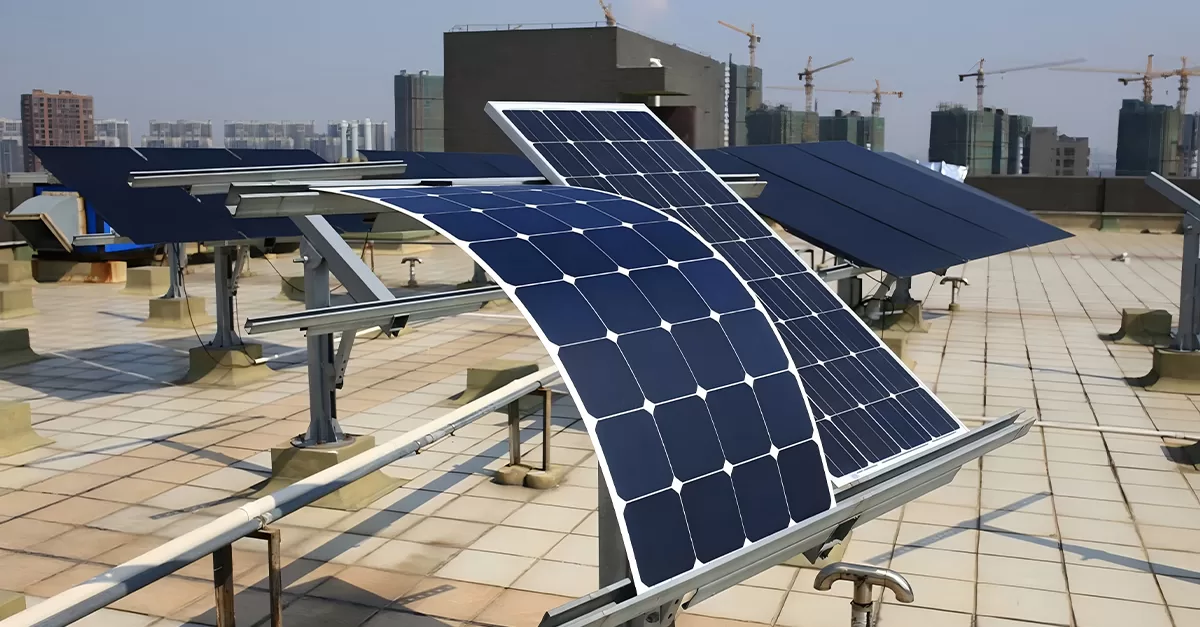
Take the time to evaluate your energy needs, review your roof's layout, and choose the panel type that best matches your travel habits. With the right solar setup, you'll be ready to hit the road with confidence — powered by the sun, wherever you go.
Ready to power your adventures with solar? Browse our selection of high-performance solar panels.
EcoFlow 400W Rigid Solar Panel