
Solar energy continues to revolutionize how homeowners power their lives, and at the heart of this transformation lies an often-misunderstood component: the microinverter. If you've been researching solar systems, you've likely encountered conflicting information about these devices. Today, we're cutting through the noise to give you the truth about microinverters and why they might be the perfect solution for your energy needs.
What Exactly Is a Microinverter?
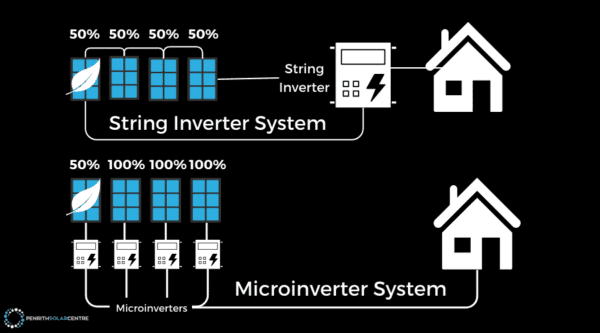
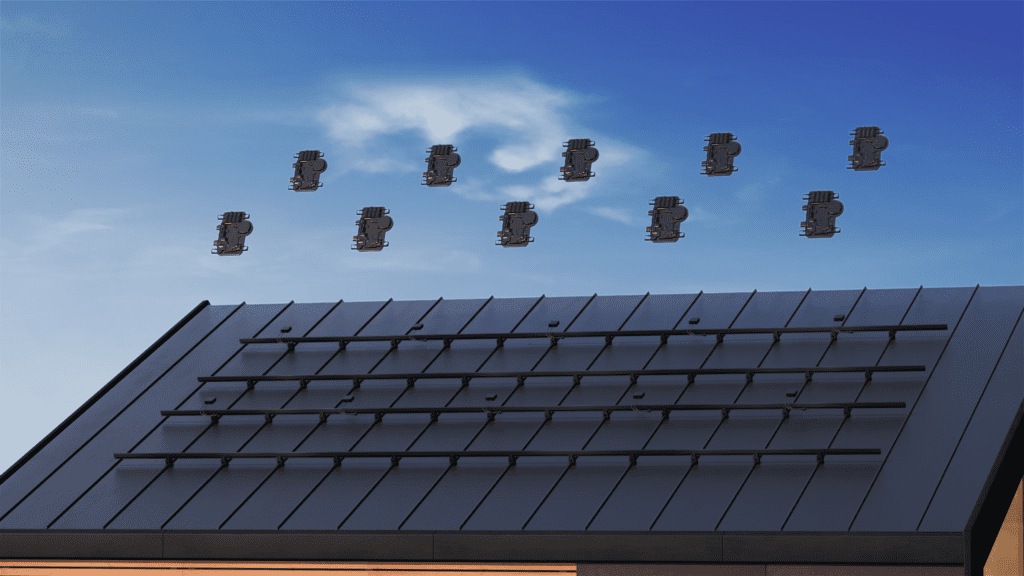
A microinverter is a compact power conversion device that attaches directly to individual solar panels. Unlike traditional string inverters that handle the output of multiple panels simultaneously, microinverters work on a panel-by-panel basis, converting DC electricity to AC power right at the source.
This individualized approach offers several distinct advantages, including optimized performance monitoring, enhanced safety features, and improved energy harvest even when conditions aren't ideal.
Microinverters Are Only Necessary for Shaded Installations
One of the most persistent misconceptions is that microinverters only benefit homes with significant shading issues. While it's true that microinverters excel in partially shaded conditions, their advantages extend far beyond this single scenario.
Microinverters provide panel-level optimization regardless of shading. This means each panel operates at its maximum potential independently. If one panel underperforms due to debris, bird droppings, or even manufacturing variations, it doesn't drag down the entire system's output like it would with a string inverter.
Additionally, microinverters offer superior monitoring capabilities, allowing you to identify and address issues with individual panels quickly—something that's valuable for any solar installation, shaded or not.
Microinverters Suffer Significant Efficiency Loss in Hot Weather
Some critics claim that because microinverters are mounted beneath solar panels—where temperatures can climb—they experience dramatic efficiency drops during hot weather. This concern, while seemingly logical, doesn't hold up under scrutiny.
Modern microinverters are engineered with advanced thermal management systems designed to handle extreme conditions. Quality manufacturers conduct rigorous testing to ensure their products perform reliably across a wide temperature range.
Furthermore, the distributed nature of microinverter systems actually helps mitigate heat-related issues. When each panel has its own inverter, there's no single point where heat buildup can catastrophically impact system performance.
How Do Microinverters Maximize Solar Energy?
By converting power at each individual panel, microinverters eliminate the "weakest link" problem inherent in string systems. Every panel contributes its full potential to your home's energy supply, resulting in higher overall system efficiency and better return on your investment.
Microinverters Are Prohibitively Expensive
Yes, microinverter systems typically have a higher upfront cost compared to string inverter setups. However, focusing solely on initial price ignores the complete financial picture.
Consider the long-term value: microinverters generally come with longer warranties (often 25 years compared to 10-12 for string inverters), produce more energy over their lifetime due to panel-level optimization, and offer easier scalability if you want to expand your system later.
When you factor in increased energy production, extended equipment life, and reduced maintenance costs, the total cost of ownership often favors microinverter systems—especially for residential installations.

Microinverter Systems Are a Maintenance Nightmare
The logic seems sound at first: more components mean more potential failure points and more maintenance headaches. But real-world experience tells a different story.
When a string inverter fails, your entire solar system goes down until it's repaired or replaced. With microinverters, if one unit experiences issues, only that single panel is affected—the rest of your system continues generating power normally.
Modern microinverters are built with solid-state components and no moving parts, making them incredibly reliable. Combined with comprehensive monitoring that alerts you to any issues immediately, maintenance is typically simpler, not more complex.
Microinverters Are Unproven, Experimental Technology
Some skeptics dismiss microinverters as new, untested technology. This couldn't be further from reality. Microinverters have been commercially available and continuously refined for well over a decade.
Millions of microinverter units are currently operating worldwide, with extensive field data demonstrating their reliability and performance. Leading manufacturers have invested billions in research, development, and quality assurance.
The technology has matured significantly, with current-generation microinverters offering features like rapid shutdown compliance, grid support functions, and seamless battery integration that weren't available even five years ago.
Debunking the Myths: Final Thoughts
Microinverters represent a proven, reliable, and often superior choice for residential solar installations. While they may not be the ideal solution for every situation, the myths surrounding them shouldn't be the reason you dismiss this technology.
When evaluating your solar options, consider the complete picture: long-term value, system reliability, monitoring capabilities, and how well the solution matches your specific roof configuration and energy goals.
Frequently Asked Questions
What is a microinverter in a solar system?
A microinverter is a device that converts the direct current (DC) electricity produced by a single solar panel into alternating current (AC) electricity that powers your home. Each panel gets its own dedicated microinverter, allowing for independent operation and optimization.
Do I really need microinverters if my roof has no shading?
Yes, microinverters offer benefits beyond shade mitigation. They provide panel-level monitoring, longer warranties, enhanced safety features, and protection against single-point failures. Even without shading, microinverters can increase overall system energy production.
How do microinverters handle extreme weather conditions?
Quality microinverters are designed and tested to withstand extreme temperatures, humidity, and weather conditions. They feature sealed enclosures, advanced thermal management, and components rated for outdoor use. Most carry certifications for operation in temperatures ranging from -40°F to over 150°F.
Power Your Home with Clean Energy
Explore our selection of premium solar and energy solutions designed for the modern homeowner.
EcoFlow STREAM Ultra