

with the introduction of the Electric Car Grant (ECG) in July 2025 — offering consumers up to £3,750 toward electric vehicles priced under £37,000 — the transition to electric transportation continues to accelerate. Whether you're a current EV owner or considering making the switch, understanding home charging infrastructure is essential.
Our comprehensive guide walks you through everything you need to know about EV charger installation, from understanding different charger types to navigating costs and regulations.
In This Guide:
Types of EV Chargers
The UK market offers two primary categories of EV charging solutions, each serving distinct purposes and use cases.
Residential EV Chargers
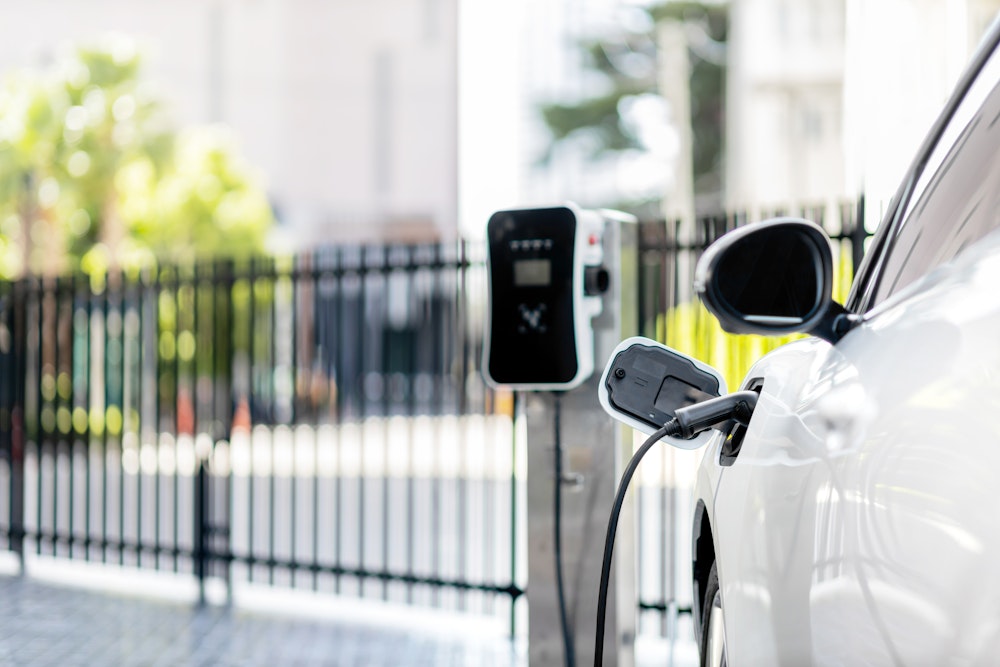
Home charging stations represent the most economical and convenient solution for daily EV charging. These compact, weather-resistant units mount directly to your home's exterior wall or within your garage. Most residential chargers feature either a permanently attached cable or a universal socket for portable charging cables.

Public Charging Infrastructure
With over 80,000 public charging points distributed across the UK, charging on the go has never been more accessible. These stations fall into three distinct categories:
En-Route Charging Stations
Located at motorway service areas and fuel stations, these high-powered units extend your vehicle's range during long journeys.
Destination Charging Points
Found at supermarkets, shopping centres, and public car parks, these chargers replenish your battery while you complete errands.
On-Street Charging Solutions
Designed for residents without private driveways, these curbside units provide accessible charging for flat and terraced house dwellers.
EV Charger Installation Costs
Understanding the financial investment required for home EV charging involves considering two primary factors: the initial hardware cost and ongoing electricity expenses.
📍 Charging Location
Home charging typically proves more economical than public charging stations. While some public chargers offer complimentary power, this varies significantly by provider and location.
⚡ Energy Tariffs
Your home electricity rate directly impacts charging costs. Many energy suppliers offer dedicated EV tariffs with reduced overnight rates, making scheduled charging substantially more affordable.
🔋 Battery Capacity
Similar to traditional fuel tanks, larger vehicle batteries require more electricity to reach full charge, directly influencing your overall energy expenditure.
🚀 Charging Speed
Rapid and ultra-rapid public chargers command premium pricing. For cost-conscious charging, standard home units deliver excellent value despite longer charging times.
Government Grants for EV Chargers
The UK government continues supporting EV adoption through financial incentives that significantly reduce installation costs for qualifying applicants.
Property renters and flat owners with dedicated off-street parking may qualify for grants covering £350 or 75% of installation costs through the Office of Zero Emission Vehicles (OZEV).
Eligibility requires vehicle registration on the OZEV approved list and installation by an OZEV-authorised contractor.
Homeowners without private driveways — including those in terraced housing with street-facing access — can access £350 or 75% toward cross-pavement charging installations.
This grant requires local authority approval and all necessary planning permissions before installation commences.
Additional Support: Grants extend to businesses, landlords, and educational institutions. Visit the government website for complete eligibility requirements and current funding availability.
Requirements for EV Charger Installation
All residential EV charger installations must comply with BS 7671, the British Standard governing electrical installations. Ensuring your installation meets these requirements protects both your property and your investment.
Certified Professional Installation
Always engage an electrician registered with a recognised certification body such as NICEIC. These professionals undergo regular competency assessments and maintain current knowledge of evolving regulations.
Registered electricians can thoroughly explain all charging requirements specific to your property, ensuring a safe and compliant installation from the outset.
Planning Permission & EV Charger Installation
Most residential EV charger installations fall within permitted development rights, eliminating the need for formal planning approval. However, certain circumstances require additional consideration.
Listed Buildings & Conservation Areas: Properties with heritage designations typically require planning consultation before installation.
Cross-Pavement Solutions: Installations crossing public footpaths require local authority approval and planning permission.
Building Control Notification: You must notify your local Building Control office at least 48 hours before work commences.
Pro Tip: Electricians registered on Competent Person Schemes like NICEIC can self-certify their work, saving you time and additional certification costs.
Choosing the Right EV Charger for Your Needs
Selecting an appropriate home charger involves evaluating several key specifications that impact both performance and long-term satisfaction.
Do You Need a Professional to Install an Electric Car Charger?
The Short Answer: Absolutely Yes.
EV charger installation is not a DIY project. British Standards (BS 7671) and building regulations mandate professional installation by qualified electricians.
Professional electricians registered with bodies like NICEIC possess the specialized knowledge and skills necessary to install your EV charger safely while maintaining full compliance with all relevant standards. Their expertise ensures:
Proper electrical load assessment and circuit installation
Compliance with all safety regulations and building codes
Eligibility for government grant programmes
Valid warranty and insurance protection
Featured Product
Ready to Power Your EV at Home?
Discover the EcoFlow PowerPulse — a powerful 9.6kW home charging solution designed for fast, reliable, and intelligent EV charging
Frequently Asked Questions
How long does EV charger installation typically take?
Most residential installations complete within 2-4 hours, depending on your property's electrical infrastructure and the charger location.
Can I install an EV charger if I rent my home?
Yes, with landlord permission. Renters may also qualify for OZEV grants covering up to 75% of installation costs.
What maintenance does an EV charger require?
EV chargers require minimal maintenance. Regular visual inspections and keeping the unit clean ensure optimal performance. Professional electrical checks every few years are recommended.
Making the transition to electric vehicle ownership has never been more accessible. With government incentives, expanding charging infrastructure, and reliable home charging solutions, the future of sustainable transportation starts in your driveway.