
The electric vehicle revolution is accelerating at an unprecedented pace. With millions of fully electric vehicles now on the road, more homeowners than ever are considering the convenience of charging their cars right at home. Whether you're a new EV owner or planning to make the switch, understanding charger installation is essential for maximizing your investment.
Types of EV Chargers
Understanding the different charging options available will help you make an informed decision for your home setup.
1. Home Charging Solutions
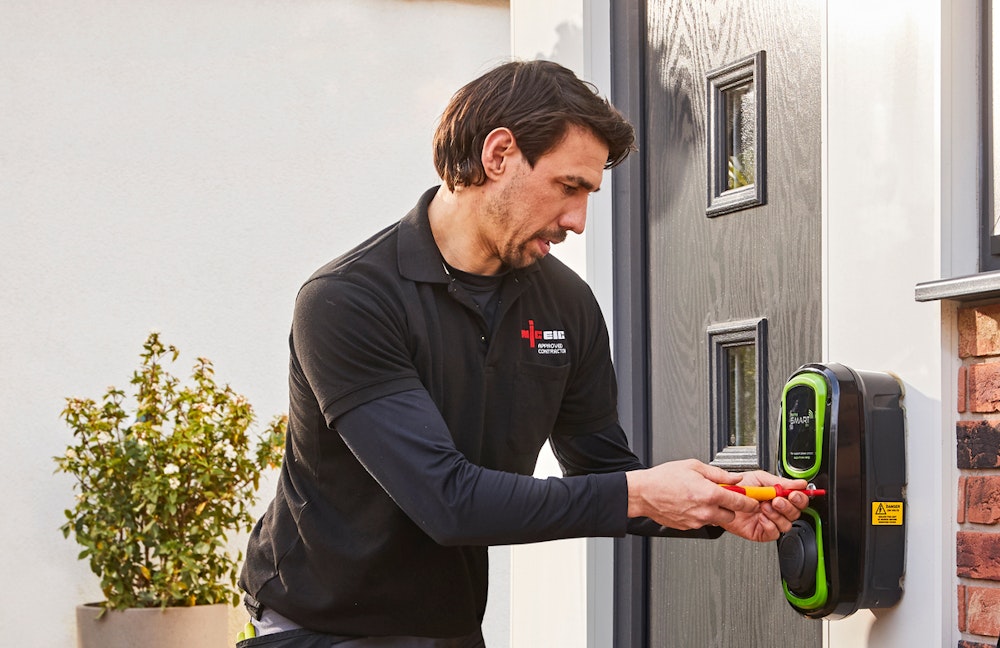
Home chargers offer the most convenient way to power up your electric vehicle. These compact, weather-resistant units mount on your garage wall or exterior and connect either via a permanently attached cable or a standard outlet. Most EV owners complete the majority of their charging at home during off-peak hours, making this the most cost-effective option available.
2. Public Charging Networks
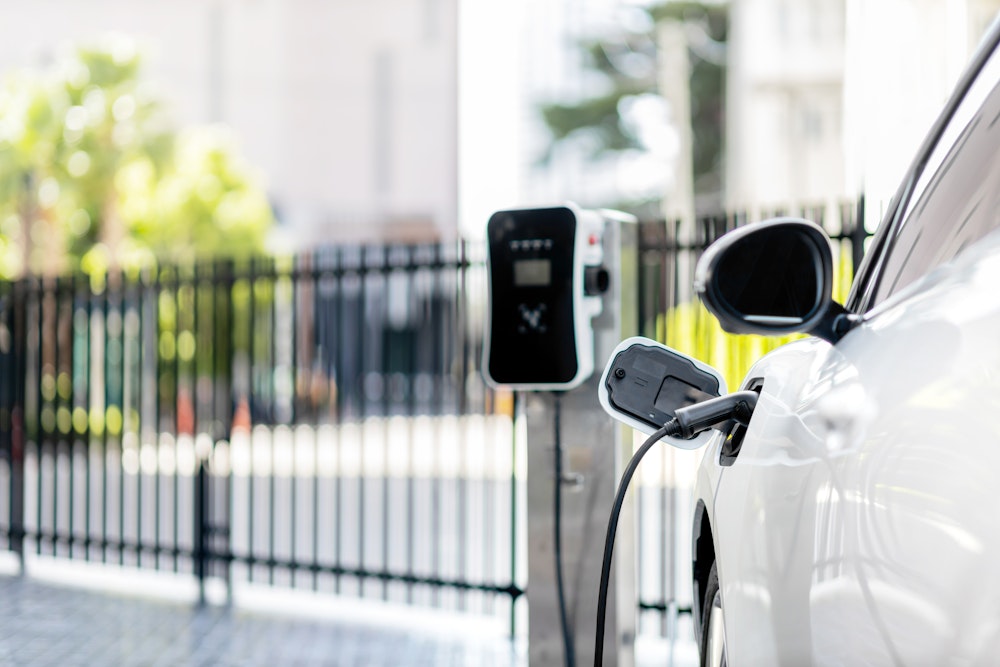
A rapidly expanding network of public charging stations provides options when you're away from home. These fall into three main categories:
- En-Route Fast Chargers — High-powered stations at travel stops designed for quick top-ups during long journeys
- Destination Chargers — Found at shopping centers, restaurants, and parking facilities where you can charge while running errands
- Street-Side Chargers — Urban charging solutions for residents without private driveways or dedicated parking
EV Charger Installation Costs
When budgeting for your EV charging setup, consider both the equipment cost and professional installation. Several factors influence your total investment:
Location Matters
Home installations typically cost less than public station setups due to simpler electrical requirements and accessibility.
Charging Speed
Faster chargers require more robust electrical infrastructure, which increases both equipment and installation costs.
Electrical Capacity
Your home's existing electrical panel may need upgrades to handle the additional load safely and efficiently.
Vehicle Battery Size
Larger batteries benefit from faster chargers, so your vehicle's specifications should guide your charger selection.

Financial Incentives & Rebates
Various government programs and utility companies offer financial assistance to offset EV charger installation costs, making the transition to electric more affordable.
Installation Requirements
All EV charger installations must comply with current electrical codes and safety standards. A compliant installation protects your home, your vehicle, and ensures your warranty remains valid. Professional electricians certified in EV installations undergo rigorous assessment to demonstrate their competence with these specialized systems.
Planning Permission
Most residential charger installations fall within permitted development rights, meaning no special permissions are required. However, properties in historic districts, conservation areas, or those requiring cross-pavement solutions may need approval from local authorities. Always verify requirements before beginning work to avoid complications.
Selecting the Right EV Charger
Not all chargers are created equal. Consider these essential factors when making your selection:
Charging Speed Categories
Home chargers range from standard units delivering around 7kW to high-powered units reaching 22kW or more. Standard chargers fully replenish most batteries overnight, while faster options can complete the job in just a few hours.
Connector Compatibility
EV chargers come with various connector types. Tethered models include a permanently attached cable for plug-and-charge convenience, while untethered units offer flexibility to use different cables based on your needs.
Smart Features
Modern chargers offer smartphone apps for scheduling, energy monitoring, and remote control. Smart charging lets you take advantage of off-peak electricity rates and track your energy consumption over time.
Why Professional Installation Matters
Installing an EV charger involves working with high-voltage electrical systems and requires specialized knowledge. This is not a DIY project. Professional electricians bring essential expertise including:
Code Compliance
Safety Assurance
Warranty Protection
Permit Handling
A certified installer will assess your electrical panel capacity, determine the optimal charger location, handle all necessary permits, and ensure your installation meets all safety standards. This expertise protects your investment and provides peace of mind.
Ready to Power Your EV at Home?
Discover our premium EV charging solution designed for fast, reliable home charging with smart connectivity features.
EcoFlow PowerPulse EV ChargerMaking the switch to electric driving is an exciting step toward a cleaner future. With the right charger and professional installation, you'll enjoy the convenience of waking up to a fully charged vehicle every morning. Explore our selection of EV charging solutions and take control of your energy needs today.