
Quick Summary
Installing a home EV charger is the most convenient way to charge your electric vehicle. Before you begin, there are several important considerations to ensure a smooth installation process.
Why Install an EV Charger at Home?
While you can utilize a standard household outlet, there are substantial advantages to installing a dedicated home EV charging station.
Faster Charging Speeds
A Level 2 home charger delivers significantly faster charging compared to a standard outlet—up to 7 to 10 times quicker, allowing you to fully charge overnight with ease.
Maximum Convenience
Simply plug in when you arrive home and wake up to a fully charged vehicle. No more detours to public charging stations or waiting in queues.
Cost Savings
Charging at home during off-peak hours can substantially reduce your electricity costs compared to public charging networks.

Essential Factors to Consider Before Installation
Before scheduling your EV charger installation, take time to evaluate these critical considerations to ensure optimal results.
Selecting the Optimal Installation Location
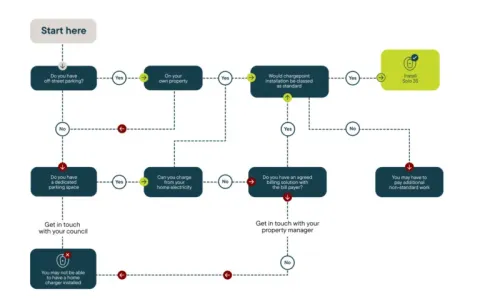
The majority of EV charging installations require your charger to be positioned in a dedicated off-street parking area. Your garage or driveway typically offers the most practical mounting location.
Consider proximity to your electrical panel, as shorter cable runs typically result in lower installation costs. Additionally, ensure the location provides easy access to your vehicle's charging port and adequate protection from the elements.
Wi-Fi Connectivity Requirements
Modern EV chargers often feature smart connectivity that enables remote monitoring, scheduling, and energy management through dedicated mobile applications.
While Wi-Fi connectivity is not mandatory for basic charging functionality, smart chargers allow you to schedule charging sessions during off-peak electricity rates, monitor energy consumption, and receive notifications when your vehicle is fully charged.
Choosing Between Tethered and Untethered Chargers
Understanding the distinction between these two charger types will help you select the option that best fits your needs.
Tethered Charger
Features a permanently attached cable for ultimate convenience. Simply grab the cable and plug in—no additional equipment needed.
Untethered Charger
Socket-only design that accommodates various cable types. Offers flexibility if you own multiple EVs with different connectors.
Understanding Installation Costs
Installation expenses can vary considerably depending on your specific circumstances. Key factors influencing the total cost include the distance from your electrical panel to the installation location, whether your panel requires an upgrade, and any necessary permits.
It is highly recommended to obtain quotes from certified electricians to gain an accurate understanding of your installation expenses. Some utility companies and government programs offer rebates or incentives that can help offset costs.
Selecting the Right Charging Equipment
With numerous EV charger manufacturers available, selecting the right equipment is crucial for long-term satisfaction. Consider factors such as charging speed, smart features, build quality, warranty coverage, and compatibility with your vehicle.
Look for chargers that are UL-listed and certified for outdoor use if installing in an exposed location. Verify that the charger meets your vehicle's maximum charging capacity to ensure you are getting the fastest charge possible.
Our Recommended Home EV Charger
Experience fast, reliable, and smart home charging with our top-rated EV charging solution designed for modern electric vehicle owners.
EcoFlow PowerPulse EV Charger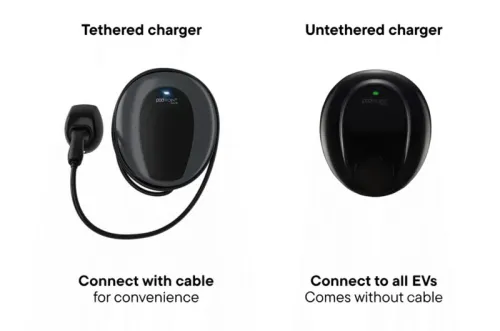
Pre-Installation Checklist
Confirm you have dedicated off-street parking available for installation
Assess your electrical panel capacity and determine if an upgrade is necessary
Measure the distance from your panel to the proposed charger location
Verify Wi-Fi signal strength at the installation location if choosing a smart charger
Research available rebates and incentive programs in your area
Obtain multiple quotes from licensed and certified electricians
Disclaimer: Installation requirements and costs may vary depending on your specific property, electrical infrastructure, and local regulations. Always consult with a licensed electrician and verify compliance with local building codes before proceeding with installation.