
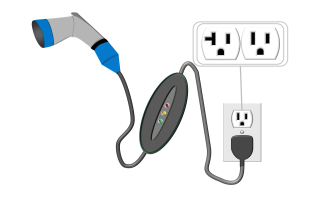
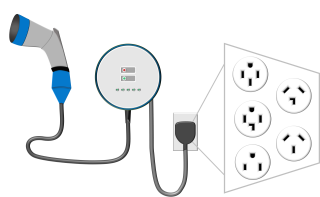
Charging an electric vehicle differs significantly from filling up a traditional gas tank. While a gas station visit takes just minutes, EV charging can take anywhere from under an hour to several hours depending on your setup. The good news? Charging happens while you sleep, work, or go about your day at home. It's the most cost-effective and convenient method available to EV owners today.
EV chargers are widely available online and at major retailers, making it easier than ever to set up your own home charging station. But before you make a purchase, there are some important factors to consider.
Selecting the Right Charging Level
Your ideal charging setup depends on your driving habits, home, and budget.
Chargers are measured in Amps and Volts—the higher these numbers, the faster your vehicle charges. There are two primary charging levels for residential use:
Standard 120V Charging
Think of it like plugging in a lamp or television. Uses a standard household outlet.
Speed: Adds 2–5 miles of range per hour
Output: Typically 8–16 Amps
Best For: Light commuters, PHEVs, overnight charging
240V Fast Charging
Similar to what powers your dryer or oven. Requires professional installation in most cases.
Speed: Adds 25–40 miles of range per hour
Output: Typically 16–80 Amps
Best For: Daily drivers, longer commutes, multiple vehicles
Standard outlets for Level 1 charging are found in most homes, garages, and workplaces. If your driving needs are modest, you can start charging right away without any special installation. However, if you drive longer distances regularly, Level 2 charging provides the speed and convenience most EV owners prefer.


Understanding EV Connector Types
Selecting a charger with the right connector for your vehicle.
Once you've decided on a charging level, you'll need to ensure your charger has the correct connector type. The good news is that most modern chargers accommodate multiple vehicle types with adapters readily available.
Standard connector used by most manufacturers. Compatible with Level 1 and Level 2 charging.
Originally developed by Tesla, now becoming the North American standard. Many new vehicles support this connector.
Don't worry too much about connector compatibility—adapters exist for most situations, and many newer chargers support multiple connector types right out of the box.
Charger Features Worth Considering
From basic to advanced—choose what matters for your lifestyle.
EV chargers range from simple plug-and-play devices to sophisticated smart units with advanced capabilities. Basic chargers simply provide power to your vehicle, while premium options offer features that can save money and add convenience.
Adjustable Amperage
Control charging speed to match your electrical capacity or optimize for off-peak rates.
Smart Connectivity
WiFi-enabled chargers let you monitor usage, schedule charging, and track energy costs via smartphone apps.
Access Control
Prevent unauthorized use with PIN codes, RFID cards, or app-based authentication.
Scheduled Charging
Automatically charge during off-peak hours when electricity rates are lowest.
For outdoor installations, always verify that the charger carries appropriate safety certifications and weatherproof ratings. Look for units tested by recognized organizations to ensure safe operation in all conditions.
Safety First: Charger Selection Tips
✓ Choose chargers with nationally recognized safety certifications
✓ Select appropriate cable length for comfortable vehicle reach
✓ For outdoor use, ensure weatherproof and corrosion-resistant design
✓ Higher-amperage chargers (48A+) may require hardwiring
Working with a Licensed Electrician
Professional installation ensures safety and code compliance.
Unless you already have a suitable 240V outlet in your garage, you'll likely need professional electrical work for Level 2 charging. A licensed electrician can assess your home's electrical capacity, install dedicated circuits, and ensure everything meets local building codes.
What to Expect from Your Electrician
A thorough assessment typically includes evaluating your electrical panel capacity, determining if upgrades are needed, identifying the best installation location, and providing a detailed cost estimate.
Many areas require permits for EV charger installation. Your electrician should handle this process and ensure the final installation passes inspection.
Before installation, ask about load management options if you have other high-powered appliances. Smart chargers can coordinate with your home's electrical system to prevent overloads during peak usage times.
Evaluating Your Home's Electrical Capacity
Ensuring your electrical system can support EV charging.
Your home's electrical panel has a maximum capacity, typically measured in Amps. If your panel is at least 200 Amps with available slots, you likely have sufficient capacity for Level 2 charging. Older homes with 100-150 Amp panels may need upgrades depending on existing electrical loads.
May require panel upgrade
Ideal for Level 2 charging
Beyond simply adding a charger, consider future electrical needs. If you're planning to add a heat pump, upgrade to an electric range, or install solar panels, factor these into your electrical capacity planning. A forward-thinking approach now can save significant expense later.

Installation Cost Considerations
Budgeting for your home charging setup.
Level 2 charger installation involves both equipment and labor costs. Installation complexity varies based on factors like your panel's distance from the garage, existing electrical infrastructure, and local labor rates.
Typical Installation Range
Depending on your home's electrical setup
Factors that may increase costs include longer cable runs, panel upgrades, trenching for outdoor installations, and permit fees. Always get multiple quotes and ask about any potential complications before committing to an installer.
Don't Forget About Incentives
Federal tax credits, state rebates, and utility company incentives can significantly reduce your out-of-pocket costs for both equipment and installation. Many utility companies also offer special EV charging rates with lower electricity costs during off-peak hours.
Check with your local utility provider and state energy office to discover available programs in your area.
Frequently Asked Questions
What if I don't have a garage or driveway?
Street parking doesn't mean EV ownership is off the table. Many cities are installing curbside charging stations, and some areas allow homeowners to run charging cables across sidewalks with proper safety equipment. Check your local regulations for options available in your area.
Can I install a charger in an apartment or condo?
Multi-unit dwelling installation requires coordination with property management or your HOA. Many states now have "right to charge" laws that make it easier for residents to install EV chargers. Start by checking your lease or community guidelines, then speak with building management about available options.
Should I install a charger before buying an EV?
If you're building a new home or planning major renovations, installing the wiring for an EV charger during construction is significantly cheaper than retrofitting later. Even if you're not ready for an EV today, having the infrastructure in place future-proofs your home and can increase property value.
How do I choose between plug-in and hardwired chargers?
Plug-in chargers offer portability—you can take them with you if you move. Hardwired units are permanently installed, often required for higher-amperage chargers, and may provide a cleaner installation appearance. Consider your long-term plans when making this decision.
Ready to Power Your EV at Home?
The EcoFlow PowerPulse delivers fast, reliable Level 2 charging with smart features that make home charging effortless.
EcoFlow PowerPulse EV Charger (9.6kW)Home EV charging transforms the ownership experience, offering convenience that traditional fueling simply can't match. With the right charger and proper installation, you'll enjoy the freedom of starting every day with a full charge.