

More and more RV enthusiasts are embracing energy independence, and understanding solar panel basics has become essential for anyone looking to break free from traditional power sources. Before you can truly experience the freedom of off-grid living, you need to know what size solar panels to get and how many you will actually need.
This comprehensive guide covers everything you need to know about RV solar panels, from the different types available to calculating your exact power requirements. Whether you are a weekend camper or a full-time road dweller, this information will help you make smart decisions about your solar setup.
Types of RV Solar Panels
Understanding the two main categories will help you choose the right solution for your lifestyle.
Portable Solar Panels
Perfect for travelers who move frequently. These lightweight, compact units mount easily on your RV roof and typically include two to four mounting brackets. Most portable panels come with a built-in regulator that adjusts voltage automatically, meaning no additional equipment or complicated wiring is necessary.
Permanent Solar Systems
Ideal for those who stay stationary for extended periods. These larger, more powerful systems generate more energy and include integrated inverters, charge controllers, and batteries wired directly to your electrical system. Professional installation may be required, but the increased power output makes them worthwhile for long-term RV living.
Both panel types deliver the same core benefit: clean, renewable energy that powers your RV when grid access is unavailable. Your choice depends entirely on your travel style and energy requirements.
Calculating Your Watt Usage
Before selecting solar panels, you must understand how much power you actually consume. The watt usage of your appliances determines everything about your solar setup.
Step-by-Step Calculation Method
- List all electrical appliances you commonly use in your RV (refrigerator, lights, coffee maker, hair dryer, ventilator, etc.)
- Record the average daily electricity consumption for each item
- If wattage is unknown, check manufacturer specifications or calculate using: Voltage × Current (Amps) = Wattage
- Add up all individual wattages to find your total daily power requirement
Example: A refrigerator drawing 1-2 amps at 110 volts uses between 110 and 220 watts. A 60-watt lightbulb, 40-watt refrigerator, and 20-watt device would total 120 watts of consumption. Understanding these numbers ensures you select panels that actually meet your needs.
What Size and How Many Solar Panels Do You Need?
Determining the right solar panel size starts with calculating your RV's electricity needs. Look at every appliance and device you plan to use and estimate their average daily consumption.
The Golden Formula
Total Wattage × 1.2 = Required Panel Wattage
This multiplier accounts for efficiency losses and ensures adequate power generation.
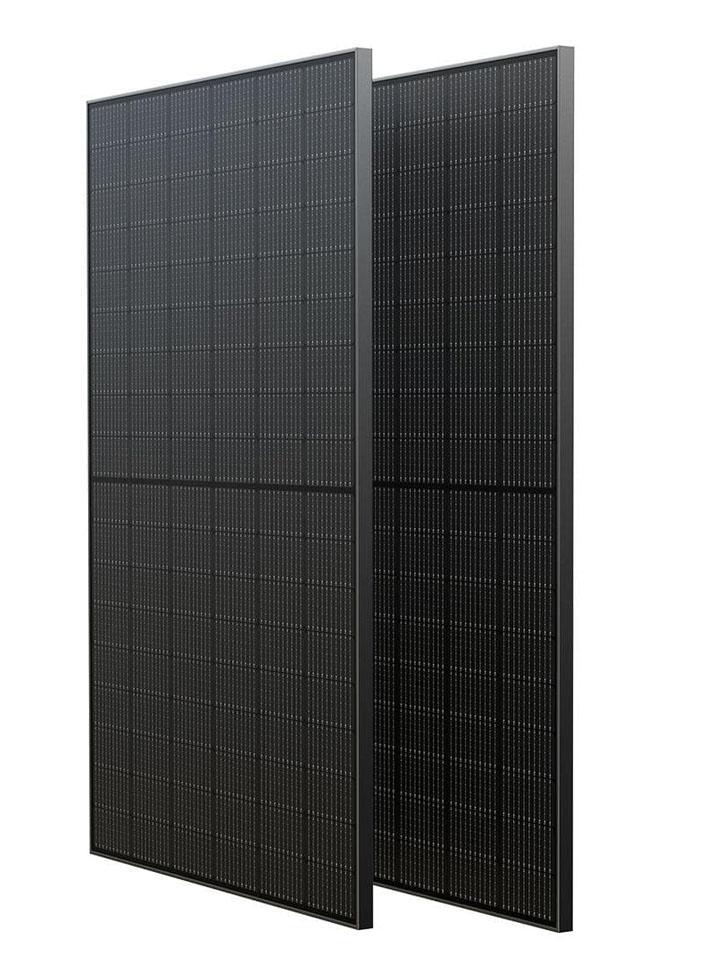
For instance, if your combined appliance usage totals 120 watts, multiplying by 1.2 gives you 144 watts minimum. In this scenario, a 400-watt solar panel would provide more than sufficient power with room to spare for additional devices or cloudy days.
Is a 400 Watt Solar Panel Enough for Your RV?
The honest answer: it depends on your specific setup and habits.
For RVs with a modest number of electrical appliances, a 400-watt panel typically provides sufficient power. However, if you plan to run high-demand equipment like large air conditioners or electric heaters, you may need additional panels or higher wattage options.
What Can 400 Watts Power?
11 Hours
60W Lightbulb
8 Hours
40W Refrigerator
5 Hours
20W Microwave
2 Hours
10W Laptop
Keep in mind that larger solar panels generate more power than a single battery can store, so you may need additional battery capacity. With careful planning, a 400-watt setup serves most RV owners well.
Consider a Portable Backup Power Station
While solar panels generate electricity, a portable power station stores and delivers that energy when you need it most. These units serve as the perfect companion to your solar setup, providing reliable power storage for camping trips and extended adventures.
Key Benefits of Power Stations
Quick solar recharging capability, often in just one hour
Powerful inverters handling up to 2000W or more
Multiple USB ports for charging electronic devices
Built-in safety features including overload protection
Understanding Your Power Needs
Selecting the right size and number of solar panels requires a clear understanding of your actual power consumption. Your wattage needs vary based on RV size, appliance types, usage frequency, and even your geographic location. Areas with extended periods of low sunlight may require higher wattage systems than sunny climates.
Generally, larger RVs need more solar panels. The specific number also depends on your RV type and battery configuration. For optimal performance, install enough panels to fully meet your calculated power needs.
Do Not Forget the Charge Controller
Beyond panels, you will need a charge controller to regulate voltage and current flowing to your batteries. Without proper regulation, overcharging can damage batteries and lead to expensive repairs. This component is essential for any solar setup.
Is Purchasing Solar Panels for RVs and Campers Worth It?
For anyone on the fence about investing in RV solar, several factors deserve consideration. Solar panels significantly reduce electricity costs while traveling, allowing you to run appliances and charge devices without relying on campground hookups.
Best For Solar Investment
Extended trips to remote locations, boondocking enthusiasts, and those seeking true off-grid independence. If you regularly camp in areas without electrical hookups, solar pays for itself quickly.
May Want to Wait
Short weekend trips with consistent campground access, seasonal RV users who are still evaluating their needs, or those primarily staying at full-service locations.
Solar panels also extend your camping capability since you never need to worry about running out of power as long as the sun shines. Many RV enthusiasts take pride in their ability to go off-grid, and solar makes that lifestyle achievable.
Frequently Asked Questions
1. What size solar panels do I need to generate sufficient energy?
Panel size depends entirely on your energy consumption. Start by calculating your daily usage, then consider available sunlight in your area and roof space for installation. Taking all these factors together helps you determine the exact size and quantity needed.
2. How much energy can I expect from each individual solar panel?
Energy output varies based on panel efficiency, sunlight availability, panel size, installation angle, and local climate. High-efficiency panels typically produce between 200-400 kilowatt hours annually. Consulting a professional installer provides the most accurate estimates for your specific situation.
3. How much space do I need for a solar panel system?
Space requirements depend on panel size (typically 50-300 watts each), installation type, and location. Ground-mounted systems require more room than rooftop installations due to framing and anchoring needs. Limited spaces may require spreading panels across multiple locations.
4. How does solar panel efficiency affect energy generation?
Efficiency directly impacts output. Higher efficiency means more sunlight converts to electricity. Most panels rate between 15-20% efficiency, though newer models reach up to 24%. While efficient panels cost more upfront, they generate more power and require fewer units, making them cost-effective long-term.
5. What are the environmental impacts of installing solar panels?
Solar systems reduce greenhouse gas emissions and decrease reliance on fossil fuels. They require minimal water compared to traditional energy sources. However, manufacturing does use raw materials and energy, and improper disposal can create waste. Overall, the environmental benefits significantly outweigh the drawbacks.
Ready to Go Solar?
The size and number of solar panels you need ultimately depends on your individual energy requirements. Consider the appliances you want to power, your storage needs, and the amount of sunlight available in your travel areas. With the right setup and a clear understanding of your energy consumption, you can enjoy clean, renewable power for years to come.
Shop Solar Panels