
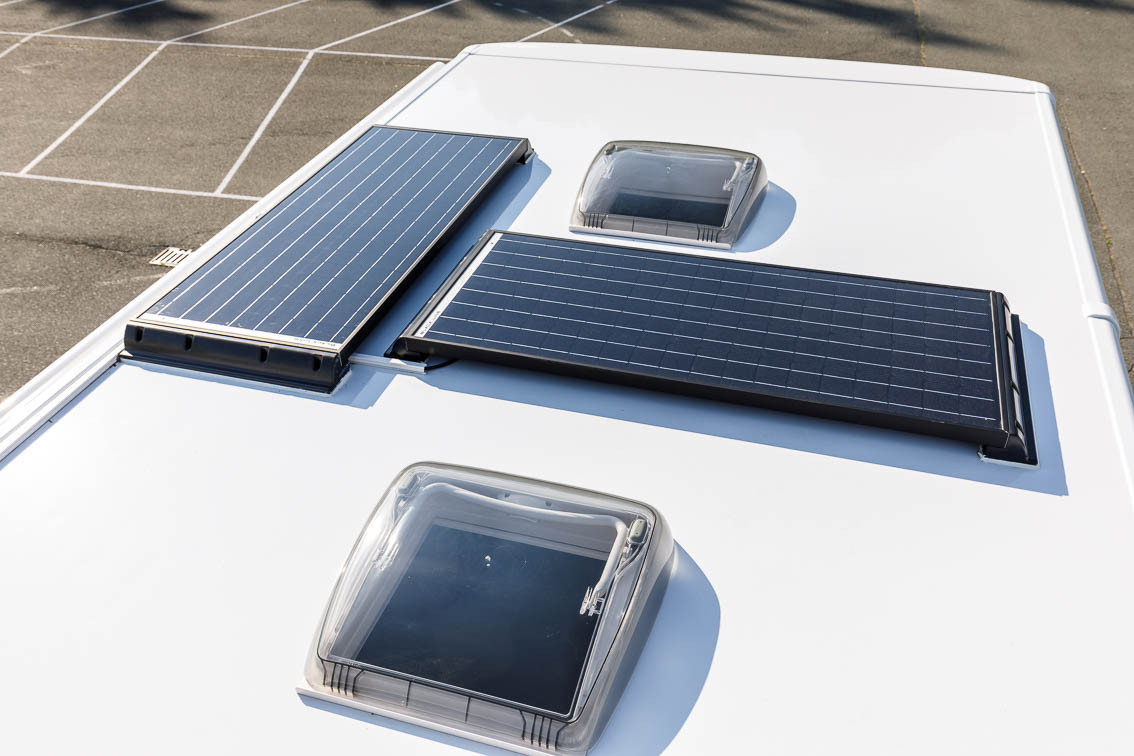
Understanding Solar Panels and Their Purpose
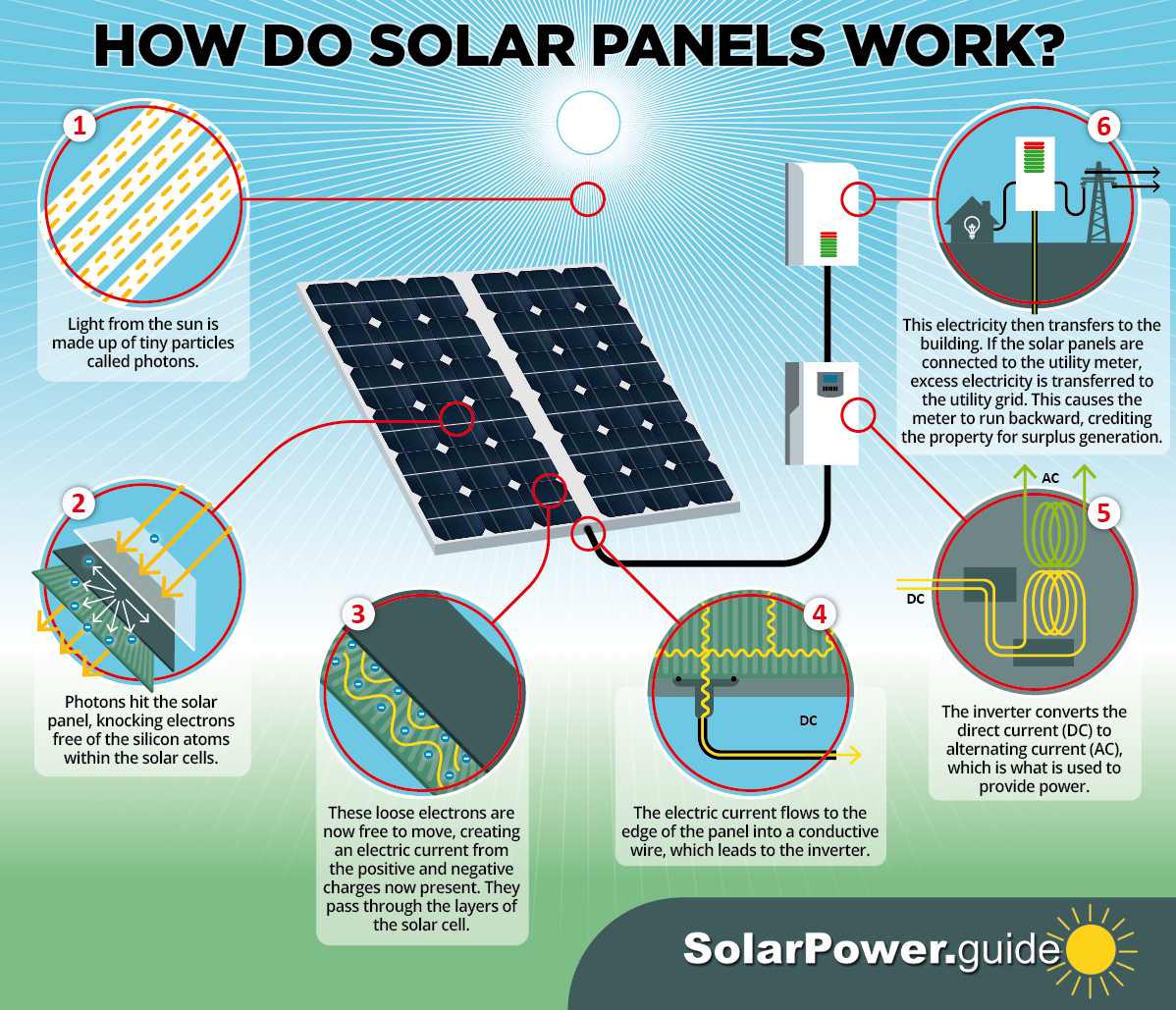
A solar panel is a remarkable device that transforms sunlight into usable electrical energy. When paired with a charge controller, it becomes the perfect companion for maintaining your auxiliary battery system. This silent power source continuously replenishes your battery reserves while you're parked, significantly extending the time you can spend off-grid without relying on shore power or running your engine.
The beauty of solar charging lies in its simplicity and sustainability. Your battery receives a gentle, consistent charge throughout the day, preventing the deep discharge cycles that can dramatically shorten battery lifespan. Think of it as having a tireless power station that works silently in the background while you enjoy the scenery.
Do You Really Need Solar Panels on Your Van?
Like most aspects of van life, the decision to install solar panels depends entirely on your travel style and power requirements. Every traveler has unique needs, and what works perfectly for one person might be unnecessary for another.
For medium-sized vans equipped with a compressor refrigerator, interior lighting, USB charging ports, and 12V outlets running on a quality 100Ah AGM or GEL battery, you can typically expect around two days of autonomy. Lithium batteries of the same capacity can nearly double this performance, providing up to five days between charges when stationary.
If your typical camping stays last four days or fewer, upgrading to a lithium battery system might offer similar cost benefits to solar installation while adding less complexity. However, for extended stationary periods, solar panels become increasingly valuable for maintaining your energy independence.
Our recommendation is straightforward: take your van out, experience how your power consumption aligns with your adventures, and then make an informed decision. We're always available to discuss your specific situation and help you determine the optimal solution for your lifestyle.
Exploring Solar Panel Options
The market offers two primary categories of solar panels for van installations: flexible panels and rigid panels. Each type brings distinct advantages to the table, and understanding these differences will help you make the right choice for your setup.
Flexible Solar Panels
Choosing flexible panels gives you a sleek, nearly invisible installation that won't significantly impact your van's weight or aerodynamics. Their thin, lightweight construction allows them to conform to gentle roof curves without affecting your vehicle's profile.
Important considerations: Flexible panels tend to be more delicate and may show reduced efficiency in extreme heat. They come at a slightly higher price point and are particularly well-suited for vehicles with height restrictions below 2 meters.
Rigid Solar Panels
Opting for rigid panels provides you with a durable, high-output solution that delivers exceptional value for your investment. These robust units are built to withstand harsh conditions and typically outperform flexible alternatives in power generation efficiency.
Keep in mind: Rigid panels add approximately 5cm to your vehicle height and may create some wind noise. They require secure mounting to prevent vibration during transit. These panels excel on taller vehicles or those with existing roof rack systems.
How to Install a Solar Panel System
Installing a solar panel on your camper van is an achievable project that doesn't require advanced technical skills, but it does demand careful attention to detail and proper planning. Following a systematic approach ensures both safety and long-term performance. Here's our professional step-by-step process:
Determine the Optimal Mounting Location
Identify the best position on your roof for maximum sun exposure throughout the day. Consider potential obstructions like antennas, roof vents, air conditioning units, and skylights that could cast shadows. Even partial shading can significantly reduce your system's output.
Prepare the Roof Surface
Thoroughly clean the mounting area to remove all dirt, grease, and oxidation. Proper surface preparation is essential for adhesive bonds and prevents premature detachment. A clean surface also helps you identify any existing damage that should be addressed first.
Select Appropriate Mounting Hardware
Choose mounting brackets made from aluminum or ABS plastic based on your roof type and panel specifications. Rigid panels typically require mechanical fasteners or roof rack attachments, while flexible panels can often be secured using specialized adhesives alone.
Seal All Penetrations Properly
Apply premium-quality sealant around every cable entry point and mounting fastener. We recommend butyl-based sealants for their flexibility and longevity, combined with a UV-resistant exterior profile to prevent deterioration along exposed edges.
Install the Charge Controller
Position your solar charge controller between the panels and battery bank. This crucial component regulates the charging process and protects your batteries from overcharging. Select a controller rated appropriately for your panel wattage and battery chemistry.
Complete the Electrical Connections
Run properly sized cables from your panels to the controller and then to your battery system. Use appropriate wire gauges for the distance and current involved, install inline fuses for protection, and ensure all connections are secure and corrosion-resistant.
Test and Verify System Performance
Once installation is complete, verify all connections and test the system under sunlight. Check that your controller displays proper charging voltage and current, and confirm that power is flowing efficiently to your battery bank.
Ready to Power Your Adventures?
Discover our premium selection of high-efficiency solar panels designed for off-grid living.
EcoFlow 400W Rigid Solar PanelIs Certification Required for Solar Panel Installation?
Certification requirements for recreational vehicle solar installations vary considerably by country and region. Some jurisdictions require professional certification or permits, while others have no specific regulations for personal vehicle modifications.
We recommend consulting with your local authorities or a qualified installer in your area to understand the specific requirements that apply to your situation. If you choose to work with a professional installation service, they can typically handle all necessary documentation and compliance matters on your behalf.
Have questions about your solar setup?
Our team is here to help you find the perfect solution for your energy needs.