
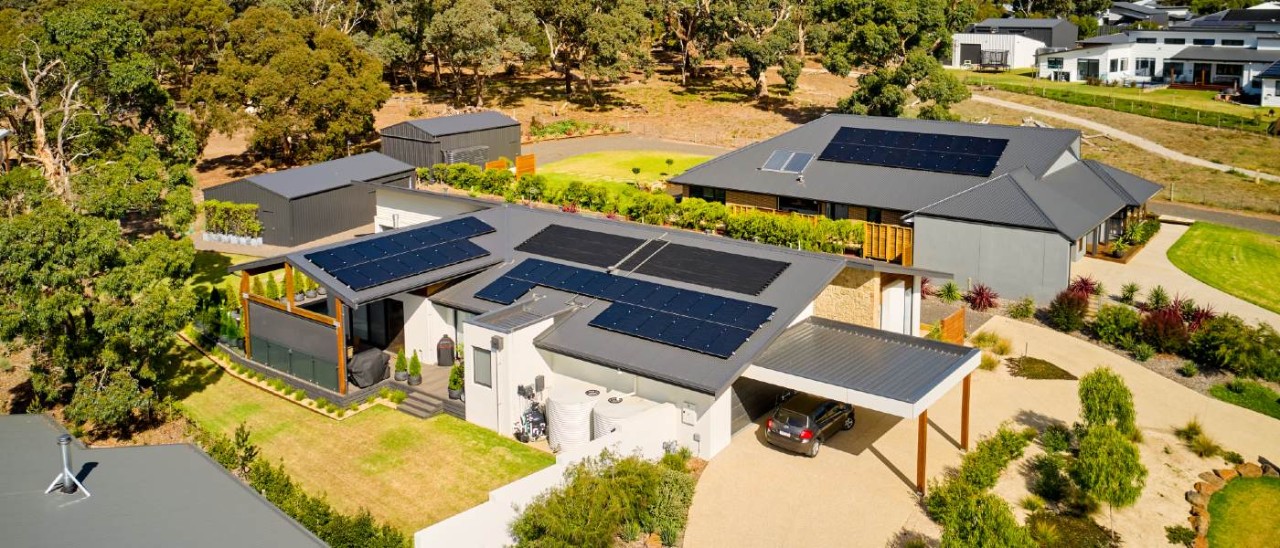
Understanding How Solar Panels Work
Solar panels capture sunlight and transform it into usable electricity for your residence. These photovoltaic systems consist of multiple solar cells that absorb photons from sunlight, generating direct current (DC) power. An inverter then converts this DC electricity into alternating current (AC) that powers your appliances, lights, and electronic devices.
A typical residential solar installation can produce enough energy to offset a substantial portion of your monthly electricity consumption. When your panels generate more power than you use, the excess can often be fed back into the grid, potentially earning you credits on your utility bill through net metering programs.
Reduced Energy Bills
Solar panels can dramatically lower your monthly electricity costs, with many homeowners seeing savings of 50-90% on their energy bills after installation.
Environmental Impact
By generating clean, renewable energy, you reduce your carbon footprint and help combat climate change while decreasing reliance on fossil fuels.
Increased Property Value
Homes equipped with solar panel systems typically sell for more than comparable properties without solar, making it a smart investment for the future.
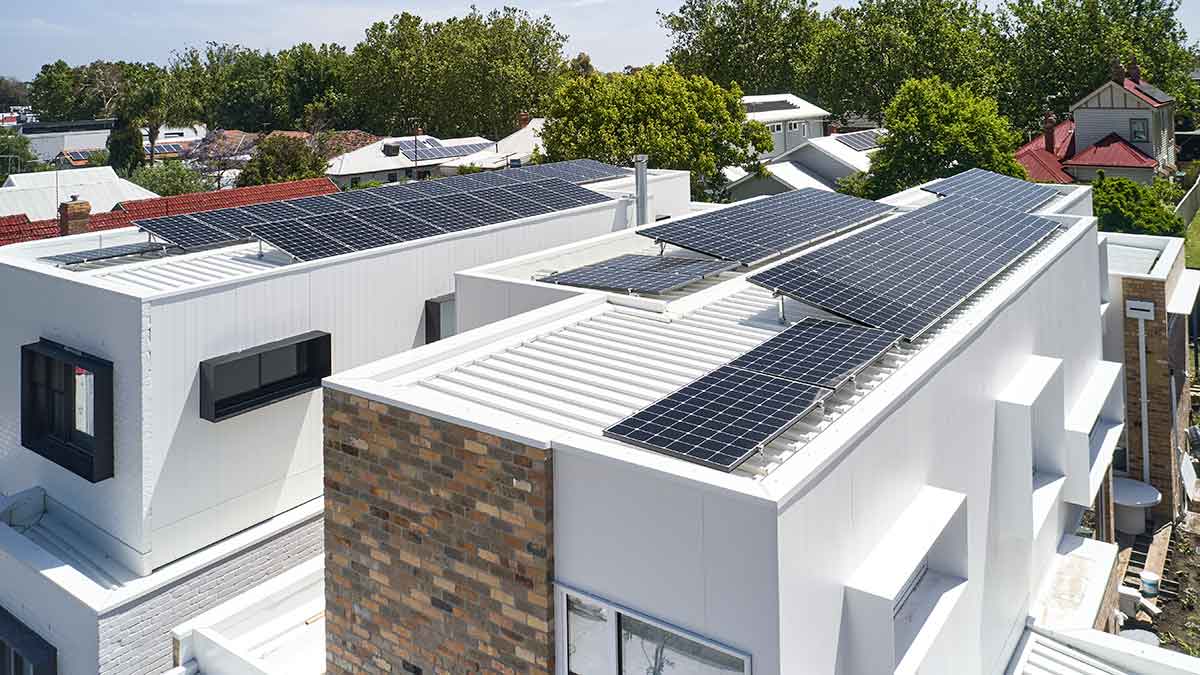
Selecting the Ideal Solar Panel System
Before investing in solar technology, careful consideration of several factors will help ensure you choose the right system for your specific needs. The size of your installation should be based on your average electricity consumption, available roof space, and local climate conditions.
Panel efficiency varies between manufacturers and technologies. Higher efficiency panels generate more electricity per square foot, which is particularly important if your roof space is limited. While premium panels cost more upfront, they often provide better long-term value through increased energy production.
Your roof's orientation and angle significantly affect solar panel performance. South-facing roofs with a pitch between 15 and 40 degrees typically yield optimal results in the Northern Hemisphere. However, modern panel technology has improved efficiency across various orientations and conditions.
Ready to Start Your Solar Journey?
Explore our high-quality solar panel options designed for residential installations with excellent efficiency and durability.
EcoFlow 400W Rigid Solar PanelSolar Batteries: Storing Your Energy
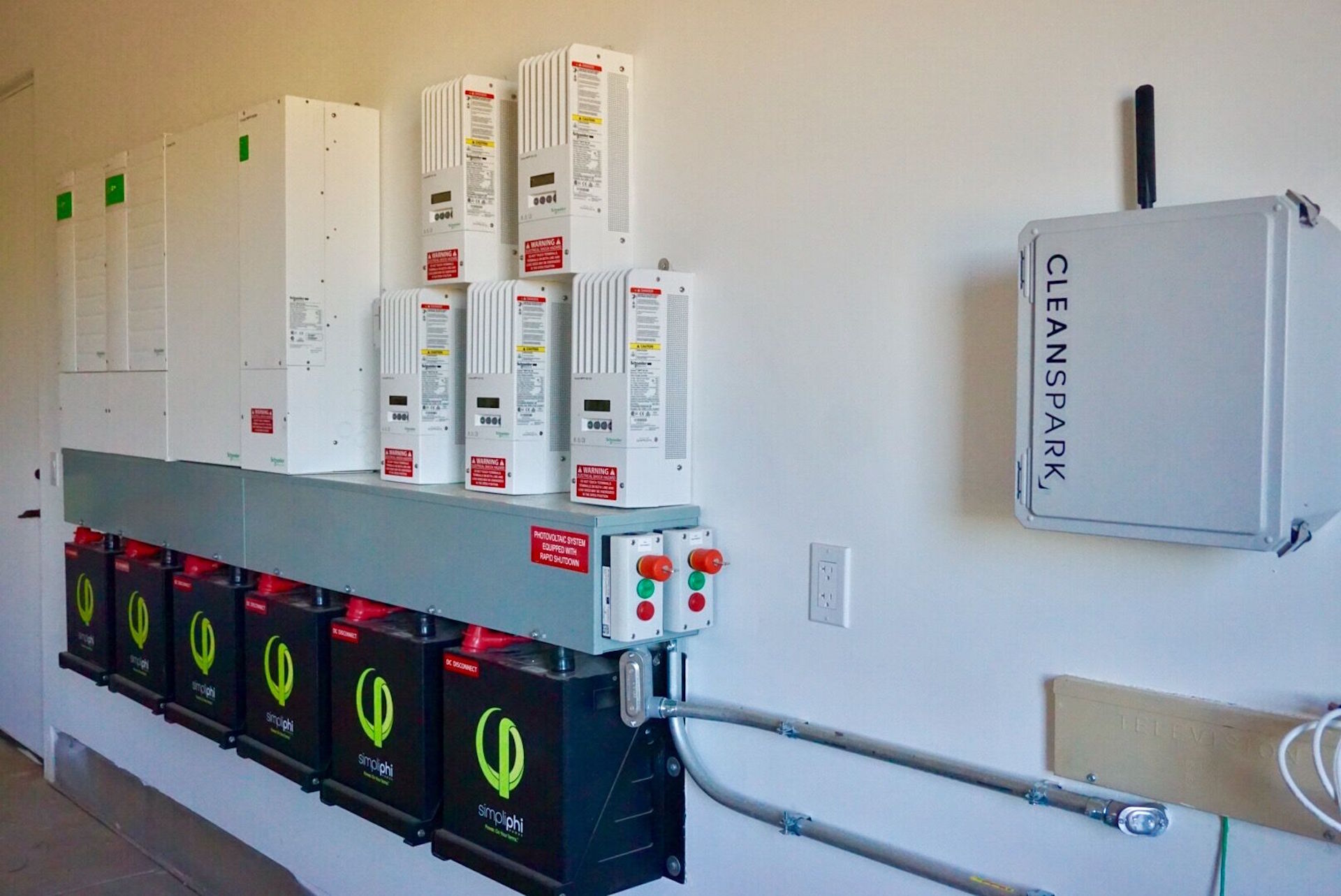
Solar battery storage systems allow you to save excess energy generated during peak sunlight hours for use during evenings or cloudy periods. This technology has advanced significantly in recent years, making home energy storage more affordable and practical than ever before.
With a battery system, you can achieve greater energy independence by reducing your reliance on the electrical grid. During power outages, a properly sized battery bank can keep essential appliances running, providing peace of mind and continuous power when you need it most.
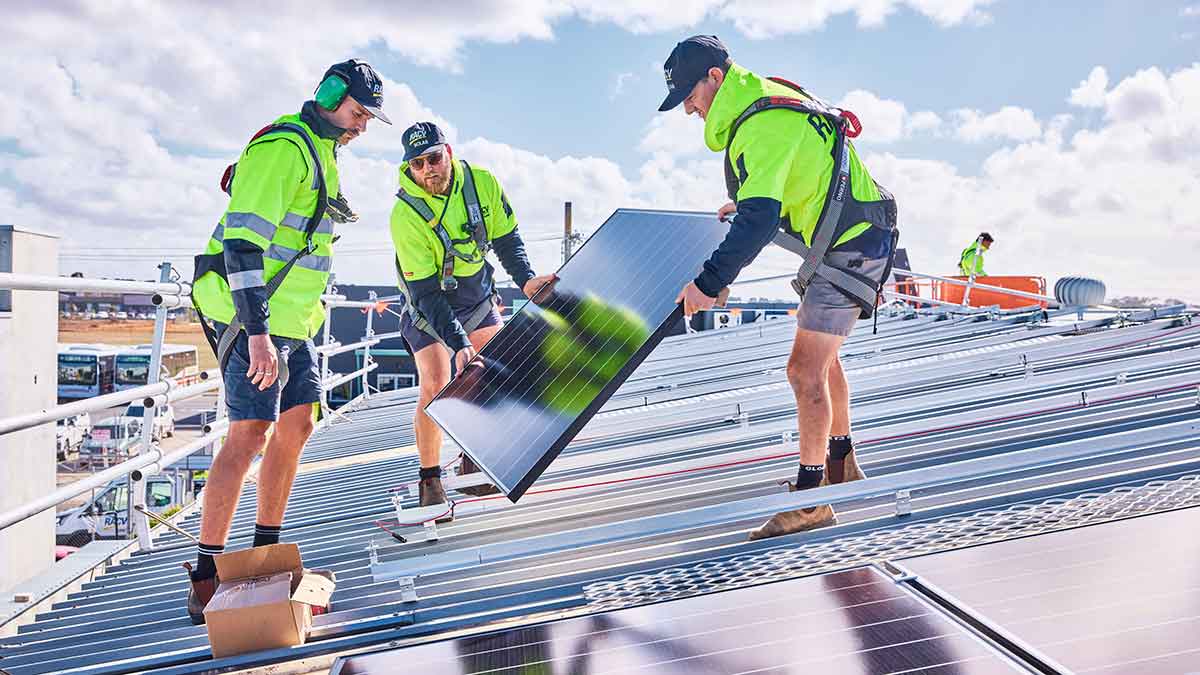
Professional Installation
Working with certified installers ensures your system is properly configured, safely connected to your electrical system, and eligible for available warranties and incentive programs.
Maintenance Requirements
Solar panels require minimal maintenance. Periodic cleaning to remove dust and debris, along with occasional professional inspections, keeps your system operating at peak efficiency for decades.

Understanding Costs and Return on Investment
The initial cost of a solar panel system depends on various factors including system size, panel quality, and installation complexity. While the upfront investment may seem substantial, numerous financial incentives can significantly reduce out-of-pocket expenses.
Federal tax credits, state rebates, and local incentive programs can offset a considerable portion of installation costs. Many homeowners find their solar systems pay for themselves within 5 to 10 years through electricity savings, after which the energy generated is essentially free.
25+
Years Average Lifespan
5-10
Years Typical Payback Period
30%
Federal Tax Credit
Maximizing Your Solar Investment
To get the most from your solar panel system, consider combining it with energy efficiency improvements throughout your home. Upgrading insulation, sealing air leaks, and installing energy-efficient appliances reduces your overall electricity demand, allowing a smaller solar system to cover a larger percentage of your needs.
Smart home technology can further optimize your energy usage by automatically running high-consumption appliances during peak solar production hours. Programmable thermostats, smart power strips, and energy monitoring systems help you track consumption patterns and identify opportunities for additional savings.
Frequently Asked Questions
How long do solar panels last?
Quality solar panels typically come with 25-year performance warranties and can continue producing electricity well beyond that timeframe. Most panels retain 80-90% of their original efficiency after 25 years of operation.
Do solar panels work during cloudy weather?
Yes, solar panels continue generating electricity on overcast days, though at reduced capacity. Modern panels are designed to capture diffuse light, and many regions with less-than-ideal weather conditions still achieve excellent solar performance.
Can I install solar panels myself?
While some homeowners undertake DIY solar installations, professional installation is recommended for safety, warranty compliance, and proper permitting. Certified installers ensure your system meets electrical codes and qualifies for available incentives.
What happens to excess energy my panels produce?
In most areas, excess electricity flows back to the utility grid through net metering programs. You receive credits that offset costs when you draw power from the grid during low-production periods, effectively using the grid as a virtual battery.
Power Your Home with Clean Energy
Take the first step toward energy independence with our premium solar panel solutions built for long-lasting performance and maximum efficiency.
EcoFlow 400W Rigid Solar Panel