
Your solar battery installation is complete. Congratulations! But what should you, as a homeowner without technical expertise, know about checking and maintaining your new system? This comprehensive guide covers everything you need to ensure your investment performs optimally for years to come.
Whether you want to maximize savings, prepare for blackouts, or simply understand your system better, this guide has you covered.
Post-Installation Checklist
Once your battery system is installed, there are several important points every homeowner should verify. Taking time to check these items ensures your system is set up correctly and safely.

Physical Safety Considerations
If your battery is located in an area where vehicles can access it, such as a garage, ensure it has proper protection like a bollard or barrier. This simple precaution can prevent costly accidents.
Check that all isolators are installed with bottom entry connections. Top entry configurations create potential weak points where moisture can infiltrate, whether from outdoor rain or indoor condensation.
Understanding Your Backup Circuits
Your home battery system typically will not back up your entire house, and this is intentional smart design. Backing up only essential circuits prevents non-critical appliances from rapidly depleting your battery during a power outage.
Make sure you understand exactly which circuits are backed up and which appliances connect to them. For instance, you might have your lighting, refrigerator, air conditioning, and internet router on backup power, along with specific outlets in key rooms. Know which appliances draw the most power so you can manage usage wisely during outages.Testing Your Backup System

Verify your backup functionality by switching off the main electrical switch to your home. Does everything work as promised? If your quote included "apocalypse proof" backup capability, confirm that your solar panels continue generating power even when disconnected from the grid. This is the true test of whether your system delivers what you paid for.
Monitoring App Training
The ability to quickly assess your battery system status through a smartphone or computer application is essential for effective monitoring. Your installer should provide a thorough demonstration of how the monitoring system works. If they have not done so, request they return for a proper tutorial.
Also verify that current transformers (CTs) are installed correctly. Improperly positioned CT clamps will cause your monitoring data to display incorrectly, showing backwards readings on power flow graphs.

Off-Peak Charging Settings
If your battery system can charge from grid electricity during off-peak hours, understand when this feature should be utilized. In certain situations, off-peak electricity rates may actually be lower than your solar feed-in tariff, making it financially advantageous to charge your battery from the grid during these windows.
Overnight Load Management
Minimize large electrical loads running overnight to avoid depleting your battery before morning when solar generation resumes. Schedule high-consumption activities for daytime hours when possible.
If you own an electric vehicle, configure your charger to avoid drawing from your home battery. You will typically save more money using battery power for household needs during evening hours, then charging your vehicle either with late-night off-peak electricity or directly from solar during daylight. Additionally, batteries experience faster wear with increased cycling.
Essential Documentation Checklist
Ensure your installer provides all required documentation, including:
• Single line diagram (SLD) showing wiring configuration and backed-up circuits
• Manufacturer contact details with local address information
• Complete hardware list with model descriptions and serial numbers
• Performance and operation manual covering expected behavior and lifespan
• Emergency shutdown and isolation procedures
• Maintenance procedures and schedule
• Commissioning records and installation checklist
• Decommissioning and recycling information
Pro Tip: Tape your single line diagram inside your switchboard or keep a printed copy somewhere easily accessible. Any electrician working on your home in the future should be able to reference it immediately.
Smart Battery Usage During Blackouts
Understanding how to maximize your battery during power outages can make the difference between comfortable backup power and being left in the dark.
If your battery system backs up your entire home, you might not even notice when a blackout occurs. However, continuing normal usage patterns could cause a large appliance like an oven or air conditioner to trip your battery system, suddenly leaving you without power.
This is why becoming familiar with your battery monitoring application is so important. Quality manufacturer apps will alert you when your system enters backup mode, allowing you to adjust your consumption accordingly.
Reserve Settings
Learn about your battery's minimum discharge settings. This feature allows you to maintain a reserve energy level specifically for emergency situations. Essential loads like LED lighting consume minimal energy, so even a 20% capacity reserve could keep your home running for hours during an outage.
Pro Tip: Some solar batteries include a "storm mode" feature. When activated through your monitoring app, this forces your battery to charge from the grid in anticipation of severe weather. Certain systems claim to check weather feeds and activate this mode automatically, though in practice this functionality may not catch every significant storm.
Battery Throughput and Warranty Implications
Most battery warranties specify the total amount of "throughput" they cover. Throughput represents the cumulative amount of energy your battery can store and discharge over its lifetime.
Simply put, the harder you work your home battery, the faster it will exit the warranty period. This concept is similar to vehicle warranties that include a set number of kilometers traveled.

Understanding Cycle Limits
The exception applies to battery systems designed or warranted for multiple daily cycles. Some manufacturers offer unlimited cycle warranties for standard residential use, though different terms may apply for virtual power plant (VPP) participation.
With unlimited cycle allowances, your battery warranty typically lasts the full maximum term, usually around 10 years. However, throughput-limited warranties could expire considerably sooner, especially if your battery participates in a VPP that cycles it frequently.
The Ultimate Battery Test: How Long Can You Last Off-Grid?
Solar batteries represent a significant investment, so verifying your blackout protection performs as expected makes good sense. You do not need to wait for a tree to knock out your power lines to test your system's capabilities.
Important: Do not attempt this test if you are uncomfortable working with your switchboard. Your installer can demonstrate this procedure for you.
Conducting the Test
Perform this test during daylight hours when your battery has substantial charge remaining. There is no point attempting this at night when your battery may already be depleted.
Navigate to your switchboard and turn off the main switch (grid supply). This physically disconnects your home from the electrical grid.
Next, verify that all appliances your installer promised would function are actually working. If you purchased "apocalypse proof" Level 3 backup, check your monitoring app to confirm your battery is charging from your solar panels while grid-disconnected.

If everything performs as promised, excellent! Reconnect your main switch and enjoy peace of mind knowing your investment delivers real value.
For those wanting a more thorough test, keep the grid disconnected and continue your normal daily routine. Observe how long your battery can sustain your typical lifestyle. Once the battery depletes, use your monitoring app to analyze which appliances consumed the most power. This knowledge helps you manage those high-draw devices more carefully during actual emergencies.
VPPs and Time-of-Use Tariffs: Maximizing Your Savings
Time-of-use electricity tariffs have become increasingly popular with energy retailers. Unlike flat tariffs that charge one consistent price regardless of when you use electricity, time-of-use plans vary pricing based on the time of day.

Battery-owning households typically benefit significantly from time-of-use tariffs because stored energy can be deployed to avoid expensive peak pricing periods.
Potential Savings Example
Consider a home with high evening electricity consumption and a quality battery system, where approximately 80% of battery capacity is discharged during evening peak periods. The difference in annual savings between flat and time-of-use tariffs can be substantial, potentially exceeding several hundred dollars annually.
Even moderately structured time-of-use tariffs typically outperform flat rate plans for solar battery households, with possible exceptions for homes with unusual energy consumption patterns.

Virtual Power Plant Opportunities
Some Virtual Power Plants (VPPs) provide additional savings opportunities for battery owners. They may offer higher feed-in tariffs for electricity discharged to the grid when the VPP requires it, and some programs include profit-sharing arrangements when wholesale grid electricity prices spike.
Pro Tip: For advanced users, consider exploring wholesale electricity pricing plans. These expose you to real-time market prices, potentially earning significantly more for your exports. However, be aware that you can also face much higher charges if you are not careful about when you consume energy from the grid.
Solar Battery Maintenance Requirements
The overwhelming majority of modern solar batteries utilize lithium-ion technology, which offers the significant advantage of being essentially "set and forget" with minimal maintenance demands.
While professional maintenance checks are recommended approximately every five years, there is nothing homeowners need to actively do to keep these systems operational.
Pro Tip: Develop a habit of checking your battery monitoring app weekly. This simple practice allows you to quickly identify any emerging issues before they become serious problems.
Important Considerations for Daily Living
Internet Connectivity: Some batteries require a continuous internet connection to maintain warranty validity. Be mindful when changing your WiFi password, and watch for connectivity alerts in your monitoring app.
Keep the Area Clean: Particularly for outdoor installations, ensure leaves and debris do not block ventilation ports or accumulate around your battery system.
Power Interruptions: Exercise caution if you need to switch off your battery. Some solar batteries can become permanently inoperable, or "bricked," if left without power for extended periods.
Inform Electricians: Your installer should have placed an "ES" (Energy Storage) sticker on your switchboard. However, always inform any electrician working on your property about your battery system. Even when they switch off your main power at the switchboard, backed-up circuits will remain energized. Provide them with your single line diagram.

Ensuring Long-Term Performance
All lithium batteries experience performance degradation over time. Most manufacturers warrant a linear degradation curve, meaning capacity should decrease gradually and predictably.
Maintain close observation of your battery through its monitoring application. Contact your installer if you notice unexpected capacity drops, such as going from 90% capacity in year three to 80% in year four. Such rapid decline exceeds normal degradation rates.

Pro Tip: Conduct annual performance reviews of both your solar system and battery, comparing results against previous years. If anything appears abnormal, such as significant year-over-year performance drops, contact your installer promptly. Do not wait until your system fails completely.
Remember that home battery technology remains relatively new, and no systems have yet reached their full warranty duration. This makes owner monitoring of real-world performance particularly valuable for the entire industry.
Preparing for Worst-Case Scenarios
In most situations, any problems with your battery system will manifest as error codes or operational issues that simply require calling your installer for diagnosis and repair.
Safety Warning: In rare worst-case scenarios, lithium batteries can experience thermal runaway, commonly referred to as catching fire. Few manufacturers provide formal documentation on handling such events, so ensure you read any safety instructions that came with your battery system.
Lithium-ion battery fires differ significantly from standard house fires. They burn with intense heat, emit toxic fumes, and not all fire extinguisher types are effective against them. In the event of a battery fire, evacuate everyone from your home immediately and call emergency services.
End of Life: Disposal and Recycling
Currently, comprehensive battery recycling programs are still developing in many regions. However, the future looks promising, with recyclers increasingly interested in solar batteries due to the valuable materials they contain.
Some manufacturers have invested more heavily in recyclability than others. Leading companies claim that the total non-recyclable material from their systems amounts to only a handful, demonstrating strong commitment to environmental responsibility.
Questions to Ask Before Purchasing
When evaluating battery systems, inquire about the manufacturer's approach to end-of-battery-life scenarios. Ask specifically about recyclability percentages and what programs or partnerships exist for responsible disposal. Manufacturers with strong environmental commitments typically have clear answers to these questions.
Power Your Solar Battery System
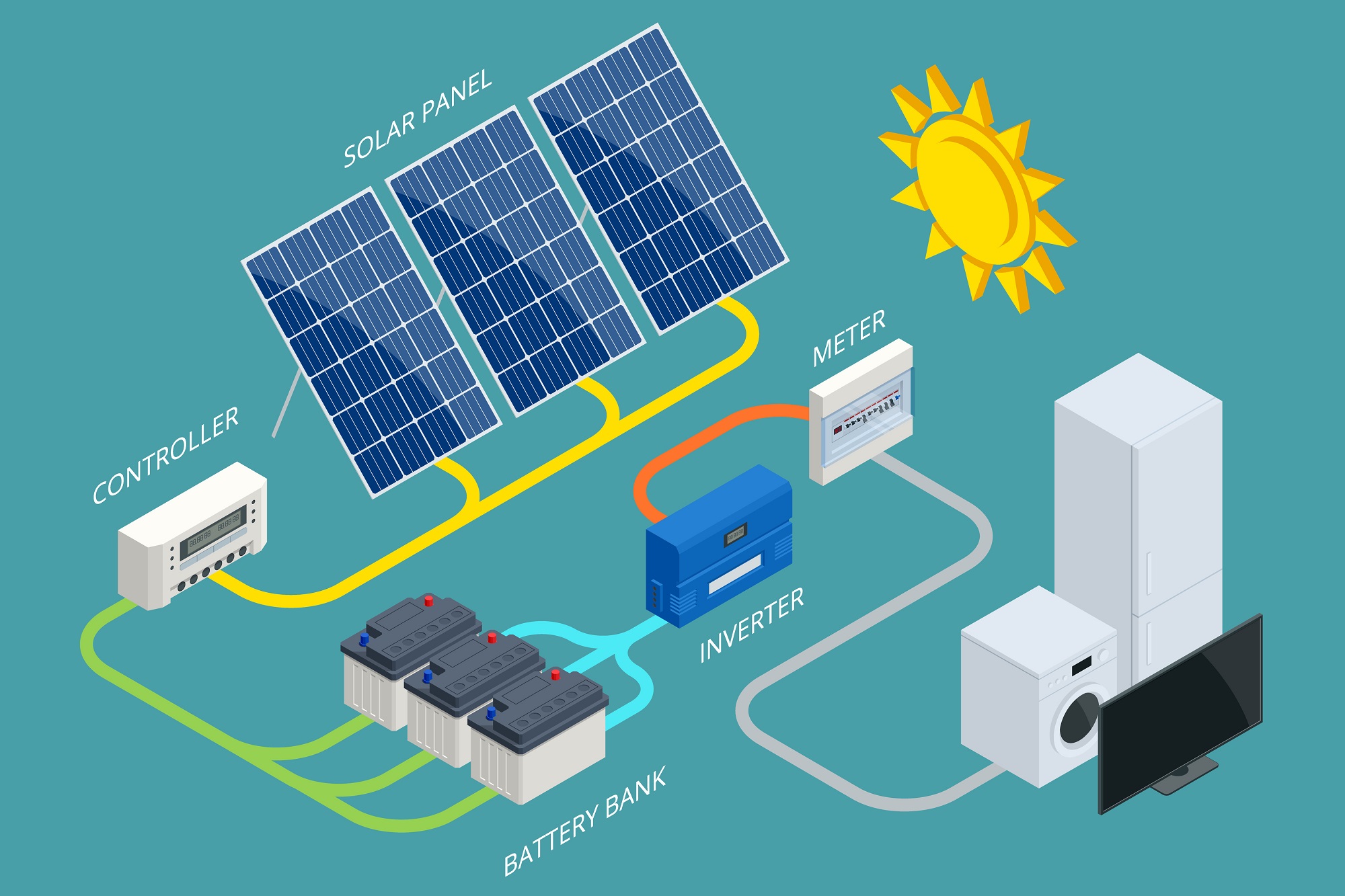
Maximize your battery's potential with high-efficiency solar panels designed for reliable performance and long-term energy independence.
Final Thoughts
Owning a solar battery system is an investment in energy independence and long-term savings. By understanding your system, maintaining awareness through regular monitoring, and knowing how to respond to various situations, you can ensure your battery delivers maximum value throughout its lifespan. Stay informed, stay prepared, and enjoy the benefits of reliable home energy storage.