
When you invest in solar power for your home, every watt counts. Upgrading from older panel technology to modern monocrystalline solar cells can dramatically transform your system's performance. Homeowners who make this switch often discover they can capture significantly more energy from the same rooftop space, with many experiencing output increases of 18% or more.
Monocrystalline Solar Panels: The Technological Advantage of More Energy Per Square Foot
Monocrystalline panels are crafted from single-crystal silicon, which gives them their distinctive uniform dark appearance. This pure silicon structure removes electrical losses that occur in polycrystalline alternatives, where multiple crystal boundaries impede electron flow and reduce efficiency.
Modern monocrystalline modules typically achieve conversion efficiencies between 19% and 23%, compared to older polycrystalline panels that often struggle to reach 17%. This means a monocrystalline system can generate more power from the same amount of sunlight hitting your roof.
Higher Nominal Efficiency: Contemporary monocrystalline modules typically exhibit nominal efficiencies between 19% and 23%, substantially outperforming older polycrystalline alternatives that often plateau around 15-17%.
Superior low-light performance is another hallmark of monocrystalline technology. The superior electrical characteristics of single-crystal silicon allow these panels to capture energy more effectively during morning hours, evening periods, overcast conditions, and even winter months when sunlight is less intense.
Longevity also favors monocrystalline designs. Industry-leading monocrystalline silicon solar panel manufacturers typically guarantee an annual degradation rate of 0.3% to 0.4%, which is better than older solar technologies. Over ten years, a lower degradation rate translates to higher efficiency and increased cumulative energy production, which significantly impacts long-term energy production.
How to Calculate and Verify an 18% System Output Increase
For solar systems switching to monocrystalline panels, a conservatively estimated increase in power generation by approximately 18% is achieved when supported by data and testable through field testing. The following steps show how to quantify this increase, adjust it based on real-world conditions, and verify its applicability to residential solar retrofits across all metrics that align with performance in typical sunny regions of the United States.
Step 1: Establish a Polycrystalline Baseline System
Calculate starting with a standard older solar system using mid-range polycrystalline silicon solar panels, which serves as the industry's benchmark for comparison. Consider specifications like panel efficiency of 17% and a rated power of 5.0 kW (DC). Annual energy production would typically reach approximately 6,800 kWh/year, giving you a baseline for measuring the monocrystalline upgrade.
Step 2: Calculate Core Monocrystalline Output Increase
Upgrading to an equally sized monocrystalline solar system with a maximum efficiency of 20% delivers a reasonable figure for nicely standards-driven increases. The core assumption becomes: New energy = Old energy × (New efficiency ÷ Old efficiency). Applying baseline specifications with monocrystalline specifications, you get approximately 17.6% increase in annual production.
Step 3: Adjust the 18% Increase Based on Real-World Conditions
The core 17.6% performance calculation is based on identical system components and conditions. In reality, monocrystalline silicon upgrades can deliver additional performance improvements, often exceeding the 18% increase through conservative, real-world added value applied to most retrofit projects.
Ready to maximize your solar investment with premium monocrystalline technology?
EcoFlow 400W Rigid Solar PanelKey Performance Factors That Push Beyond 18%
Several additional factors can push your actual performance gains even higher than the baseline 18% improvement:
Temperature Performance
Monocrystalline cell performance advantages: Temperature resistance and low-light efficiency can provide an additional 1-2% yield in many US climates, reducing energy losses under high temperatures or cloudy conditions.
Anti-Soiling Technology
Eliminating aging polycrystalline silicon surface problems: Replacing old panels addresses microcracks, panel delamination, and degraded anti-reflection coatings—restoring the yield lost by older systems due to wear and tear.
Design Features
Monocrystalline design features: Half-cut cells and upgraded internal wiring reduce resistive losses and improve shading tolerance, adding a small but consistent number of kilowatt-hours to annual energy production.
BOS Component Upgrades
Optimizing the balance of system (BOS) components like new inverters and panel layout during the retrofit further enhances performance and ensures maximum energy harvest from your upgraded system.
Taken together, these factors ensure that the fundamental 17-18% efficiency improvement can easily meet or exceed the 18% increase in output for most residential solar upgrade projects.

Monocrystalline Silicon Solar Panel Design and Component Selection
Upgrading components is necessary but not sufficient. To fully realize the approximately 18% performance increase, you must redesign or reconfigure the system so that the solar panels, inverters, wiring, and control systems work together optimally.
1. Appropriately Sized Inverters and MPPT Architecture
If you are replacing with higher-power modules, re-evaluate the inverter's power rating. A moderate increase in the DC/AC power ratio (e.g., 1.1 to 1.3) can increase power generation in the mornings and evenings while avoiding excessive clipping at midday. Use modern inverters with high CEC-rated system efficiency and low no-load losses.
2. Re-examine Wiring and Connections
Higher-power modules produce higher currents, ensure your wires, fuses, and combiner box equipment are appropriately sized. Resistive losses in DC wiring reduce gains, shortening wire lengths and increasing wire size can compensate for lost power. Also, when replacing with higher-power modules, re-evaluate anti-islanding and rapid shutdown requirements to comply with local regulations.
3. Installation and Tilt Angle Considerations
If upgrading under existing conditions, maintain the tilt and azimuth angles—but pay attention to row spacing for bifacial or taller modules. If reducing the number of modules or changing the layout, ensure a shading check is performed on the rooftop to avoid any new row shading that could affect the gains.
Why is an 18% Increase in Yield so Economically Significant?
It only makes sense if the increased energy output improves household finances. The value proposition becomes clear when you examine the concrete financial benefits that accumulate over the lifespan of your solar installation.
Case Example: Impact of Upgrade on Annual Production and Revenue
Using the benchmark data: maintenance-free old system generates 6,800 kWh per year. After the upgrade, generation increases to approximately 8,000 kWh per year, an 18% increase, with a net gain of 1,200 kWh/year. If your electricity price is $0.10 per kWh, the additional energy is equivalent to $120/year. This pure added value is on top of the cost savings already delivered by the original system.
The economic benefits will be even greater if the following factors are considered: avoiding inverter replacement and BOS system upgrades by utilizing upgraded module upgrades, installing modern, high-efficiency monocrystalline silicon modules reduces parasitic losses and further increases power generation beyond the module efficiency upgrade percentages alone.
Incentives and Tax Credits
If you commission the upgrade during the period when federal investment tax credits (ITC) or local government statutory policies are in effect, the cost will be reduced, improving the return on investment.
Export Value
In regions with favorable export credit policies, higher output can lead to more revenue to cover the price of solar production for self-consumption, reducing seasonal purchase peaks and supporting grid stability.
Reduced Risk and Long-Term Savings
Upgrading to higher-efficiency solar panels typically experience less performance degradation and perform better over time, reducing the risk of declining energy savings and helping protect household budgets from rising utility costs.
Boosted Electricity Generation
Upgrading to monocrystalline solar panels typically increases household electricity generation by approximately 18%, as monocrystalline panels convert sunlight into electricity more efficiently, meaning homeowners can expect a significant increase in annual energy production.
Upgrade Your Solar System Today
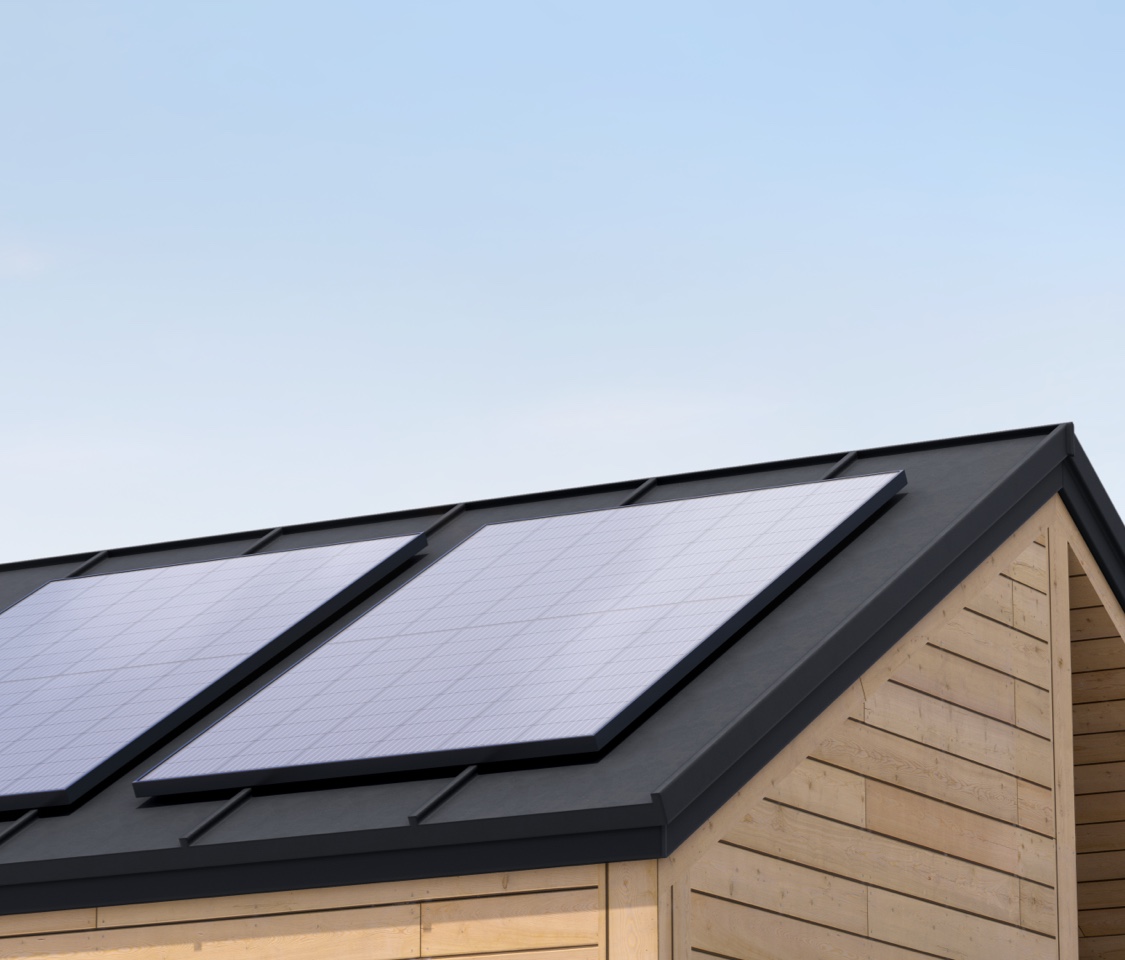
Discover the power of monocrystalline technology and start generating more clean energy from your existing rooftop space.
EcoFlow 400W Rigid Solar PanelMaking the switch to monocrystalline solar panels represents one of the most impactful upgrades available to homeowners looking to maximize their renewable energy investment. With proper system design, component selection, and installation practices, achieving an 18% or greater improvement in energy output is not just possible—it's the expected outcome for well-planned residential solar retrofits.