

Fat tire e-bikes have rapidly become a go-to choice for riders who refuse to let weather, terrain, or distance dictate how they get around. With their oversized tires, powerful motors, and rugged construction, these machines are built for real-world conditions — not just smooth bike lanes on sunny afternoons.
Whether you're commuting across town, exploring back roads, or simply tired of sitting in traffic, a fat tire e-bike offers a practical and enjoyable alternative. In this guide, we'll explore the key benefits of fat tire e-bikes for commuting, compare them against regular e-bikes, and help you figure out which one fits your lifestyle best.
The Benefits of Fat Tire E-Bikes for Commuting
There's a reason fat tire e-bikes are gaining ground among everyday commuters. They deliver stability, traction, and versatility that standard bikes simply can't match. Here's what makes them stand out.
Superior Stability and Traction
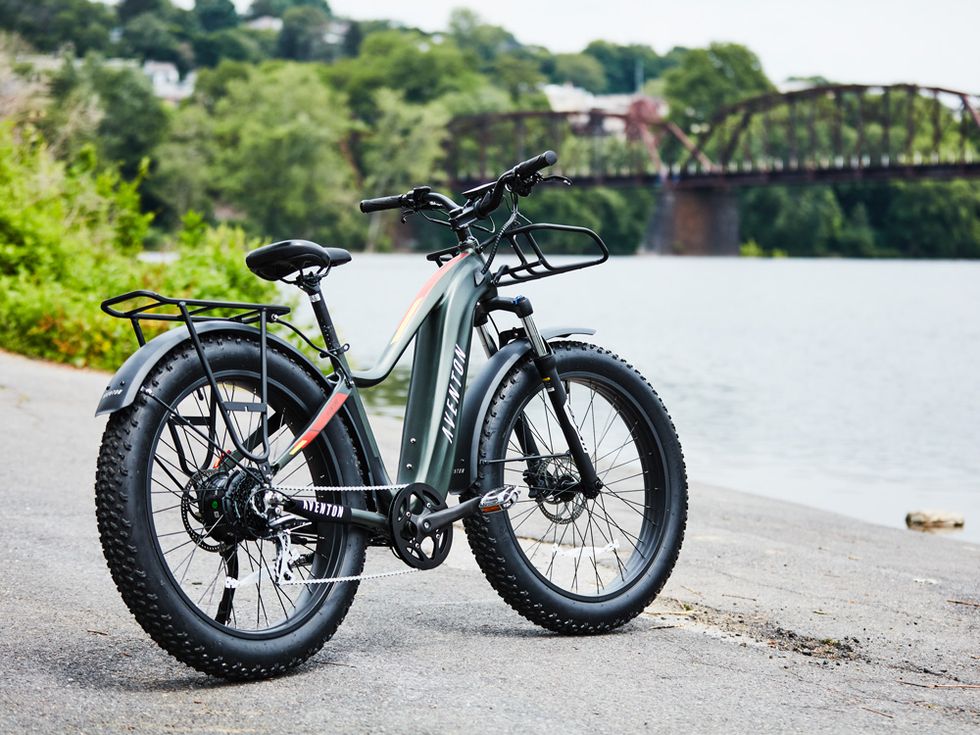
The defining feature of a fat tire e-bike is its wide, high-volume tires. These provide a dramatically larger contact patch with the ground, which translates directly into better grip and balance. You'll feel the difference immediately — especially on loose gravel, wet pavement, or uneven surfaces. The deep tread pattern also cuts through debris like dirt, leaves, and mud without losing traction, giving you a stable and predictable ride no matter what's underfoot.
Conquer Wet Roads, Snow, and Sand
Thanks to their increased tire profile and deep tread, fat tire e-bikes handle surfaces that would stop a regular bike in its tracks. Wet roads, packed snow, sandy trails, and gravel paths are all fair game. This kind of all-terrain versatility means you can ride your fat tire e-bike year-round, getting better value from your investment and never having to worry about seasonal limitations.
A Real Fitness Boost
Off-road riding is a fantastic form of exercise. Navigating steep inclines, powering through rocky terrain, and managing sharp corners all push your body to work harder. Even with pedal assist doing some of the heavy lifting, you'll still burn calories, build endurance, and improve your overall fitness — all while getting where you need to go.
Cut Down Your Commute Time
Fat tire commuter e-bikes are remarkably versatile. Their ability to handle shortcuts through parks, bike paths, and unpaved roads means you can often find faster routes that cars and regular bikes simply can't access. Imagine saving 10 minutes each way — that adds up to nearly two hours a week, giving you real time back in your day.
Fat Tire E-Bikes vs. Regular E-Bikes: What's the Difference?
Understanding the trade-offs between fat tire and regular e-bikes will help you pick the right machine for your daily ride. Let's break it down.
🟢 Fat Tire E-Bikes
Strengths:
✔ Excellent traction on wet, sandy, snowy, and rough surfaces
✔ Deep tread helps navigate off-road trails, gravel, and bike paths
✔ Better shock absorption for a smoother ride over bumps and cracks
✔ Handles a wider variety of terrain and weather conditions
Trade-offs:
✖ Heavier overall frame and tire weight
✖ Slightly more rolling resistance on smooth pavement
✖ Wider tires can be more prone to punctures from sharp objects
✖ More sensitive to surface imperfections at high speeds
⚪ Regular E-Bikes
Strengths:
✔ Faster acceleration and higher top speeds on paved roads
✔ Lighter frame makes them easier to carry and store
✔ Ideal for public transit integration — easy to fold or carry aboard
✔ Lower rolling resistance for efficient pavement riding
Trade-offs:
✖ Narrow tires provide less grip in wet or loose conditions
✖ Reduced versatility on off-road or unpaved surfaces
✖ Less comfortable on rough roads, potholes, and cracks
✖ Limited to mostly paved, well-maintained routes
The bottom line? If your commute sticks to smooth city roads, a regular e-bike is perfectly capable. But if you face unpredictable surfaces, seasonal weather changes, or mixed-terrain routes, a fat tire e-bike is the smarter, more versatile investment.
Are Fat Tire E-Bikes Good on Pavement?
Absolutely. While fat tire e-bikes are built to dominate off-road terrain, they're equally comfortable cruising on paved surfaces. You can ride confidently on sidewalks, bike trails, asphalt roads, and even cobblestone streets without missing a beat. The extra cushion from the wider tires actually makes pavement riding smoother and more forgiving than you'd expect.
So even if you primarily ride on flat terrain, a fat tire commuter e-bike gives you the freedom to go off-road whenever the mood strikes — without needing a second bike.

How to Choose the Right Fat Tire E-Bike for Your Commute
Picking the right fat tire e-bike comes down to understanding your route, your priorities, and your budget. Here are the key factors to weigh before making a decision.
01
Commuter Needs
Think about the distance you ride and the terrain you encounter. If most of your route is paved, a regular e-bike may suffice. But if you frequently deal with rough roads, unpaved shortcuts, or bad weather, a fat tire e-bike will keep you safe and stable. If storage is tight, consider a folding electric bike — their frames are designed to collapse for easy storage under desks, in closets, or beside your workstation.
02
Motor Power and Battery Life
Fat tire e-bike motors typically range from 500W to 1000W (peak up to 750W–1400W), giving you plenty of power. Keep in mind that higher riding speeds drain the battery faster. Look for battery capacities between 48V/11.6Ah and 48V/17.5Ah — these offer 40 to 80+ miles per charge depending on terrain and riding style. A solid average charge time is around 3 to 5 hours.
03
Comfort and Safety
Your ride should feel good from start to finish. Look for adjustable shock absorber seats that suppress vibration, a quality front suspension fork, an ergonomic handlebar that conforms to natural hand and body position, and a dual front light for clear visibility in fog and darkness. Accessories like foldable locks, phone mounts, baskets, and cycling helmets are also worth considering.
04
Weight Considerations
Several factors influence an e-bike's total weight — rider height, motor type, tire size, and any added accessories all play a role. If your commute involves carrying your bike up stairs, onto public transit, or into an elevator, weight matters. Lighter models are available that still deliver excellent fat tire performance, so don't assume you have to sacrifice portability.
05
Budget
Fat tire e-bike prices vary widely based on the manufacturer, frame style, tire size, motor type, and battery capacity. Folding capability can also influence the price. As a general benchmark, expect to spend anywhere from $1,000 to $2,000+ for a quality commuter model. The key is to match your real-world needs with the right spec level — overspending on features you won't use is just as wasteful as underspending on durability.
Featured Product
Ready to Upgrade Your Commute?
Explore a powerful, versatile fat tire e-bike built for everyday riders who demand more from their commute.
ENGWE L20 Electric Bike
Got Questions?
We hope this guide has given you a clearer picture of why fat tire e-bikes are such a compelling choice for commuters. From all-season traction to genuine fitness benefits, there's a lot to love about making the switch.
For more information on fat tire e-bikes and how to find the perfect model for your lifestyle, explore our full collection today. Your next ride is waiting.