
A 750 watt fat tire electric bike offers a powerful blend of speed, range, and all-terrain handling. Expect top speeds around 28 mph, a real-world range of 25–50 miles per charge, and the ability to conquer sand, snow, gravel, and rough trails with ease. It is one of the most capable and legally compliant e-bike options available today.
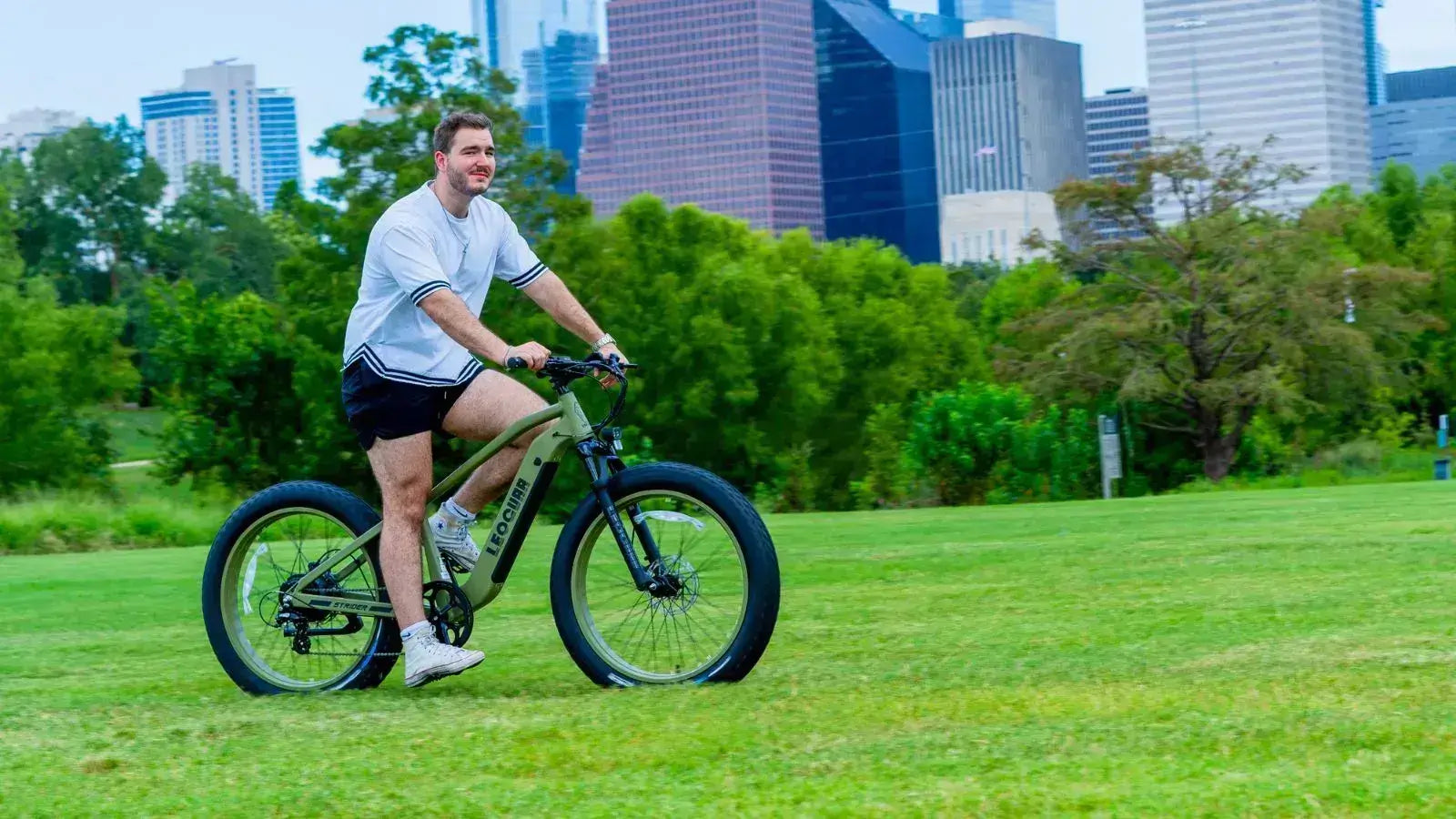
Your All-Terrain Powerhouse
The 750 watt fat tire electric bike has become a go-to choice for riders who refuse to be limited by terrain or weather. Whether you are commuting across town, hauling gear down a back road, or exploring trails on the weekend, this category of e-bike delivers a unique combination of raw power and practical versatility that few other options can match.
With its oversized tires and robust motor, this machine rolls confidently over sand, mud, gravel, snow, and cracked pavement. The fat tires themselves act as natural suspension, absorbing impacts and providing traction where skinny tires would slip and spin. Combine that with 750 watts of electric assist, and you have a ride that handles almost anything you throw at it.
There is a good reason this style of e-bike continues to grow in popularity. It bridges the gap between a recreational toy and a legitimate transportation solution. Riders of all experience levels find value here, from casual weekend explorers to daily commuters looking for a reliable, eco-friendly alternative to driving.
Why Choose a 750 Watt Fat Tire Electric Bike?
Choosing the right electric bike means matching the motor's capability with the way you actually plan to ride. A 750W motor is not just a number printed on a spec sheet — it represents a specific tier of performance that fits squarely into what most riders need without venturing into territory that creates legal headaches or unnecessary cost.
Deconstructing "750 Watts"
The "750W" label refers to the motor's rated continuous power output. In simple terms, it tells you how much sustained energy the motor can produce during normal operation. Think of it like an engine's horsepower — it defines the baseline capability of the drivetrain.
750W rated 1,000–1,200W peak possible
Nominal vs. Peak Power
There is an important distinction between a motor's nominal (continuous) rating and its peak output. The 750W figure describes steady-state performance — what the motor delivers over extended use without overheating. However, most 750W motors are capable of short bursts well above that figure, often reaching 1,000 watts or more during hard acceleration or steep hill climbs.
This peak power matters because it is what you actually feel when you twist the throttle from a stop or power up a challenging grade. The nominal rating ensures legal compliance and long-term reliability, while the peak output delivers the punch you need in demanding moments.
It's Not Just Watts
Watts alone do not paint the full picture. A motor's real-world performance is also shaped by torque — the rotational force that gets you moving and keeps you climbing. A high-torque 750W motor can outperform a higher-wattage motor with poor torque delivery. Many quality 750W hub motors produce 80 Nm of torque or more, which translates directly into confident hill-climbing ability and strong launches from a standstill.
Voltage and amperage also play a role. A 750W motor paired with a 48V battery system operates differently than one paired with a 36V system, even if the wattage rating is identical. Higher voltage setups tend to deliver power more efficiently, producing better performance across a wider range of conditions.
More Power Translates To...
⚡ Higher Top Speeds
Reach up to 28 mph on flat terrain under electric power alone, making it practical for commuting and covering distance efficiently.
⛰ Stronger Hill Climbing
Tackle steep inclines without losing momentum. The 750W motor maintains steady output even on grades that would stall weaker systems.
🛒 Heavier Load Capacity
Carry more gear, groceries, or cargo without compromising speed or ride quality, making these bikes practical for errands and hauling.
🌠 All-Terrain Confidence
Plow through sand, snow, mud, and loose gravel without hesitation. The combination of power and fat tires makes rough surfaces feel manageable.
The Fat Tire Advantage
Fat tires — typically measuring 4 inches or wider — are the defining feature that separates these machines from standard electric bikes. Their extra-wide profile creates a larger contact patch with the ground, spreading your weight over a broader area. This results in dramatically improved traction on loose, slippery, or uneven surfaces.
Beyond grip, fat tires serve as built-in shock absorbers. Run at lower pressures, they conform to bumps and ruts rather than bouncing over them. This natural cushioning reduces rider fatigue on long rides and makes the bike far more comfortable on rough roads, even without a dedicated suspension system.
The visual impact is also worth mentioning. Fat tire bikes simply look more rugged and capable, which matches the reality of what they can do. They project a sense of adventure and durability that resonates with riders who want a machine built for more than just smooth bike paths.
The Unmissable Benefits
✓ Ride confidently on sand, snow, gravel, mud, and cracked pavement
✓ Natural suspension effect reduces vibration and rider fatigue
✓ Better stability at low speeds and during sharp turns
✓ Higher payload capacity ideal for cargo and heavier riders
✓ Year-round usability regardless of weather conditions
The Trade-offs to Consider
No design choice is without compromise. Fat tires are heavier than standard tires, which adds to the overall weight of the bike. This extra mass can slightly reduce range compared to a thinner-tire e-bike with the same battery. Rolling resistance is also higher on smooth pavement, meaning you may burn through battery a bit faster on purely paved commutes.
Replacement tires and tubes tend to cost more and may be harder to find locally. Maneuverability in tight urban spaces can feel slightly heavier compared to a nimble city bike. That said, for the vast majority of riders, the benefits of fat tires far outweigh these minor drawbacks — especially if your routes include anything less than perfect pavement.

Real-World Range: What to Actually Expect
The most common question about any electric bike is simple: how far can it go on a single charge? For 750W fat tire models, the honest answer depends on a range of variables. Manufacturer claims often state 40 to 60+ miles, but those figures are typically measured under ideal laboratory conditions — flat terrain, lightweight rider, minimal throttle use, and moderate pedal assist.
In the real world, most riders can expect somewhere between 25 and 50 miles per charge. That is still an impressive range for the vast majority of use cases, from daily commutes to trail excursions. Understanding the factors that influence range will help you maximize your mileage and avoid any unpleasant surprises.
Factors That Determine Range
Your riding style and environment have a massive impact on battery performance. Here are the primary variables at play:
Typical Range Scenarios
40–50
miles • flat road + pedal assist
30–40
miles • mixed terrain + moderate use
20–30
miles • full throttle + off-road
Real-World Scenarios
🌧️ The All-Weather Commuter
For riders who commute year-round regardless of conditions, a 750W fat tire e-bike is a revelation. Rain, sleet, or snow — the wide tires and powerful motor handle it all without breaking a sweat. A typical 10-mile round-trip commute barely touches the battery, leaving plenty of reserve for errands or detours along the way.
The confidence these bikes inspire in poor weather is genuinely transformative. Where a standard bike would feel sketchy on wet leaves or icy patches, fat tires grip and hold, turning a stressful ride into a relaxed one. Many commuters find they start choosing the e-bike over their car even on days they previously would not have considered cycling.
⛰️ The Weekend Adventure Seeker
Trail riders and outdoor enthusiasts find the 750W fat tire bike opens doors to terrain that would be off-limits on a standard bicycle. Sandy beaches, forest fire roads, and rocky mountain paths become accessible without the extreme physical effort normally required. The motor does not replace your fitness — it amplifies it, letting you ride farther and explore more on every outing.
These bikes are also popular among hunters, anglers, and campers who need to reach remote spots with gear in tow. Strap on a rear rack and panniers, and suddenly your trailhead is wherever you decide to park.
📦 The Heavy-Duty Hauler
From store runs to cargo deliveries, the 750W motor provides enough muscle to carry heavy loads without bogging down. Paired with a sturdy frame and fat tires that handle the extra weight gracefully, these bikes double as practical utility vehicles for short-distance hauling.
The 750W motor offers a solid balance of torque and sustained output that keeps heavy loads moving at a steady pace even uphill, making it a practical choice for delivery riders and anyone who regularly transports cargo by bike.

Essential Considerations Before You Buy
Know the Law
In the United States, 750 watts is the federal maximum for electric bicycles to be classified as standard e-bikes under federal law. This means a 750W e-bike is the most powerful motor you can run while still legally operating as a bicycle in most jurisdictions, avoiding the need for registration, insurance, or a special license.
That said, state and local rules can vary. Some areas restrict where e-bikes can ride based on their class (Class 1 through Class 3), and certain trails or parks may have their own limitations. Always check your local regulations to make sure you are riding within the rules.
The Battery Factor
A 750W motor is only as useful as the battery powering it. Look for packs rated at 48V with at least 13Ah capacity — ideally from reputable cell manufacturers. A higher watt-hour (Wh) rating translates directly to more range. A 48V 13Ah battery delivers 624Wh, which provides a solid foundation for most riding scenarios.
Battery placement also matters. Integrated or semi-integrated frame-mounted batteries lower the center of gravity and improve handling compared to rear-rack-mounted alternatives. Removable batteries are a plus for convenient indoor charging and security.
The Weight Factor
Be prepared — 750W fat tire electric bikes are not featherweights. Most models weigh between 60 and 75 pounds, and some exceed 80 pounds with accessories. This weight is manageable while riding thanks to the motor's assist, but it becomes noticeable when lifting the bike onto a car rack, carrying it up stairs, or navigating tight storage spaces.
If portability is a concern, look for folding models that reduce the overall footprint even if they do not dramatically reduce the weight. Step-through frame designs can also make mounting and dismounting easier, especially for riders with limited mobility.
Maintenance Insights
Fat tire e-bikes require the same basic upkeep as any bicycle — chain lubrication, brake adjustments, tire pressure checks, and periodic tune-ups. The electrical components typically require minimal attention as long as you follow basic charging guidelines and keep connections dry and clean.
Brake pads may wear faster due to the extra weight and higher speeds. Hydraulic disc brakes are strongly recommended over mechanical brakes for consistent stopping power in all conditions. Budget for periodic tire replacements as well, since fat tires wear at a rate proportional to how aggressively you ride.
Frequently Asked Questions
How fast does a 750W fat tire electric bike go?
Most 750W fat tire e-bikes reach top speeds between 25 and 28 mph under electric power. Class 2 models are typically limited to 20 mph on throttle alone, while Class 3 bikes can reach 28 mph with pedal assist engaged. Actual top speed depends on rider weight, terrain, and wind conditions.
Can I ride a 750W e-bike on trails and bike paths?
In most areas, yes — but rules vary. Many trails allow Class 1 and Class 2 e-bikes. Some parks and multi-use paths restrict higher-speed Class 3 models. Always verify local trail access rules before riding to avoid fines or conflicts with other path users.
Is a 750W motor strong enough for hills?
Absolutely. A quality 750W motor with good torque delivery handles moderate to steep hills with ease, especially with some pedal input from the rider. For extremely steep or prolonged climbs, the peak output capabilities of the motor kick in to provide the extra push you need.
How long does the battery take to charge?
Charge times vary by battery size and charger specifications, but most 48V 13Ah batteries reach a full charge in 4 to 6 hours using the standard included charger. Some brands offer fast chargers that reduce this to 2–3 hours. It is best practice to avoid draining the battery completely before recharging.
Do I need a license or registration for a 750W e-bike?
Under federal law in the United States, no. A 750W electric bicycle is classified as a bicycle rather than a motor vehicle, so no license, registration, or insurance is typically required. However, some states may have additional rules about age requirements or helmet use, so check your local laws.
Is a 750W electric bike the most powerful option allowed?
At the federal level, yes — 750 watts is the maximum rated motor power for an electric bicycle to remain classified as a standard e-bike. Motors above this threshold often fall into moped or motor vehicle categories, which come with additional legal requirements. This makes the 750W class the sweet spot for maximum power within the simplest legal framework.
Ready to Ride?
Experience the power, range, and all-terrain capability of a 750W fat tire electric bike for yourself.
ENGWE L20 750W Electric BikeThis article is for informational purposes only. Specifications, range estimates, and legal classifications may vary. Always verify local regulations before riding. © Backyard Provider