
Ready to pick your next electric ride? A fat tire e-bike could suit your lifestyle in ways you haven't considered. These bikes are celebrated for their rock-solid stability, plush comfort, and ability to handle just about any surface — whether it's gravel, packed snow, or even sand. If a smooth, confident ride matters to you no matter where you go, a fat tire e-bike has a clear advantage over a standard electric bicycle. Of course, the best choice always comes down to where you ride most and what kind of experience you're after.
Key Takeaways
- Fat tire e-bikes deliver outstanding grip and stability on challenging surfaces like sand, snow, and unpaved trails — making them a top pick for off-road riding.
- The oversized tires soak up road vibrations and bumps, giving you a noticeably smoother and more comfortable ride than standard-tire models.
- Standard tire e-bikes are lighter, quicker, and more energy-efficient on paved roads — ideal for daily commuting and errands around town.
- Fat tire models demand a bit more maintenance and consume more battery, but they open up a world of terrain you simply can't reach on thinner tires.
- The right choice hinges on your riding style, preferred terrain, and comfort priorities — and the best way to know is to try both.
Fat Tire vs. Regular Tire

What Is a Fat Tire E-Bike?
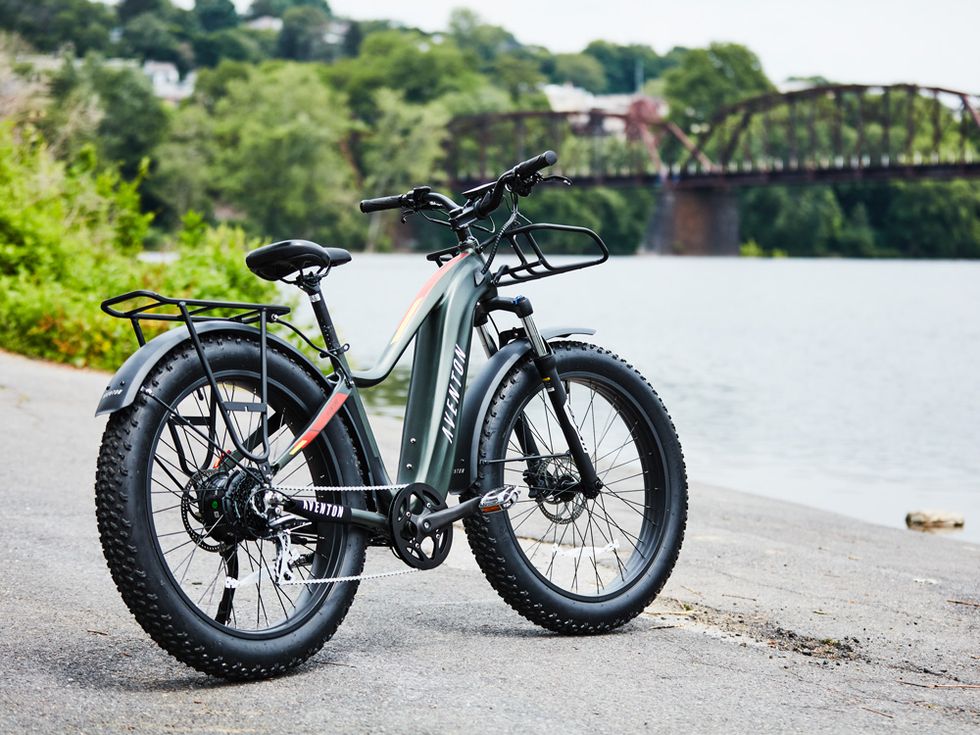
The first thing you'll notice about a fat tire e-bike is the sheer width of its tires — typically 4 inches or wider. The frame is engineered to be robust and durable, built to support the added heft of the motor and battery pack. A longer wheelbase paired with a relaxed head tube angle keeps you planted and balanced over rough terrain. These bikes perform exceptionally well on snow, sand, mud, and rocky trails. If your routes include beaches, forest paths, or unpredictable ground, a fat tire electric bike provides the traction and confidence you need. Most fat tire models come with 20-inch, 24-inch, or 26-inch wheels, so there's a size to match every rider.
What Is a Regular Tire Electric Bike?
A regular tire e-bike closely resembles a traditional bicycle. The tires are narrower, generally between 1.75 and 2.8 inches wide, giving the bike a lightweight, nimble feel. The frame is optimized for speed and responsive handling, which makes these bikes perfect for city streets and smooth bike paths. Regular tire electric bikes excel at daily commutes, quick errands, and leisurely park rides. They consume less energy per mile, which means you can travel farther on a single charge. If your riding is mostly on pavement, a regular tire e-bike keeps everything simple and efficient.
Key Differences at a Glance
Curious about how these two types stack up? Here's a side-by-side comparison of the most important factors:
| Tire Category | Width Range (inches) | Notes |
|---|---|---|
| Fat Tire E-Bike | 4.0 inches or wider | Wider frames and rims designed for all-terrain stability |
| Plus Size Tires | 2.8 to 3.2 inches | A middle-ground option balancing comfort with better efficiency |
| Regular Tire E-Bike | 1.75 to 2.8 inches | Covers commuter, hybrid, and mountain styles — lighter and more agile on pavement |
- Fat tire electric bikes feature wide tires and a reinforced frame. You gain extra stability and comfort, especially on uneven or loose surfaces.
- Regular tire electric bikes prioritize speed and agile handling. They deliver a lighter, more responsive ride that works best on pavement.
- Fat tire e-bikes dominate on snow, sand, and trails. Regular tire models are the go-to for city streets and smooth bike paths.
- Fat tire bikes tend to be heavier and pricier, but they unlock far more riding possibilities. Regular tire e-bikes are lighter, more affordable, and simpler to maintain.
If you crave the freedom to ride anywhere, anytime, a fat tire e-bike is your ticket. For quick city trips, a regular tire e-bike keeps things fast and fuss-free.
Fat Tire E-Bike Benefits
Stability and Traction
You need a bike that stays composed, even when the terrain gets unpredictable. A fat tire electric bike delivers exactly that kind of confidence. The wide tires distribute your weight across a larger contact patch, which translates to significantly better traction and stability on gravel, sand, snow, and muddy trails. Instead of catching on rocks or slipping on roots, you float right over obstacles and keep moving forward.
- Fat tires spread your load over a broader surface, keeping you upright on uneven ground.
- The wide, rugged tread pattern provides superior grip, so you feel secure on tricky terrain.
- Lower tire pressure allows the bike to glide over bumps and potholes with minimal effort.
- The tires act as natural cushions, absorbing road shocks and smoothing out rough patches.
Once you take a fat tire electric bike on wet or loose ground, the advantage becomes immediately obvious. Testing consistently shows that fat tire mountain bikes grip better on slippery surfaces than their thinner counterparts. You won't sink into soft sand or snow — you stay on top and keep rolling. This gives you superior balance and control, even when conditions take a turn for the worse.
Comfort and Shock Absorption
Ride comfort matters — especially if you spend hours in the saddle. Fat tire electric bikes really shine in this department. Their extra-wide tires, typically 4 to 5 inches across, put more rubber between you and the road. That additional surface area absorbs bumps, vibrations, and shocks from rough trails or uneven city streets.
- Wide tires run at lower air pressure — sometimes as low as 5 PSI — making the ride feel soft and cushioned.
- You'll experience significantly less vibration in your hands and arms, even over longer distances.
- Many riders report feeling more relaxed and confident thanks to the stable, cushioned ride.
Here's how fat tire and regular tire electric bikes compare on comfort and shock absorption:
| Feature | Fat Tire Electric Bike | Regular Tire Electric Bike |
|---|---|---|
| Tire Width | 3.7 to 5 inches, oversized for better grip | Narrower tires |
| Shock Absorption | Natural shock absorbers, smooth ride on rough surfaces | Less cushioning, struggles on rough terrain |
| Stability | Enhanced stability from wider contact area | Less stable on slippery or uneven surfaces |
| Terrain Capability | Excels on snow, sand, mud, and gravel | Better suited for smooth paved roads |
| Comfort | Superior comfort by reducing bumps on rough terrain | Less comfortable on rough roads |
| Weight Distribution | Spreads load across a larger footprint | Concentrated weight, reduced traction |
The difference is something you feel right away. Fat tire electric bikes make rough roads feel remarkably smoother. You can ride for longer stretches without fatigue or soreness. Countless riders report that their fat tire e-bike delivers a genuinely comfortable experience, even on bumpy trails or pothole-riddled city streets.
Terrain Versatility
One of the most compelling reasons to go with a fat tire e-bike is its incredible versatility across different surfaces. There's no need to swap out tires or adjust your setup when you shift from city streets to off-road trails. Fat tire electric bikes tackle snow, sand, mud, gravel, rocky paths, and even rough urban roads without missing a beat.

- Fat tire electric bikes maintain their grip on snow and ice, letting you ride confidently through winter.
- You can lower the tire pressure for soft terrain or pump it up for pavement, making the bike adaptable to any surface.
- The wide tires and reinforced frame support heavier loads — perfect for camping gear or hauling supplies.
- All-season performance means rain, snow, or mud won't sideline your adventure.
Fat tire electric bikes also come equipped with powerful motors and weather-resistant components. This means you can count on your bike to perform reliably in any season. The off-road capabilities of a fat tire e-bike let you reach places that regular bikes simply cannot. You get stronger traction, greater control, and a comfortable ride wherever the road — or trail — takes you. If you want a single bike that does it all, an electric bike with fat tires is the way to go.
Efficiency and Battery Life
Fat Tire Electric Bike Performance
Riding a fat tire electric bike feels different when it comes to power delivery and energy consumption. Fat tires provide outstanding grip and comfort, but they also generate more rolling resistance. This means the motor has to work harder, particularly on soft ground like sand or snow. Most models compensate for this with larger battery packs to help you cover respectable distances. You can expect consistent, reliable performance on rough trails, even if the ride feels slightly slower compared to a standard e-bike.
Here's a quick comparison of how fat tire and regular tire e-bikes stack up on efficiency:
| Aspect | Fat Tire E-Bikes | Regular Tire E-Bikes |
|---|---|---|
| Tire Width | Wide (3.5 to 5 inches) | Narrow (23mm to 28mm) |
| Tire Pressure | Low (8–20 PSI) | High (60–100 PSI) |
| Rolling Resistance | Higher, due to larger contact area | Lower, thanks to narrow profile and high pressure |
| Energy Consumption | Higher energy use, reduced speed and battery life | Lower energy use, faster speeds, longer range |
| Comfort & Stability | Superior shock absorption and stability | Less shock absorption, more nimble and agile |
Fat tire e-bikes draw more energy, but they reward you with unmatched control and comfort when the terrain gets tough.
Speed and Range
How fast can you go, and how far will you get? Regular tire e-bikes generally win on both counts when it comes to efficiency and speed on pavement. Their lighter, thinner tires roll effortlessly on smooth surfaces, allowing you to ride faster while conserving battery. Fat tire e-bikes are slower on paved roads because the wide tires generate more drag. The motor compensates, but it can't fully replicate the agility of a regular tire bike.
- Regular tire e-bikes tend to be faster and more energy-efficient, thanks to their lighter build and narrower tires.
- Fat tire e-bikes carry heavier, wider tires that reduce top speed on smooth surfaces.
- Both types can reach speeds up to 28 mph, but regular tire models get there with less effort.
In terms of battery range, fat tire e-bikes often pack larger batteries to offset their extra weight. Here's a look at average range per charge:
| E-Bike Type | Battery Voltage | Avg. Range per Charge (miles) | Performance Notes |
|---|---|---|---|
| Fat Tire E-Bike | 48V or 60V | 50 – 80 | Larger battery compensates for heavy tires and rough ground |
| Regular Tire E-Bike | Typically lower | 30 – 60 | Lighter build, less rolling resistance |
Bear in mind that riding on sand, snow, or mud will drain your battery more quickly. Keeping your tire pressure properly adjusted helps you get the most out of each charge.
Maintenance Needs
You want a bike that lasts and runs reliably. Fat tire e-bikes require a bit more attention because the wide tires and heavy frame put additional stress on components. It's important to check tire pressure regularly, since low pressure can increase pedaling effort and drain your battery faster. Cleaning the tires and drivetrain after muddy or sandy rides helps everything run smoothly.
- Fat tire e-bikes require routine checks for tire wear and pressure.
- You may need to replace tires more frequently if you ride over rough terrain regularly.
- Regular tire e-bikes are generally easier and cheaper to maintain.
One trade-off with fat tires is the extra time and expense you'll invest in upkeep. That said, if off-road exploration and all-weather comfort are priorities for you, the trade-off is well worth it. Every electric bike requires some care — the key is choosing based on where you ride and what matters most to you.
Choosing the Right E-Bike
Fat Tire E-Bike Use Cases
You might be wondering when a fat tire e-bike makes the most sense. These bikes truly shine when you need to ride on rough or constantly changing surfaces. If you love tackling trails, sandy beaches, snowy paths, or muddy back roads, a fat tire e-bike provides the grip and comfort you need to ride with confidence. The wide tires keep you stable and absorb bumps, so you feel less fatigue on longer rides. You can also haul more gear, which is a huge plus for camping trips or heavy grocery runs. Fat tire e-bikes perform well in all seasons, even when the weather turns wet or icy.
Common reasons riders choose fat tire e-bikes:
- You ride on gravel, sand, snow, or trails.
- You want extra comfort with less vibration.
- You carry heavy loads or need a sturdy, dependable bike.
- You need a bike that handles every type of weather.
Fat tire e-bikes are heavier and consume more battery, but they keep you moving confidently when the path gets challenging.
Regular Tire E-Bike Use Cases
A regular tire e-bike is the ideal match if you stick primarily to city streets or paved bike paths. These bikes feel light and quick, making them excellent for daily commutes and running errands. You get better speed and extended battery range because the tires roll effortlessly on smooth ground. Regular tire e-bikes are also easier to carry up stairs or onto public transit. They tend to cost less to maintain overall.
You might choose a regular tire e-bike if:
- You ride mostly on paved roads or bike lanes.
- You want a fast, efficient ride for longer commutes.
- You prefer a lighter bike that's easy to handle.
- You want simple, low-cost maintenance.
| Factor | Fat Tire E-Bike | Regular (Thin) Tire E-Bike |
|---|---|---|
| Terrain Capability | Excellent for off-road, trails, sand, snow | Best for paved roads and city paths |
| Stability | High stability and traction on uneven surfaces | Moderate stability, less suited for rough terrain |
| Comfort | Cushioned ride with shock absorption | Less shock absorption, relies on frame and saddle |
| Speed & Efficiency | Slower due to higher rolling resistance | Faster and more efficient on smooth surfaces |
| Battery Range | Typically 20–50 miles per charge | Typically 40–70 miles or more per charge |
| Weight | Heavier (often over 65 lbs) | Lighter (30–45 lbs), easier to carry |
| Maintenance | More demanding due to size and parts | Easier and cheaper to maintain and replace |
| Use Case | Best for trail explorers and mixed terrain riders | Ideal for daily urban commuters and longer rides |
Personal Preferences
At the end of the day, your comfort and riding style matter most. Some riders prefer a smooth, stable ride and don't mind a heavier bike. Others prioritize speed and easy handling. Fat tires function like built-in shock absorbers, cushioning you from bumps — a great advantage on rough ground or for a more relaxed ride. Thinner tires make your bike lighter and faster, which is a win for city rides or longer commutes.
Consider these factors when making your decision:
- Where do you ride most often?
- Do you prioritize comfort or speed?
- How much weight do you typically carry?
- What feels best when you test ride?
Test ride both types if you can. A short spin on your usual route will help you feel which bike matches your needs and comfort.
There's a lot to weigh when selecting your next e-bike. Fat tire e-bikes give you stability, comfort, and grip on demanding terrain — but they're heavier and need more care. Regular tire e-bikes feel lighter and faster on city streets, with less upkeep required.
Try both types if you get the chance. A test ride reveals the real difference in comfort and control. Pick the bike that fits your favorite routes and riding style for the best possible experience.
Frequently Asked Questions
Are fat tire e-bikes harder to pedal without the motor?
Yes, you'll notice more resistance when pedaling a fat tire e-bike with the motor turned off. The wide tires create additional drag. If you want a lighter, smoother ride without motor assistance, a regular tire e-bike is easier to pedal.
Can I use a fat tire e-bike for city commuting?
Absolutely. You can ride a fat tire e-bike through the city without any issues. The wide tires handle potholes and curbs with ease. You may find the bike feels heavier and slower on smooth pavement, but you gain extra comfort and stability in return.
Do fat tire e-bikes need special maintenance?
Fat tire e-bikes require a bit more attention than standard models. You should check tire pressure frequently and clean the tires after riding through mud or sand. The larger tires may wear out sooner if you consistently ride on rough terrain. Regular cleaning keeps your bike running well.
How do fat tire e-bikes perform in winter?
Fat tire e-bikes are among the best options for winter riding. The wide, grippy tires provide reliable traction on snow and ice, keeping you stable and in control. Many riders specifically choose fat tire models for year-round riding confidence.
Do fat tire e-bikes need special equipment?
Not necessarily. Standard e-bike accessories work with most fat tire models. However, you may need wider-compatible racks, fenders, or mudguards due to the larger tire size. Always check the specifications before purchasing accessories.