
Riding a standard bicycle on rugged trails, sandy beaches, or snow-covered paths can quickly become tiring and unsafe. Fat tire electric bikes solve these challenges by combining oversized tires with electric motor assistance. Their wide rubber grips the ground with confidence, and the motor takes the strain out of every pedal stroke. In this guide, we explore the top fat tire electric bike worth your attention today.
What Are Fat Tire Electric Bikes?
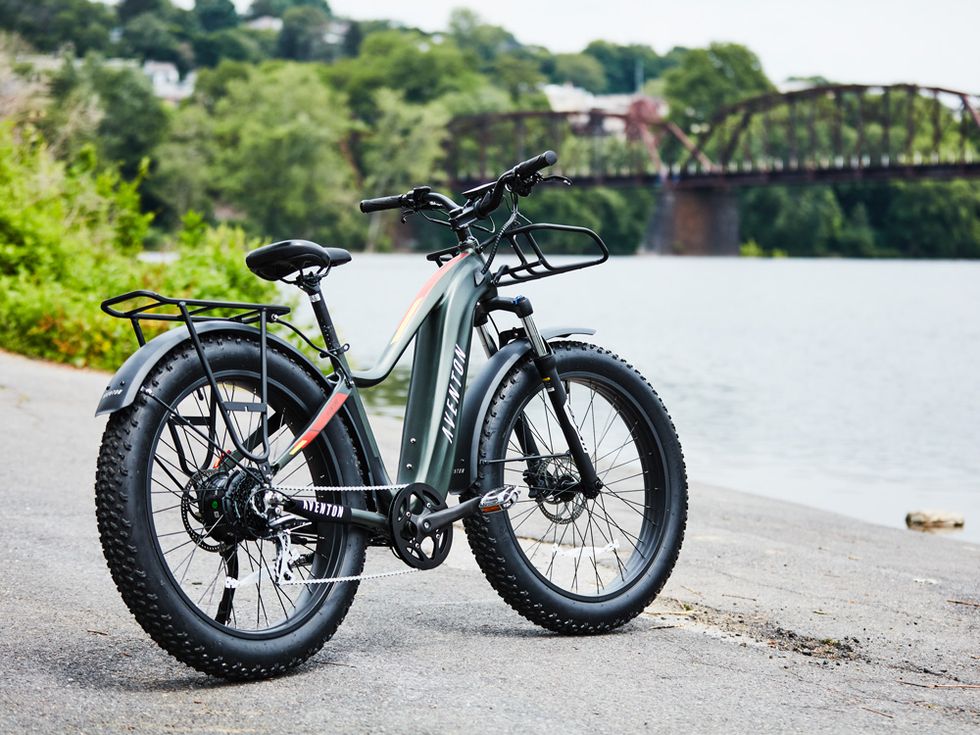
A fat tire electric bike is an electrically powered bicycle equipped with wide tires — typically four inches or broader. These oversized tires create a larger contact patch with the ground, which dramatically improves traction and balance on loose or uneven terrain. An integrated electric motor assists your pedaling, making climbs and long distances far more manageable. The rechargeable battery can be topped up at any outlet and offers hours of riding on a single charge. Fat tire e-bikes are built with reinforced frames to handle the extra forces at play, and they feature heavy-duty braking systems capable of slowing you down safely even at higher speeds.
What Are Fat Tire Bikes For?
Fat tire bicycles are purpose-built for conquering rough and unpredictable surfaces. The wide rubber distributes the rider's weight across a bigger area, preventing the tires from sinking into soft ground. This makes them ideal for sandy beaches, snowy winter trails, and muddy backroads where a conventional bike would simply get stuck. They remain steady and comfortable on steep inclines and rocky paths as well. Many adventure enthusiasts rely on fat tire bikes for backcountry exploration and off-road touring, and they are an excellent option for electric trekking because they deliver the endurance needed for extended rides over challenging ground.

Key Factors to Consider When Choosing a Fat Tire Electric Bike
Before you invest in a fat tire e-bike, weigh the following factors carefully to find the right match for your riding style.
1. Battery Life and Range
Battery range tells you how far you can travel before the next charge. A higher-capacity battery delivers longer distances, especially over hilly or demanding terrain. Aim for a bike that offers at least 40 miles of real-world range to keep charging worries at bay. It is also wise to check how easy it is to charge the battery and whether it can be removed for convenient indoor charging.
2. Motor Power and Performance
Motor wattage directly affects your acceleration and hill-climbing ability. Higher-powered motors push through steep grades with less effort. Pay attention to torque ratings as well — strong torque means smoother performance on rugged terrain. Make sure the motor runs quietly and can sustain long rides without overheating.
3. Frame Material and Durability
The frame determines how the bike feels, handles, and lasts over time. Aluminum frames are lightweight and corrosion-resistant. Steel frames add strength but increase overall weight. Carbon fiber frames offer the best of both worlds — they are remarkably light yet extremely strong, reducing total bike weight while standing up to heavy riders and rough abuse.
4. Suspension and Comfort
A quality suspension system absorbs bumps and vibrations on rough roads and trails. Front suspension forks reduce the jarring impact that reaches your arms and shoulders. Full suspension provides even greater comfort, though it does add some weight. Always evaluate the seat quality and handlebar positioning as well — these contact points play a big role in long-ride comfort.
5. Advanced Technology and Smart Features
Modern e-bikes come loaded with intelligent features like backlit LCD displays and multi-level pedal assist. Some models include Bluetooth connectivity, GPS tracking, and companion apps that let you monitor speed, battery status, and ride history in real time. Look for safety-oriented extras such as automatic power cut-off sensors and integrated front and rear lighting.
Top Fat Tire Electric Bike Pick
Here is our featured fat tire electric bike that delivers outstanding value, power, and all-terrain capability.

Specification Snapshot
Below is a quick look at what the ENGWE E26 brings to the table.
| Specification | ENGWE E26 |
|---|---|
| Motor Power | 750W Brushless |
| Battery | 48V / 16Ah |
| Tire Type | Fat Tire (4-inch wide) |
| Brakes | Hydraulic Disc |
| Suspension | Front Fork |
| Display | LCD with Pedal Assist |
Tips to Keep Your Fat Tire Electric Bike in Top Shape
Consistent maintenance is the key to getting the most out of your fat tire e-bike. Follow these practices to extend its lifespan and maintain peak performance.
1. Tire Inspection and Upkeep
Always check your tire pressure before heading out and keep it within the manufacturer's recommended range. Inspect the rubber for cuts, cracks, or excessive wear, and replace a tire the moment it shows signs of compromise. After muddy rides, wash the tires thoroughly to prevent buildup that causes poor traction. Proper tire care improves grip and dramatically lowers the risk of punctures.
2. Motor and Battery Care
Avoid running the battery all the way down to zero — top it off after every ride instead. Store the battery in a cool, dry environment and keep it out of direct sunlight. When battery levels are low, reduce the load and take it easy on the throttle. These small habits will significantly extend the life of both the battery and the motor.
3. Chain and Gear Lubrication
Remove dirt and debris from the chain after each ride, then apply a quality bike chain lubricant and wipe off the excess. Check the gears for smooth shifting and make adjustments as needed. A well-lubricated drivetrain runs more efficiently and experiences far less wear over time.
4. Brake Checks and Adjustments
Test your brakes before every ride to confirm they respond instantly. Check the brake pads for thinning and swap them out if they are wearing down. If stopping power feels weak or uneven, tighten the cables or bleed the hydraulic system to restore full braking authority. Proper brake care prevents accidents across every type of terrain.
5. Suspension Maintenance
After demanding rides, inspect the suspension forks for dirt and oil residue. Wipe them clean with a soft cloth — never blast them with high-pressure water. Periodically test the travel for smooth, consistent movement and have a professional adjust the settings if anything feels off. Well-maintained suspension keeps handling sharp and the ride comfortable.
6. Frame and Component Care
Give the frame a wipe-down after every ride to remove dust, mud, and moisture. Check all bolts and fasteners regularly and tighten anything that has worked loose. Examine the pedals, handlebars, and seat for any signs of damage or wear. Consistent component care extends the bike's life and keeps rust at bay.
7. Proper Storage
Always store your e-bike in a cool, dry space away from the elements. If you plan on leaving it unused for a long period, remove the battery and store it separately at around 50% charge. Good storage practices protect the battery from degradation and keep the entire bike ready to ride at a moment's notice.
Frequently Asked Questions
1. What are fat tire bikes best suited for?
Fat tire bikes excel on soft sand, snow, gravel, and rough trails. The wider rubber distributes your body weight over a larger area and prevents the tires from sinking. This gives you better stability and control on unpredictable surfaces, which is why they are a favorite among off-road adventure riders.
2. How long does a fat tire electric bike last?
With proper care, the frame and tires on a quality fat tire e-bike can last anywhere from five to ten years. The battery and motor may need replacement sooner depending on how often you ride and how diligently you maintain charging habits. Regular cleaning, lubrication, and storage in a dry place will push the overall lifespan toward the higher end.
3. Are fat tire bikes harder to pedal?
The wider tires do create more rolling resistance, which means more effort is required compared to a standard bicycle. However, the electric motor completely offsets this — pedaling feels effortless even on flat roads. In fact, the larger tires actually make riding through sand and snow smoother and easier than it would be on a narrow-tired bike.
4. Is riding a bike for 3 hours a day beneficial?
Cycling for three hours daily can be a fantastic workout when you build up gradually and stay well hydrated. It improves cardiovascular fitness, builds endurance, and burns significant calories. That said, if you are not accustomed to long rides, it can lead to fatigue and muscle strain. Always listen to your body, incorporate rest days, and increase duration at a comfortable pace.
Final Thoughts
Fat tire electric bikes offer an unbeatable combination of stability, comfort, and all-terrain versatility. Choosing the right model comes down to matching motor power, battery range, and frame quality to your personal riding habits. Once you have found your bike, regular maintenance will keep it performing at its best for years to come. Think about the terrain you ride most, the distances you cover, and the loads you carry — then pick the e-bike that checks all the boxes. It is time to hit the trails and experience the thrill of off-road riding on two wheels!