
Contents
When you want affordable electric fun, you face a choice between two options. The cheap electric mini bike motorcycle delivers moped-style thrills on a compact frame, while the budget e-bike blends cycling with battery assist. Both options are significantly different in how they ride, what they cost long-term, and how the law treats them. We are here to help you choose the right one.
Perhaps you are a commuter who needs a dependable daily ride, a weekend warrior seeking trail adventures, or a parent exploring safe options for a teenager. Getting the wrong vehicle means wasted money and frustration. Getting the right one means years of enjoyment. So let us break this down properly to help you make a confident decision.
Defining The Contenders
The Electric Mini Bike Motorcycle
An electric mini bike motorcycle is a small-framed version of a gas motorcycle, powered entirely by a rechargeable battery and electric motor. If you have ever watched someone cruise by on a compact motorized two-wheeler that looks like a shrunken sport bike, that is exactly what we are talking about here.
Key characteristics:
- Appearance: Resembles a motorcycle with a seat, handlebars, and a frame that holds the motor beneath you.
- Pedals: Typically has none. You twist the throttle and go — no pedaling involved whatsoever.
- Speed: Budget models generally top out between 15 and 30 mph, depending on the motor wattage and battery voltage.
- Feeling: Riding one feels like operating a real motorcycle, just smaller and quieter. Expect a seated, upright riding experience with throttle-only control.

The Budget E-Bike
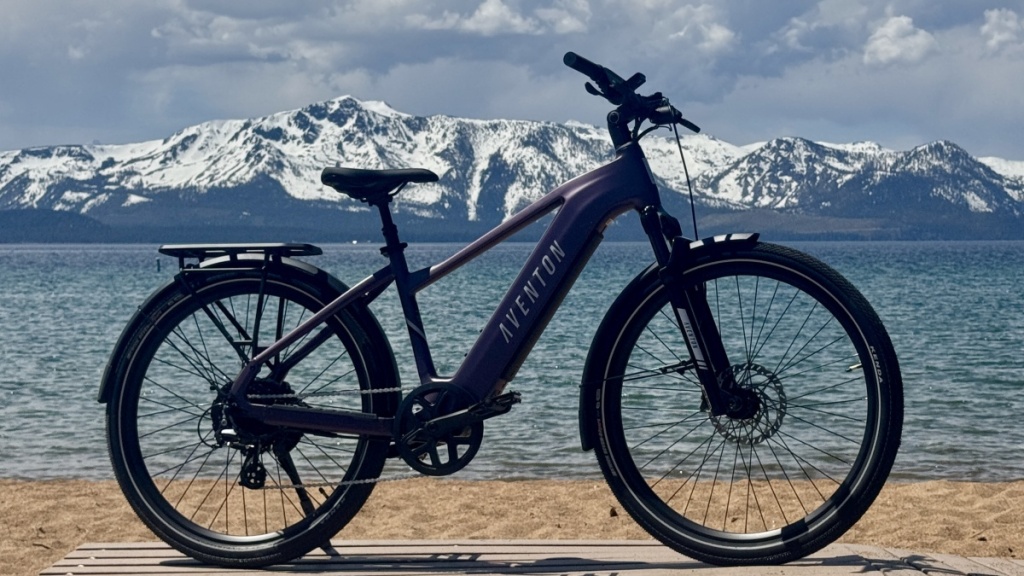
A budget e-bike is essentially a regular bicycle fitted with an electric motor and battery pack. The key difference is that it still functions as a working bicycle, giving you the ability to pedal with or without electric assistance.
Key characteristics:
- Appearance: Looks like a regular bicycle, though some models come with thicker tires or integrated battery packs.
- Pedals: Always present. Pedal assist gives you a boost while you pedal; throttle mode on some models lets you ride without pedaling at all.
- Speed: Most budget models cap at about 20 mph on motor assist, with some class 3 e-bikes reaching 28 mph.
- Feeling: Pedal assist mode gives you a boost which makes you feel strong and effortless. Throttle-only mode converts it into a lazy cruiser experience.

Head-to-Head Comparison
Now that you understand what each vehicle is, let us evaluate the most important factors side by side to help you see where each one performs best.
The True Cost
The sticker price is just the start of what you actually spend. You need to think about the total cost of ownership over time, including purchase, insurance, accessories, and ongoing repairs.
Initial Purchase Costs
The cheapest electric mini bike motorcycles start around $300 and can range up to $1,500 for well-known brands. Budget e-bikes typically start around $400 and go up to $2,000. A decent mid-range model in either category will cost you somewhere between $600 and $1,000. At this level you can expect a reasonably reliable battery, acceptable build quality, and enough power to handle flat terrain comfortably. The biggest cost variable is the battery — a higher voltage system with greater capacity adds significantly to the price.
Ongoing and Hidden Costs
Electricity Costs
Both vehicles cost only pennies per charge. You can expect around $0.05 to $0.15 per full charge depending on local rates and battery size. Annual electricity cost is negligible for either option.
Legal Fees
This creates a huge difference. Electric mini bikes may require registration, insurance, and sometimes a motorcycle license. An e-bike classified as Class 1, 2, or 3 avoids most of these costs entirely.
Maintenance & Repairs
E-bike parts are standardized and cheap to replace at any bike shop. Mini bike parts may require special ordering and DIY skills to install properly.
Battery Replacement
Both vehicles will eventually need a new battery, typically after 500 to 1,000 charge cycles. Replacement packs cost $150 to $500 for either type. A mini bike with a proprietary battery format may be harder to source affordably.
Which Rider Are You?
The best way to decide is to match the vehicle to your life. Read the descriptions below and see which one fits your situation most naturally.
The Daily Commuter
You need a reliable way to get to work or school without spending a fortune. Your route is predictable, mostly paved, and you prefer not getting sweaty. You may need to carry it upstairs or lock it up at a bike rack.
Our Recommendation: Budget E-Bike. Legal on bike lanes, lightweight enough to carry, and pedal assist gets you there without breaking a sweat.
The Weekend Trail Explorer
You live for weekend adventures on dirt trails, backyard tracks, or countryside roads. Your perfect Saturday involves dust, adrenaline, and maybe a few jumps. You do not care about commuting — you just want off-road excitement.
Our Recommendation: Electric Mini Bike Motorcycle. The low center of gravity and throttle-only power give you exactly what you need on trails and rough terrain.
The Parent and Teen
You are buying a first electric vehicle for your teenager. Safety, following the law, and responsible riding matter more to you than top speed or flashy features.

Our Recommendation: A Budget E-Bike (Class 1 or 2). It is the responsible choice. It is legally simpler, enforces speed limits naturally, and small mechanical issues are much easier to fix at local bike shops than specialized mini bike dealers.
Legal and Safety Essentials
The Legal Maze
Electric Mini Bikes: You need to be very clear about this one. In most states, an electric mini bike without pedals does not qualify as a bicycle under local law. It is classified as a motor vehicle, moped, or motorized scooter depending on its power output and speed. This means you may need a license, registration, and liability insurance to ride it on public roads. Many areas restrict them entirely to private property. Always check your state and municipal regulations before purchasing.
Budget E-Bikes: Most states follow a three-class system: Class 1 (pedal assist up to 20 mph), Class 2 (throttle assist up to 20 mph), and Class 3 (pedal assist up to 28 mph). In most jurisdictions, Class 1 and Class 2 e-bikes do not require licenses, insurance, or registration. You can ride them on bike lanes, paths, and public roads. Class 3 may have some additional restrictions depending on your specific area.
Gearing Up Safely
Helmets for Mini Bikes: A DOT-certified motorcycle-style helmet is strongly recommended. At speeds above 20 mph, a standard bicycle helmet does not provide enough coverage or impact protection. Consider full-face options for off-road use.
Visibility for E-Bikes: Make sure you invest in front and rear lighting for every ride, along with a reflective vest if you commute in early morning or evening hours. You are sharing space with cars, and you need them to see you clearly at all times.
Frequently Asked Questions
© 2025 Backyard Provider. All rights reserved.